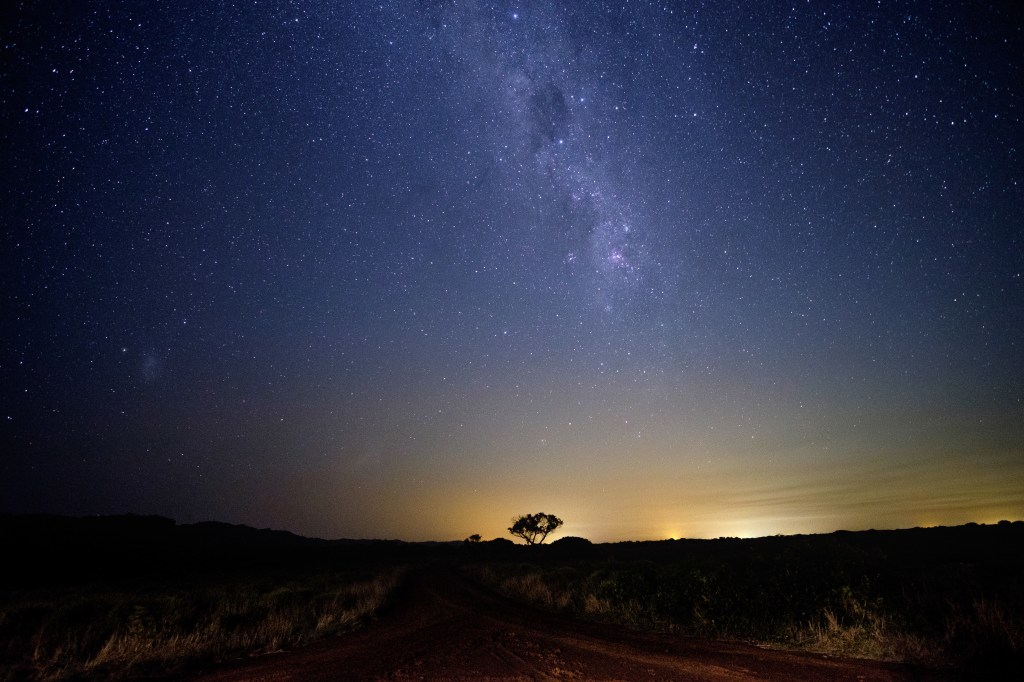
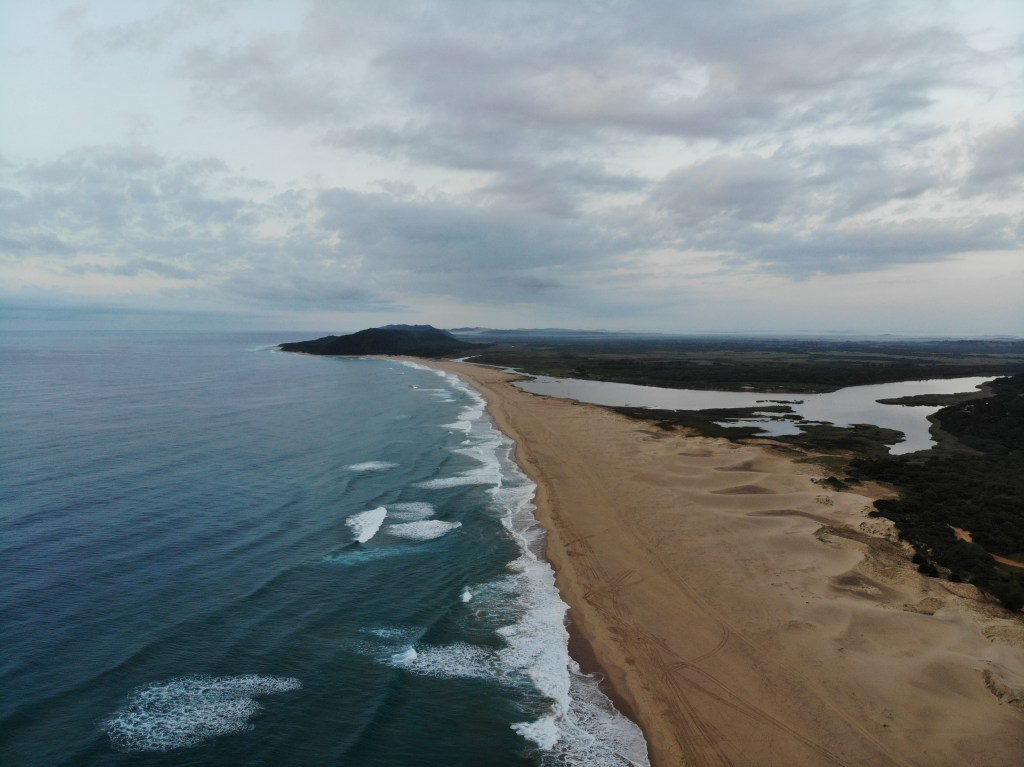
The iSimangaliso Wetland Park is South Africa’s very first natural World Heritage site, listed on the 1 December 1999. The park was previously known as the Greater St. Lucia Wetland Park, but was renamed on 1 November 2007. The word iSimangaliso means “a miracle” or “something wondrous” in Zulu. The park is situated on the east coast of KwaZulu-Natal, South Africa, about 275 kilometres north of Durban. It is South Africa’s third-largest protected area, spanning 280 km of coastline. from the Mozambican border in the north to Mapelane (the 2nd largest vegetated dune in the world) south of the Lake St. Lucia estuary. Saved from mining operations which threatened the ecology, the iSimangaliso Wetland Park was listed for its outstanding natural values as a UNESCO World Heritage Site in December 1999. The park is made up of around 3,280 km2 of natural ecosystems, managed by the iSimangaliso Authority and this month it commemorate 20 years as a World heritage site. On the 1st of August 2019 almost one million hectares of MPA (Marine Protected Area) was added. This world heritage site is now the largest in South Africa. A whopping 1.3 million hectares! Compare this with the Hluhluwe-iMfolozi Park complex, which has only 99,000 hectares. This massive addition will help protect the marine area from oil and gas prospecting and mining.
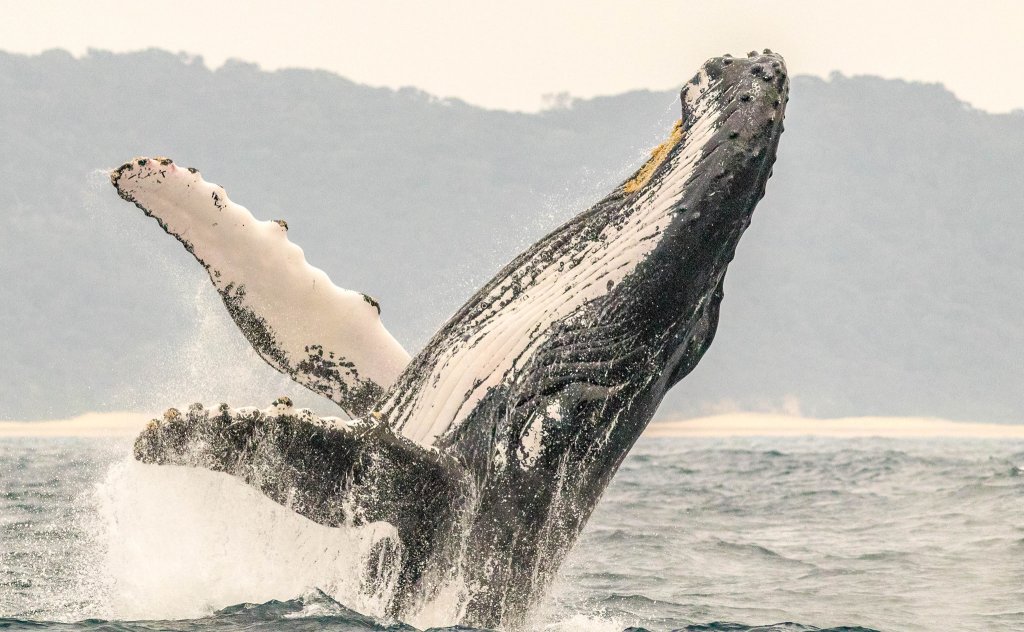
The iSimangaliso Wetland Park covers 10 unique destinations – Kosi Bay, Coastal Forest, Lake Sibaya, Sodwana, Mkuze Game Reserve, False Bay, Western Shores & Charters Creek, Lake St. Lucia, Eastern Shores & Cape Vidal and Maphelane. It is without a doubt a wildlife paradise. To quote Nelson Mandela “iSimangaliso must be the only place on the globe where the oldest land mammal (the rhinoceros) and the world’s biggest terrestrial mammal (the elephant) share an ecosystem with the world’s oldest fish (the coelacanth) and the world’s biggest marine mammal (the whale)”
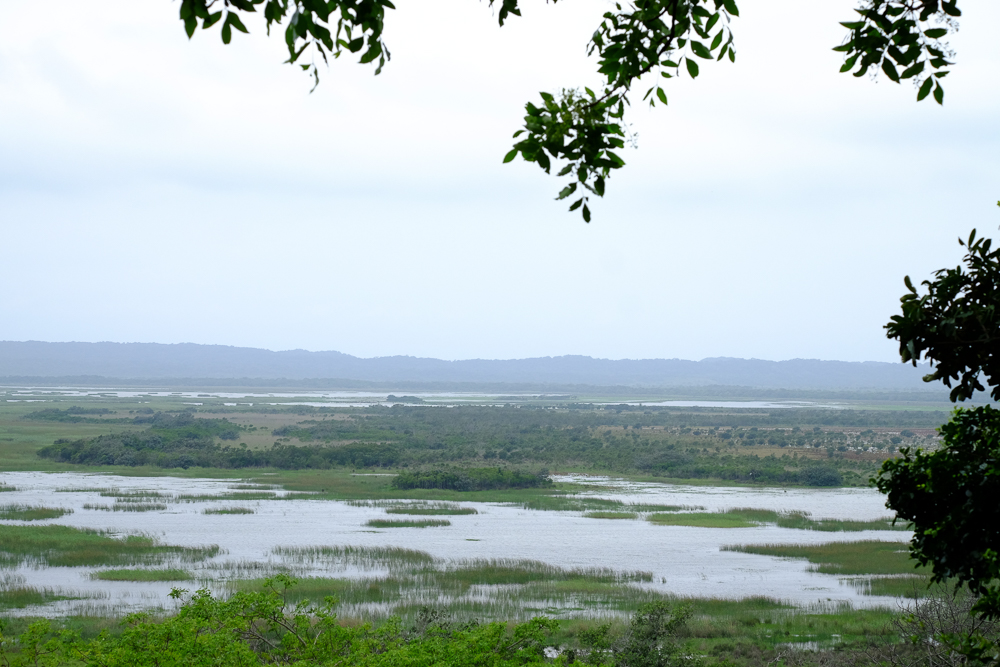
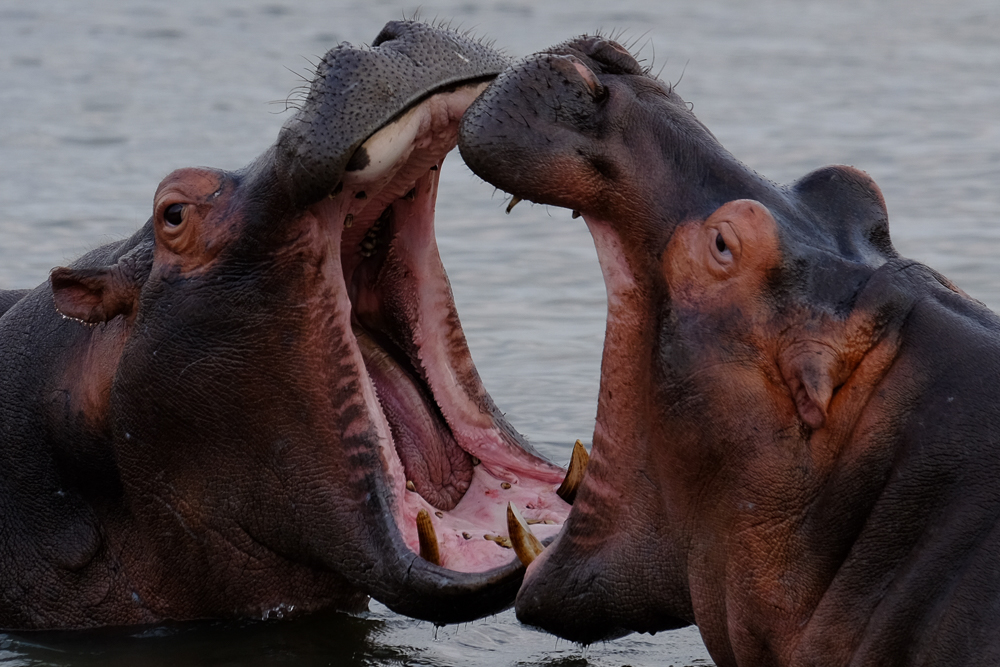
There are 5 ecosystems found in the iSimangaliso Wetland Park with a species list among one of the longest in the region, with over 6500 plant and animal species, including 521 bird species. The diversity of habitats supports an extraordinary range of animal species. It consists of 13 separate, but adjoining conservation units totaling 2,400 square km and almost 11,000 square km’s of marine reserves.
To give you an idea of the sheer diversity and scale of the park:
- ï530 Bird species 530 – highest in South Africa.
- ïHighest vegetated sand dune in Africa
- ïSt. Lucia estuary is largest estuarine lake system in Africa
- ïHas the largest predator in the world, the sperm whale.
- ïAnd the largest mushroom.
The iSimangaliso Wetland Park, is a World Heritage Site not only because of its vital turtle-nesting beaches, but due to its exceptional biodiversity, its natural beauty, and because of the estuary and the lake’s unique ecological processes. The constant wave processes and windblown sand has resulted in the creation of a variety of landforms, icluding coral reefs, extended sandy beaches, coastal dunes, lake systems, swamps and extensive reed and papyrus wetlands. What makes this park unique is its biodiversity, which is a direct result of 5 very different ecosystems in close proximity to each other. This park contains critical habitats for a variety of species from Africa’s marine, wetland and savannah environments.
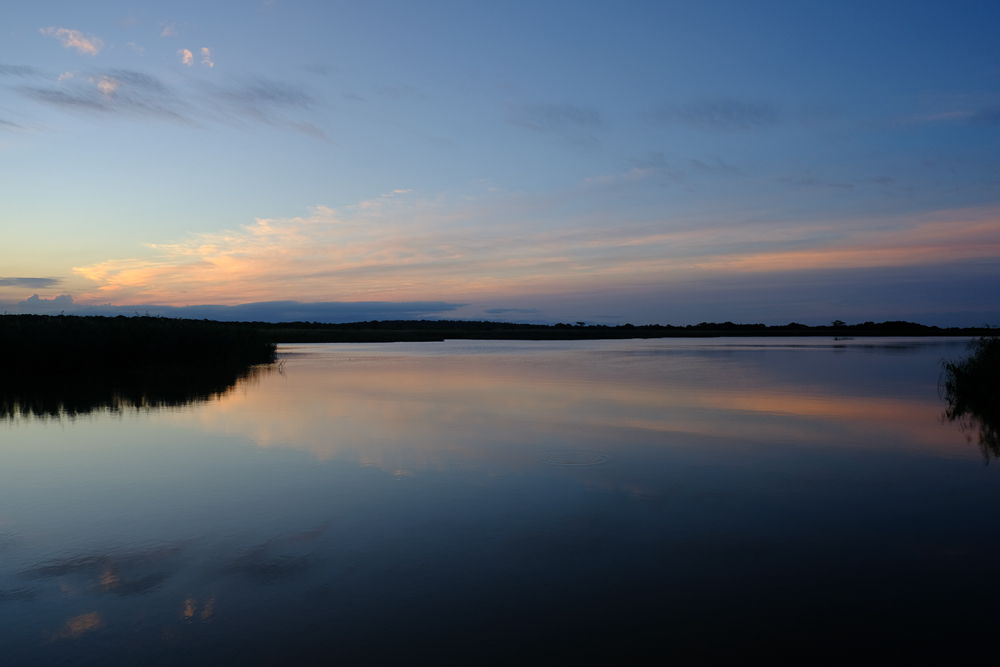
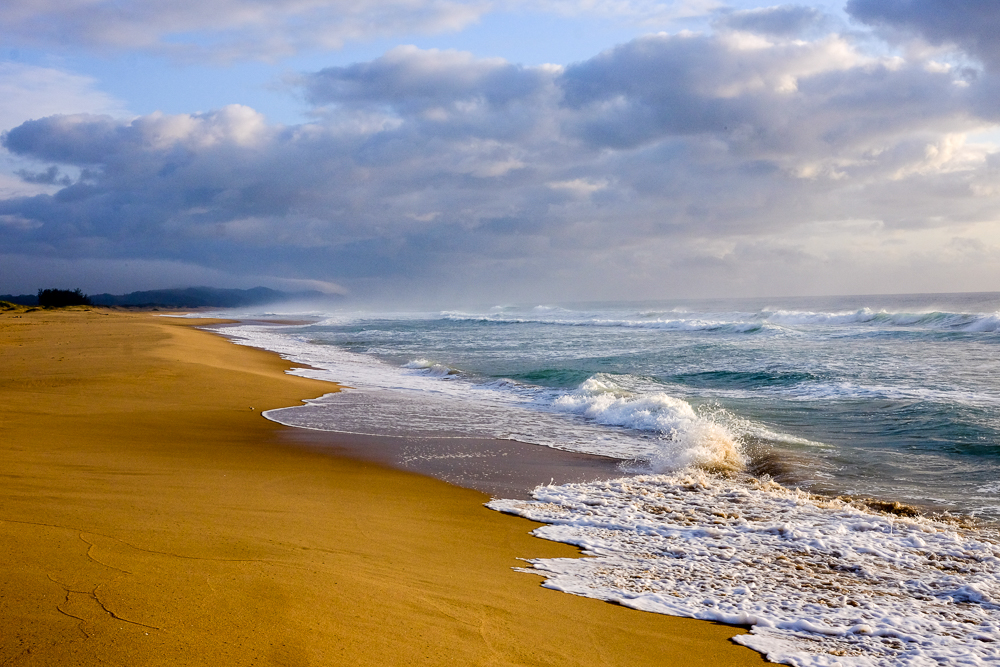
The park is made up of five distinct ecosystems (providing habitats for an enormous diversity of species): the coastal and marine system, the eastern-shore dune forests, the estuary and lake systems, the Mkhuze River papyrus swamps and the drier acacia savanna of the western shore. In turn, these ecosystems have tremendously rich micro-habitats such as mangroves, coral reefs and raffia-palm forests. Aside from the lake and dune ecosystems, the iSimangaliso Wetland Park protects a marine zone of warm tropical seas, coral reefs and endless sandy beaches.
In the early ’90s, environmentalists and conservationists fought a hard battle to save Lake St Lucia’s shores from dune mining. More recently, the iSimangaliso Authority has embarked on the hydrological restoration of the wetland, removing 100,000 cubic metres of dredge spoil (sand, silt and vegetation) that was placed in the natural course of the iMfolozi River to impede its flow into the Lake.
Why was the iSimangaliso Wetland Park chosen? Ten natural and cultural values have been identified which are used as criteria for selecting World Heritage Sites. A site has to fulfil only one criterion to be selected as a World Heritage Site. iSimangaliso was listed on the World Heritage List for three of the ten values recognised by the Convention.
These are:
1. Outstanding examples of ecological processes.
2. Superlative natural phenomena and scenic beauty.
3. Exceptional biodiversity and threatened species.
After 20 years there are long term plans to expand the park even farther, with teamwork and support from the local communities.
 Tourism Tails