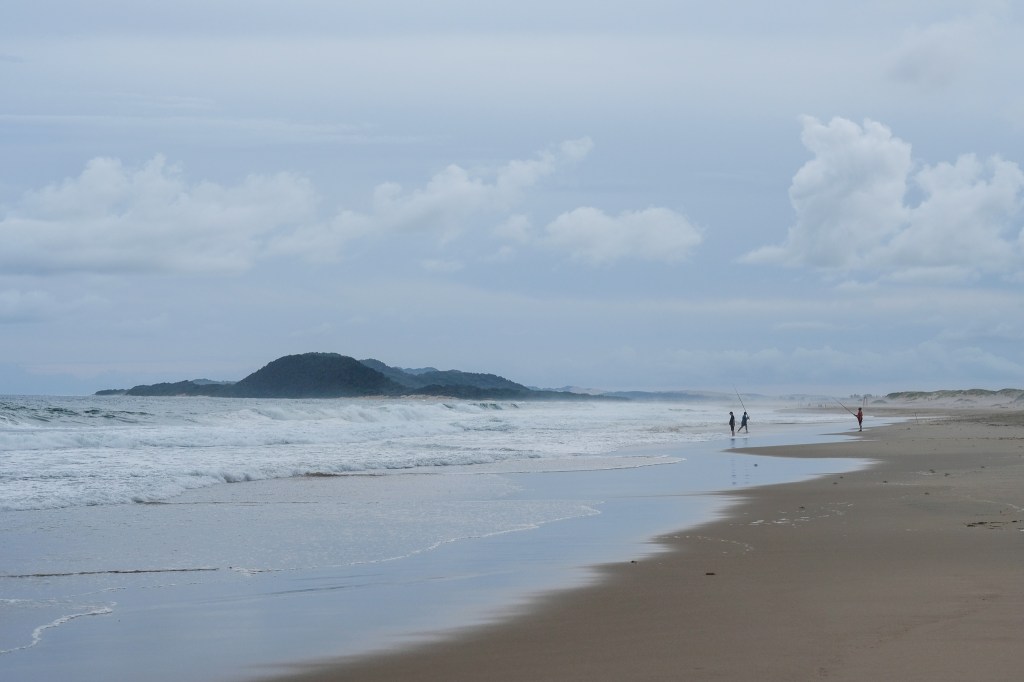
Walking is one of the easiest human activities; in St. Lucia there is a whole choice of walking options. A treat for me is heading down to the St. Lucia beach for a walk. The beach is a mere kilometer from our quaint hamlet of St. Lucia. I love going for long walks in the evening after a days work. The beach in St Lucia is exquisite and stretches on for miles in the direction of Mozambique. Early evening there are not many people on the beach, just the ever optimistic angler chancing his beach fishing luck hoping to catch his last fish before the sun goes down, a few locals walking their dogs, and me. The visitors and tourists have already left, seeking sustenance and some refreshing aperitif for their dinner. This leaves me with the beach pretty much to myself.
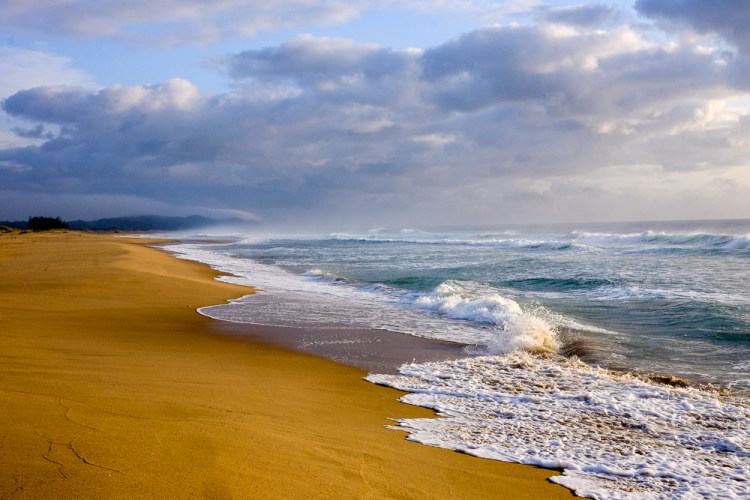
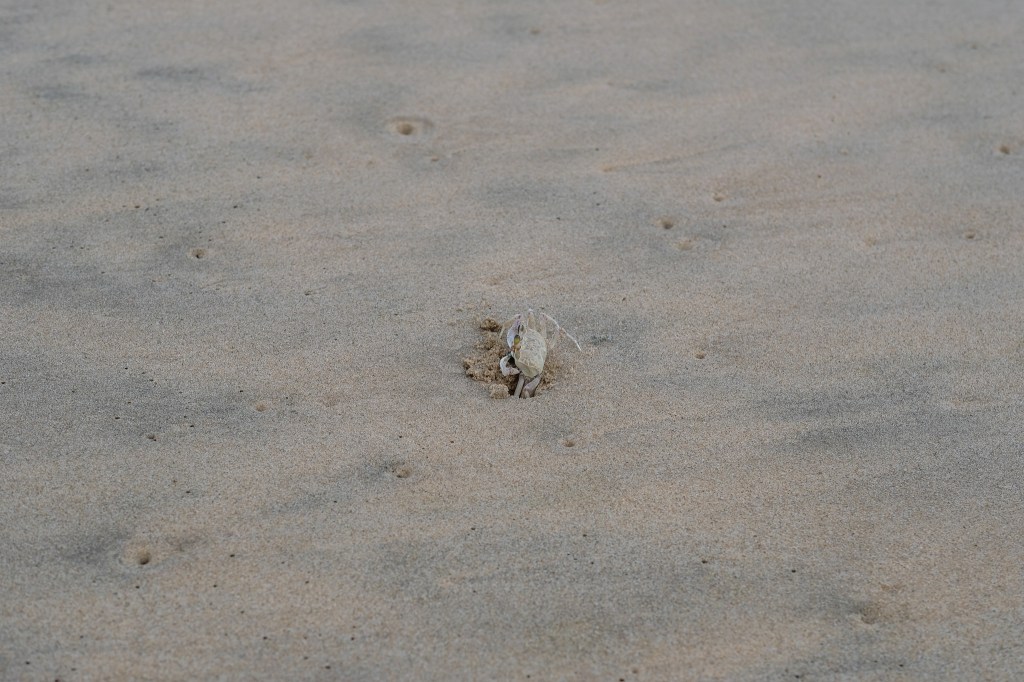
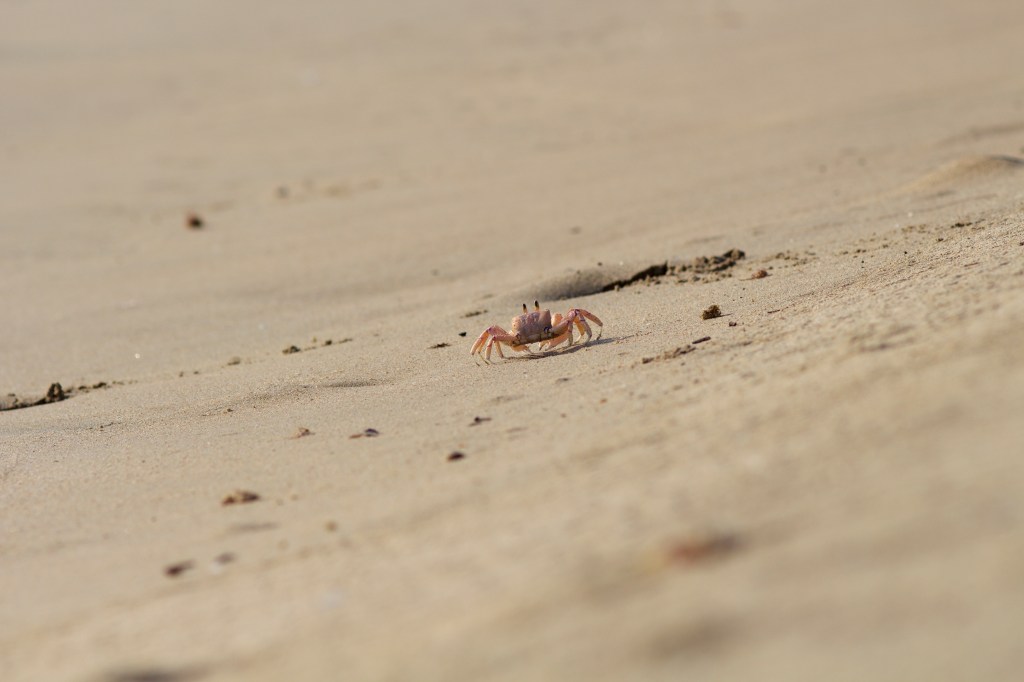
Instead of doing mindless miles on the treadmill I am out walking in the soft sand as the water laps at my feet, my mind drifts with the rhythmical motion of the waves. The best way to end the day. As I stroll along the water line kicking sand and allowing the water to tease my feet with its lovely cool caress little crabs scuttle to hide from my approach. They rush to dive down their little holes before making their appearance again once the immanent danger of my passing has vanished. They are such brave little things putting up their front claws if I get too close for comfort in their best threatening performance, trying to warn me to stay away from them, because they are enormous, tough and very dangerous little crabs! These little ghost crabs are very common along our shores living in tropical and subtropical regions throughout the world. They inhabit deep burrows in the intertidal zone, always scuttling to their burrows for safety when they feel threatened. I love watching them scramble around in the receding waters of the tide till they notice me and run for the cover of their little lair.
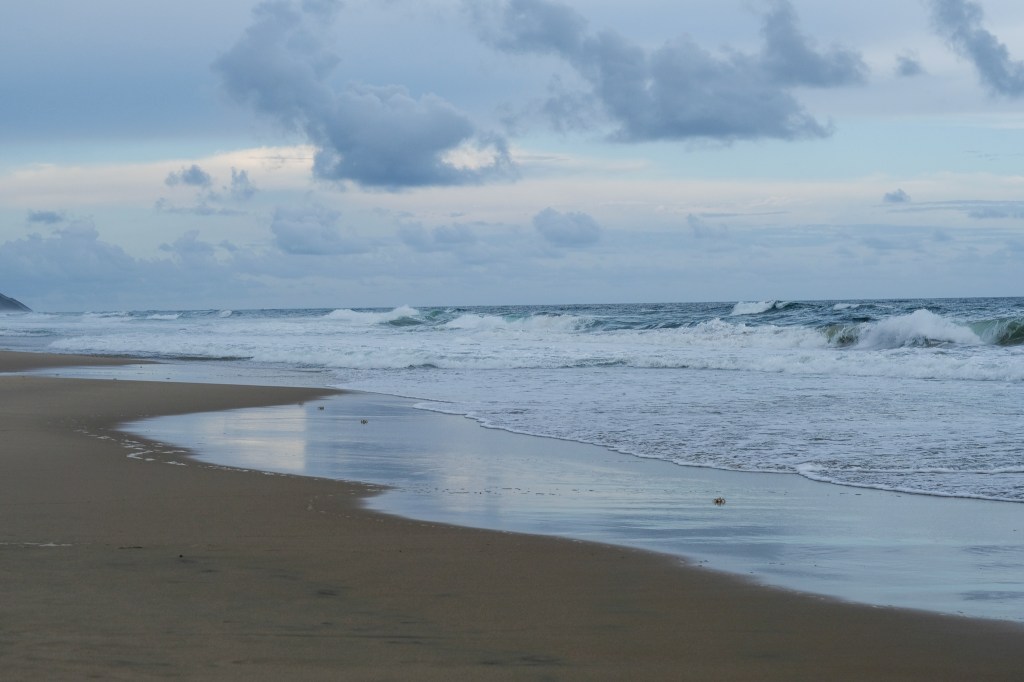
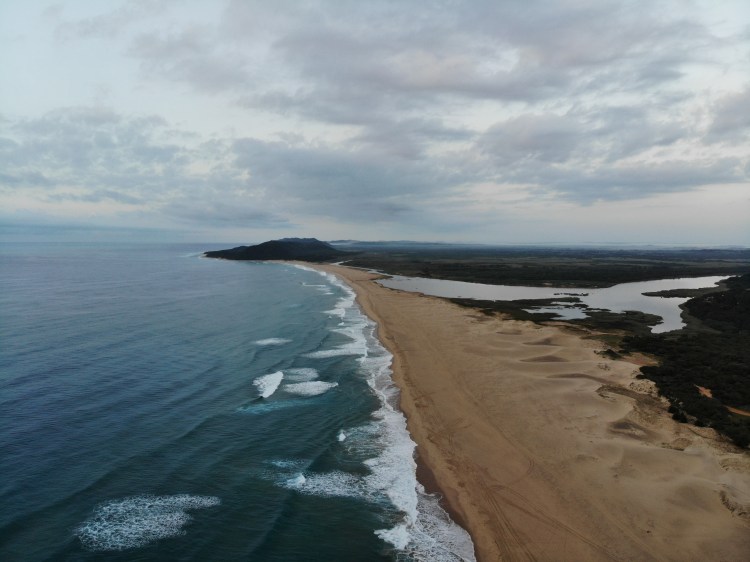
If I walk towards Maphelane I can see the tallest vegetated dune in Africa rise from the shore. This dune is situated on the south bank of the iMfolozi River mouth. At its base of the dune is a bay, and sheltered by this immensely tall, forested sand dune is a low reef, which is largely exposed at low tides. This provides a sheltered place for swimming and snorkeling. You can easily walk there from St Lucia beach; it is only a 3km from the boardwalk. Worth doing early in the morning as the sun starts coming up, a climb to the top of the dune for some magnificent views, and a quick swim before walking back to St Lucia to begin your day. The fishing is also known to be pretty good in the area, and the bay is shallow so you often find the boats launching through the surf from there too.
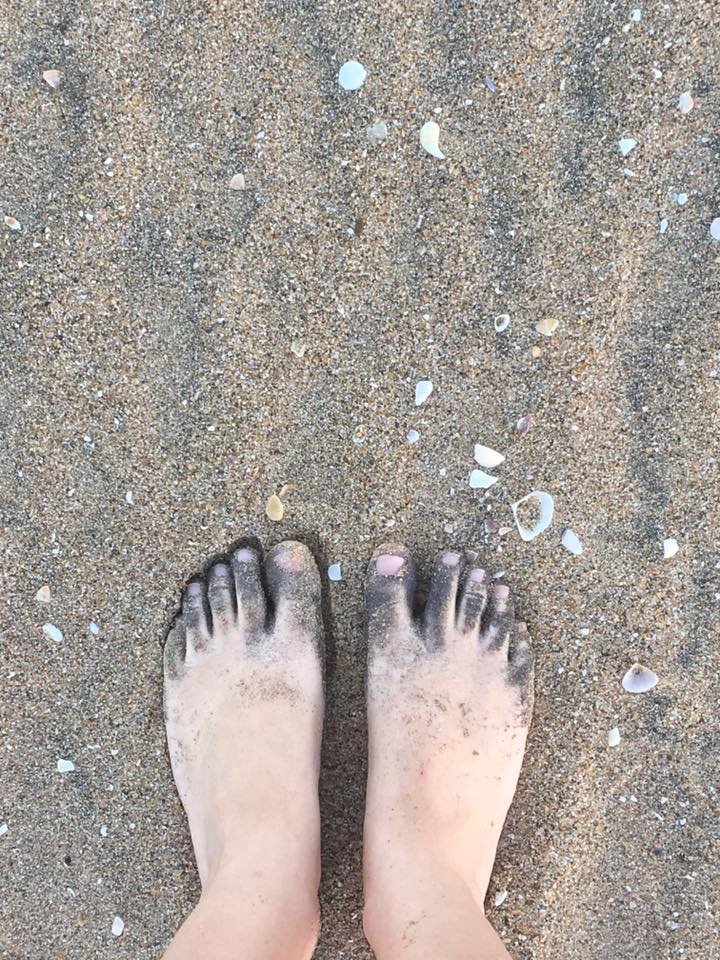
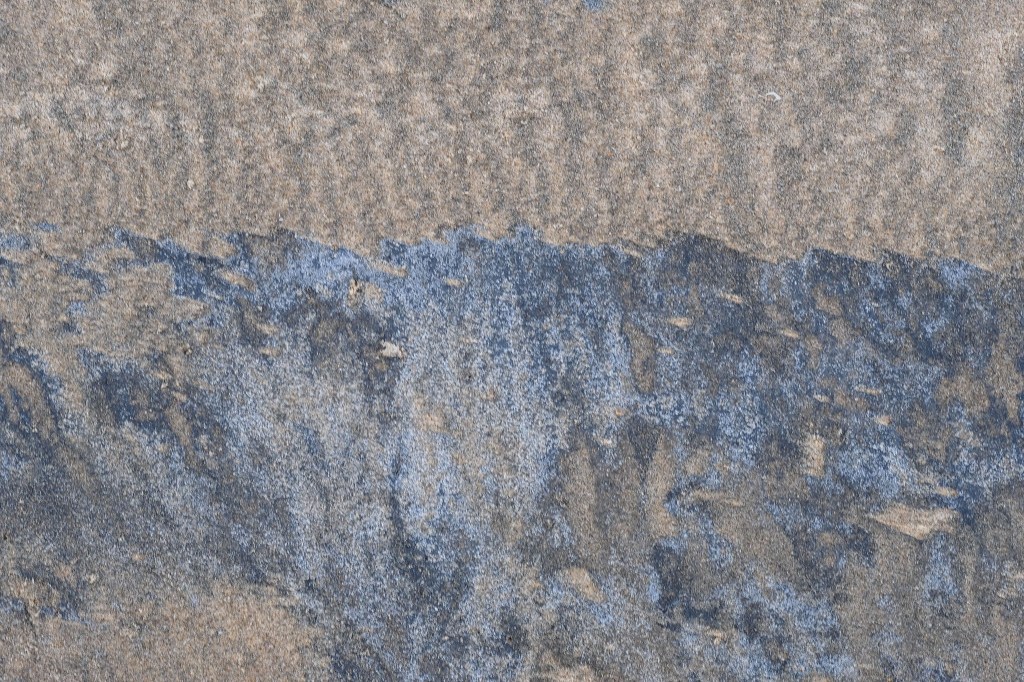
As you walk along the beach you will notice patches of dark sand, almost black in places. It looks dirty, as though oil has been deposited on the sand and stained it. Your feet go a dark grey where the sand has stuck to you. Most beach sand on this beach consists of grains of the mineral quartz. The black is not oil, but rather heavy minerals like Rutile, Ilmenite, Zircon, Garnet, Magnetite, and Monazite which are all hard minerals that are resistant to weathering. Richards Bay Minerals mines 22 of these heavy minerals and rare earths. They are dense, which is why the lighter sand blows away leaving the dark blackish sands exposed. The heavy mineral sands that contain concentrations of these important minerals are old beach, river or dune sands that solidified, and then wore down again. They all originally grew as crystals in igneous rocks such as granite, or basalt and some metamorphic rocks. Over millions of years, these rocks were weathered and eroded. The harder minerals including quartz were washed down to the sea by heavy rainfall, and fast flowing streams and was deposited in the beach sand. Just south of Maphelane they mine the dunes extensively for these heavy minerals and some rare earths, which are used in paint, electronics, alloys and specialized steel alloys.
Thankfully the World Heritage site protects our shores – All 280km of coastline from the Mozambique border in the north to Maphelane in the south. If you want to experience the beauty of this magnificent coastline yourself, book your stay with Eco Lodge, and come and wet your feet in the balmy waters of this pristine part of the Zululand coastline.
 Tourism Tails