As the whale season winds down and comes to an end, so the turtle season begins. Generally, the first part of November is not the best time to witness turtles nesting, but on occasion they can be found and then we take full advantage of this rare event by observing the delicate process of egg-laying. Once the season starts in earnest, turtle tours are the best way to interact with this ancient “marineress”.
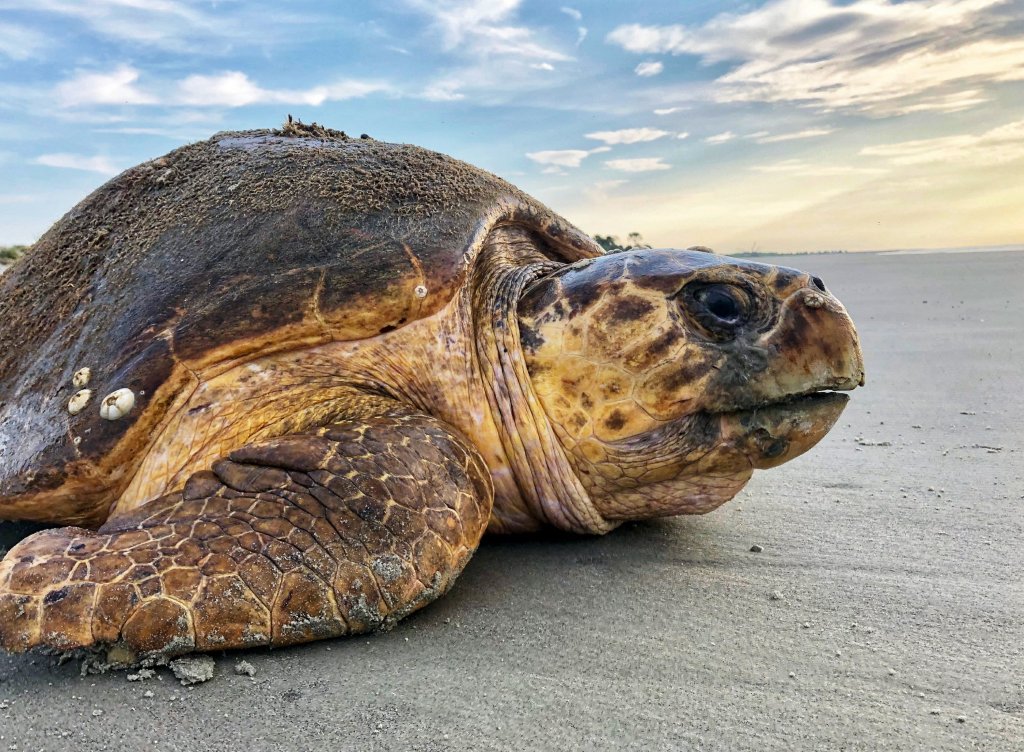
To get a full understanding of this human/turtle interaction it is necessary to briefly discuss the whole nesting process. Witnessing a nesting turtle takes patience and an understanding – they appear when they are ready. Generally, after dark the females arrive in the surf zone either two hours before or two hours after low tide. Slowly in the dark, balmy night they huff and puff their way up the beach until they seem to reach the correct nesting location. If they decide it is the wrong location, they simply return to the sea and return elsewhere to find another spot somewhere along the beach. This usually take place later in the evening.
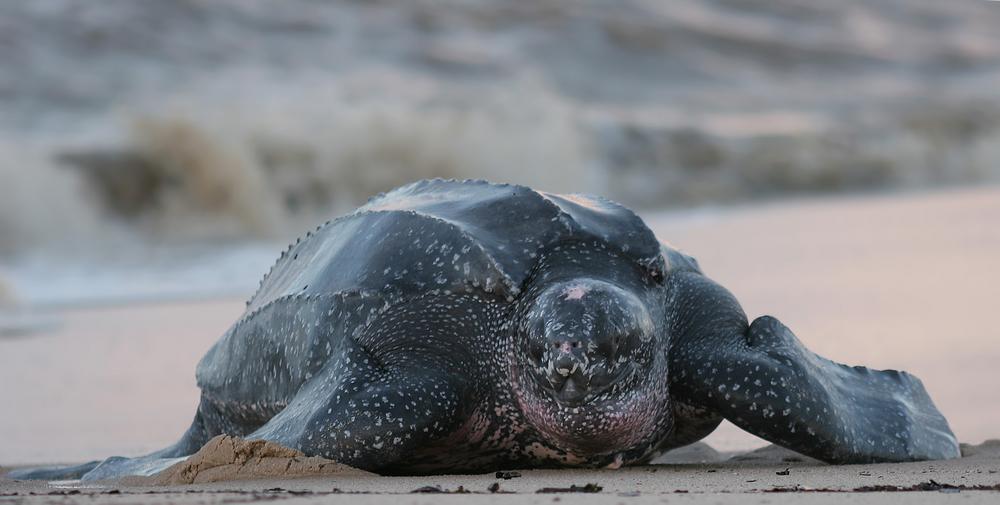
Once a female turtle has found a suitable location, she will prepare the site for digging an egg pot or chamber. Egg laying starts shortly thereafter, contractions are visible as she gently lifts her rear flippers a cm or two prior to depositing between one and four eggs. When the ovipositor descends – we know it is possible to get really close to the female and witness her egg-laying. The female at this stage is in an egg-trance. Something I refer to as a “genetic epidural”. Once the eggs have been laid, she covers the nest hole. Carefully compacting loose sand into the chamber, thereafter flashing sand all over the nesting area to disguise the exact location of the egg chamber. Once complete she heads back to the beach, and a gravity free environment – the dark warm enticing Indian Ocean.
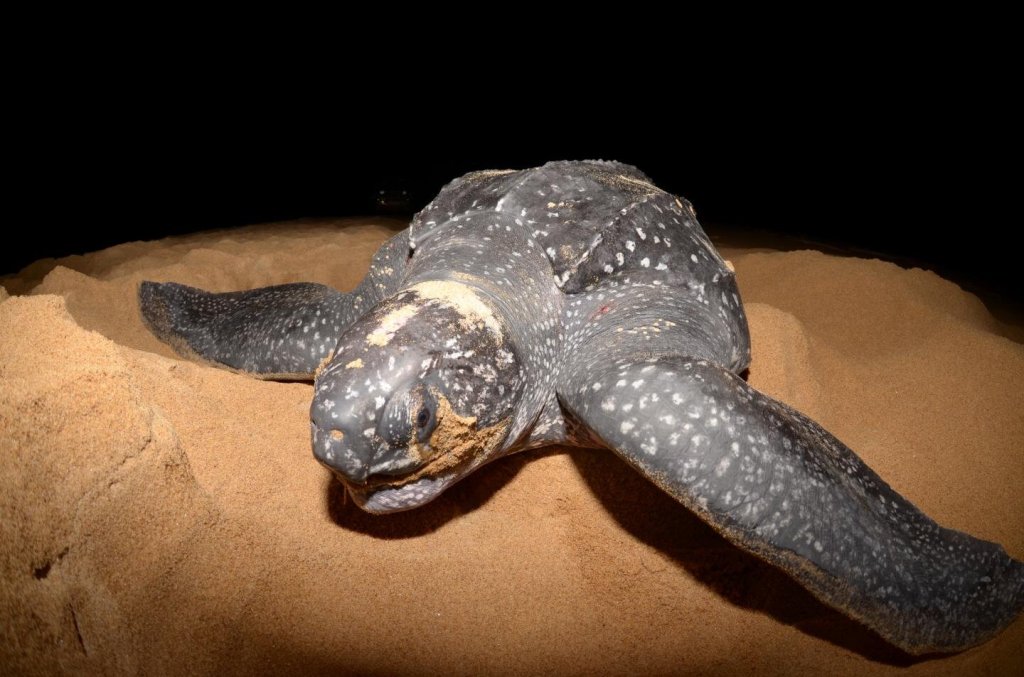
On one particular night we were fortunate enough to see it all. We arrived as a giant leatherback emerged and two and a quarter hour later, we witnessed her departure. Most people are stunned and silenced by this ancient ritual. However, in this particular instance a voice came from the back of my group and asked: “How would you know if that was a male or female turtle”. Surprisingly questions like this among guests are frequent after witnessing something so profound. It is more a desire to connect and express an emotional state, which often comes out in the “wrong question” like this one did.
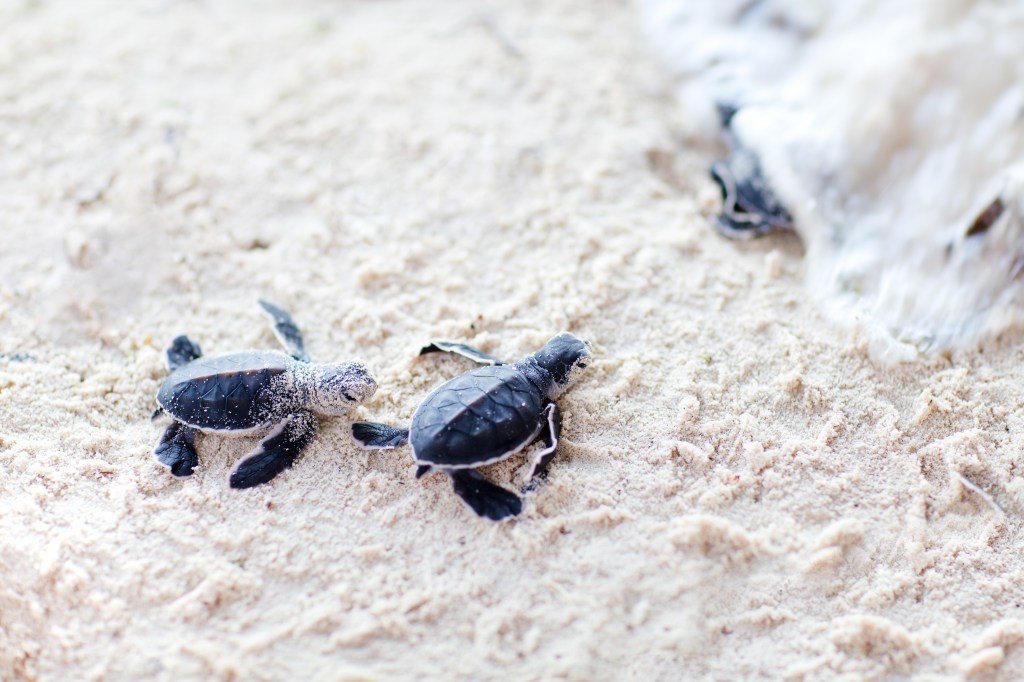
We walked back up the beach humbled and in awe of what we had just witnessed.
 Tourism Tails