A brief A to Z of animals in iSimangaliso Wetland Park looks at a small selection of fascinating animals that can be found in the area. A daunting task considering the long list of beasts one can stumble across on foot, and in a vehicle when out and about exploring St Lucia. For those of you who would like to try checking these animals off your must see list join us on one of our ShakaBarker tours…
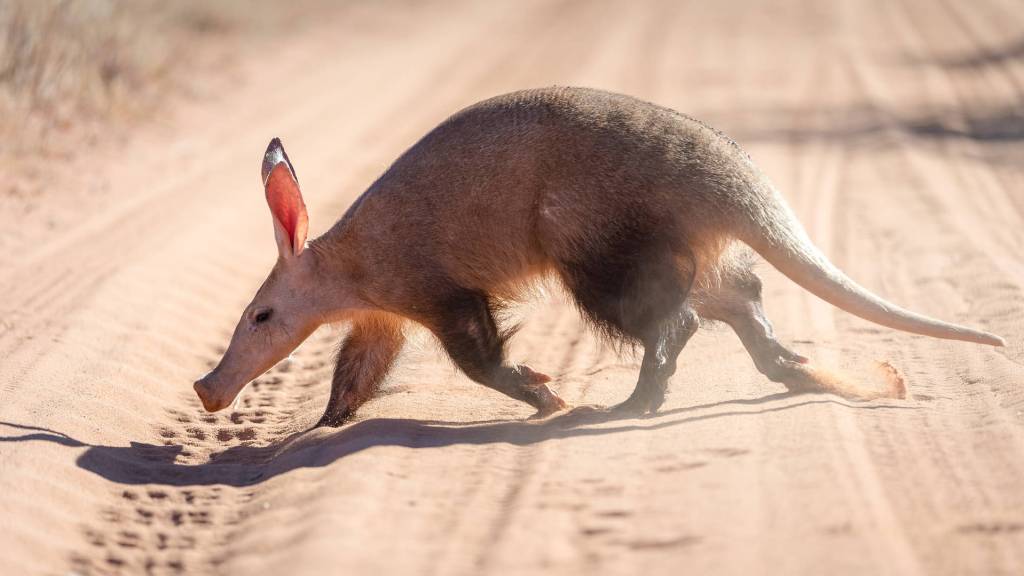
A – Ant Bear. The more traditional and affectionate name is Aardvark – a very useful bilingual translation, maintaining a double A.
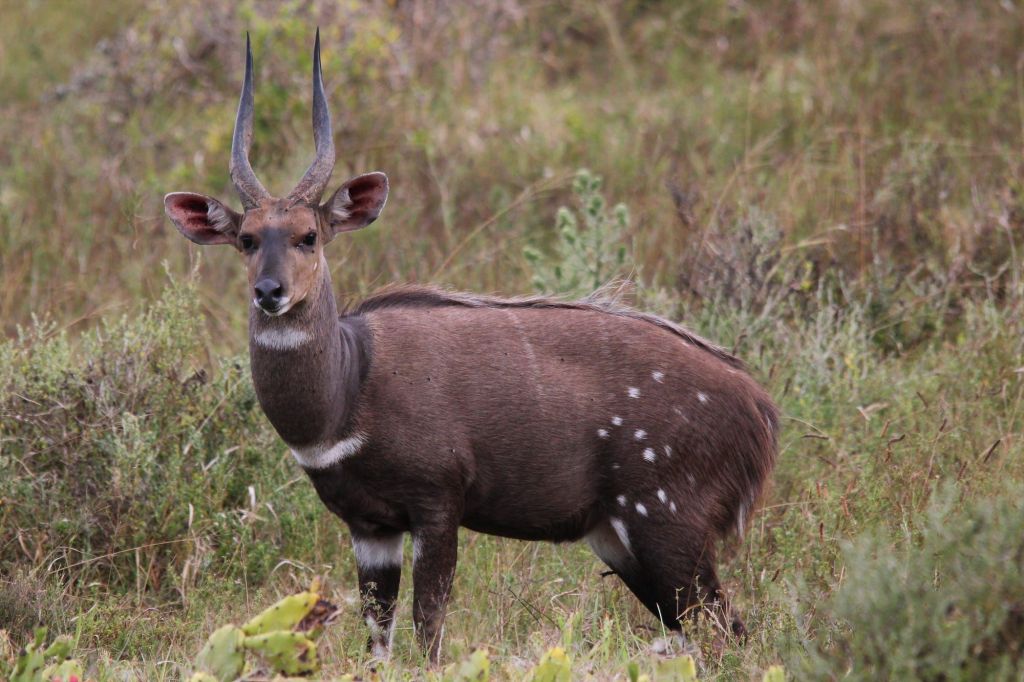
B – Buck, and I will opt for Bushbuck- a double B here.
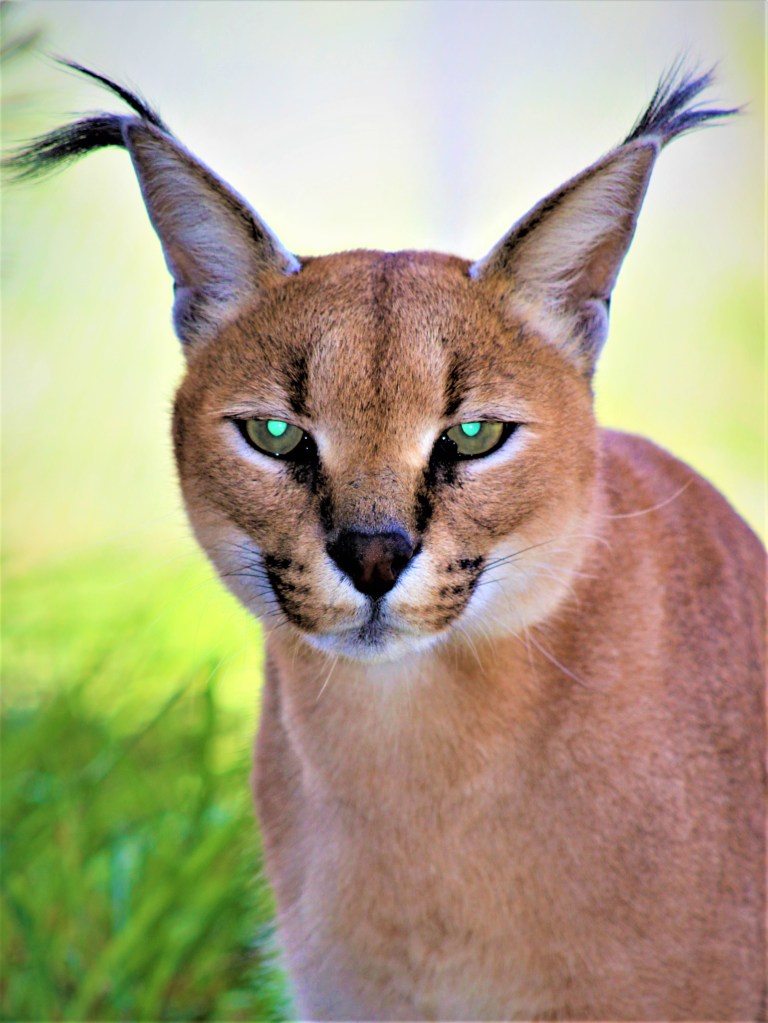
C – Caracal, not your average household cat. A few on the Eastern Shore but more prevalent on the Western Shore. Yes, you guessed it right, Caracals are cats – CC!
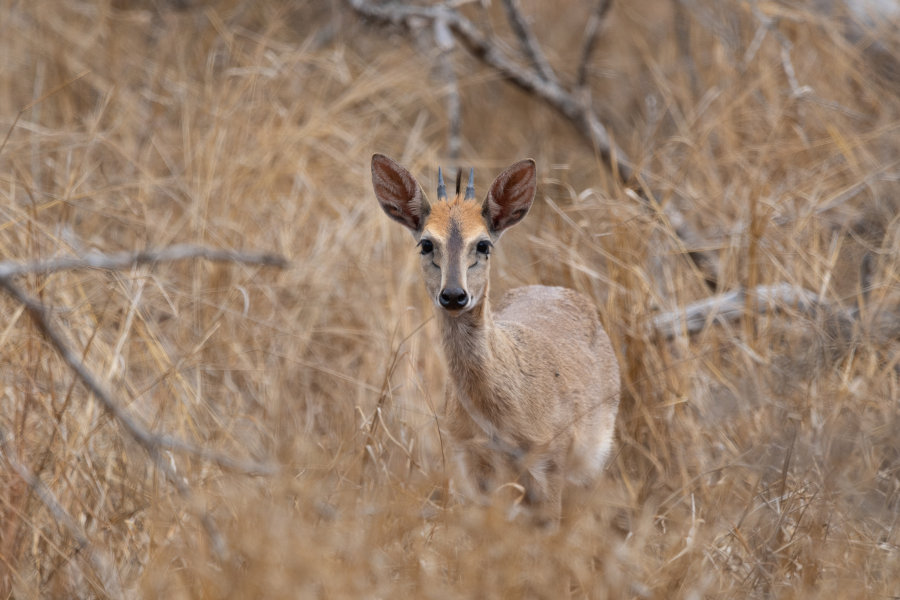
D – Have to take Duiker on this one. This species is well represented here, with grey, blue and red duiker.
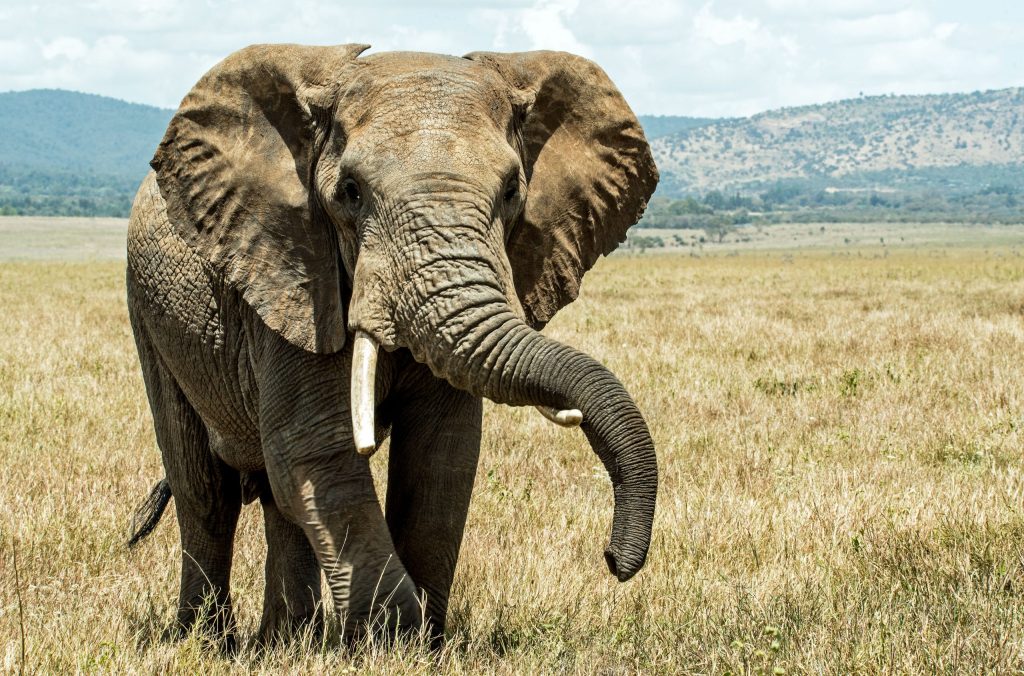
E – Elephant, they seem to be more prevalent on the Western shores, but do cross over to the Eastern shores quite regularly.
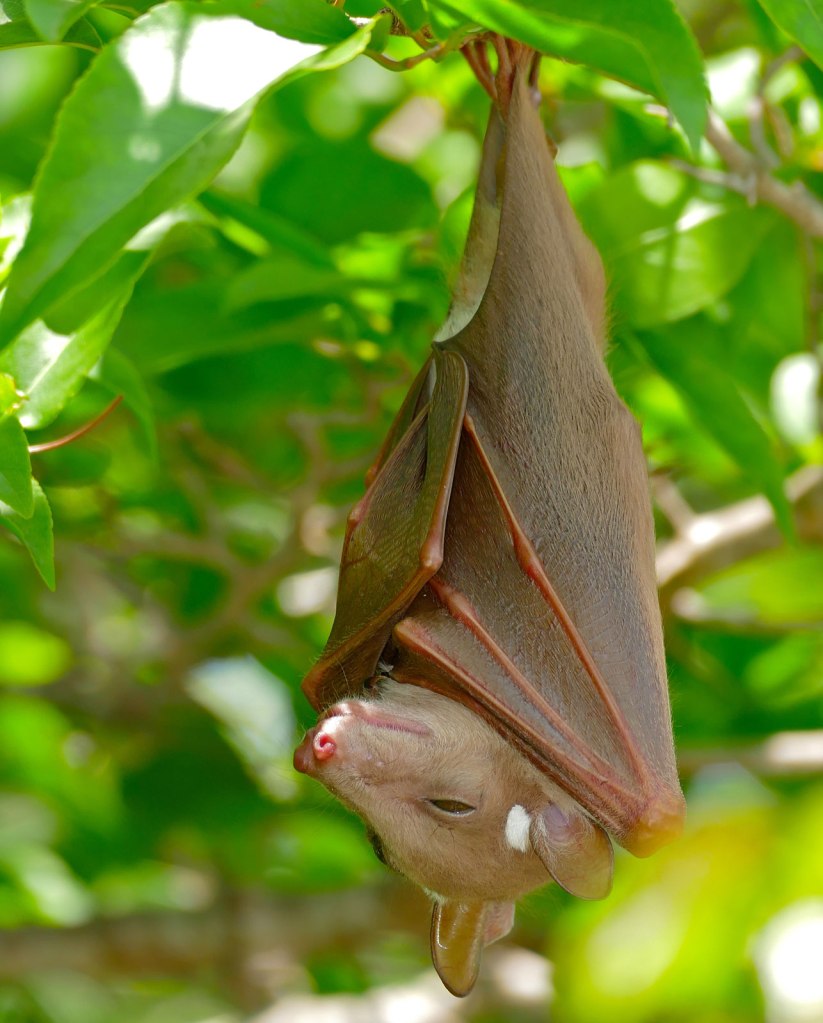
F – Fruit Bat. Yes, and there are plenty, go take a hike to Bats Cave near Mission Rocks, a estimated 4000 will greet you on entering this “On- the- beach- Cave”.
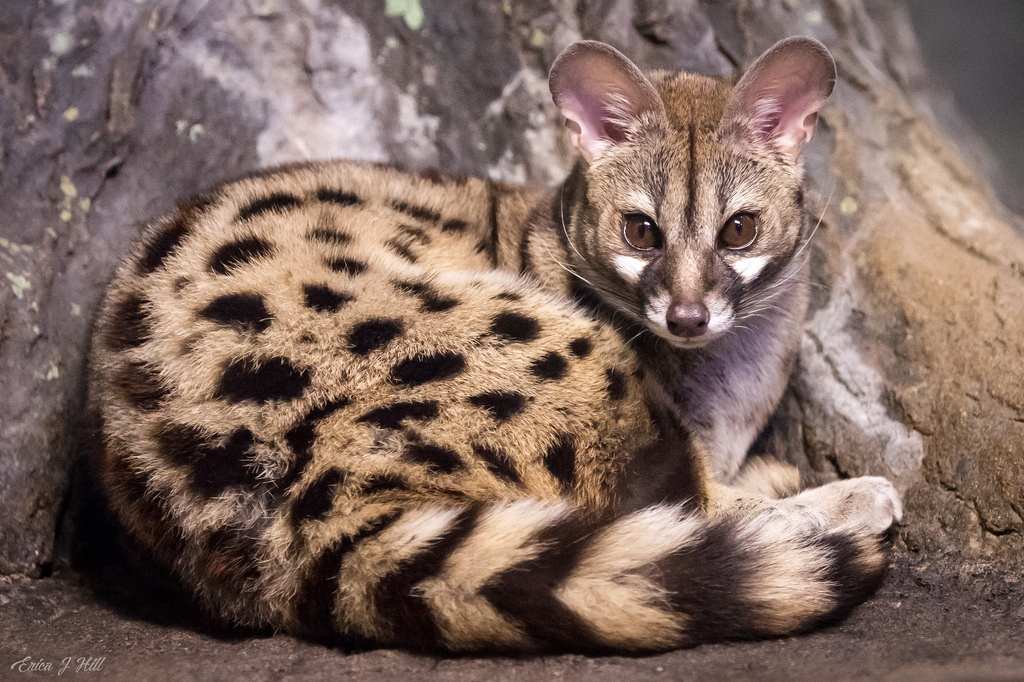
G – Genet, a cunning little creature, cat-like, but in fact related to mongoose. Presently easy to see on the ShakaBarker Chameleon Night Drives. They are much easier to spot when the grass has been burnt in the southern area of the GSLWP, close to the Croc Educational Centre.
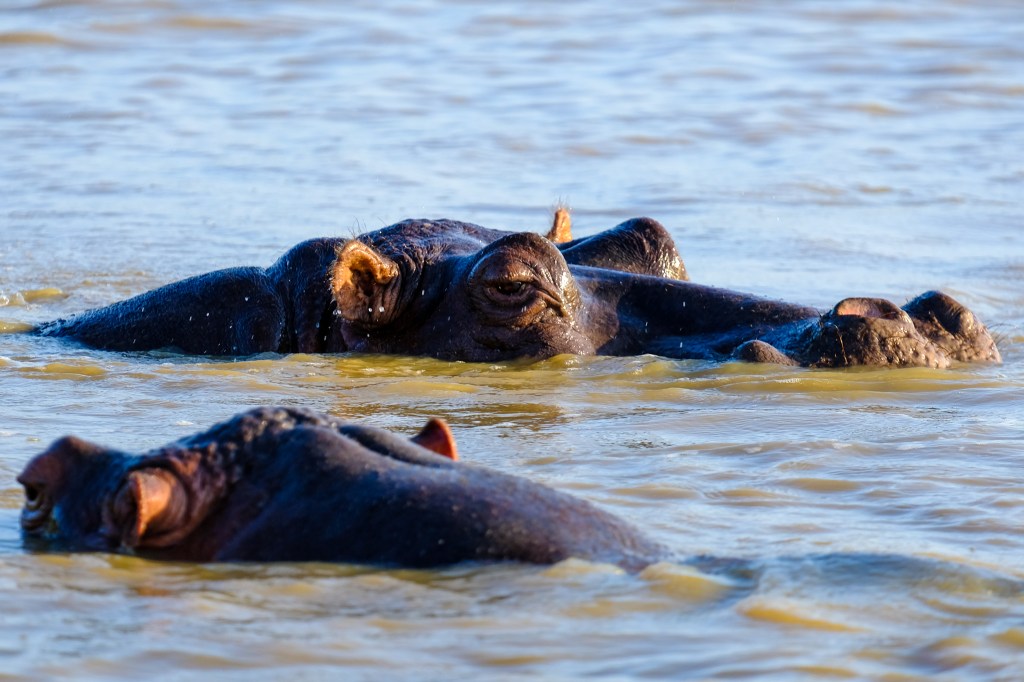
H – No guesses what my choice for H will be. Our local lake resident and informal town lawn trimmer – the Hippopotamus!
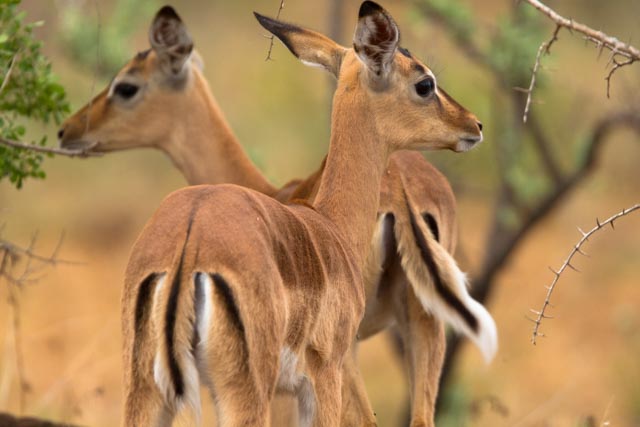
I – There is not much of a choice here, either Impala. Although there are not many, and all located in the area of the iPhiva hiking trail.
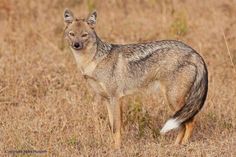
J – Jackal, in particular, the Side-striped or Silver Jackal. (silver)
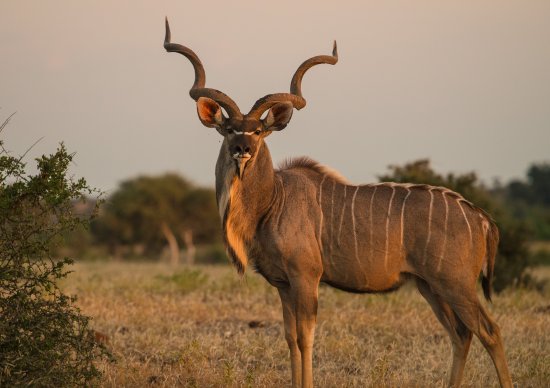
K – Kudu, an extremely handsome buck. The males have magnificent long, spiral horns.
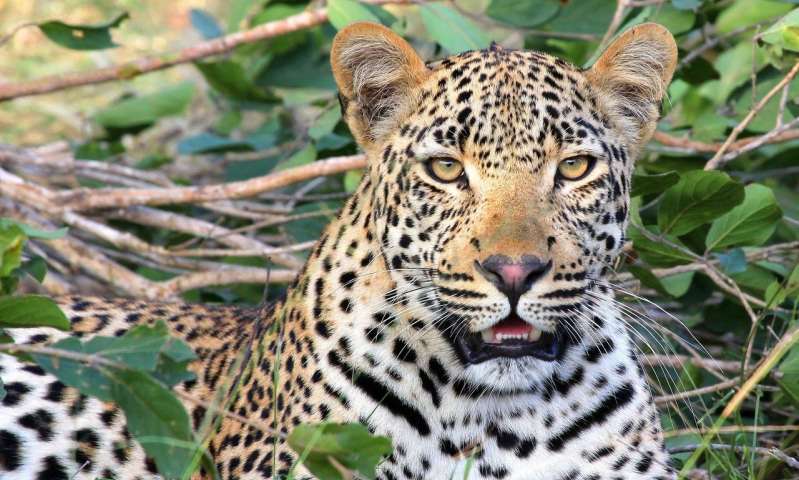
L – This one would definitely have to be Leopard. if I ever decide to draw up a list of the most elusive and highly sought-after animals it would be this magnificent cat.
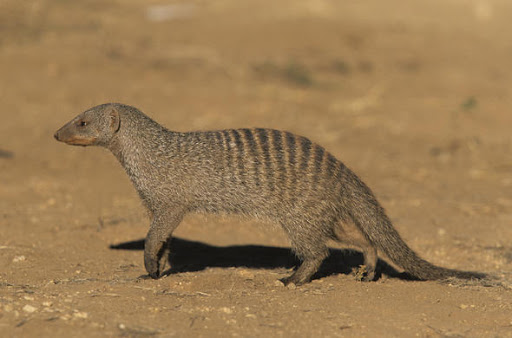
M – A bit of a toss-up here, between monkeys and mongooses. I am rather partial to the mongoose, so they get my vote. The main species- or the most visible species- would be the Banded mongoose. And a random fact for those that might be interested – Mongooses or mongeese are both considered acceptable plurals according to Websters in spite of what your computer spellcheck may scream at you!
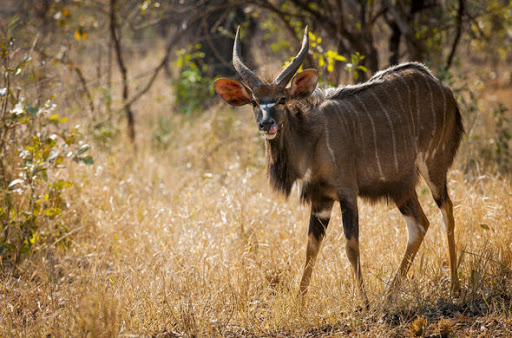
N – Nyala, an easy one, although they are no longer found on the Eastern Shores. During the afforestation of the Eastern Shore with pine trees, the Nyala where removed. But there are plenty on the Western Shores, for example: False Bay and Charters Creek.
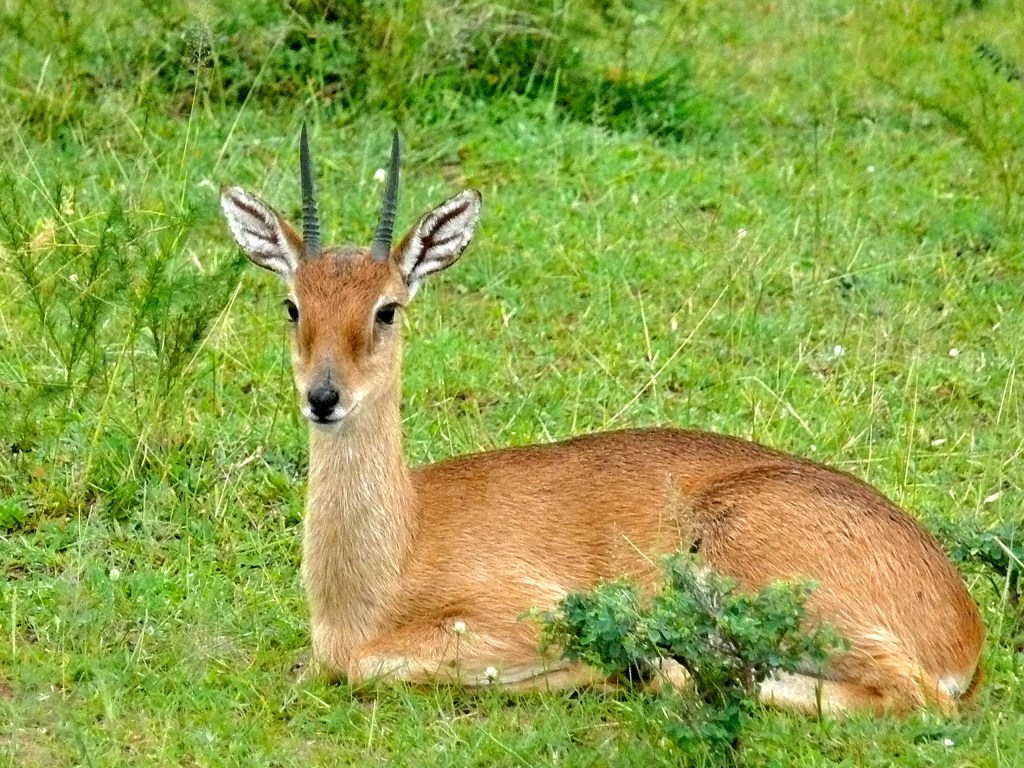
O – Oribi – There was a small population introduced fairly recently on the Eastern Shores. Status – uncertain. However, they were monitored for a number of years to see how they were settling in this area.
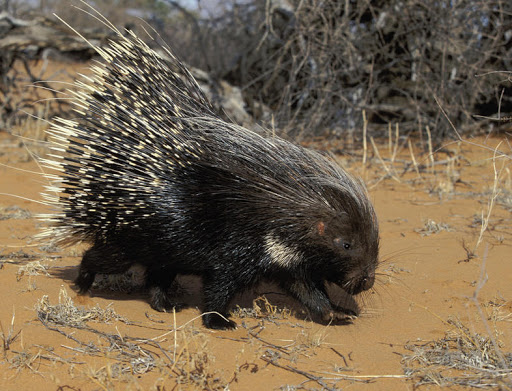
P – The obvious choice here is the Porcupine. This is a “Rodent of unusual Size, heavily protected by pointed javelin hairs, and not a cuddly pet, but a night drive favourite. (SA porcupine)
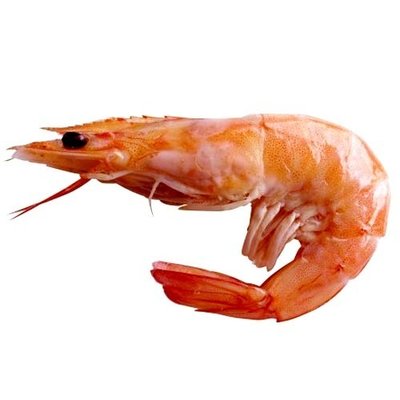
Q – Reaching the end of my “A to Z” of animals in the GSLWP was a bit of a daunting task, as I realised there were going to be a few alphabetical snags, especially with Q. Queen Prawn comes to mind, something we are all familiar with, so we will just have to stick with Queen prawn/s with extra garlic, for now, plenty of those to be found in the local St. Lucia restaurants!
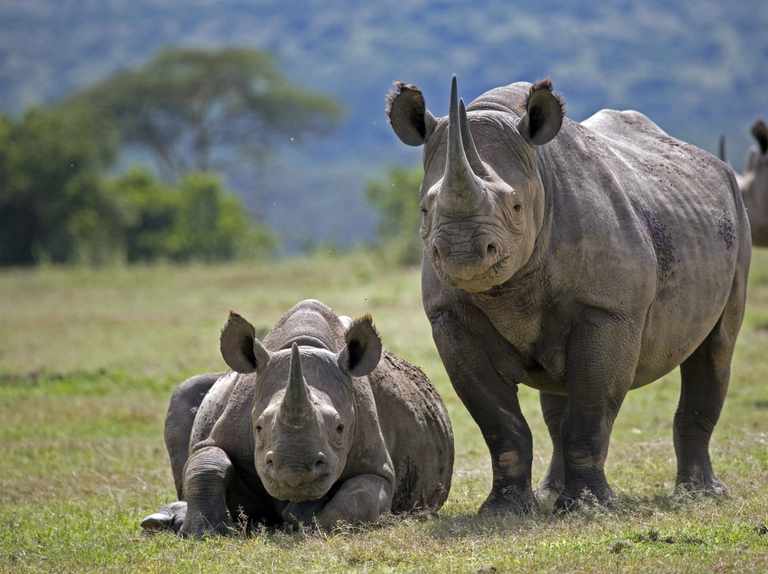
R – Rhino, white. Easy Big Five choice. Sadly to protect them from poachers all our GSLWP rhino have been dehorned.
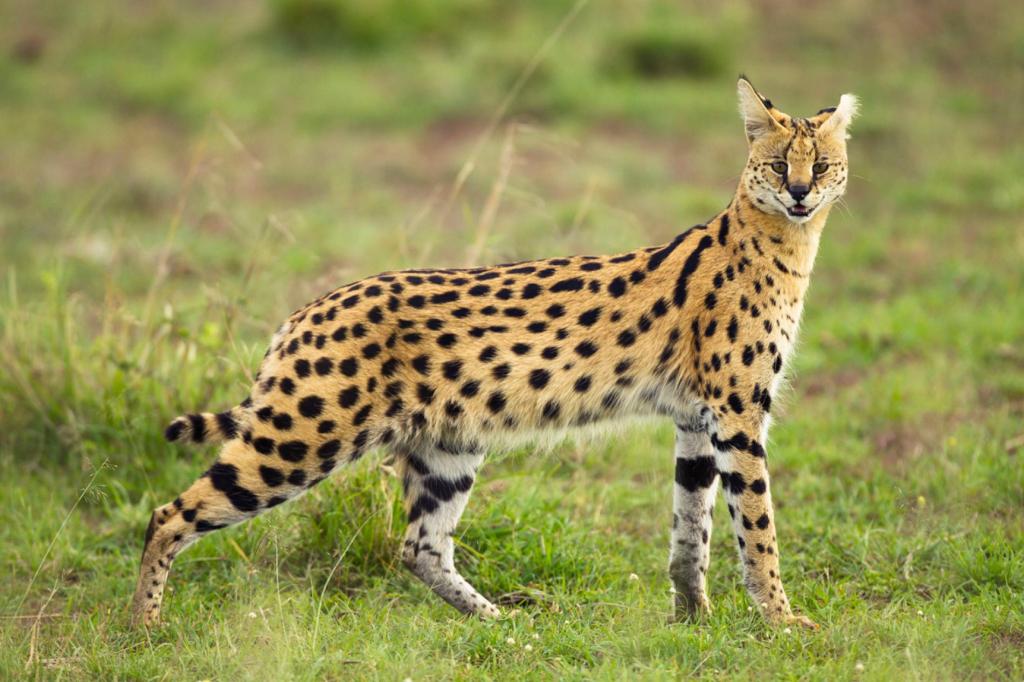
S – The Serval cat – Smaller than the leopard, and very agile and active. Hunts small mammals and birds.
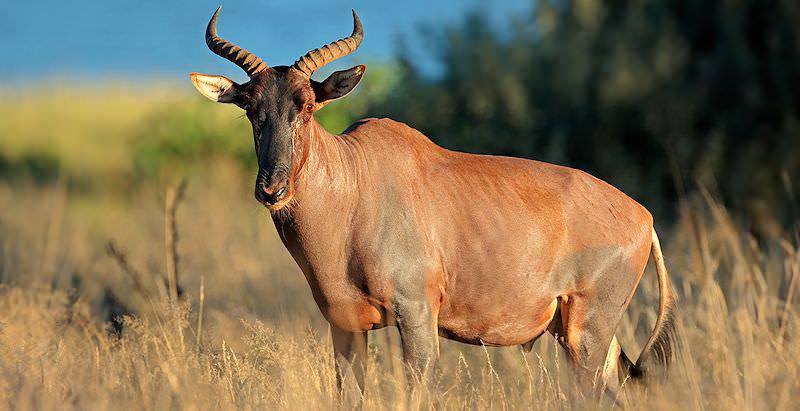
T – Tsessebe, a good one and apparently, when the lake level was rather low, some sneaked across the lake and settled on the Eastern Shores. Turtles also come to mind here…
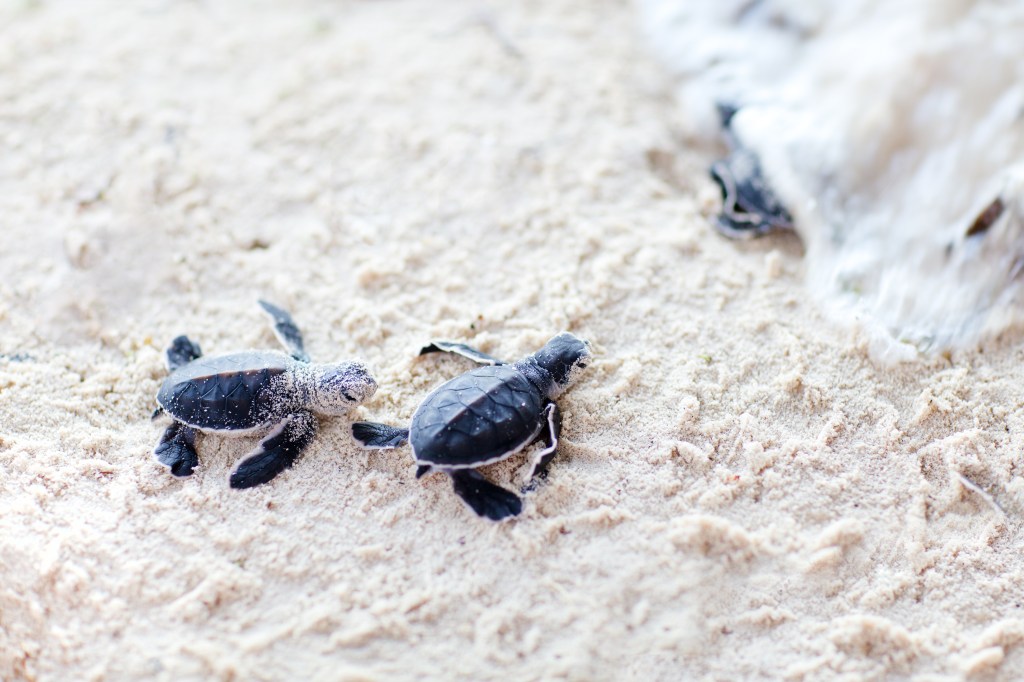
U – “U” seems to be presenting the same problem as “Q”, although there is a baboon-like ape called the Uilapie (eng – Owl Baboon); this ape only occurs in Central Africa. Closer to home is the generic or genus name for the Fiddler crab – Uca. Once again helped out by the crustaceans – though you will find no garlic butter here.
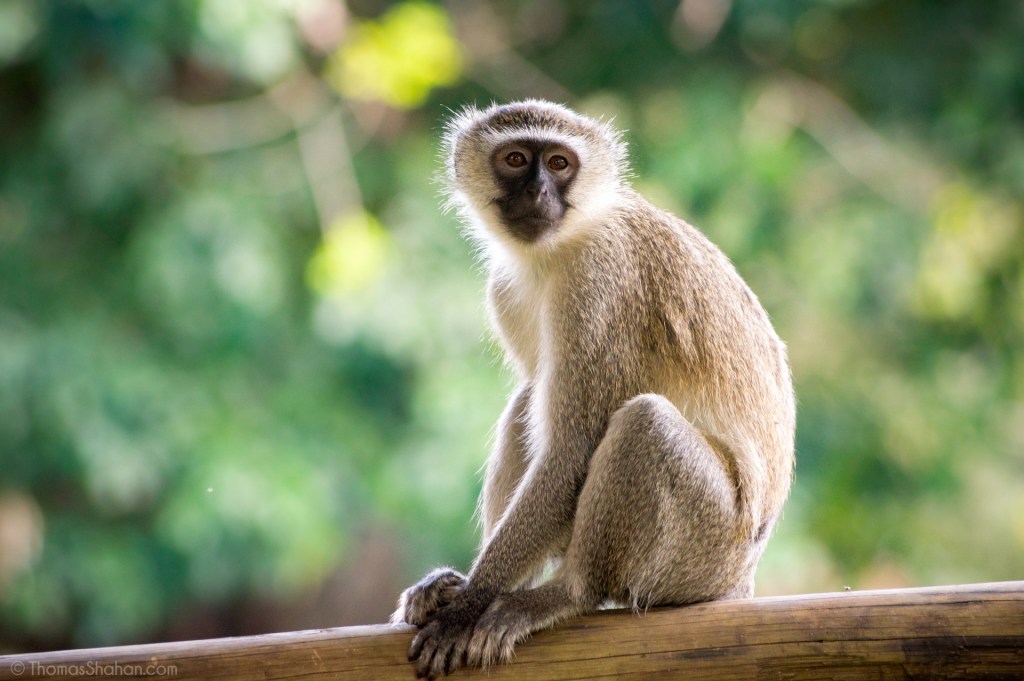
V – Vervet monkeys get this slot, not because they are a favourite, but by default, as there is nothing else available.
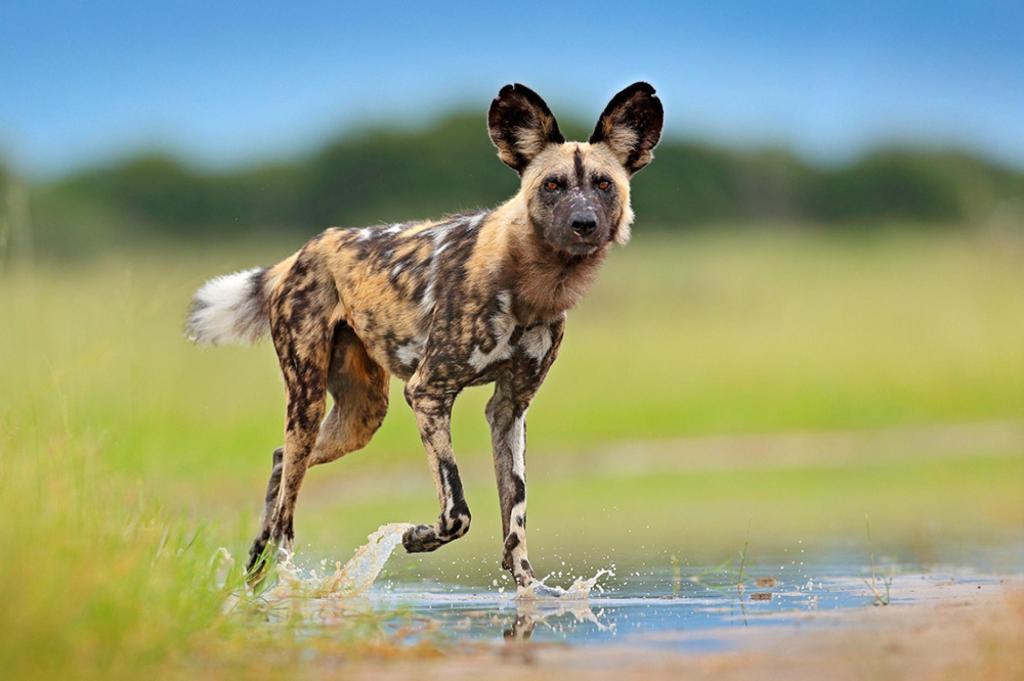
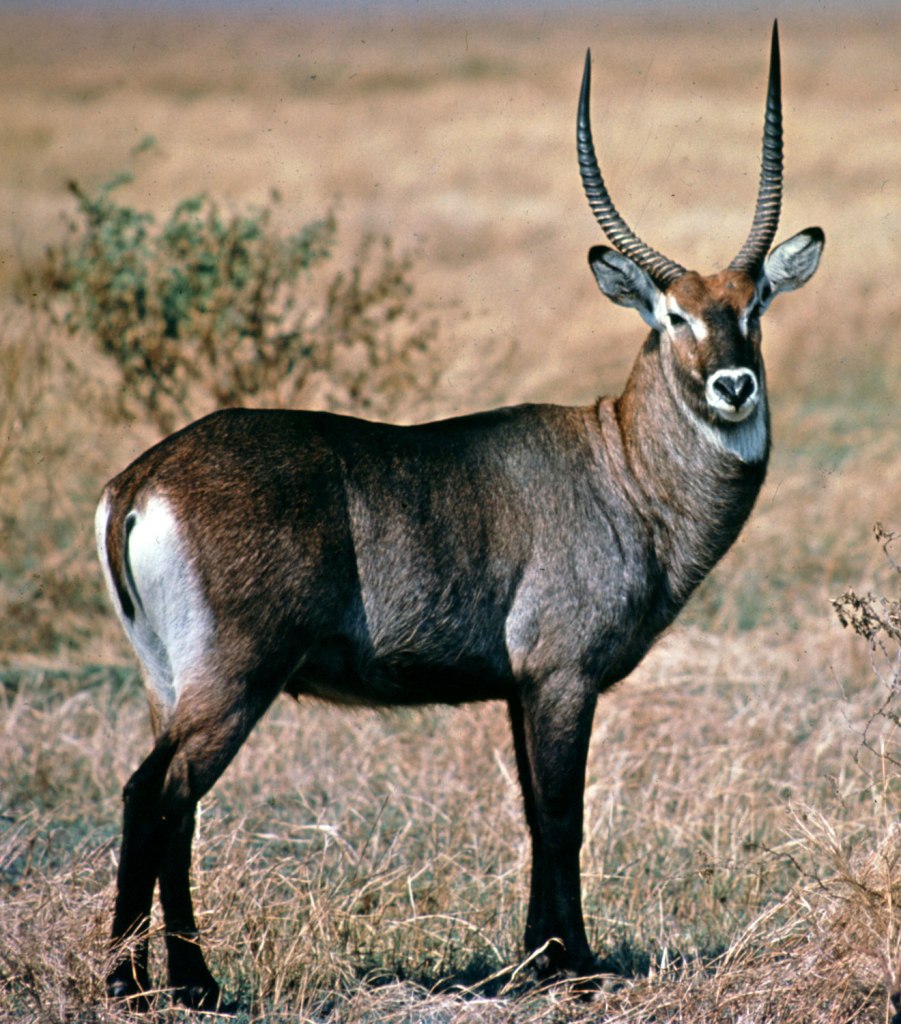
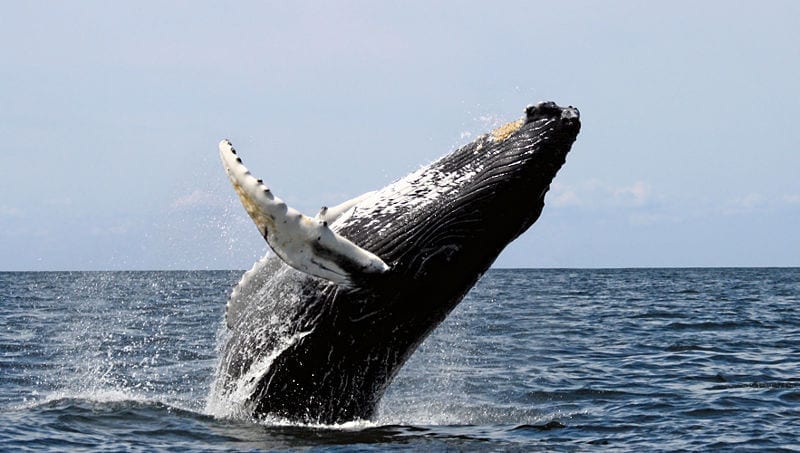
W – Wild Dogs, Waterbuck or Whales to name a few – all good choices so I have decided to leave it as WWW.
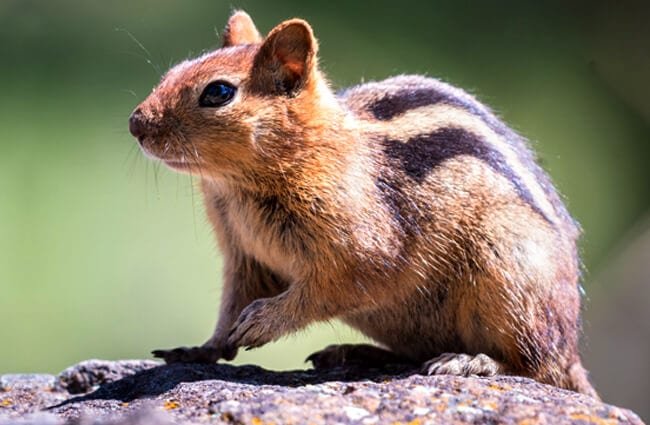
X – Here I will need to investigate something further afield. Just as I thought there was no hope, I found a listing of one mammal with the scientific name of Xeris inauris – which is the ground squirrel.
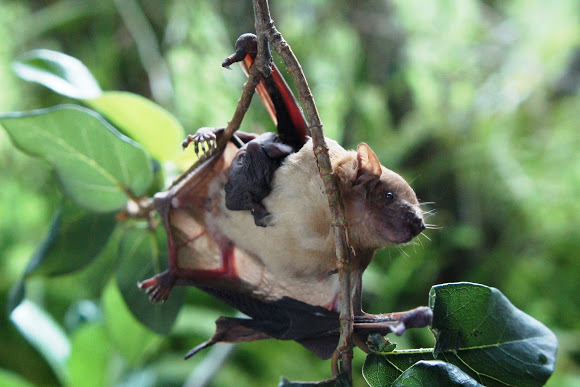
Y – Yellow House Bat, just scraped in on this one.
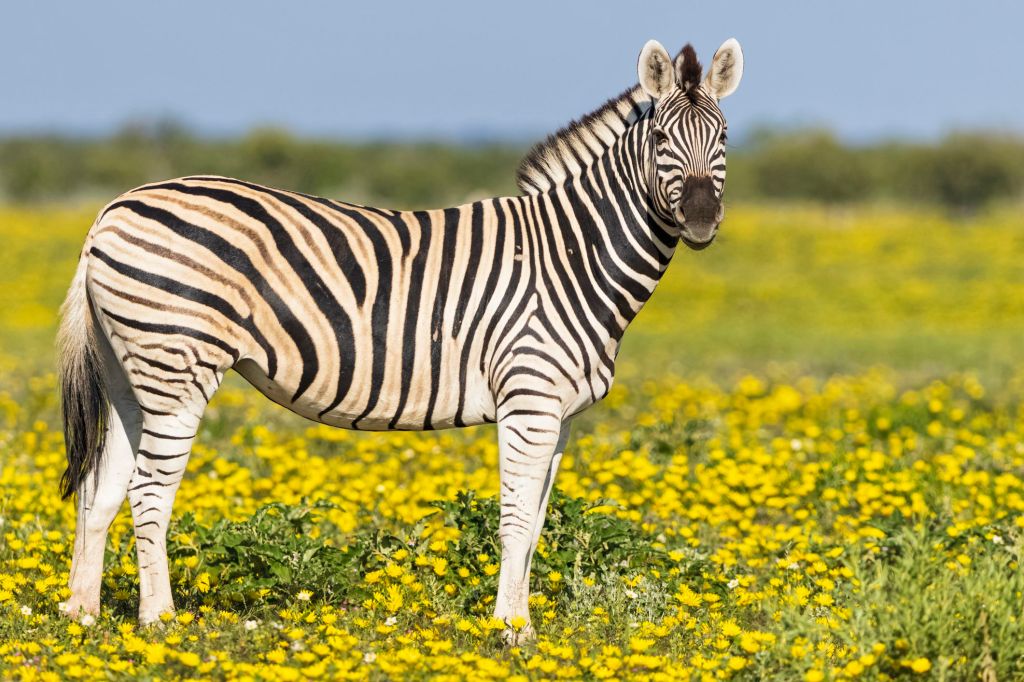
“Z” – is for Zebra!
 Tourism Tails