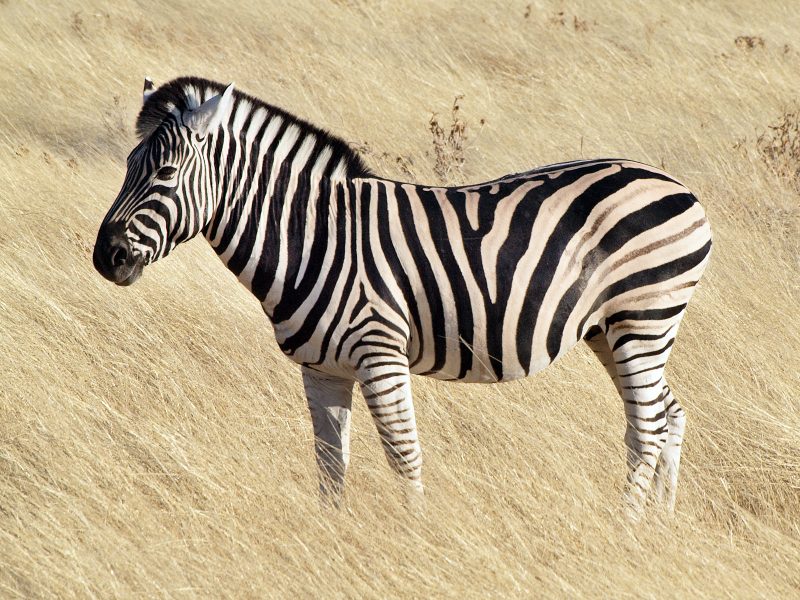
Donki ko lo football jersey is the fanagalo name for a Zebra. Appropriately descriptive when you look it their black and white chevron like coat. Fanagalo is the linga franca language once used in the South African mines, composed of frequently corrupted elements of the Nguni, English and Afrikaans languages. No guesses how the term zebra crossing was coined when referring to the black, and white striped pedestrian crossing on roads, giving pedesstrians right of way. A uniquely visual name for a very African animal.
Zebras are native to Africa belonging to the same genus as horses and donkeys. They are commonly thought to have white hides with black or brown stripes, since the stripes end at their tummies and the inner side of the legs, which are white. However, zebras have a black skin under their white coats! So the question is; arezebras black with white stripes or white and black stripes? Much like the question… Which came first, the chicken, or the egg… a perpetual debate that may never have an actual answer. The reason for zebra stripes has been debated for over 150 years and is likely to continue for another 150.
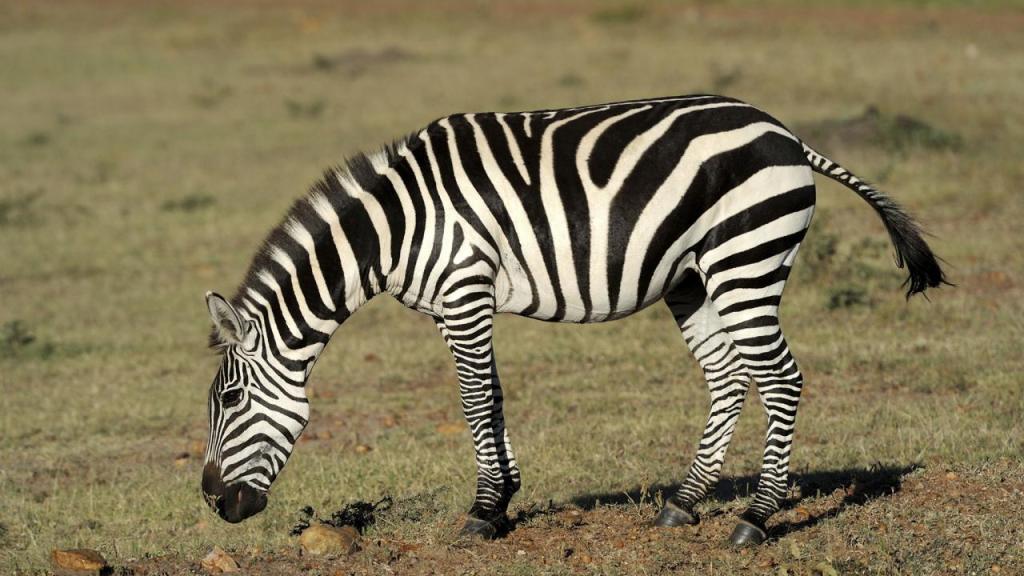
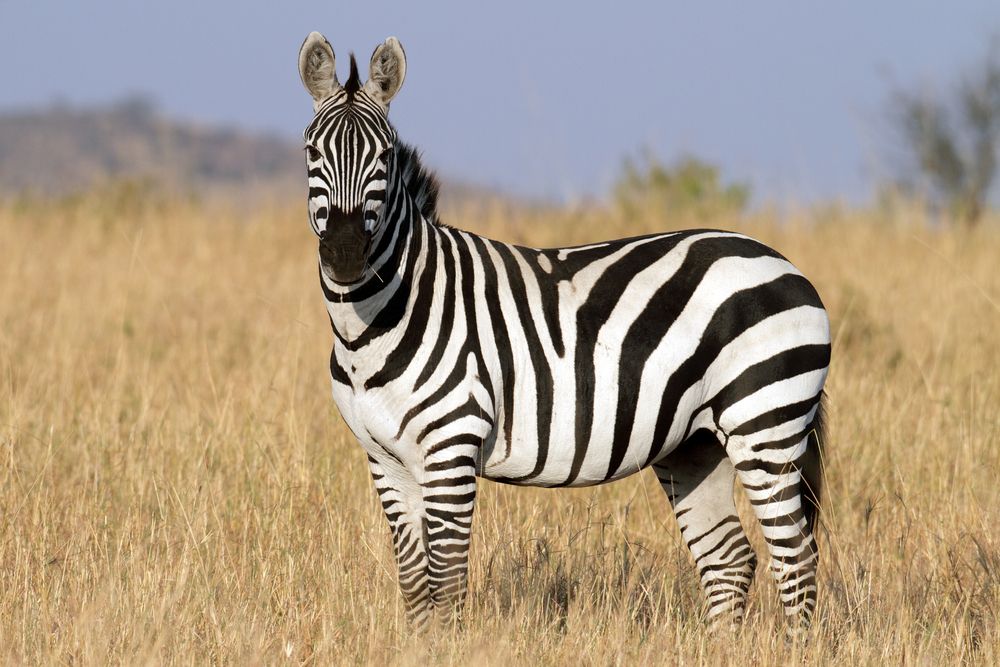
Zebras are rather fascinating animals. Their black and white pyjamas are highly recognisable, and make them stand out in the African savannah. Or do they? It is thought that the zebra’s stripes work as disruptive colouration. The idea being that when zebras stand together this confuses the predator, and it becomes harder for predators to determine how many zebras there are in the group. The stripes are also believed to appear unattractive to smaller predators that only recognize large areas of one coloured fur, such as bloodsucking horseflies, which can spread disease. In addition, the stripes may work as a natural sunscreen. It is also thought that the zebra’s stripes may help them recognize one another. What is fascinating is that each zebra’s stripes are unique. Just as no two human fingerprints are alike, no zebra has the same stripe pattern.
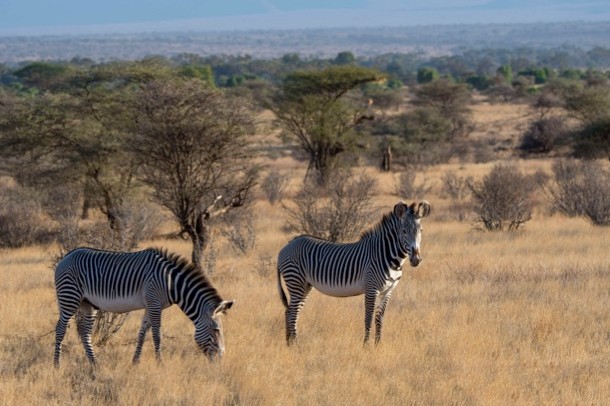
Each species of zebra has a different pattern of stripes. The Grevy’s zebra has very thin stripes. The mountain zebra has vertical stripes on its neck and torso, but horizontal stripes on its haunches. Some plains zebras have brownish “shadow” stripes between the black stripes. Yet beneath these black and white stripes, zebra look just like horses. They have a blackish coloured skin. It is only their fur that is striped. This is evident in the fouls when they are newborns. Young zebra have only brown markings, their stripes develop later. The skin colouring only fully establishes itself when the zebra reaches 18-24 months.
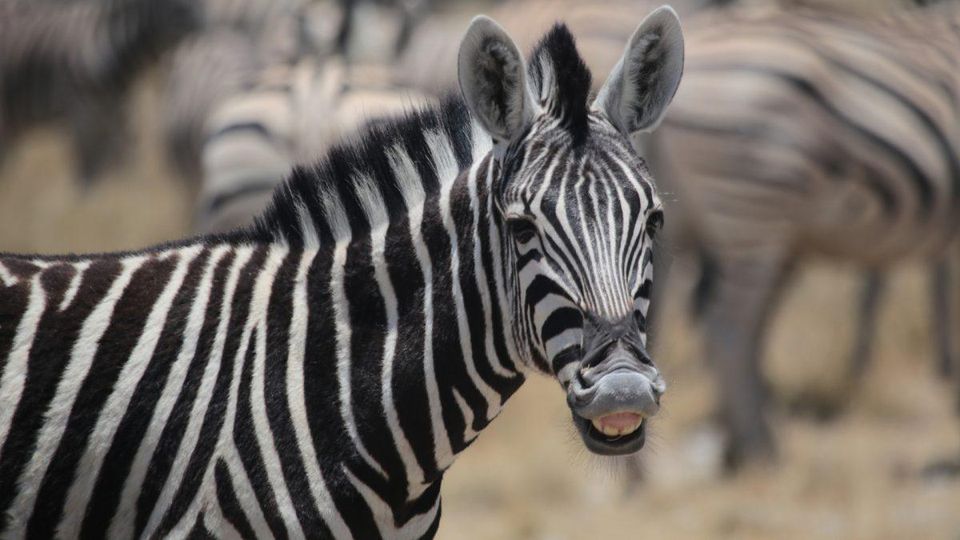
Even after years of debating the question; are zebras black with white stripes, or white with black stripes, there is still no definitive answer. So the option is yours as to which argument you chose to side with. If you would like to enter the debate yourselves and see these uniquely striped equine in their natural habbitat then look no further than the iSimangaliso Wetland Park.
And an interesting little fun fact… Did you know that zebra and rhino are related? Strange but true! The zebra and the rhinoceros are part of the same order (Perissodactyla) and therefore shares a few similarities. Like zebras, rhinoceros are odd-toed ungulates, hindgut fermenters and lack gallbladders. Both mammals are herbivores.
And a little zebra humour to end this blog with.

 Tourism Tails