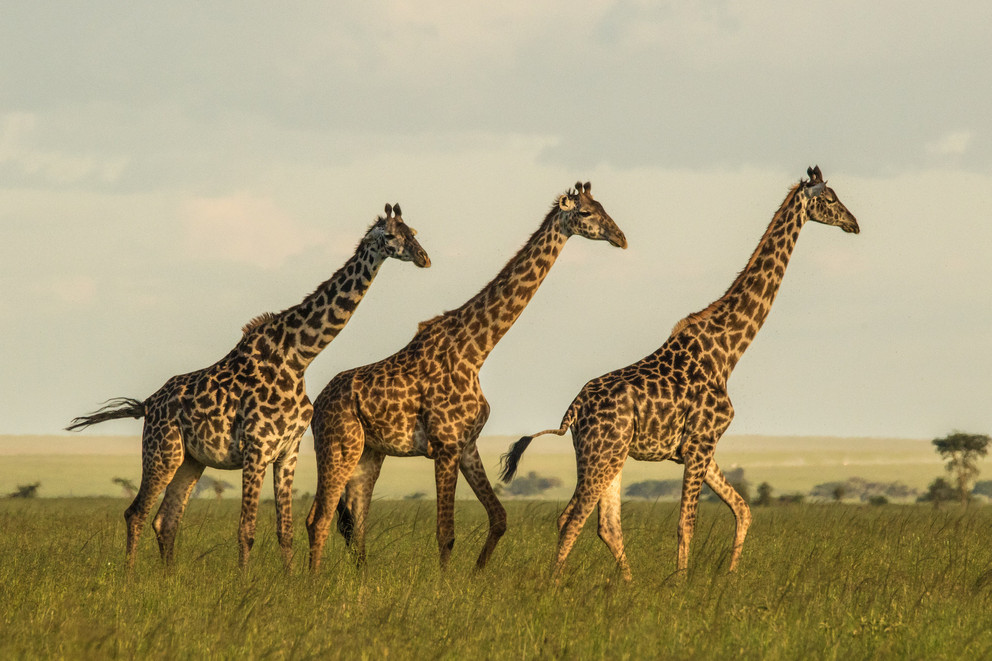
A journey of giraffes is such a fitting description for the undulating wave a large collection of giraffes make when travelling together in one direction. These majestic and graceful animals can be found in the Western Shores of the iSimangaliso Wetland Park. Sadly they are a species on the decline in Africa.
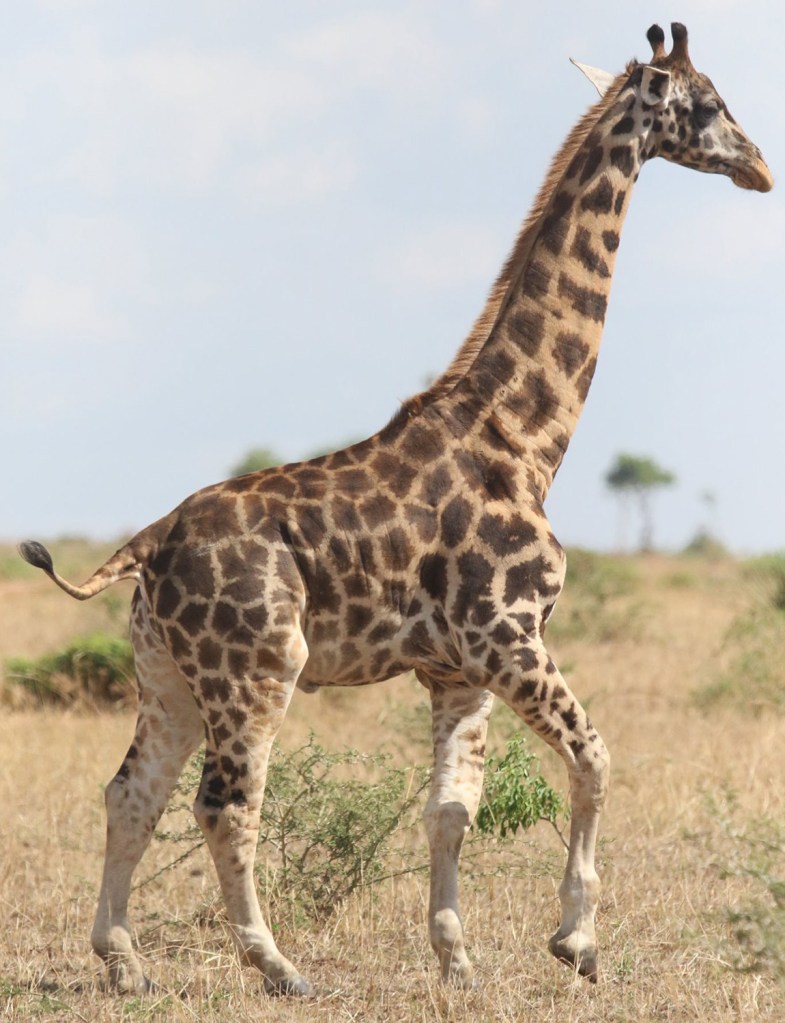
Over the past thirty years the overall giraffe population has declined by about 40%, and as a result there are now under 100,000 giraffe remaining in the wild. The remaining herds continue to face threats from loss of habitat through increasing agriculture, human-wildlife conflict, civil unrest, disease and poaching for their meat, pelt, and demand for their tails (used in traditional tribal dress).
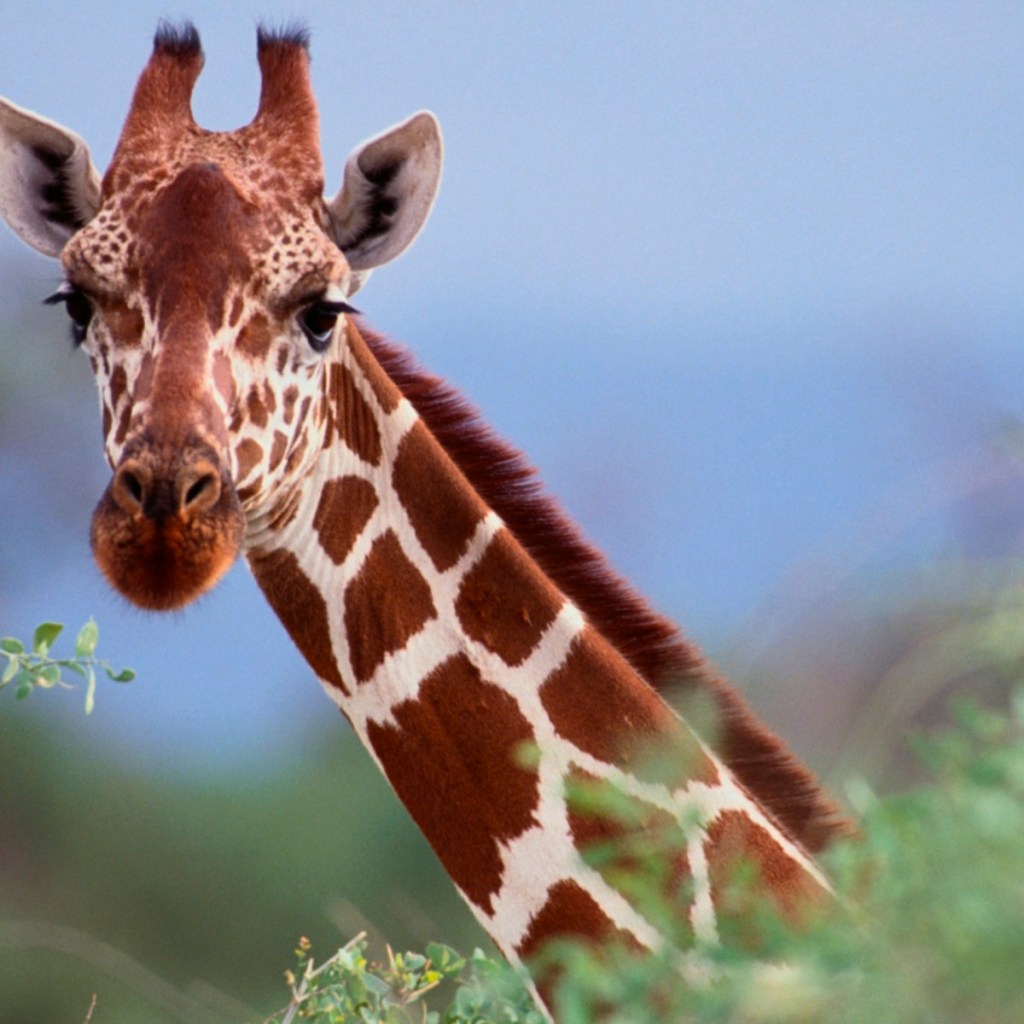
Currently only three of the recognised nine subspecies of giraffe are listed as Critically Endangered. Those in East, Central, and West Africa are coping particularly poorly. The Kordofan have lost 90% of their population since 1980, with only 2000 remaining. Nubian giraffes, of which there are now only 2,645 remaining, have experienced a loss of 98% and now only live on protected lands in Kenya. In reality these beautiful giants are now just one stage away from becoming extinct in the Wild. Putting giraffe on the endangered species list would go a long way to helping their survival.
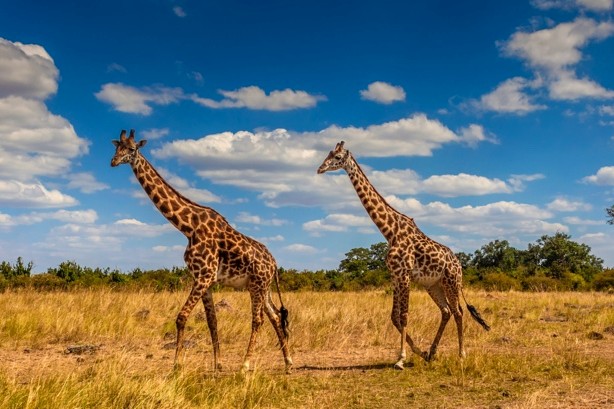
Despite recent precautionary measures from many African governments, such as restrictions on hunting, banning hunting in National Parks, closed seasons on hunting, introduction of license systems; people continue to hunt wildlife illegally. Habitat loss remains one of the gravest issues. The main contributor to the giraffes’ loss of habitat is conversion of forested areas into farmland. Charcoal manufacturing is also another challenge. While local peoples create an income out of charcoal by chopping down the trees and burning the wood to make a form of charcoal, giraffe are fast losing their sustenance to this low-income industry.
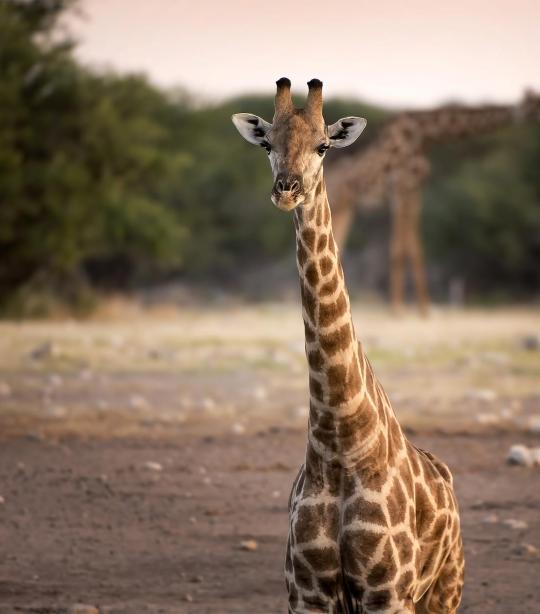
Animals like elephants, rhinos, and lions receive far better protection than the giraffe because the world is very aware that it is illegal for hunters to kill them for their horns or as a trophy. Currently the largest of all the challenges facing many giraffes are that human development and civil wars in parts of Africa are causing them to lose the wide, open savannah spaces they roam.
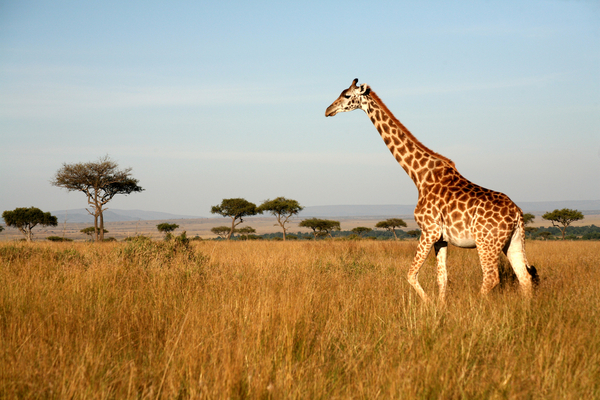
Countries like Niger, and Kenya are very aware of this issue. Niger, a country proud of its giraffes, was one of the first countries where the government applied conservation measures to protect the giraffe. Kenya is also due to pass a draft proposal to protect their giraffe after experiencing some of the largest losses (from 30,000 in the 1990s to 6,500 today). In South Africa, giraffe numbers are rising. Tourists travel to South Africa to see wild animals in their natural habitat. This generates a huge income for the country so it is in the governments interests to ensure the giraffes have the space they need and in the game parks they are afforded some protection from hunters. This type of conservation plan would work well in the other African countries, and if the worldwide community could agree that giraffes are in danger of becoming extinct, this could become a priority and budgets would allow for money to be spent protecting them and their habitats.
 Tourism Tails