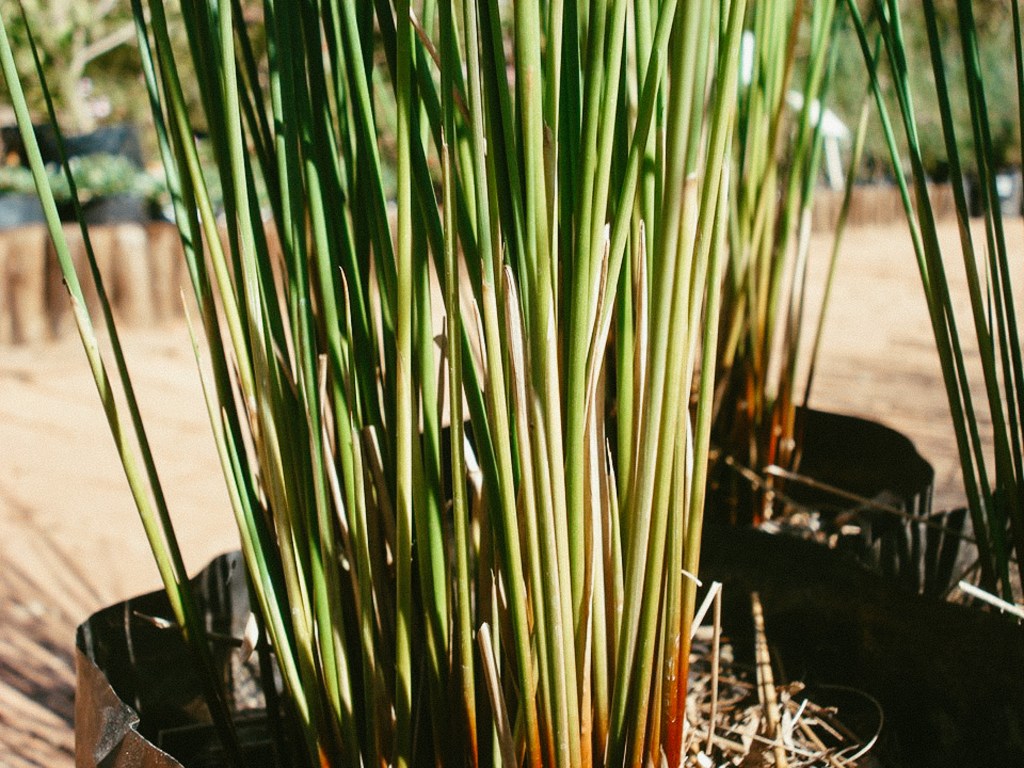
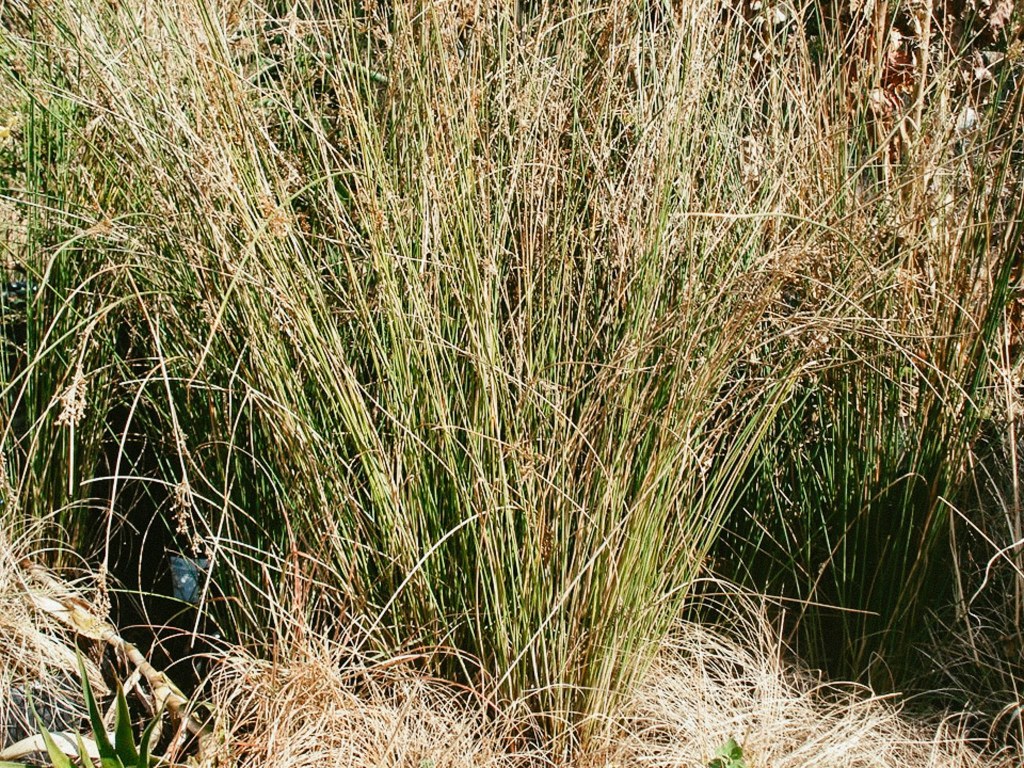
Juncus kraussii, a grass known locally as incema is a herb that grows up to a height of 1.5 m in large colonies where it occurs. It is highly useful, not just for environmental purposes where it prevents erosion, but also among the local Zulu woman who harvest the grass, as it has a perfect fibre for weaving. Besides a very valuable economic roll in the Zulu community Incema is an integral part of the wetlands. It is essentially responsible for stabilizing wetlands and assists in controlling nutrient levels. It also improves water quality because of their filtering and transformational capacity.
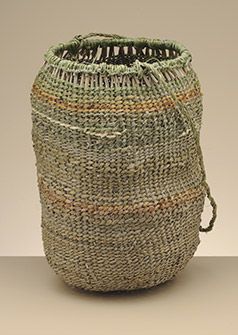
At a certain time of year annually woman harvest the incema grass for the purpose weaving traditional sleeping mats still used across many rural areas of KwaZulu-Natal. This rush is popular for making sleeping mats, baskets, beer strainers, conference bags and numerous craftwork products. The reason for its popularity is the fact that it is strong and yet easy to bend during the weaving process and construction.
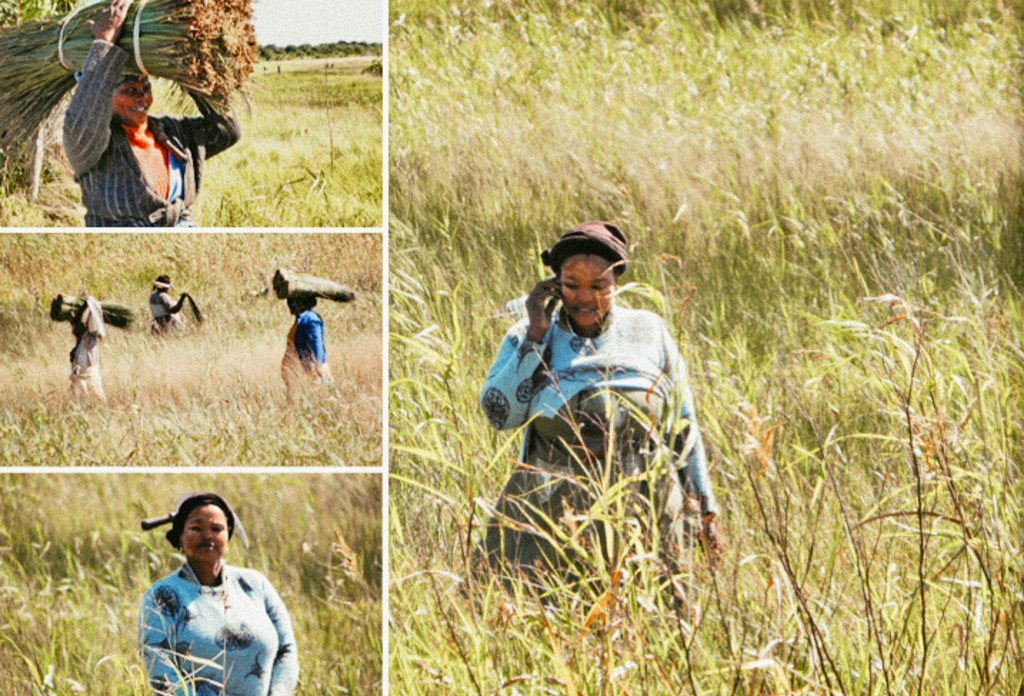
Women from all over the Province have been flocking to the local area of St Lucia to collect the natural materials rooted in South Africa’s first World Heritage site. Our staff takes a few days leave every year to harvest this valuable local product.
The iSimangaliso Park has a community based natural resource harvesting programme, which sees tangible benefits to the community, and the environment where approximately 3500 participants are granted permission to harvest the local grass for traditional purposes on an annual basis.
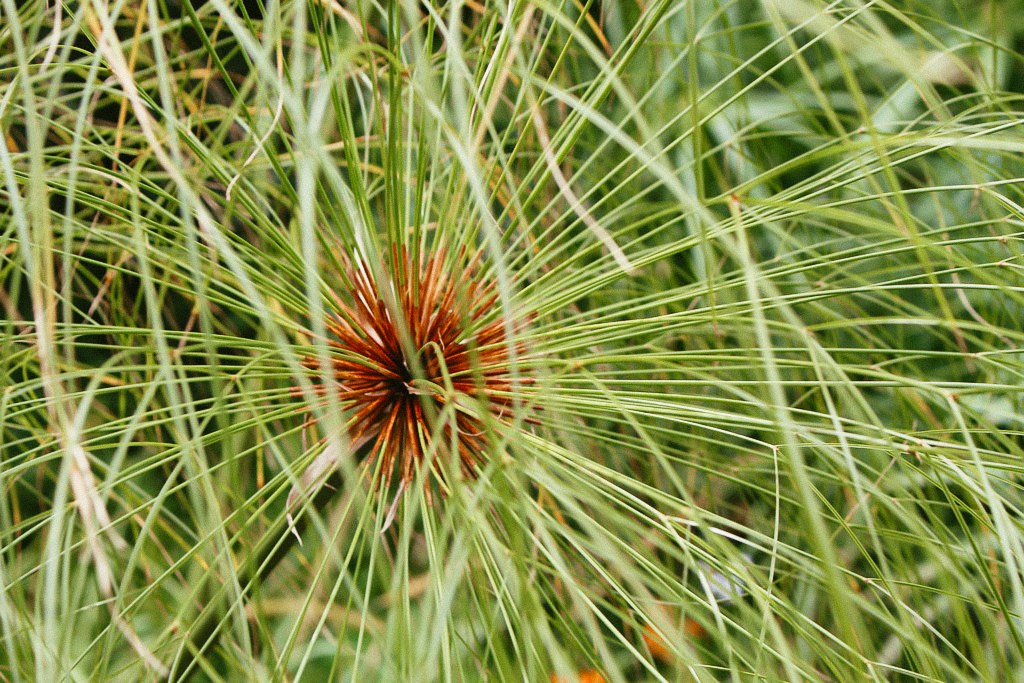
iSimangaliso is one of a few remaining sites in South Africa where incema can still be harvested. Despite the drought incema in the iSimangaliso Park has been conserved and thus continues to grow.
Incema grass mat made by local Zulul woman for household use, as well as for special traditional cultural occasions.
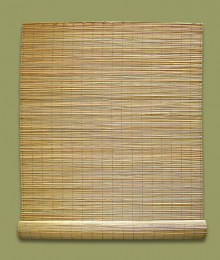
Incema grass products are now beginning to make their way into the home as interior décor items sold in the higher end home décor stores.
Mostly though the rushes are used to make a wide variety of traditional Zulu artefacts but particularly the sleeping mats important in marriage and funeral ceremonies. Most products are still used for cultural occasions, but an increasing proportion is now made for the tourist trade, underlining the critical economic importance of incema to many rural communities.
 Tourism Tails