It isn’t called your “big day” for nothing. It often takes months to years of saving and planning the invitations, venue, flowers, dress, photographer, catering, and music. You want everything to be just right for this special day, but what if you are still held back by the hefty price of lobola?
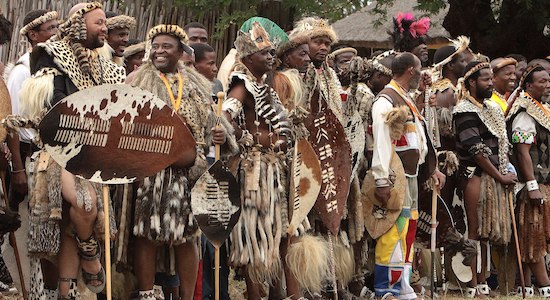
In many African countries the tradition of paying Lobola for a wife is common practice. According to this tradition, marriage is a contract between families and not just individuals, so the transfer of cattle from the relatives of the bridegroom to those of the bride serves to legitimise the marriage and to ensure certain rights. The most important of these rights is that the children of the marriage would legally belong to the father’s lineage group.
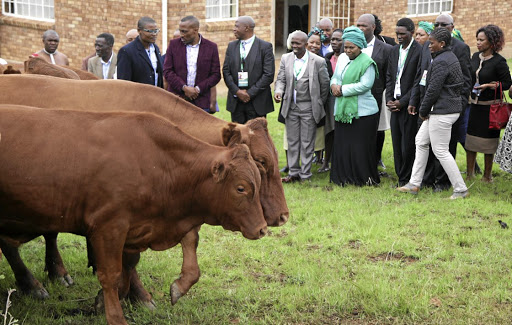
It has become the norm for families to charge fortunes for lobola. History Professor Jabulani Maphalala, who is also a former lecturer at the University of Zululand, has argued that this should never be the case.
Originally there was no set price or amount of cows set for lobola. Theophilus Shepstone, a British South African politician, took it upon himself to set what the “bride price” should be.

In the mid 1850’s Shepstone decided that the value of each cow should be £5 – eleven cows for an average woman, 15 for a chief’s daughter and 30 cows for a king’s daughter. In today’s terms, eleven cows are just unaffordable for workers on minimum wage. It is estimated that at least 60% of South African black couples were opting to “live in sin” because it is simply too expensive to go through the process of marriage.
Lobola is not restricted to Africa. Although not called lobola, the Middle East has a similar system, although modern society there has turned the lobola amount to a token, usually one dirham (about R4.00 in South African terms). In India, it’s the opposite way around – the bride’s family forks out to the bridegroom, and the payment usually involves gold.
Maphalala advised people to not use lobola as a “money-making scheme” as young couples end up in debt after marriage.
 Tourism Tails