Apparently whales can hear or receive song info from distances up to 800kms. This allows their migration coordination up to the tropics which is thousands of kms.
People around the world have different accents and you can tell where they are from by their distinctive way of talking. Just like human’s, whales also have different accents and the communicate to each other with songs.
The sharing of songs would effectively take place in the South pole when they are all together sharing feeding grounds and would share songs.
Improvisation would most probably take place in the tropics when they are away from the large gatherings of whales and more isolated and less influenced by feeding frenzies and big social gatherings.
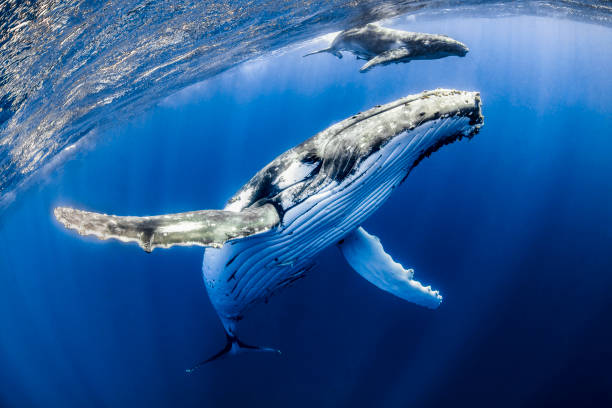
The humpback whale’s remarkable song is one of the best known underwater songs. Hauntingly beautiful, the songs of male humpbacks have been the subject of much research—and the topic of at least one Star Trek Movie.
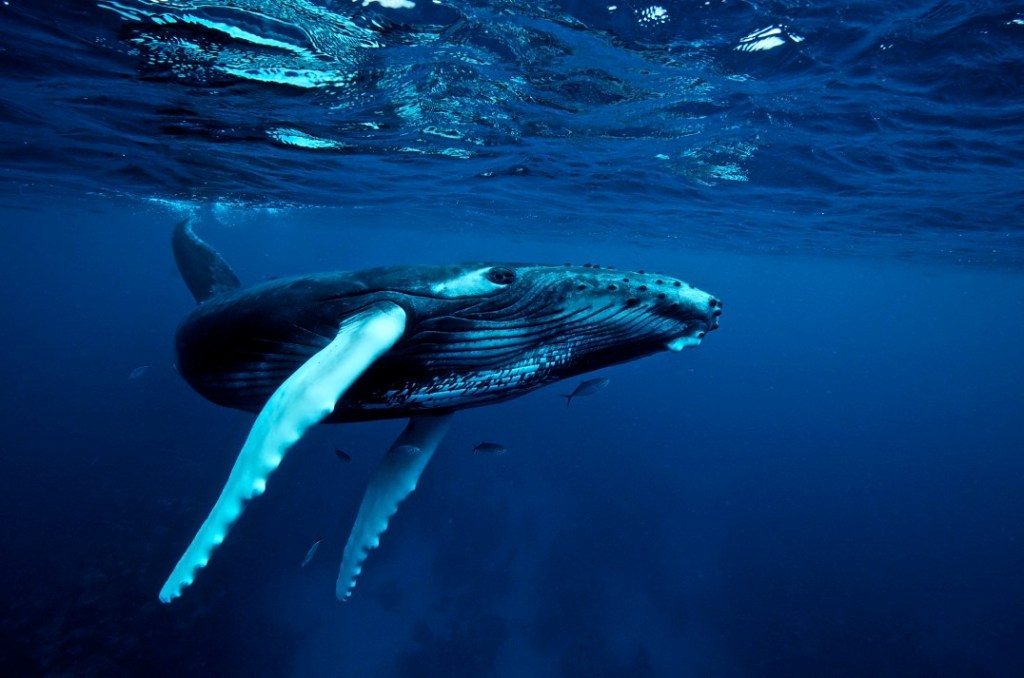
Humpback songs can last for hours. Assuming whales pick up song ideas from other whales, they need to be relatively close by to hear them, helping to maintain differences between widely separated groups. Nevertheless, the presence of some similarities between groups suggests that, at some point, different groups do interact and share song ideas. Every winter the songs change a little bit, suggesting that groups meet, share songs, then go their separate ways.
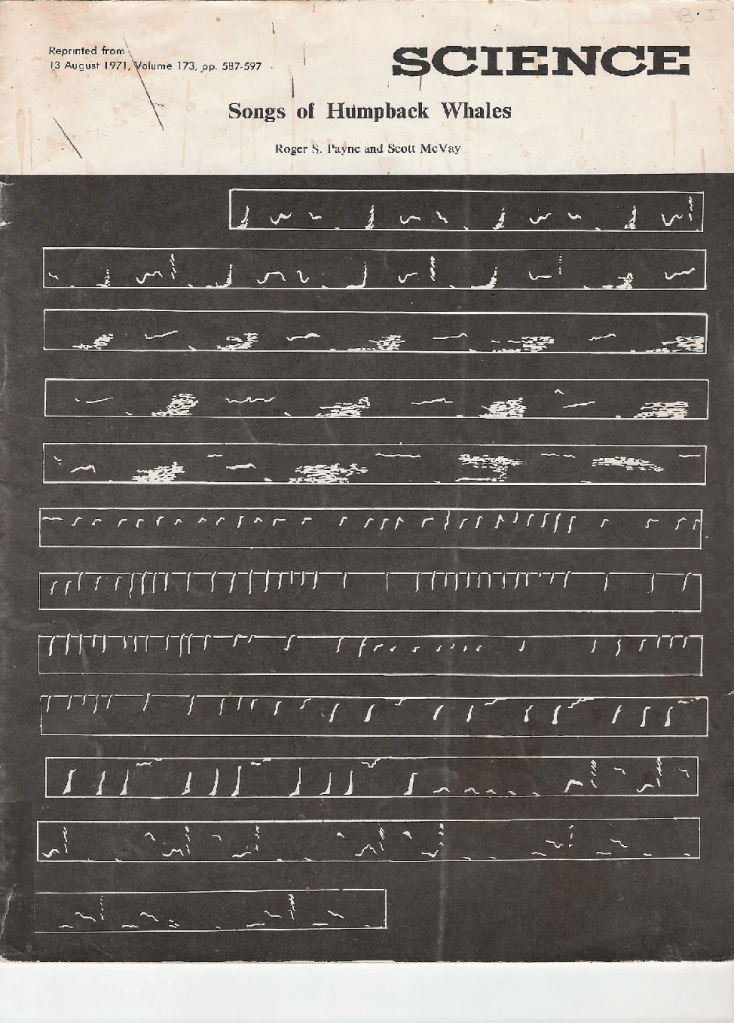
Individual songs are complicated enough, consisting of sets of sounds within other sounds. There seems to be some individual improvisation, but there are different dialects of songs. Populations of whales from a given area sang songs that were different from other populations with which they had limited contact. The further apart two groups were, the more different the sounds were. For example, Indian Ocean humpbacks sound very different from Pacific Ocean humpbacks, while different populations within the same general part of the Pacific will share more elements and song structures.
Sperm whales, which communicate through specifically spaced clicks called codas, are known to have dialects. The codas are unique to their regional groups and their sounds may identify individuals and family or social groups—just like first and last names.
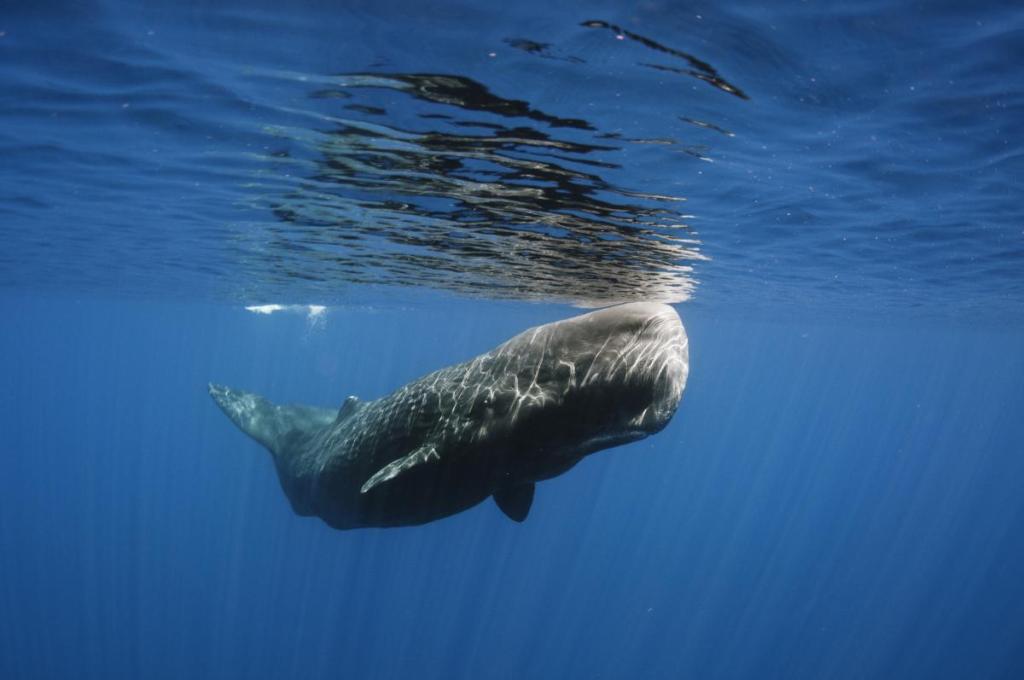
One click sequence identifies the vocal clan and essentially translates to, “I am from the Caribbean, are you?”.
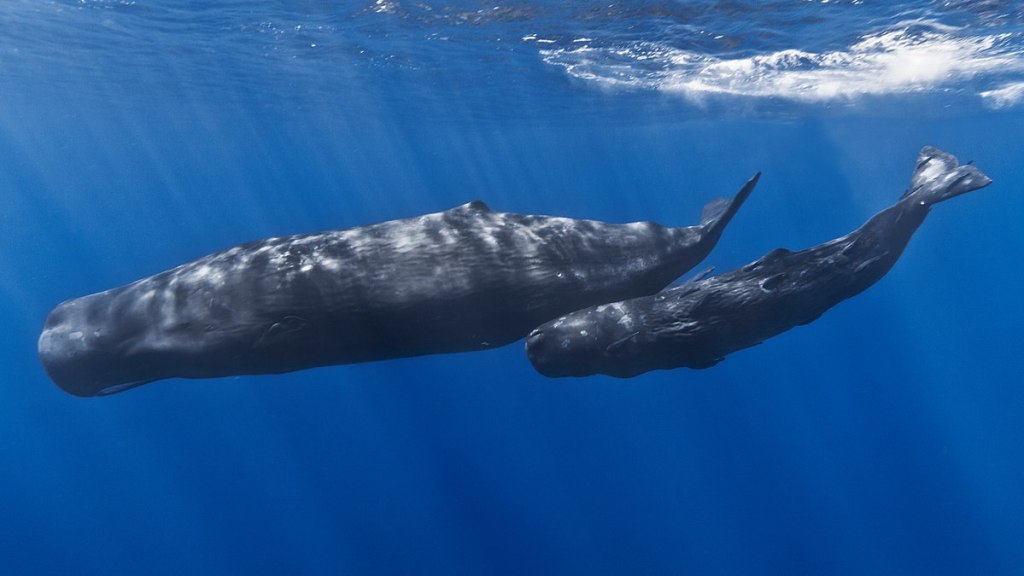
As social creatures, whales differ in how they do things like hunt or care for their young. Behaviour is what you do and culture is how you do it.” In that sense, these unique codas may allow Caribbean sperm whales to reinforce their culture and bond with family members, both crucial needs in the vast ocean.
 Tourism Tails