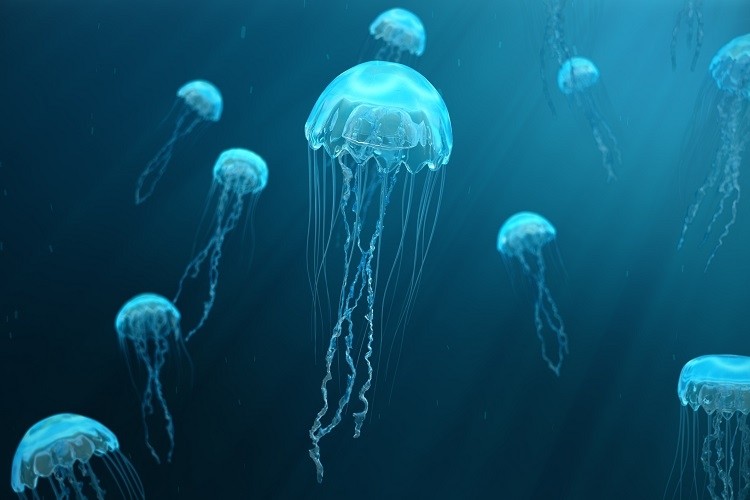
Jellyfish have superpowers – and other reasons they don’t deserve their bad reputation.
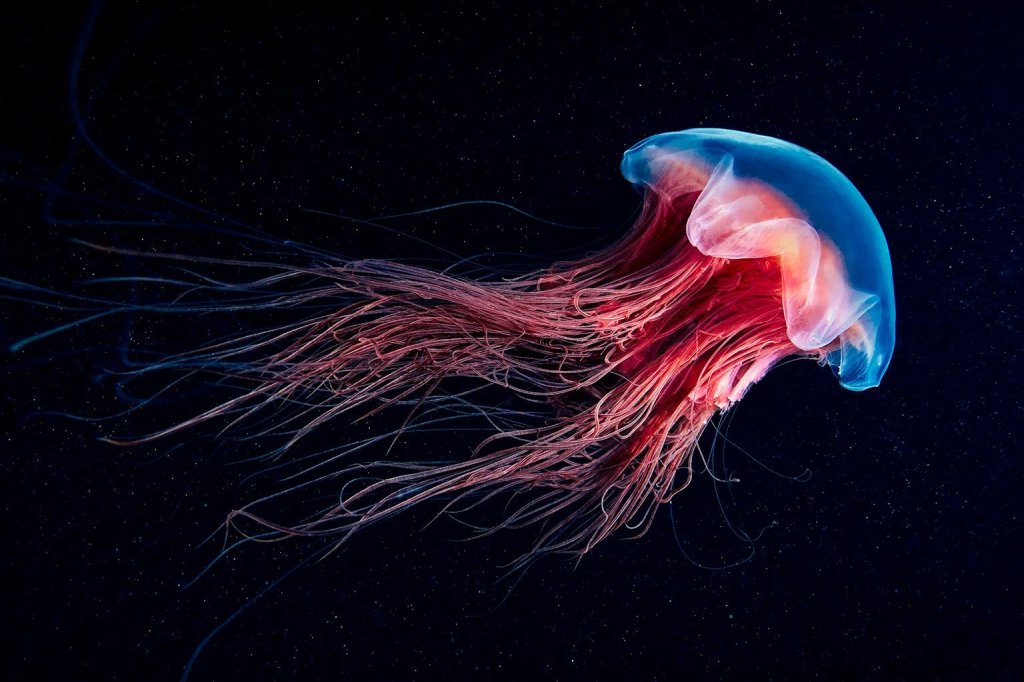
People rarely enjoy meeting a jellyfish. On the beach they appear limp, amorphous, and blistered in the sun. In the water it’s often a brush of a tentacle on exposed skin followed by a sting. They hardly evoke the serene elegance of a turtle or the majesty of a breaching humpback whale. But despite making a poor first impression, jellyfish are among the most unusual animals on Earth and deserve a second chance to introduce themselves.
Jellyfish are very important animals in the ocean. We should respect and not harm them. They are food for several marine animals such as large fish and turtles. Jellyfish also provide habitat for many juvenile fish in areas where there are not many places to hide. They can also protect the small fish from being eaten by predators with their stinging cells. Also, many young crabs hitchhike on the top of jellyfish, so they don’t have to swim.
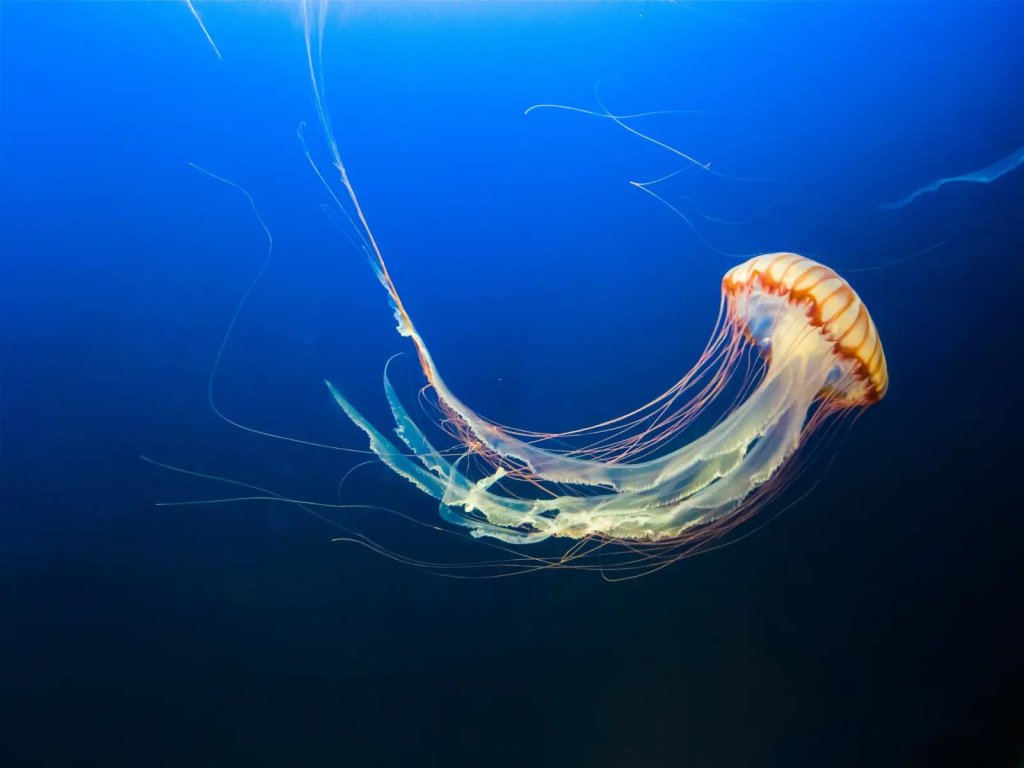
Many jellyfish have evolved unique abilities, some of which seem almost supernatural. Comb jellies produce mesmerising bio-luminescent displays. One tropical species has formed a symbiotic relationship with photosynthetic algae, which act like their own personal solar panels and let them obtain energy straight from the sun.
The pièce de résistance is surely their second chance at youth. When conditions are unfavourable, certain species including compass, barrel, and moon jellyfish can reverse their development and effectively turn back into jelly-children to wait out the hard times.
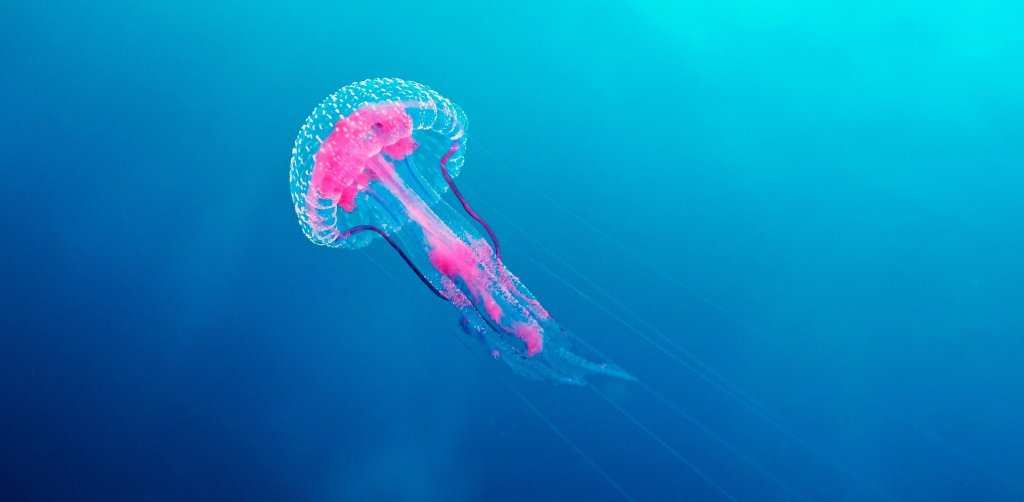
Jellyfish can undoubtedly cause ecological and economic problems for humans. Mass outbreaks of jellyfish can overrun fish farms, block cooling pipes of power stations, burst fishing nets and damage tourist businesses. Their stings can also cause a severe allergic reaction known as anaphylaxis and even kill people. But jellyfish are also a source of medical collagen, which can be used in wound dressings or reconstructive surgery.
But the greatest jellyfish contribution to humankind must be the green fluorescent protein (GFP), a common biomarker synthesised from crystal jellies. GFP allows scientists to monitor how certain genes work in real time, and has proved invaluable in medical research, being used in well over 30,000 studies including the study of HIV and Alzheimer’s disease.
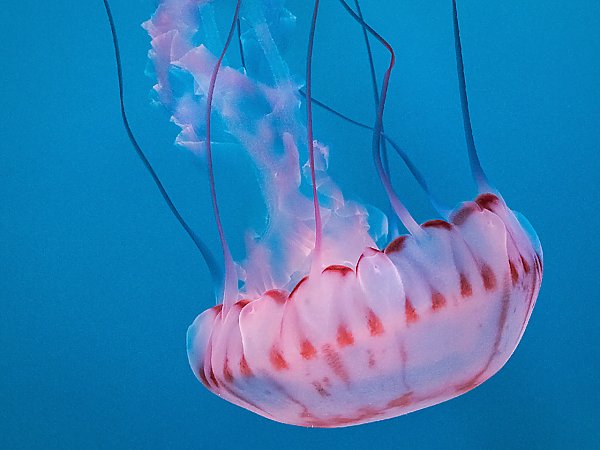
There is still so much to discover about these amazing sea creatures. Until recently it was thought that jellyfish may not be eaten by anything aside from the occasional turtle or sunfish, and they didn’t make a significant contribution to the food chain. This prompted concerns that as jellyfish populations swelled there would be no natural control, and ecosystems may become jelly dominated.
New analytical techniques involving acoustics, marine cameras, chemical analysis, and DNA analysis have shown a variety of species do eat jellyfish. This means jellyfish likely play a more important role in marine ecosystems than previously thought. Documenting and understanding this is a top priority for jellyfish researchers.
 Tourism Tails