Mutualism:
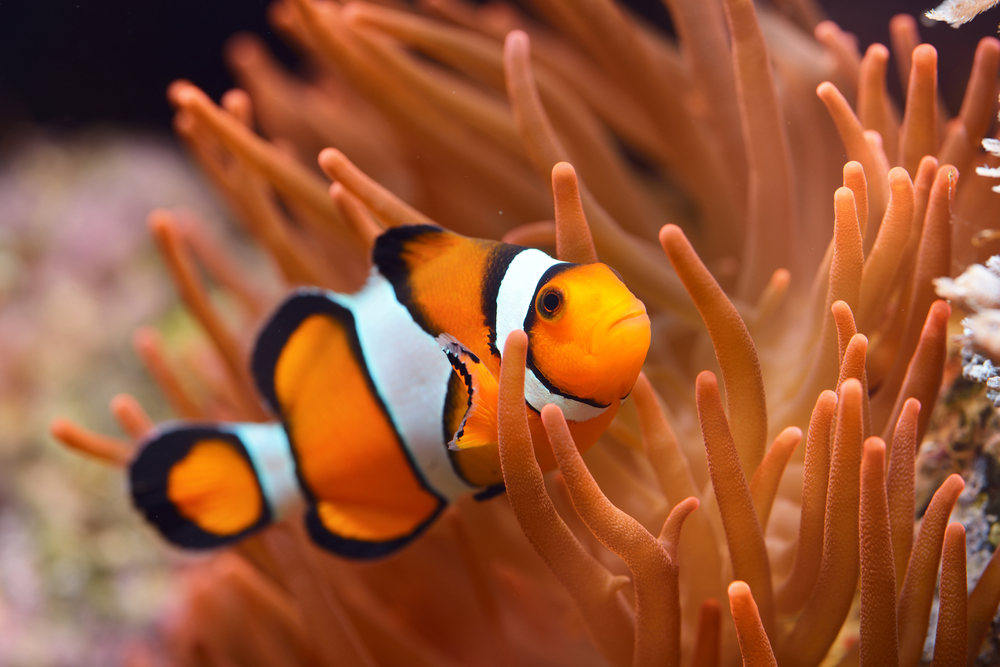
The bees pollinating the flowers and the clownfish living in sea anemones, are classic examples of how organisms can mutually benefit from one another so that both organisms can thrive. When both organisms in a symbiotic relationship benefit, we call this mutualism. In the case of the bees and the flowers, bees need pollen to make honey which they use as a food source, so the bees go from flower to flower gathering pollen which they store in a pouch in their abdomen or on their hind legs depending on the species. When the bees move on from one flower to the next, some of the pollen brushes off and pollinates the new flower. Both the bees and the flowers benefit from this relationship, so it’s a good example of mutualism. Clownfish and sea anemones have the same sort of mutualistic relationship. To other fish, brushing up against a sea anemone is deadly. But clownfish are unaffected by the anemone’s sting because they have adapted to form a protective mucous on their skin. So, the clownfish can live in the sea anemone and in the process keeps it clean, while the sea anemone gives the clownfish protection and a place to live.
Parasitism:
Parasitism is a type of relationship where one organism benefits and the other organism is harmed in some way.
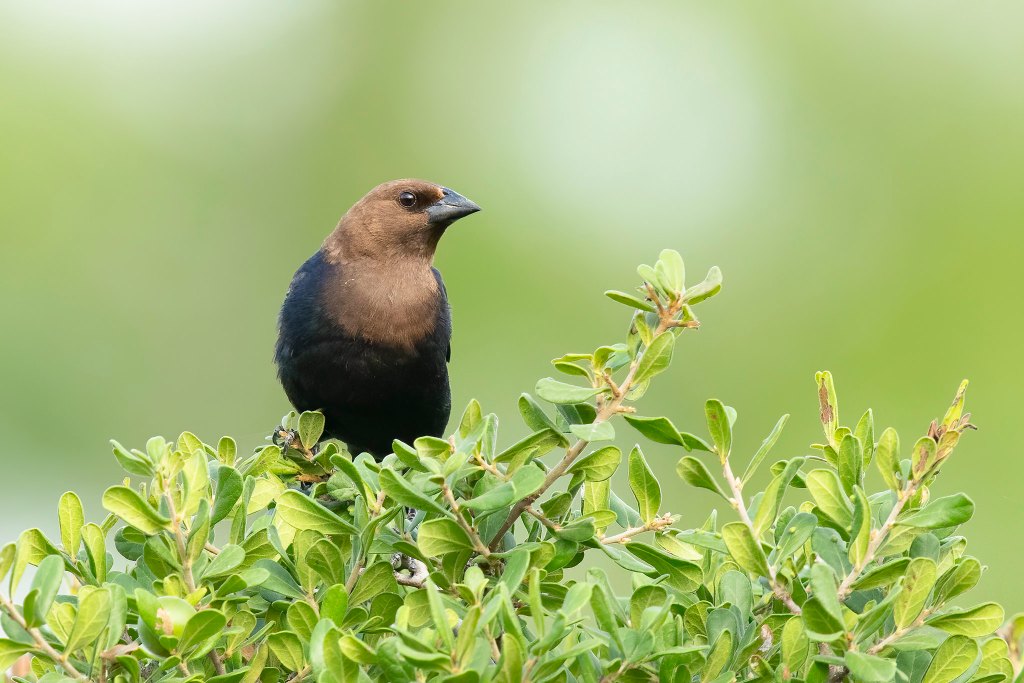
Your mind might jump to what we more commonly think of as a parasite like tapeworms or fleas. These are great examples because in both cases, the parasite benefits while the other organism is harmed. As humans, we can get tapeworms from the food and water we consume if it is not treated or prepared properly. Once the tapeworm is inside of the digestive tract, it eats a lot of your food for you. So, symptoms can range from increased appetite to nausea, but if the tapeworm spreads to other organs, it can be life-threatening. However, parasitic relationships aren’t limited to the microscopic or small-scale world. Cowbirds are a species of birds that instead of raising their own young, take advantage of another bird species, since birds cannot easily distinguish between their young. Female cowbirds will lay their eggs in another bird’s nest, like a black-capped chickadee, and the female black-capped chickadee will feed both her own young and the cowbird nestling. However, cowbirds are much larger than most birds so they will demand more of the food and nest space. In the end, this means some of the black-capped chickadee’s young will die while the cowbird nestling lives.
 Tourism Tails