Summer constellations are the constellations that are best seen in the evening night sky from late December to late March in the southern hemisphere.
Many different constellations fill the evening sky in the southern hemisphere. Depending on your location and the season, different constellations can be seen. Southern circumpolar constellations can be seen all year long in the night sky of the southern hemisphere. In the southern hemisphere, there is no bright pole star. This image shows an illustration of Crux – the Southern Cross.
Due to the Earth’s orbit around the Sun, the constellations seen in the night sky change throughout the year. The constellations Orion and Scorpius are located at opposite sides of the Celestial Sphere.
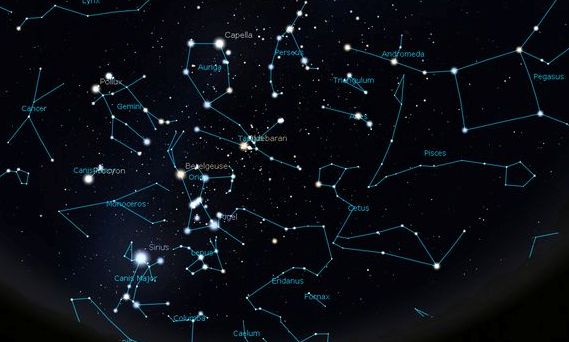
During the Southern Hemisphere summer, when the South Pole of the Earth is pointed towards the Sun, the Earth is positioned between the constellation of Orion and the Sun. Therefore, Orion can be seen in our night sky during summer evenings. As the Earth continues to move around the Sun throughout the year, Orion is observed low in the eastern sky during the evening from December, sits overhead throughout February, and sinks low in the western sky come April.
During the Southern Hemisphere winter, when the South Pole of the Earth is pointed away from the Sun, the Earth is positioned between the constellation of Scorpius and the Sun. Therefore, Scorpius can be seen in our night sky during winter evenings. Scorpius is observed low in the eastern sky during the evening from May, appears overhead during August, and sinks low in the western sky come November.
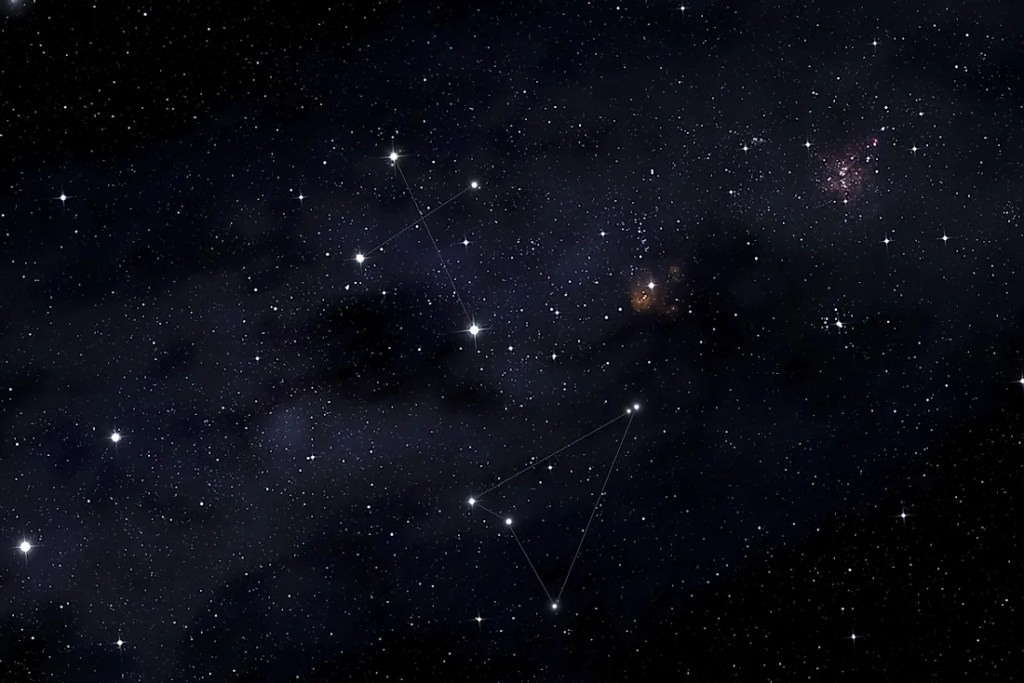
The Southern Cross is positioned close to the South Celestial Pole, so from South Africa it can be seen all year round.
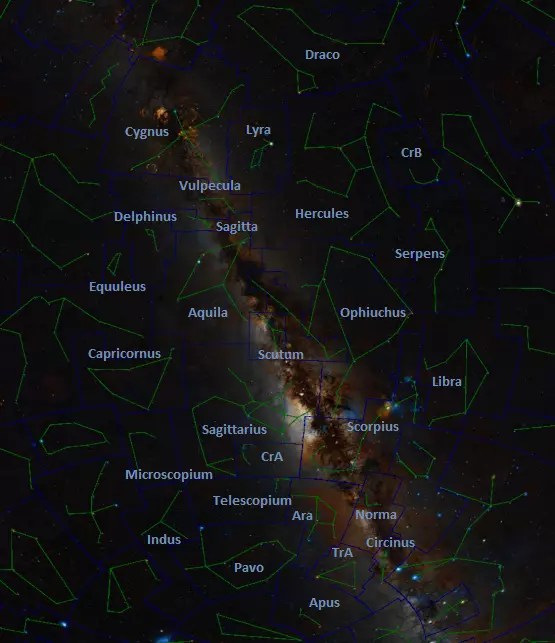
Winter constellations are the constellations that are best observed in the evening night sky from late June to late September in the southern hemisphere.
 Tourism Tails