A spiral is a shape that curves and gradually widens around a central point. There are many examples of spirals in nature. In fact, nature does not use straight lines very often, with the exception perhaps of crystal structures in minerals.
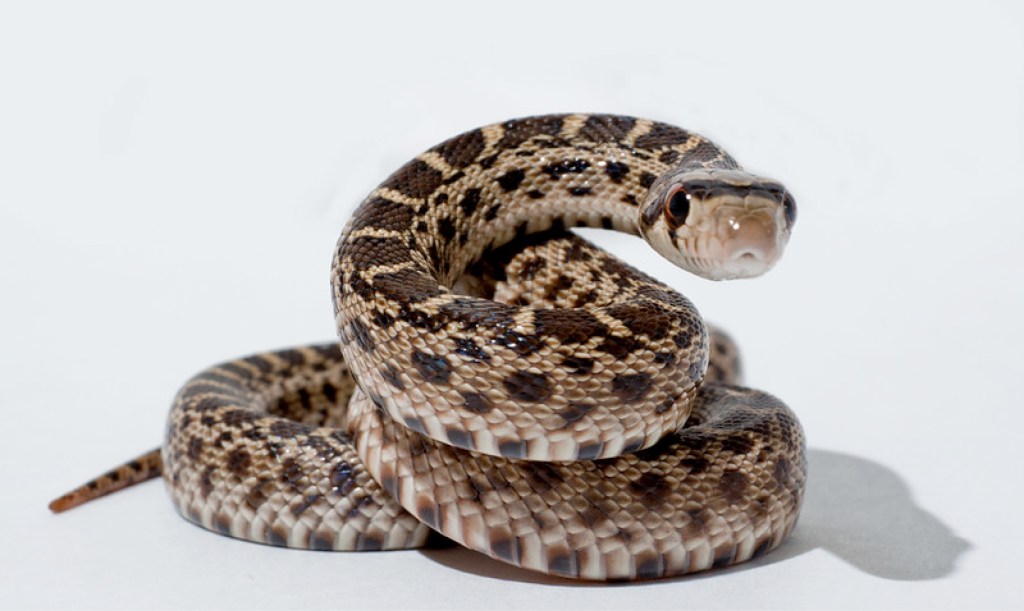
A snuggling shape – including when animals such as a bull snake, a harvest mouse, a chipmunk, or a woodchuck sleep curled up in a ball for warmth.
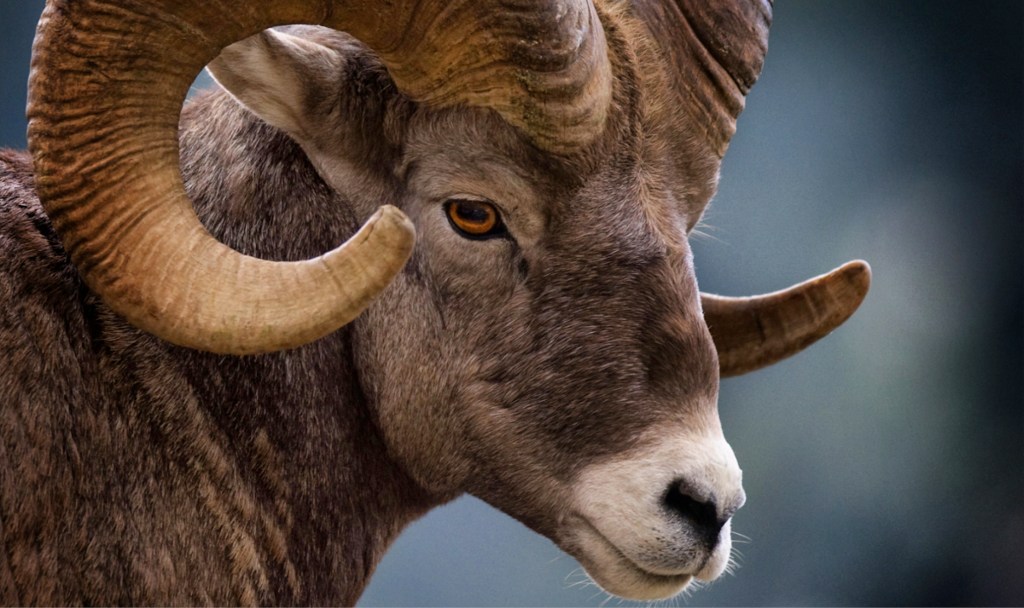
A strong shape – where outside curves can protect animals such as the millipede, the land snail, and in sheeps’ horns.
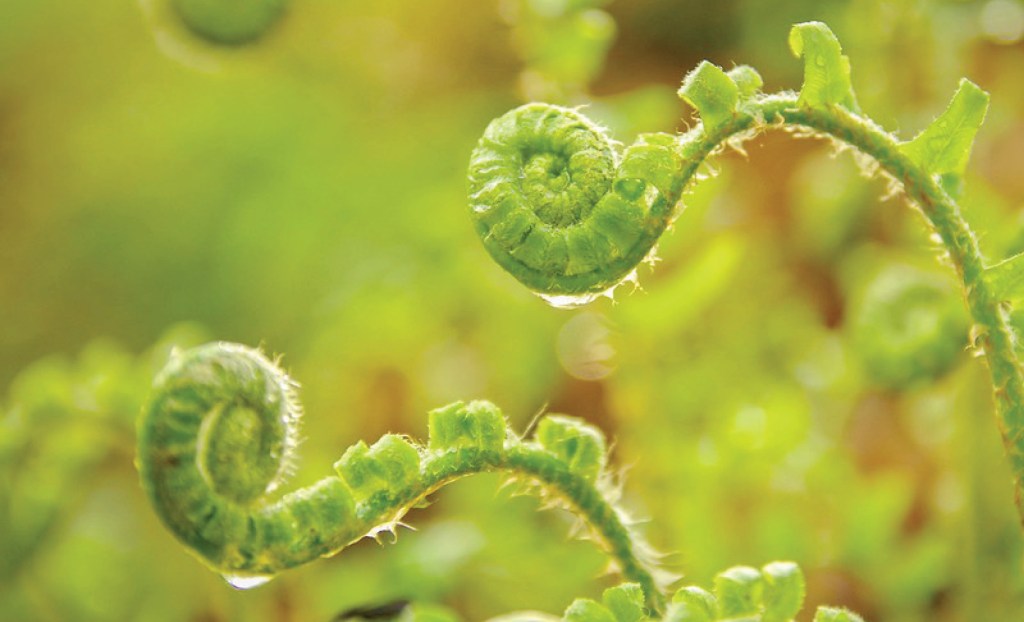
A growing shape – going from small to big, such as the lady fern. It emerges from the soil as a fiddlehead and then unwraps itself as it gets bigger.
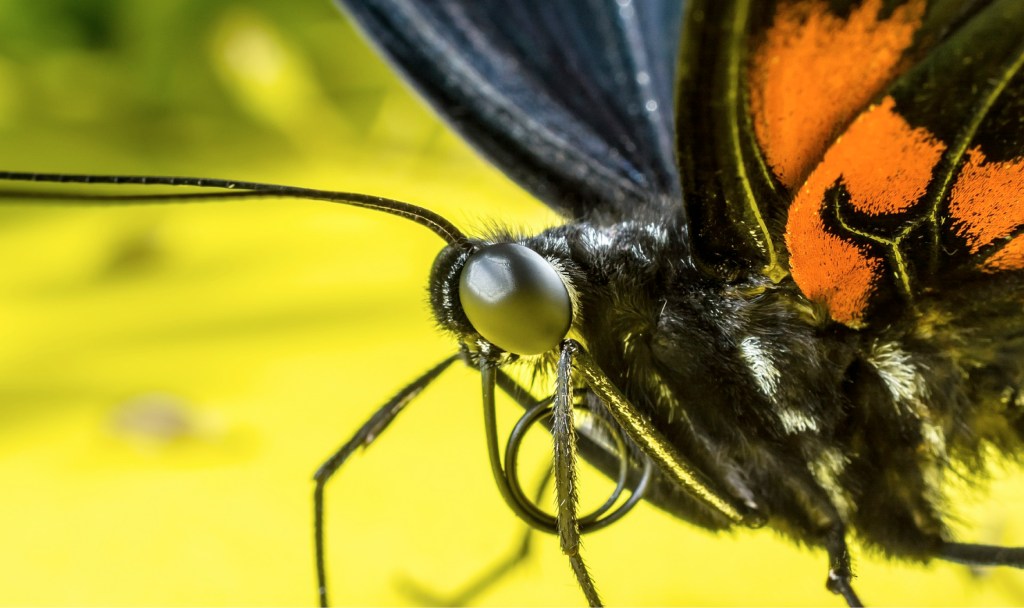
A clever shape – seen in butterfly proboscis (neatly tucked away when not in use), and spiders’ webs.
Spirals can even follow a mathematical rule, called the Fibonacci sequence, where a specific order of numbers following a set and understood pattern “explains”, or can measure out, the dimensions of the spiral. Beware though – not all spirals and swirls in nature follow the Fibonacci sequence.
The Fibonacci sequence is a series of numbers in which each number is the sum of the two that precede it. Starting at 0 and 1, the sequence looks like this: 0, 1, 1, 2, 3, 5, 8, 13, 21, 34, and so on forever. The Fibonacci sequence can be described using a mathematical equation: Xn+2= Xn+1 + Xn
You can see spirals in things as small as flowers and ocean waves, and as vast as tidal whirlpools, tornados and even our galaxy. Spirals can even follow a mathematical rule, called the Fibonacci sequence, where a specific order of numbers following a set and understood pattern “explains”, or can measure out, the dimensions of the spiral.
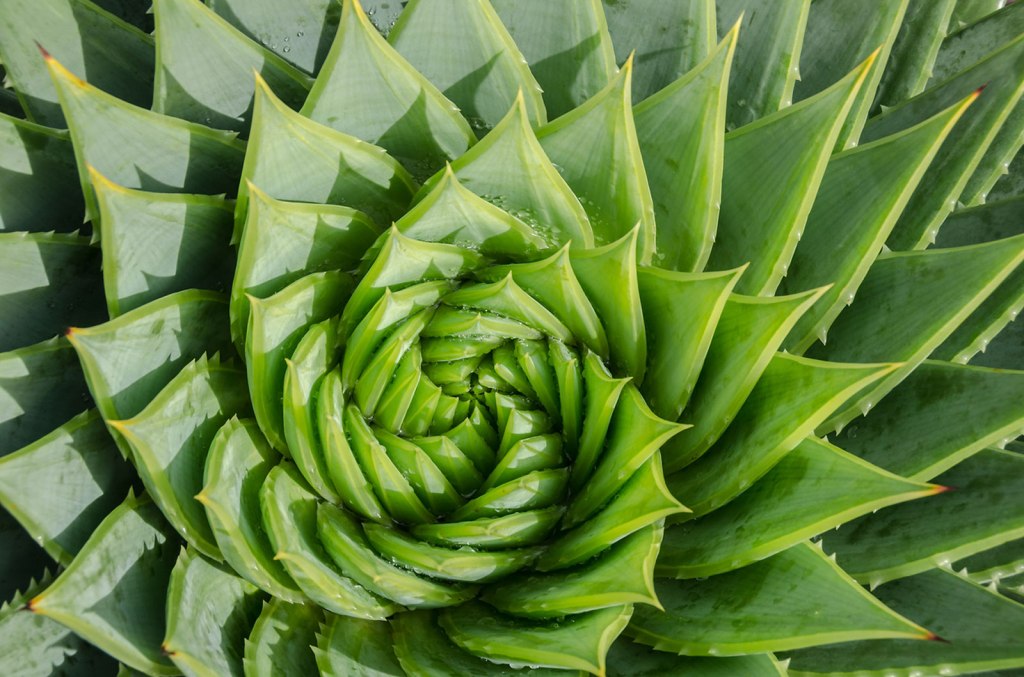
Spirals in an Aloe

Romanesque broccoli follows the Fibonacci sequence
Why not head outside and see if you can find some spirals? Spirals might be a slightly more difficult pattern to spot in nature than some, but they are there. In spring, there’s a pretty good chance you’ll be able to find some snails and fiddleheads even in your yard. What else is out there?
 Tourism Tails