Natural toxins can cause a variety of health effects and pose a serious health threat to both humans and livestock. Some of these toxins are extremely potent. Health effects can be acute poisoning ranging from allergic reactions to severe stomach-ache and diarrhoea, and even death.
Long-term health consequences include effects on the immune, reproductive, or nervous systems, and cancer.
Natural toxins are toxic compounds that are naturally produced by living organisms. These toxins are not harmful to the organisms themselves, but they may be toxic to other creatures, including humans. These chemical compounds have diverse structures and differ in biological function and toxicity.
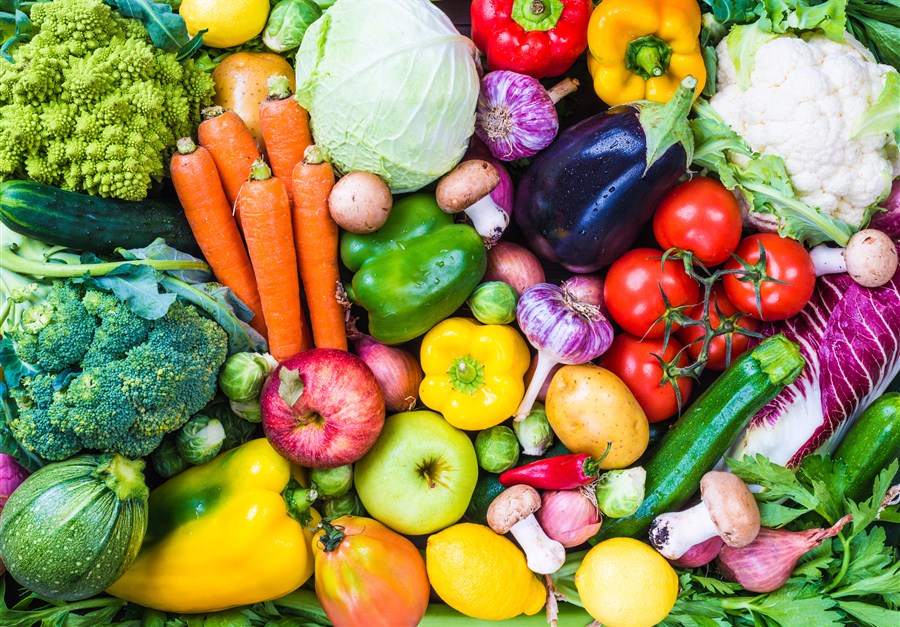
Some natural toxins can be formed in food as defence mechanisms of plants, through their infestation with toxin-producing mould, or through ingestion by animals of toxin-producing microorganisms.
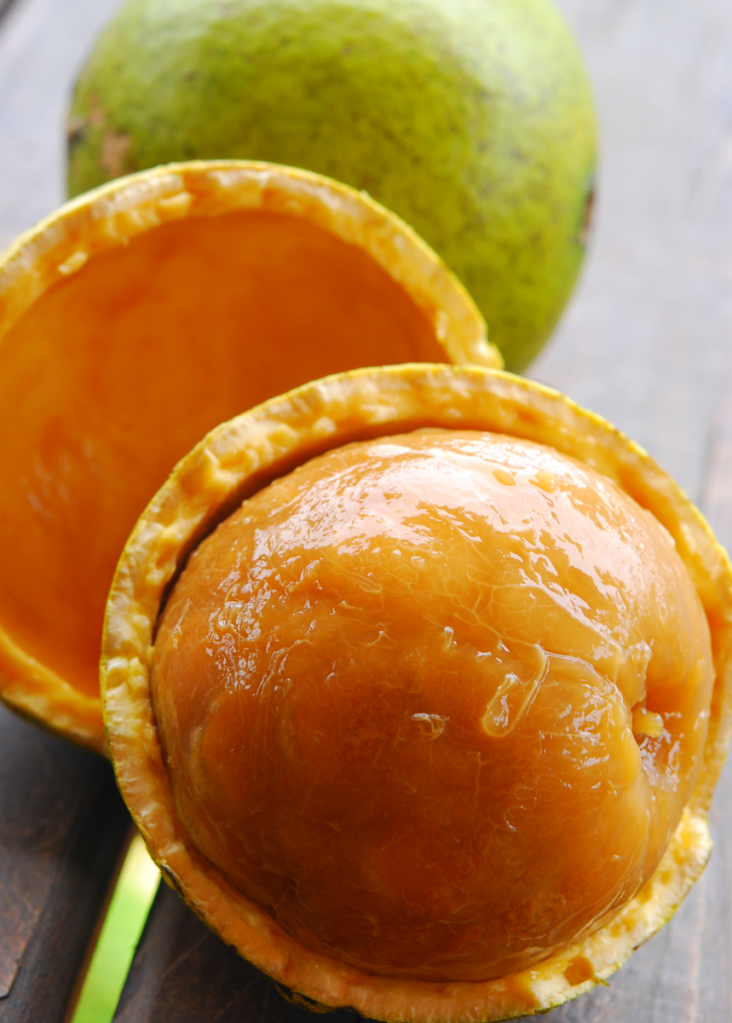
The monkey orange (Strychnos spinosa) is a good example of this. The fruit contains strychnine, enough to make you decidedly ill if you eat the fruit raw).
Cassava Manihot esculenta) is an edible tuberous root that is a staple diet in large parts of Africa. It is often made into flour. It contains cyanogenic glysosides which often results in fatal poisoning if not properly detoxified by soaking, drying and scraping.
Other sources of natural toxins are microscopic algae and plankton in oceans or sometimes in lakes that produce chemical compounds that are toxic to humans but not to fish or shellfish that eat these toxin-producing organisms.
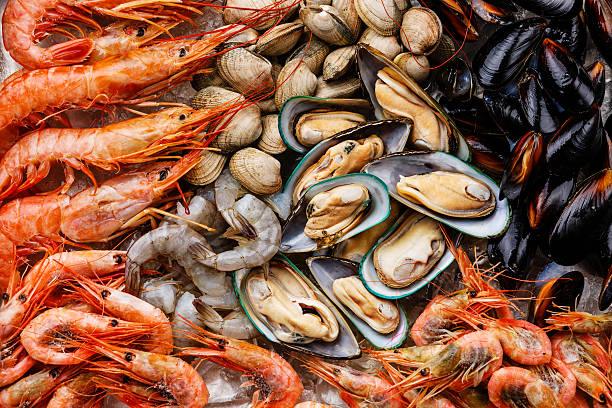
When it comes to natural toxins it is important to note that they can be present in a variety of different crops and foodstuff. In a usual balanced, healthy diet, the levels of natural toxins are well below the threshold for acute and chronic toxicity.
To minimize the health risk from natural toxins in food, people are advised to:
- Not assume that if something is ‘natural’ it is automatically safe.
- Throw away bruised, damaged, or discoloured food, and in particular mouldy foods.
- Throw away any food that does not smell or taste fresh or has an unusual taste.
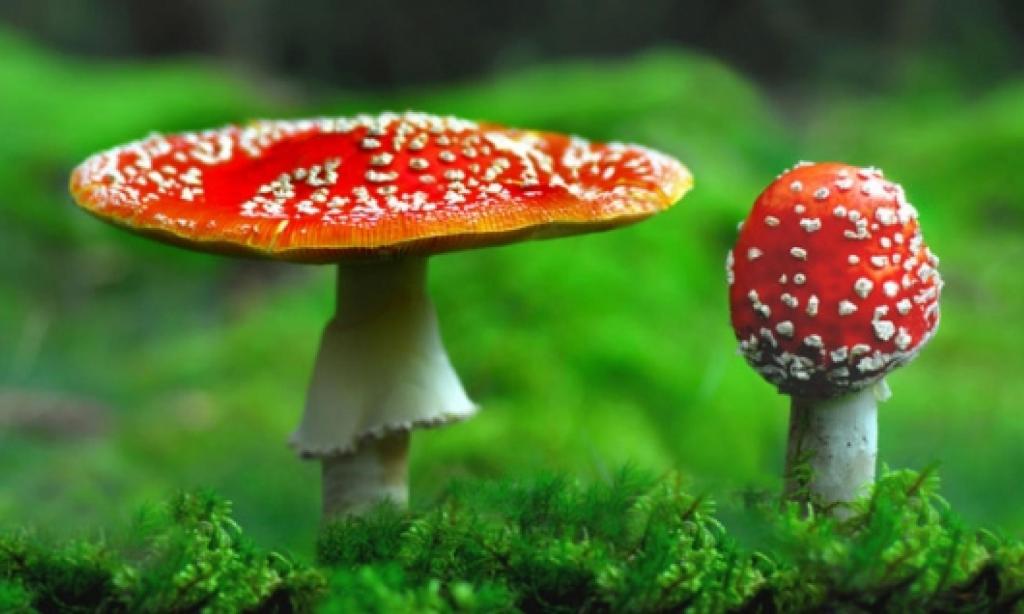
- Only eat mushrooms or other wild plants that have definitively been identified as non-poisonous.
 Tourism Tails