Did you know that honey isn’t the only thing that bees make? Bees also produce a compound called propolis from the sap on needle-leaved trees or evergreens. When they combine the sap with their own discharges and beeswax, they create a sticky, greenish-brown product used as a coating to build their hives. This is propolis.
Propolis seems to help fight against bacteria, viruses, and fungi. It might also have anti-inflammatory effects and help skin heal. Propolis is rarely available in its pure form. It’s usually obtained from beehives.
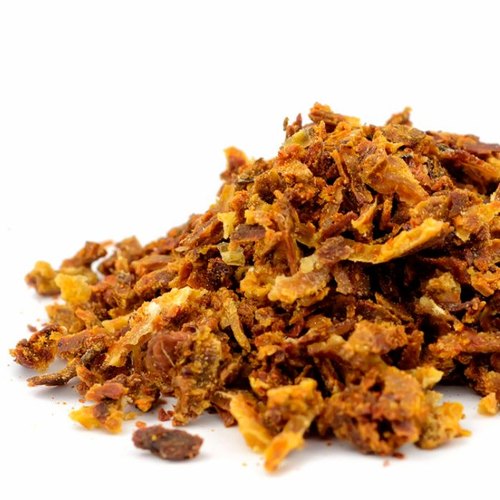
Thousands of years ago, ancient civilizations used propolis for its medicinal properties. Greeks used it to treat abscesses. Assyrians put it on wounds and tumours to fight infection and help the healing process. Egyptians used it to embalm mummies.
The composition of propolis can vary depending on the location of the bees and what trees and flowers they have access to. For example, propolis from Europe won’t have the same chemical makeup as propolis from Brazil.
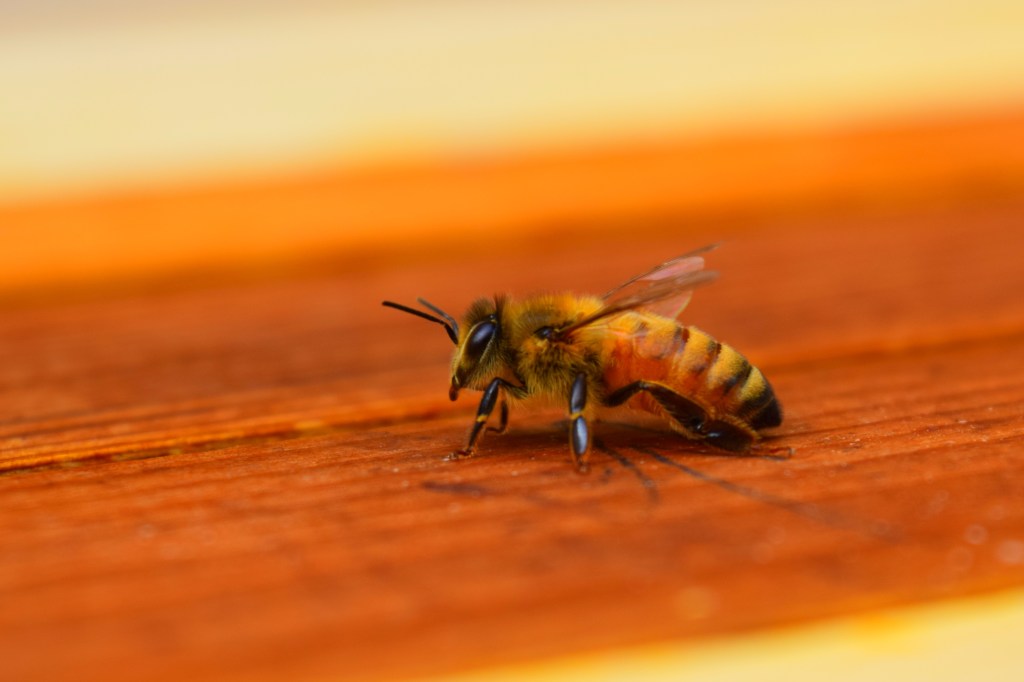
Researchers have identified more than 300 compounds in propolis. The majority of these compounds are forms of polyphenols. Polyphenols are antioxidants that fight disease and damage in the body.
Specifically, propolis contains the polyphenols called flavonoids. Flavonoids are produced in plants as a form of protection. They’re commonly found in foods thought to have antioxidant properties, including:
- Fruits.
- Green tea.
- Vegetables.
- Red wine.
Propolis is thought to have antibacterial, antiviral, antifungal, and anti-inflammatory properties. But scientific research on propolis is limited. Researchers aren’t exactly sure why, but the bee product appears to provide protection from some bacteria, viruses, and fungi.
 Tourism Tails