
The ecological interactions of parasites are often challenging to observe. Many live their lives secretively, in intimate contact with their host, but invisible to the outside world. With some notable exceptions, parasites also tend to be very small. It may be easy to assume then, that since parasites are generally unnoticeable, they play less important roles in community ecology than free-living organisms. Parasites are not only ecologically important but can sometimes exert influences that equal or surpass those of free-living species in shaping community structure. In fact, parasitism is more common than traditional predation as a consumer lifestyle, and arguably represents the most widespread life-history strategy in nature. Parasites also influence host behaviour and fitness, and can regulate host population sizes, sometimes with profound effects on trophic interactions, food webs, competition, biodiversity and keystone species.
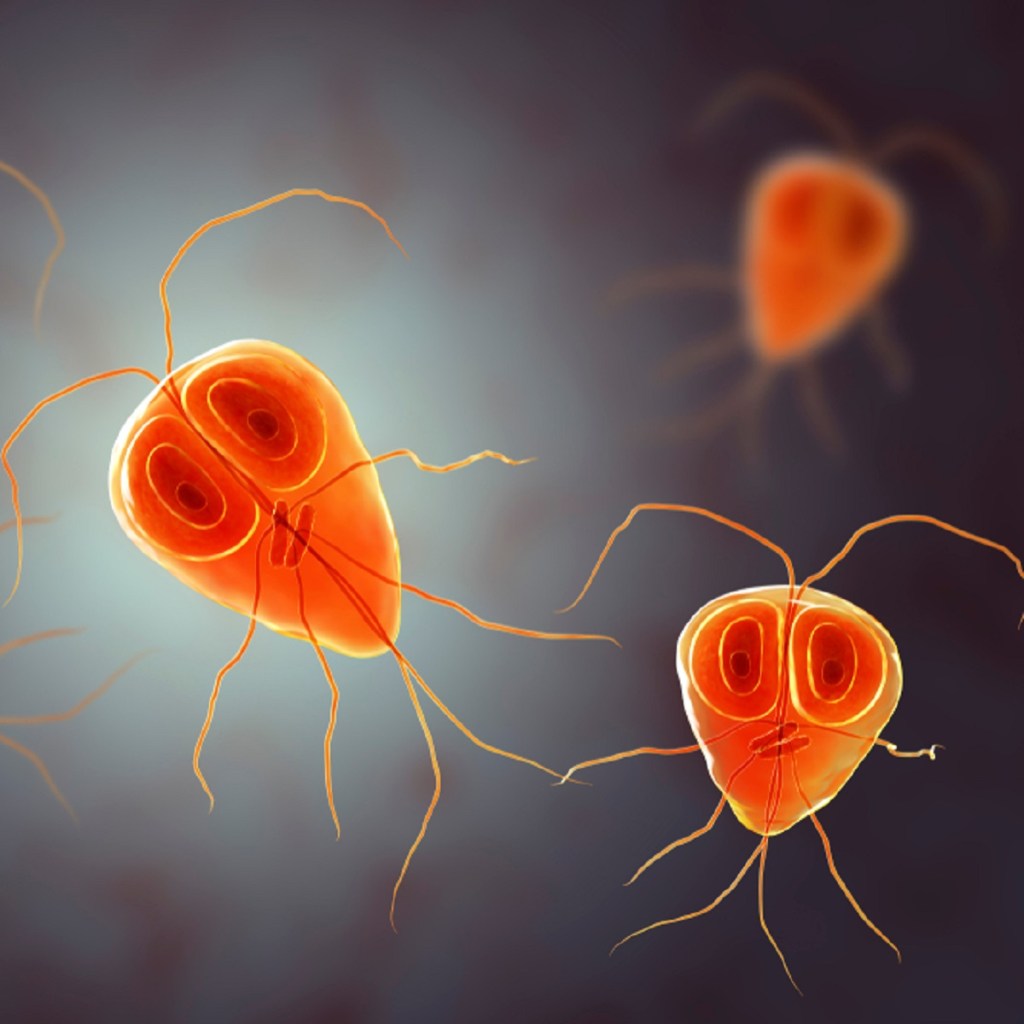
Parasites can function as both predators and prey. Parasites that feed on hosts engage in a special type of predation. Parasites can also serve as important sources of prey. Predators also inadvertently consume parasites during the consumption of infected hosts. The roles of parasites as predators and prey suggest that considerable amounts of energy may directly flow through parasites in food webs, despite their small size and cryptic nature.
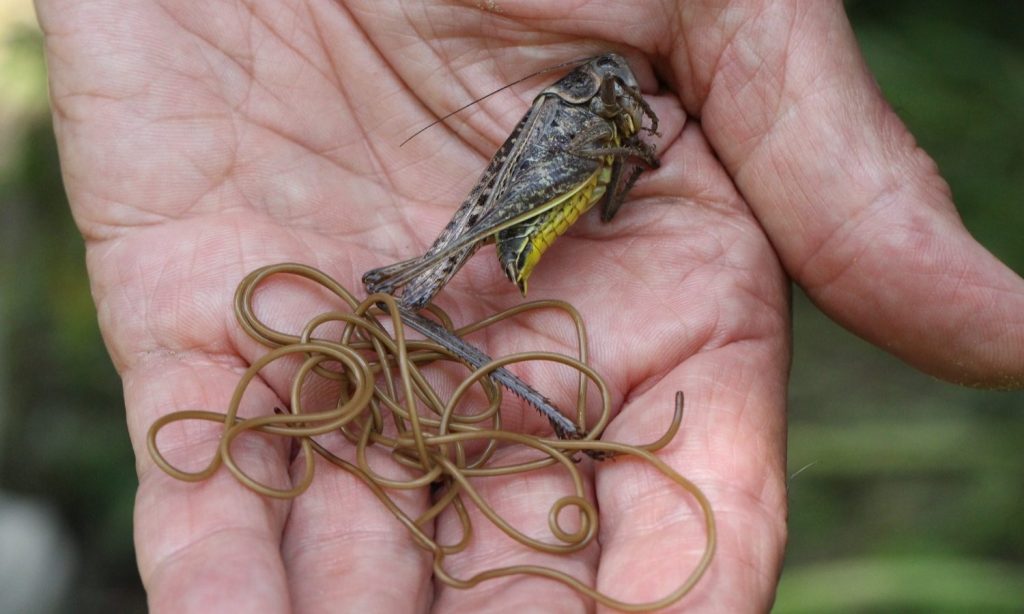
The prominent roles of parasites in food webs, competitive interactions, biodiversity patterns, and the regulation of keystone species, make it clear that parasites contribute to structuring ecological communities.
 Tourism Tails