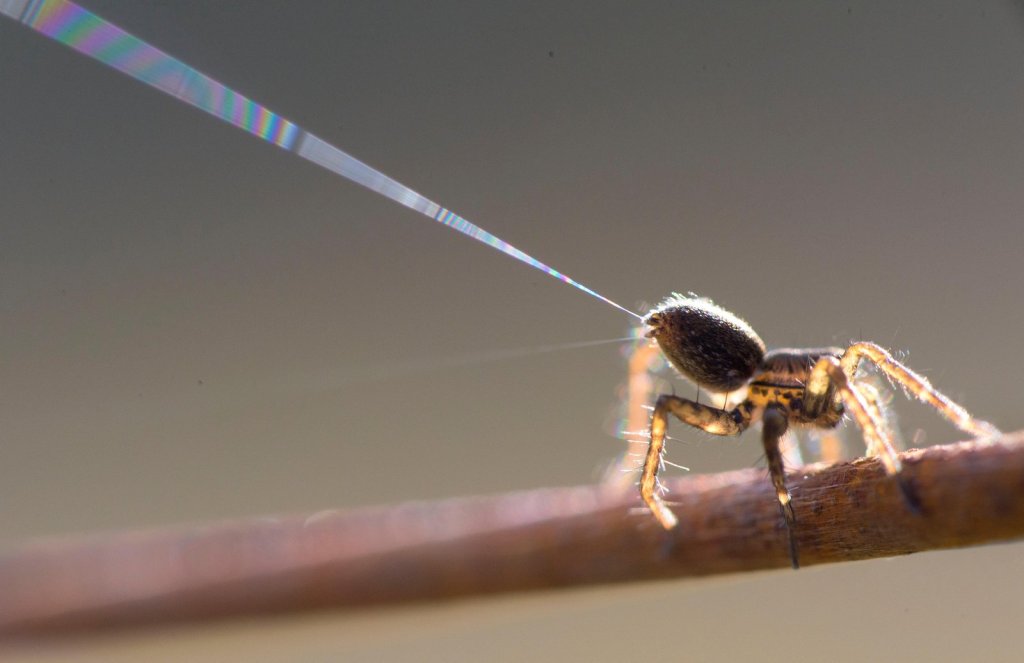
Ballooning is a method used by some spiders to travel long distances through the air. This technique involves the spider releasing a strand of silk into the air and letting the wind carry it away. The spider then climbs onto the strand of silk and uses it as a kind of parachute to float through the air. Ballooning spiders can travel long distances, sometimes even across oceans, and this has led to the widespread distribution of many spider species.
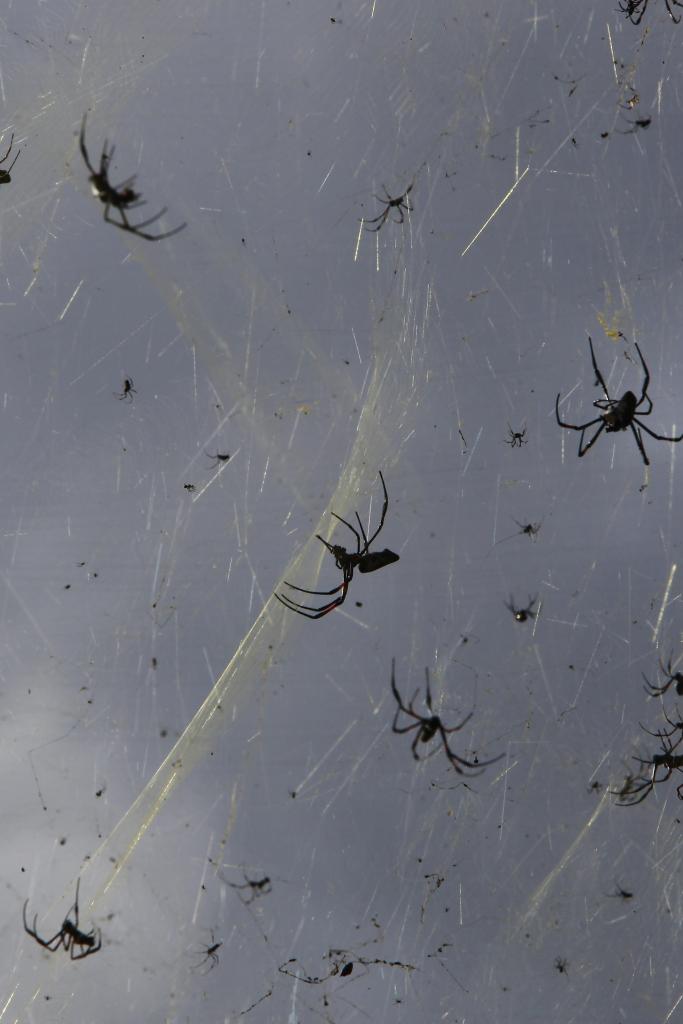
Islands are often the first places to receive spiders because of their isolation. Ballooning spiders can travel long distances, but they are limited by their ability to catch the wind. On a continent, there are many obstacles, such as mountains and forests, that can block the wind and prevent spiders from travelling far. Islands, on the other hand, are often surrounded by open water, which provides a clear path for ballooning spiders to travel. This is why spiders often arrive on islands first.
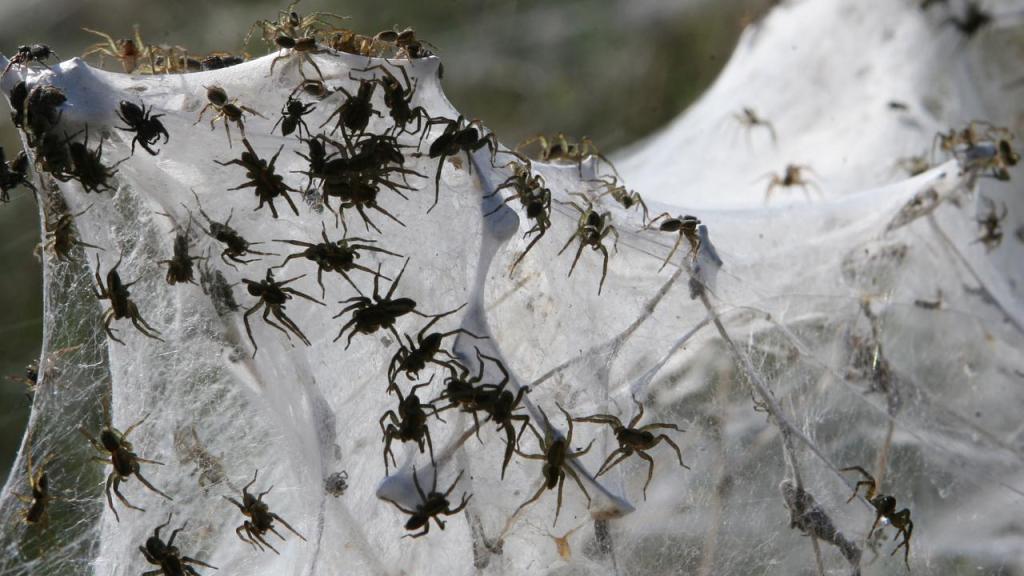
Once spiders arrive on an island, they can quickly establish themselves and spread to other parts of the island. This can lead to the evolution of new species, as spiders adapt to the unique environmental conditions on the island. Islands are often home to many endemic species, which are species that are found nowhere else in the world. Spiders are no exception, and many unique spider species have evolved on islands around the world.
Understanding the distribution and evolution of spiders can provide insights into the broader patterns and processes that shape the natural world.
 Tourism Tails