Flies are not just pests. Fly pollination is a crucial process that involves the transfer of pollen from the male to the female reproductive parts of flowers by flies. Flies, particularly those that feed on decaying matter, play a significant role in the pollination of plants. While they may not be as popular as bees, butterflies, or hummingbirds, they are essential in maintaining the balance of various ecosystems.
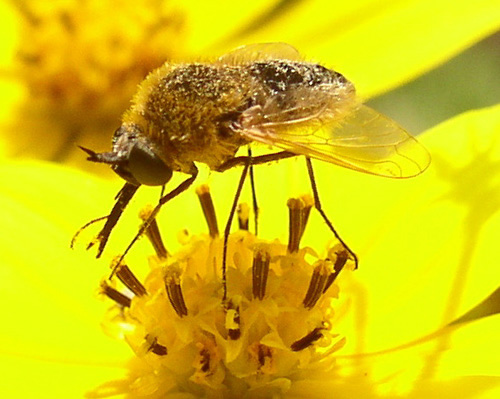
Flies are attracted to flowers that emit an unpleasant odour or have decaying matter, which serves as their primary source of food. These flowers typically have a dull colour, which is not visually appealing to other pollinators. Flies are also attracted to plants that produce a sap-like secretion, which they feed on.
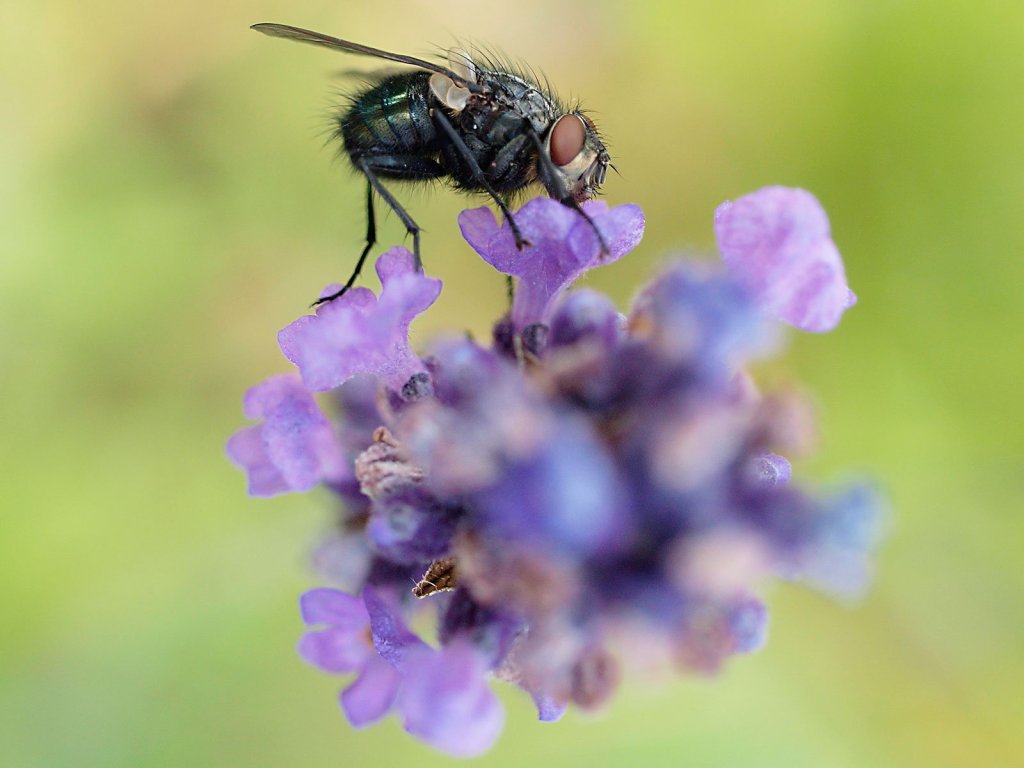
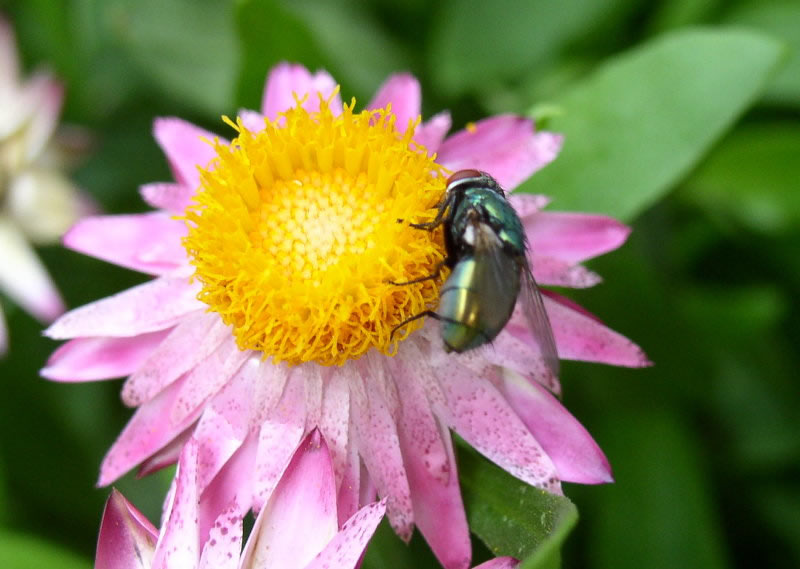
When flies land on flowers, they use their legs to cling to the surface and begin to feed. As they feed, the pollen grains stick to their bodies, particularly their legs, which they carry to other flowers they visit. When they visit another flower of the same species, the pollen grains rub off, fertilising the female reproductive parts.
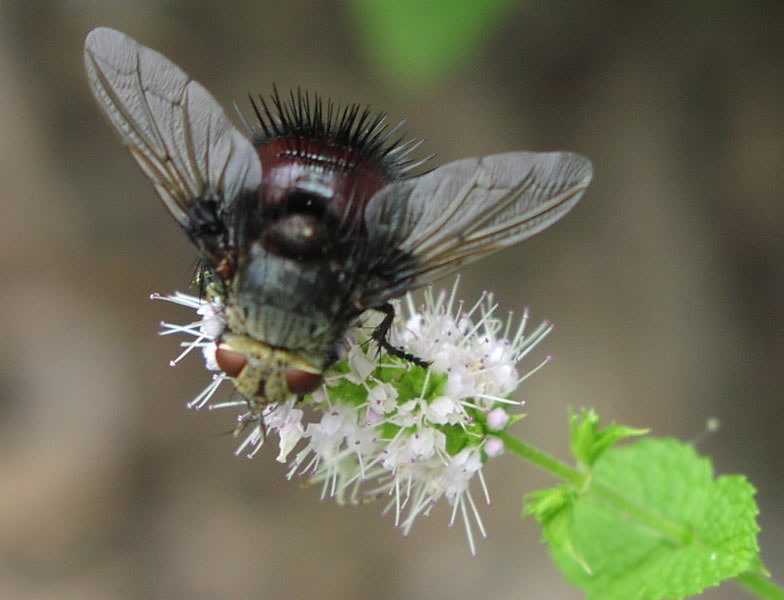
While fly pollination may not be as efficient as other forms of pollination, it plays a vital role in the pollination of various plant species. For instance, it is responsible for the pollination of plants such as pawpaw, magnolia, and goldenrod. Without these flies, these plants would not be able to reproduce and would ultimately die out.
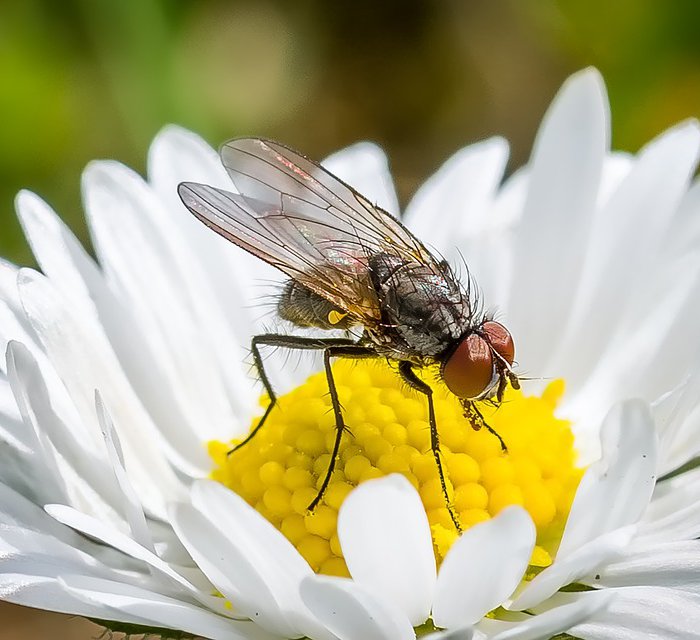
Fly pollination may not be as glamorous as other forms of pollination, but it is essential in maintaining the balance of various ecosystems. We need to appreciate the crucial role that flies play in our environment.
 Tourism Tails