The spiral arrangement in daisies is a fascinating phenomenon that has puzzled scientists and nature enthusiasts for centuries. The spiral pattern is a result of the Fibonacci sequence, a mathematical concept discovered by the Italian mathematician, Leonardo Fibonacci.
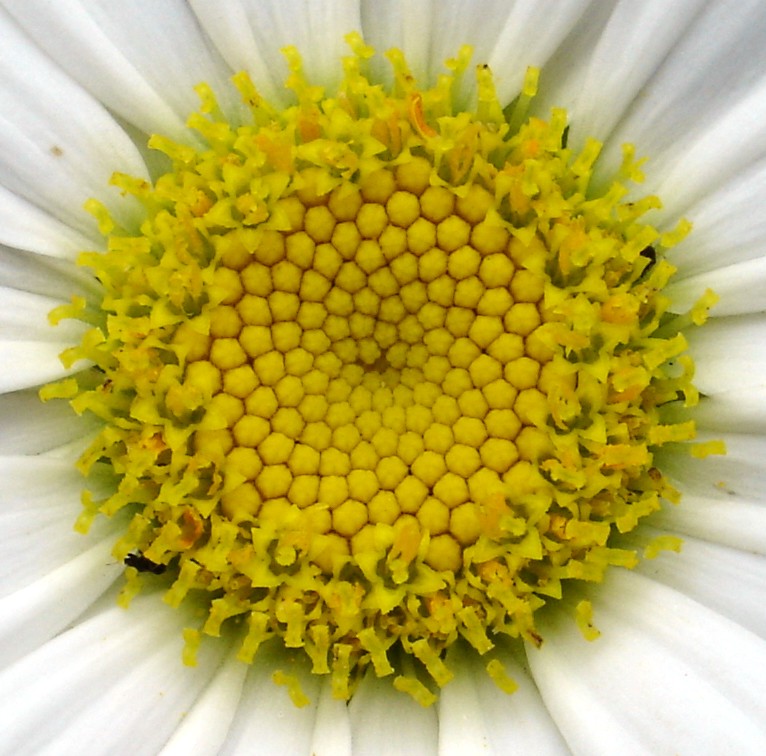
The Fibonacci sequence is a series of numbers in which each number is the sum of the two preceding numbers, starting from 0 and 1. The sequence goes as follows: 0, 1, 1, 2, 3, 5, 8, 13, 21, 34, 55, and so on. This sequence is found in many natural phenomena, including the arrangement of seeds in sunflowers, pinecones, and the spiral pattern in daisies.
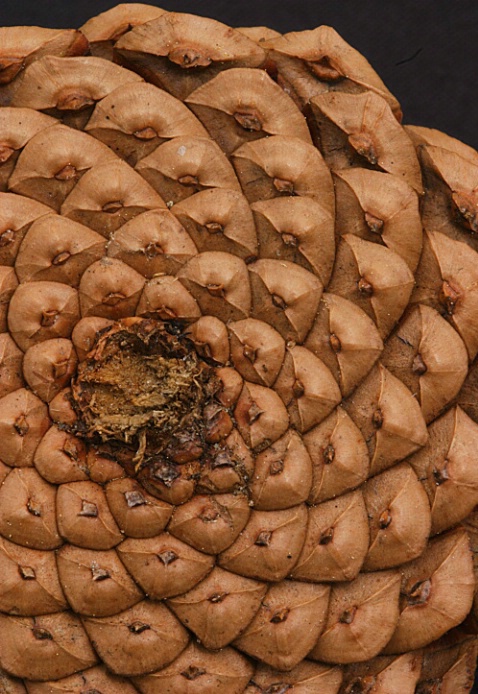
The spiral arrangement in daisies is created by the arrangement of the florets, which are the small flowers that make up the central part of the daisy. The florets are arranged in a spiral pattern, with each floret following the Fibonacci sequence. For example, a daisy may have 21 florets arranged in a spiral pattern. If you count the number of clockwise spirals and the number of counterclockwise spirals, you will find that they are consecutive Fibonacci numbers, such as 13 and 21.
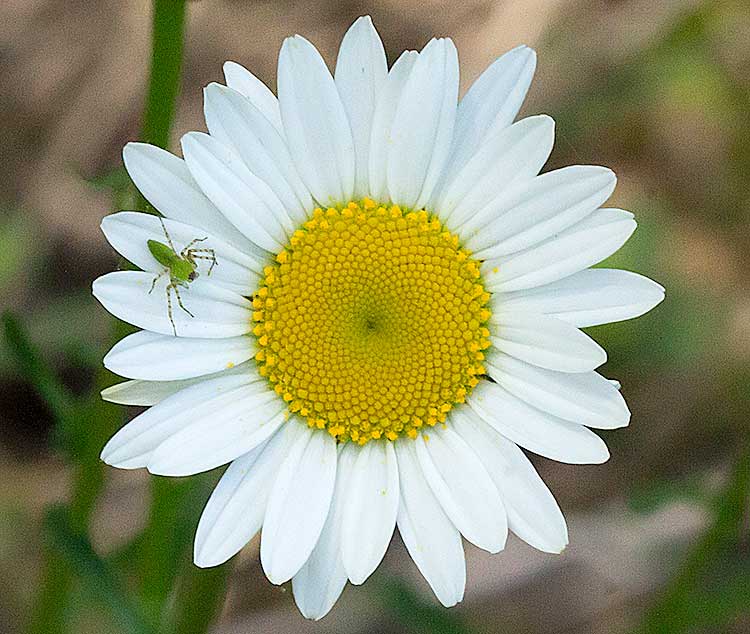
The spiral arrangement in daisies serves an important purpose. It allows the maximum number of florets to be packed into the smallest possible space, thus maximising the daisy’s reproductive success. The spiral pattern also ensures that each floret receives the optimal amount of sunlight and nutrients for growth and development.
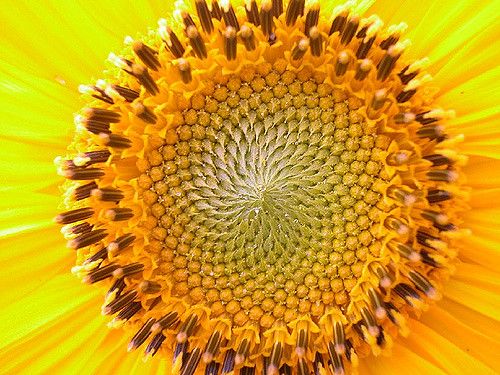
The spiral arrangement in daisies is a remarkable example of the natural world’s mathematical order. The Fibonacci sequence and the spiral pattern it creates play a crucial role in the daisy’s reproductive success and growth. Studying the spiral arrangement in daisies and other natural phenomena can provide insights into the underlying principles that govern the universe.

 Tourism Tails