Orb spiders and trapdoor spiders are two common types of spiders found in different parts of the world. While both are spiders, they differ in their physical appearance, behaviour, and habitat.
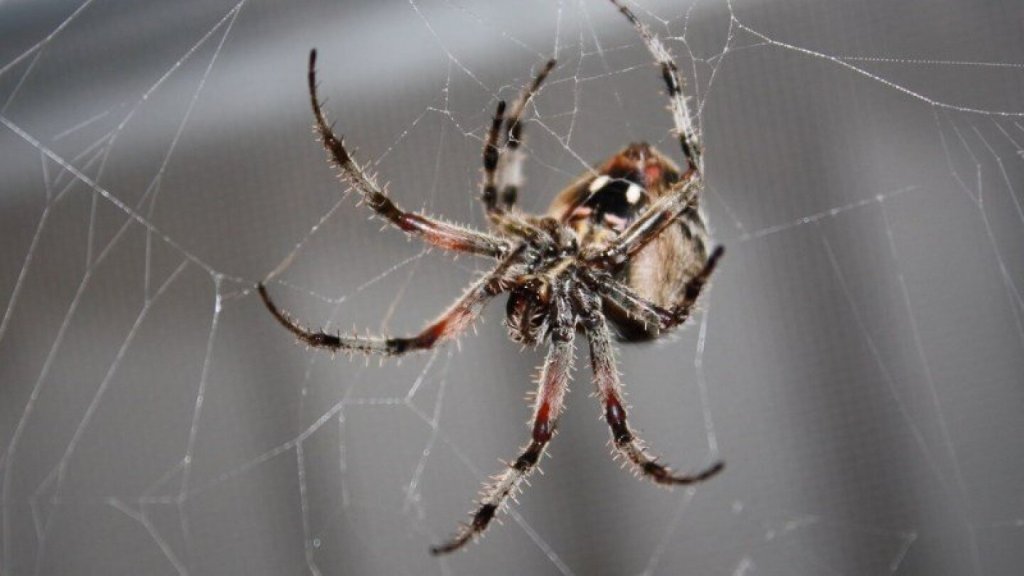
Orb spider
Orb spiders are commonly found in gardens and forests, and their distinctive web design makes them easy to spot. They have a round, flat body with long, slender legs that they use to spin intricate orb-shaped webs. Orb spiders are also known for their brightly coloured bodies, which can range from yellow to green to brown.
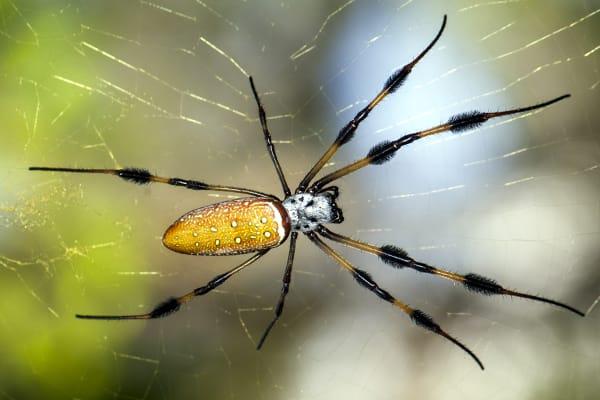
Orb spider
In contrast, trapdoor spiders are much harder to spot, as they live in burrows in the ground and only emerge at night to hunt for prey. They have a stocky, muscular body with short legs and powerful jaws. Trapdoor spiders are known for their ability to build camouflaged burrows with trapdoors made of silk and soil, which they use to ambush unsuspecting prey.
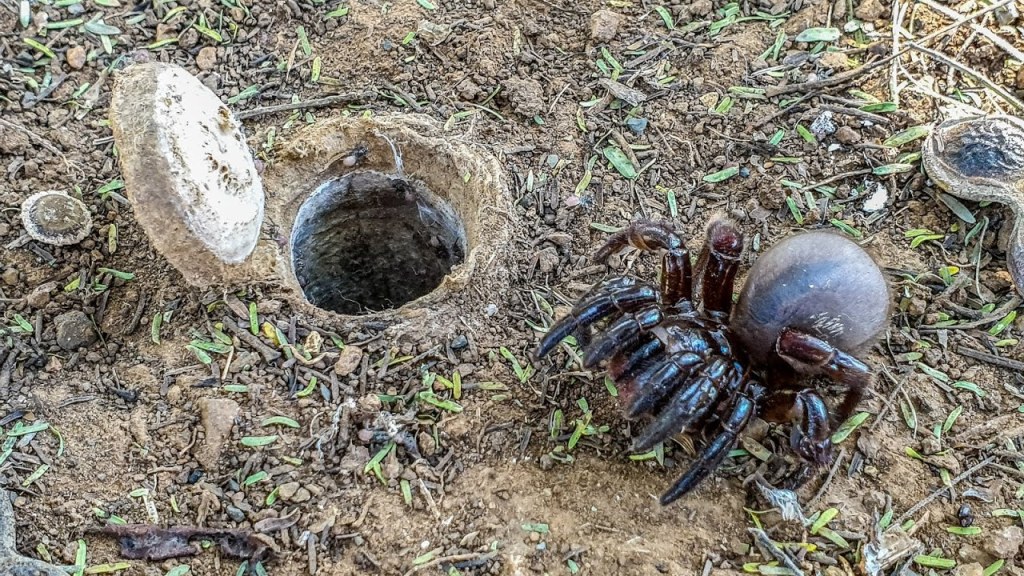
Trapdoor spider
Both orb spiders and trapdoor spiders are skilled hunters, using their unique adaptations to catch their prey. Orb spiders use their webs to trap flying insects, while trapdoor spiders use their strength and stealth to ambush ground-dwelling insects and other small animals.
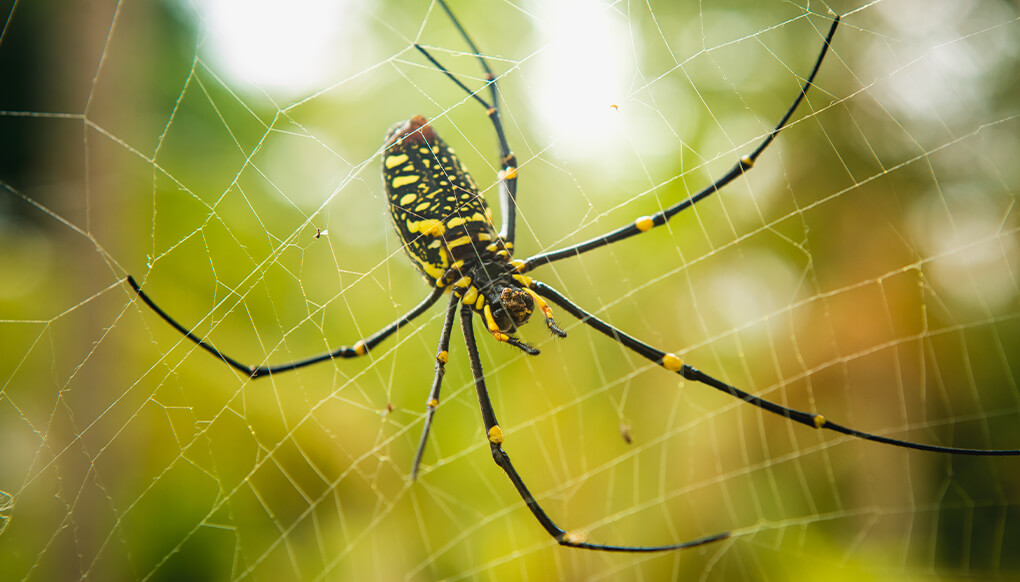
Orb spider
In terms of behaviour, orb spiders tend to be more active during the day, while trapdoor spiders are nocturnal. Orb spiders are also more social, with some species living in large colonies, while trapdoor spiders are solitary creatures.
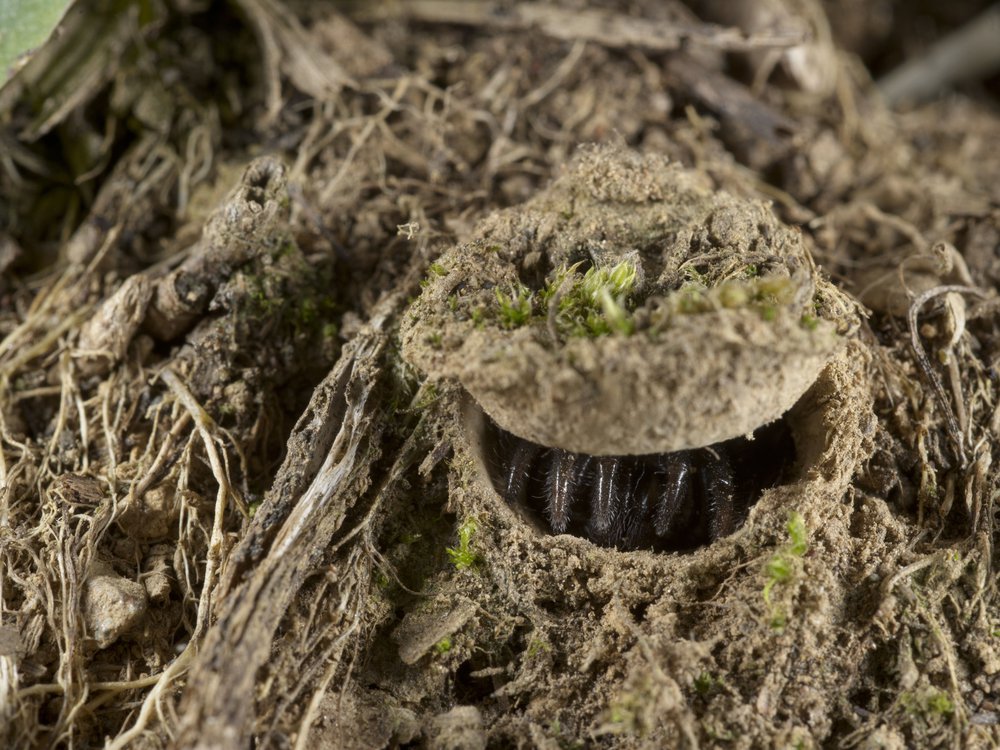
Trapdoor spider
In conclusion, while orb spiders and trapdoor spiders are both fascinating creatures, they differ in many ways, from their appearance and behaviour to their hunting methods and habitats. Despite their differences, both types of spiders play important roles in their respective ecosystems, controlling populations of insects and other small animals and contributing to the complex web of life in the natural world.
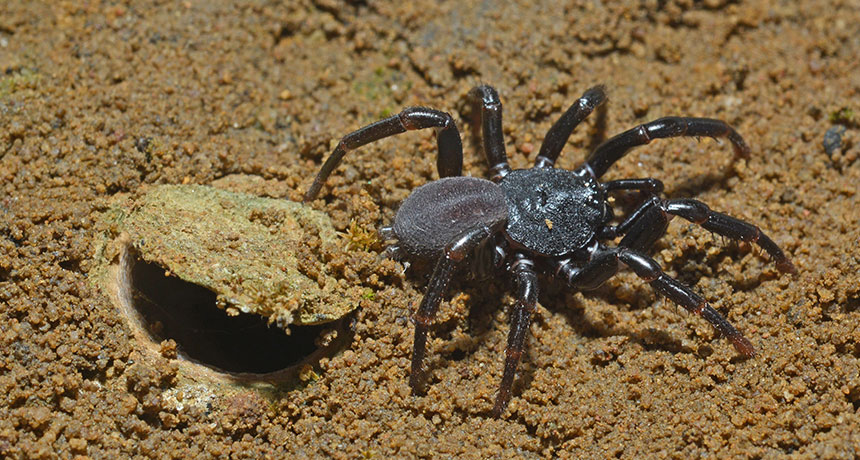
Trapdoor spider
 Tourism Tails