The limpets of the western Cape are a fascinating and diverse group of marine snails that inhabit the rocky intertidal zones along the coast of South Africa’s western Cape province. Limpets are members of the Gastropoda class and are characterized by their conical shells, which are attached to the rocky substrate by a strong muscular foot.
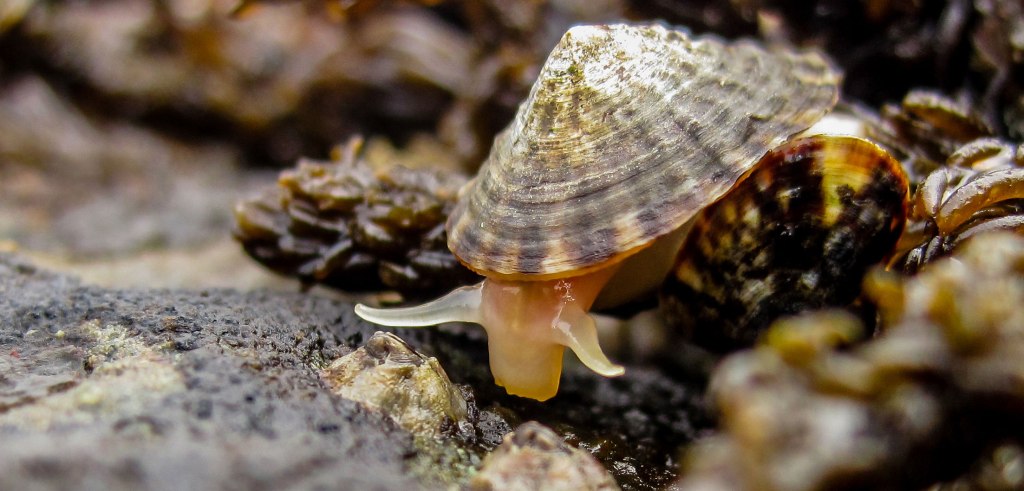
The western Cape is home to a wide variety of limpet species, including the giant limpet, the white-tipped limpet, and the black-footed limpet. Each species has its unique physical and behavioural characteristics that allow it to adapt to the harsh and dynamic intertidal environment.
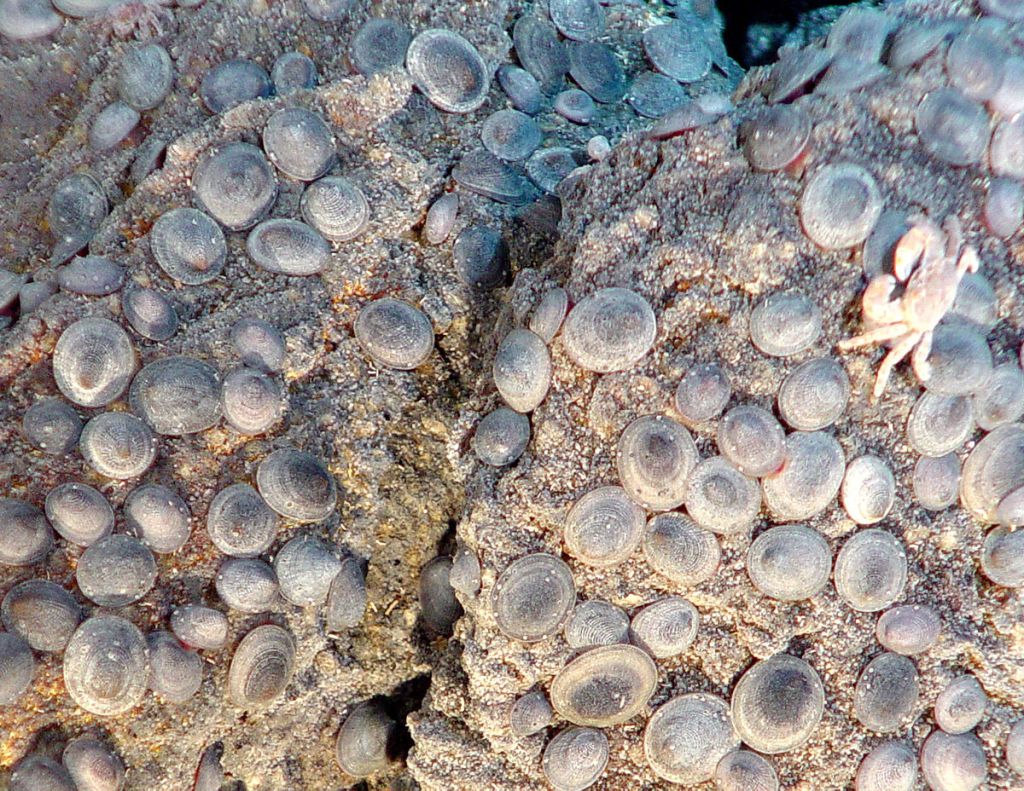
Limpets play an essential ecological role in intertidal ecosystems by grazing on algae and other microorganisms, which helps to control the growth of these species and maintain the health of the ecosystem. They are also an important food source for many predators, including birds, fish, and other marine animals.
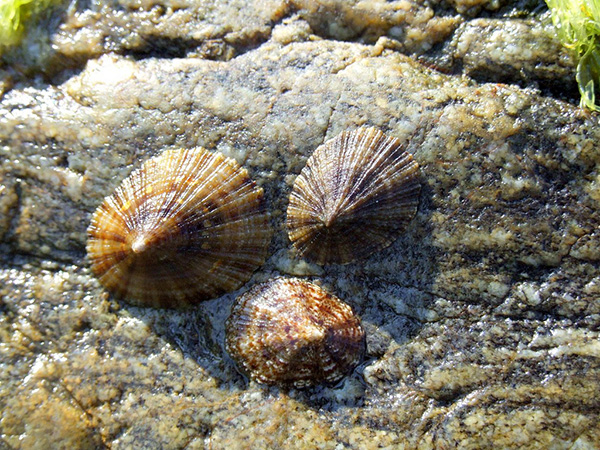
Despite their ecological importance, limpets are often threatened by human activities such as overfishing, pollution, and habitat destruction. In recent years, efforts have been made to protect these species and their habitats through the establishment of marine protected areas and other conservation measures.
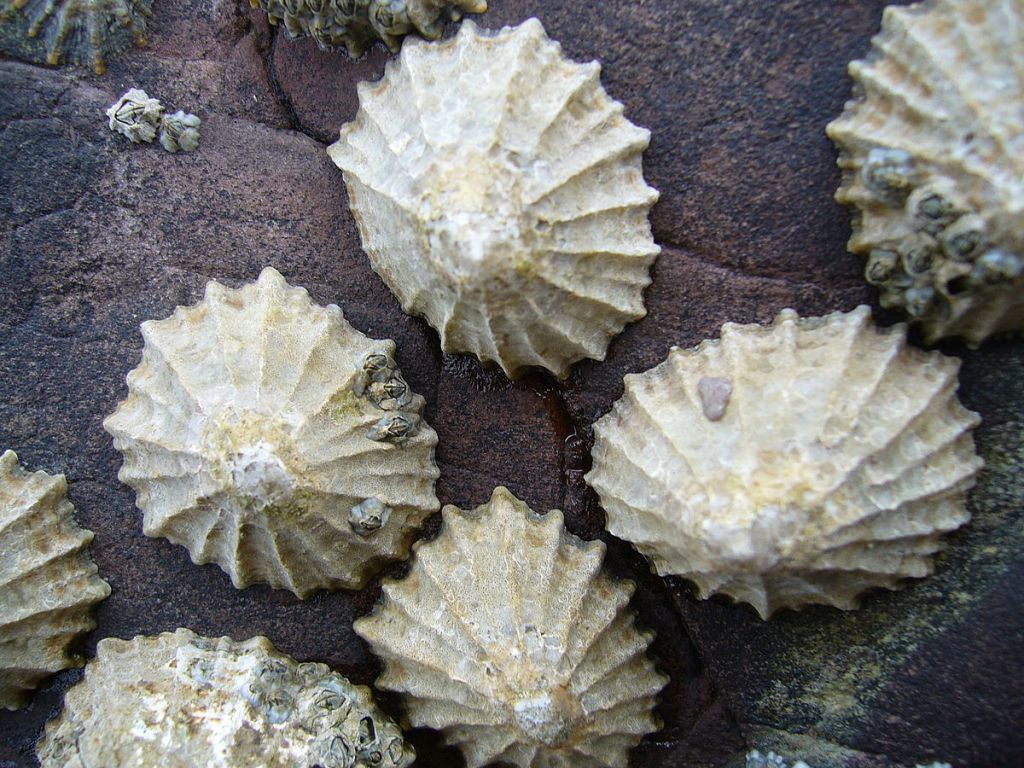
Research into the limpets of the western Cape has also provided valuable insights into the biology and ecology of these fascinating creatures. For example, studies have shown that limpets are able to detect and respond to changes in their environment, such as the presence of predators, through chemical cues and other sensory mechanisms.
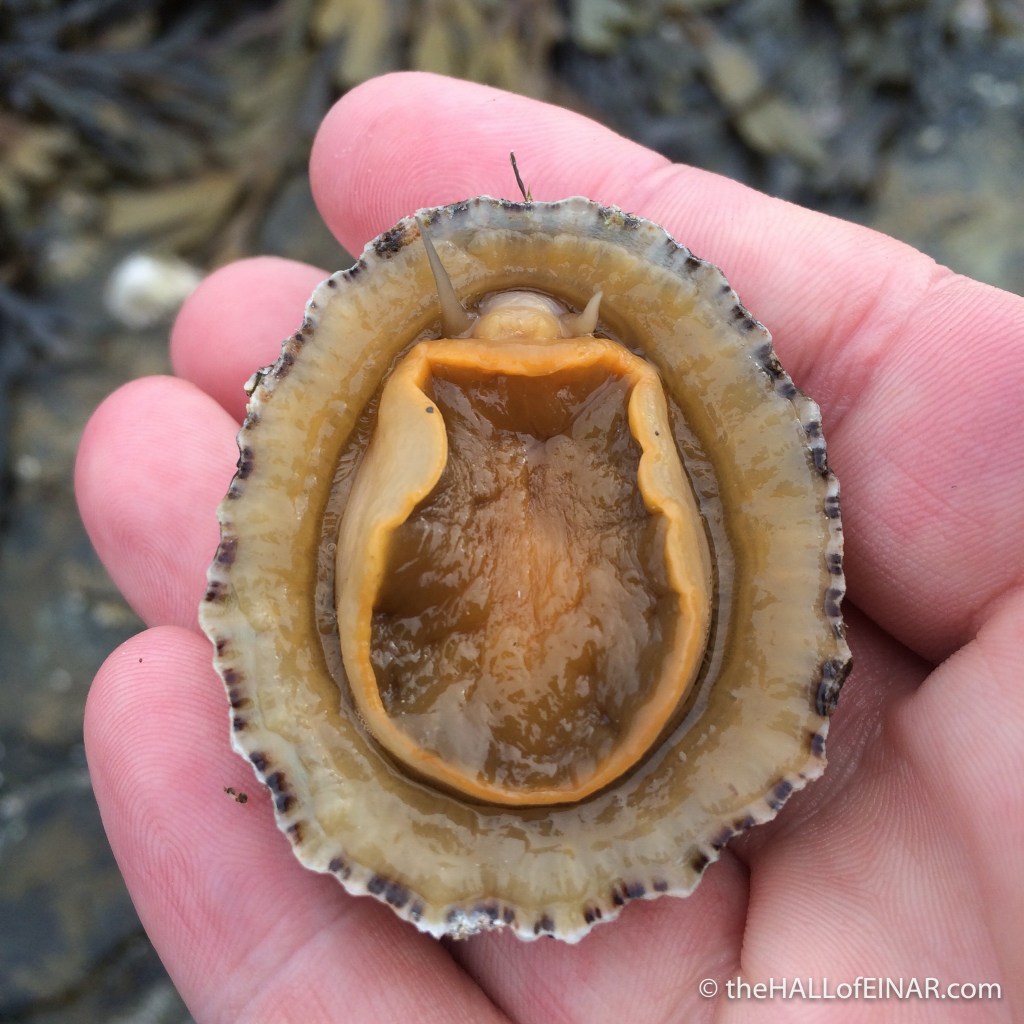
Overall, the limpets of the western Cape are a unique and valuable component of the region’s marine biodiversity. By studying and protecting these species, we can learn more about the ecology of intertidal ecosystems and help to ensure the long-term health and sustainability of our oceans.
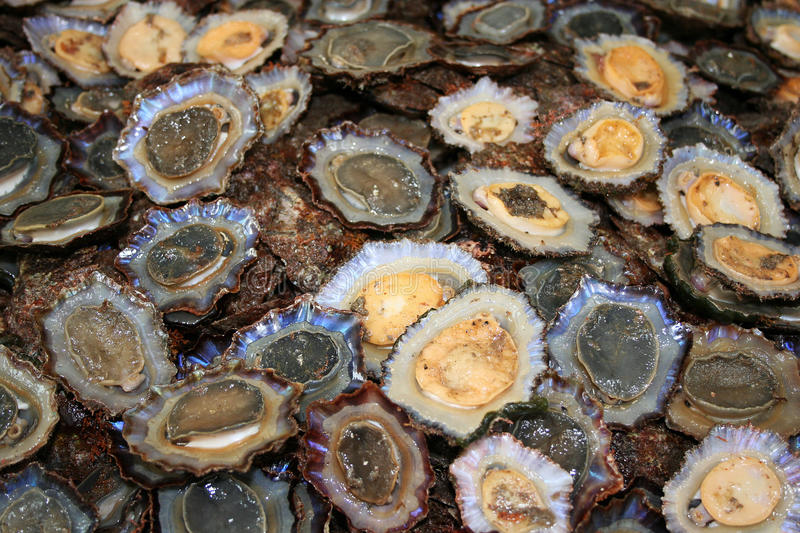
 Tourism Tails