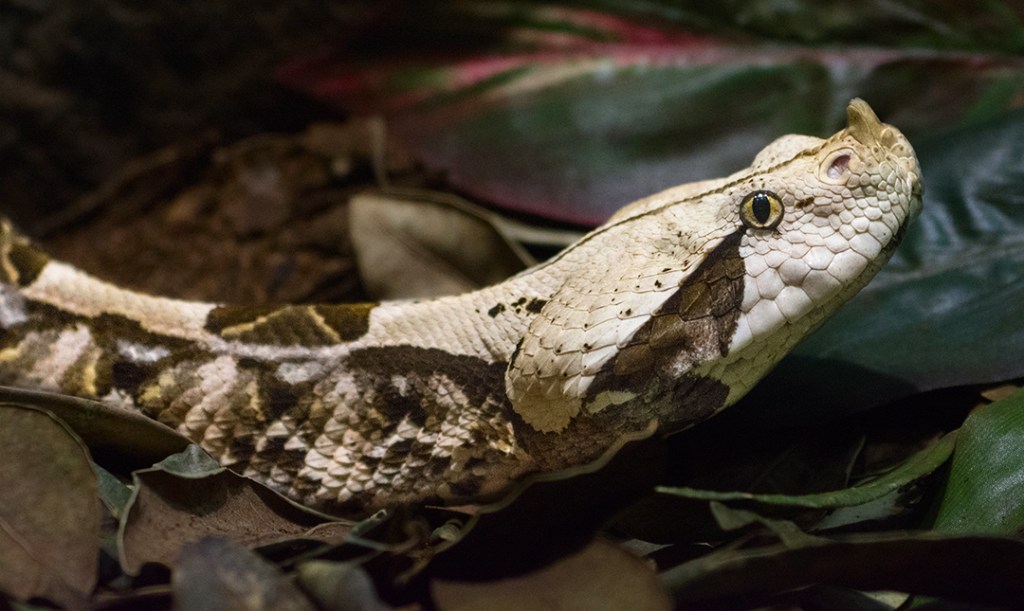
Gaboon adders are venomous snakes that are found in the rainforests of central and western Africa. They are known for their potent venom, which contains three types of toxins that are used to subdue and kill their prey.
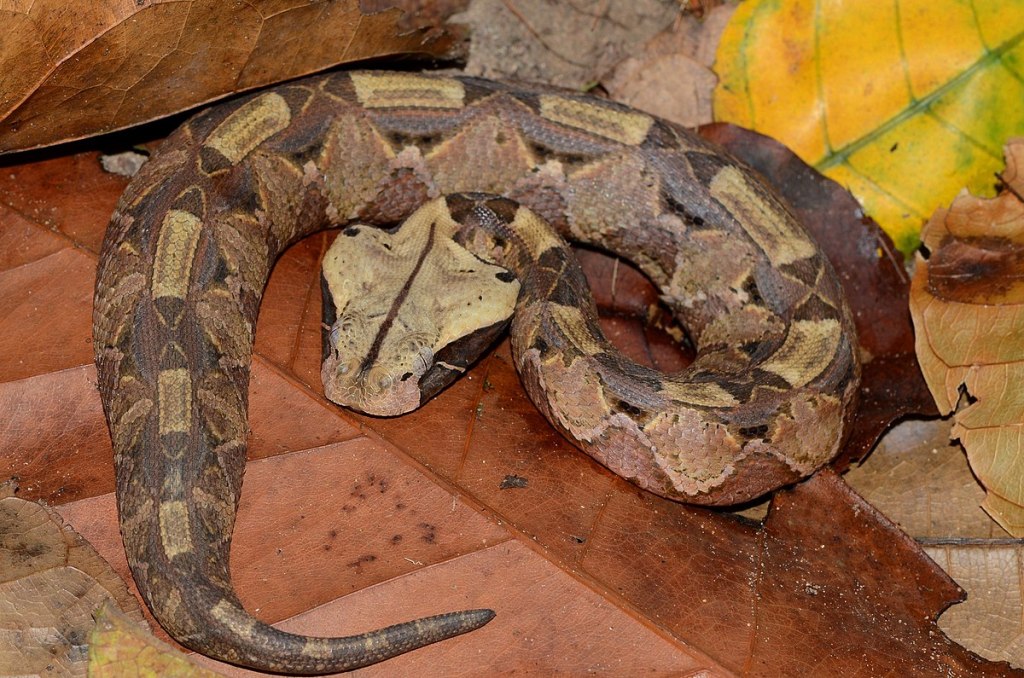
The first type of toxin found in Gaboon adder venom is neurotoxin, which attacks the nervous system of the prey. This toxin works by disrupting the communication between the nerves and muscles, leading to paralysis and ultimately, death. Neurotoxins are commonly found in the venom of many different types of venomous snakes, including cobras, mambas, and coral snakes.
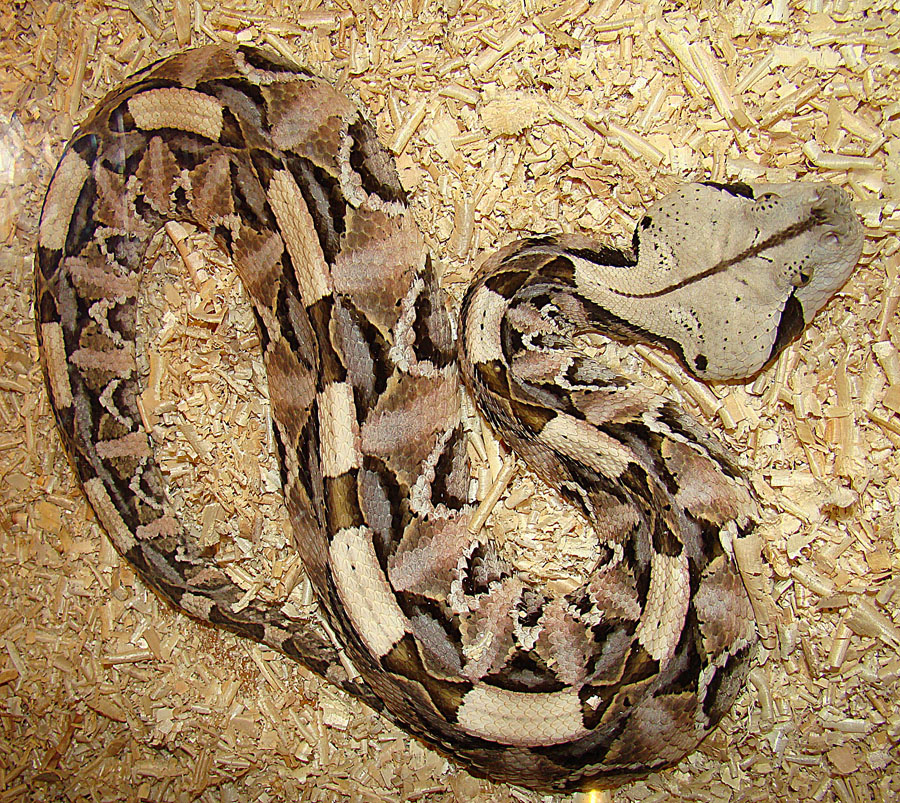
The second type of toxin found in Gaboon adder venom is hemotoxin, which attacks the blood vessels and causes internal bleeding. Hemotoxins are commonly found in the venom of vipers, including rattlesnakes, copperheads, and cottonmouths.
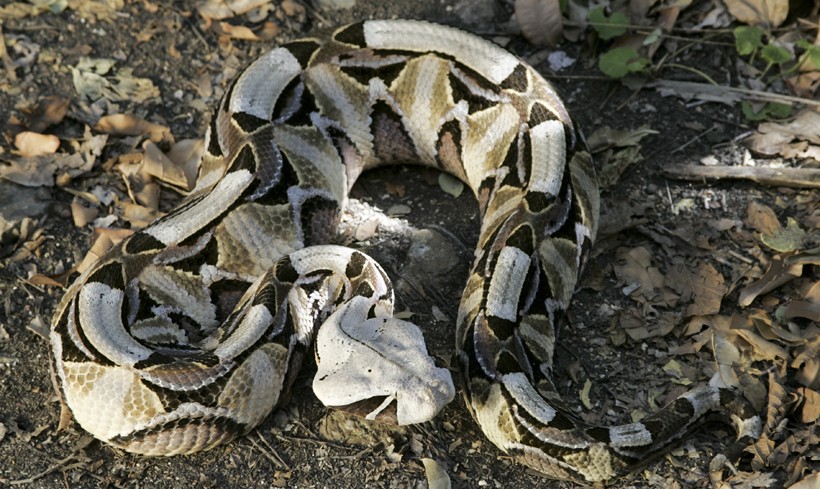
The third type of toxin found in Gaboon adder venom is cytotoxin, which attacks the cells and tissues of the prey. This toxin causes tissue damage and can lead to necrosis, or the death of cells and tissue. Cytotoxins are commonly found in the venom of many different types of venomous snakes, including vipers, cobras, and pit vipers.
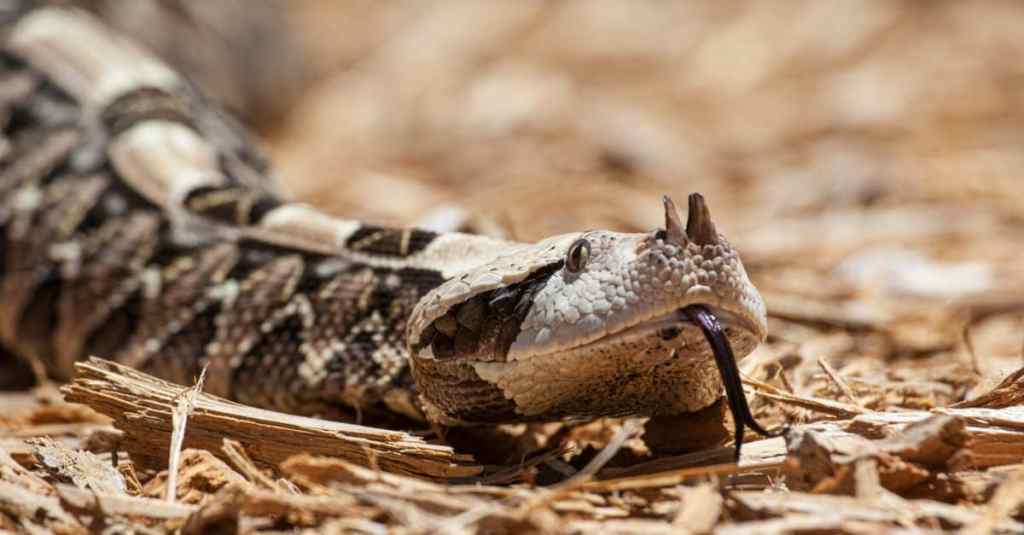
The combination of these three types of toxins makes Gaboon adder venom one of the most potent and deadly of all snake venoms. Despite their dangerous reputation, Gaboon adders play an important role in their ecosystem by controlling populations of rodents and other small animals.

In conclusion, Gaboon adders are fascinating and deadly creatures that use a combination of three different types of toxins in their venom to subdue and kill their prey. While their venom is highly dangerous to humans and other animals, Gaboon adders play an important role in their ecosystem and serve as a reminder of the complex web of life in the natural world.
 Tourism Tails