Wild date palms are an important part of the ecology and cultural heritage of iSimangaliso Wetland Park in South Africa. iSimangaliso is a UNESCO World Heritage Site located on the east coast of South Africa, covering a wide range of ecosystems, including wetlands, forests, and coral reefs. The park is home to a unique population of wild date palms that play a vital role in the ecology of the area and have significant cultural and economic importance.
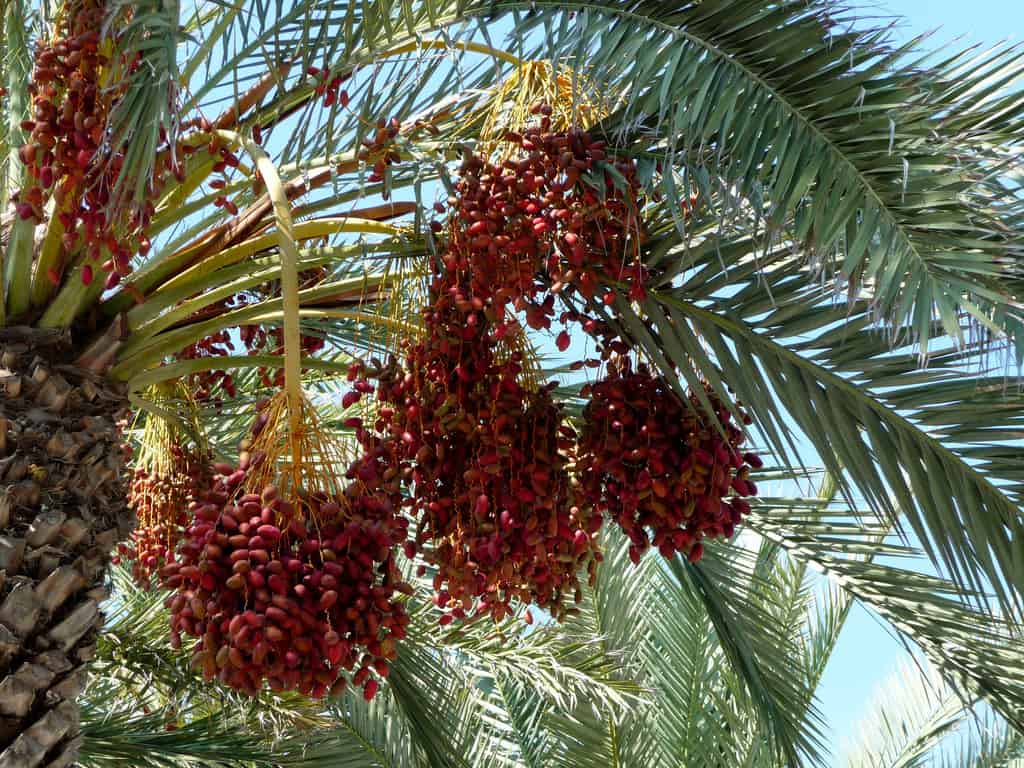
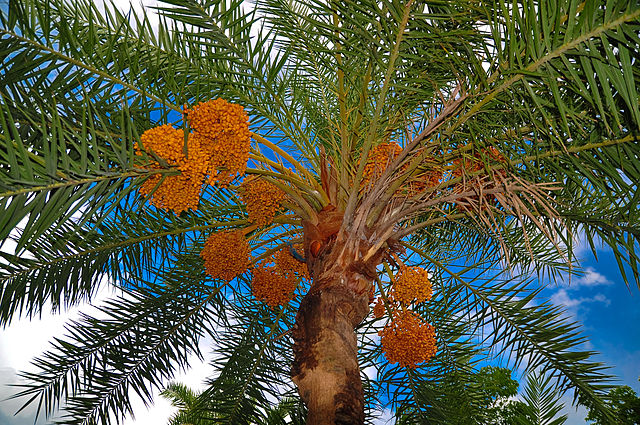
Wild date palms are native to Africa and are one of the oldest cultivated plants in the world. They are found in the tropical and subtropical regions of Africa, and iSimangaliso is home to one of the largest populations of wild date palms in South Africa. The palms are an important source of food for both humans and wildlife. The fruit of the wild date palm is high in nutritional value and is consumed by a variety of animals, including baboons, monkeys, birds, and bats.
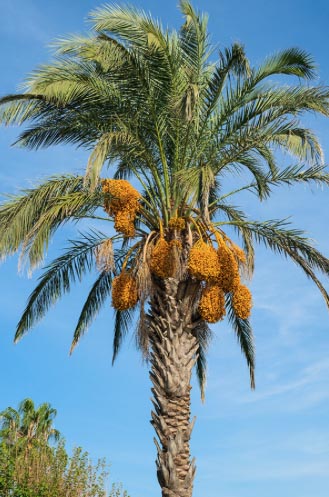
In addition to their ecological importance, wild date palms also have significant cultural and economic value. The palm fronds are used for weaving baskets, mats, and hats, while the wood is used for carving and construction. The fruit is also harvested and sold in local markets, providing an important source of income for local communities.
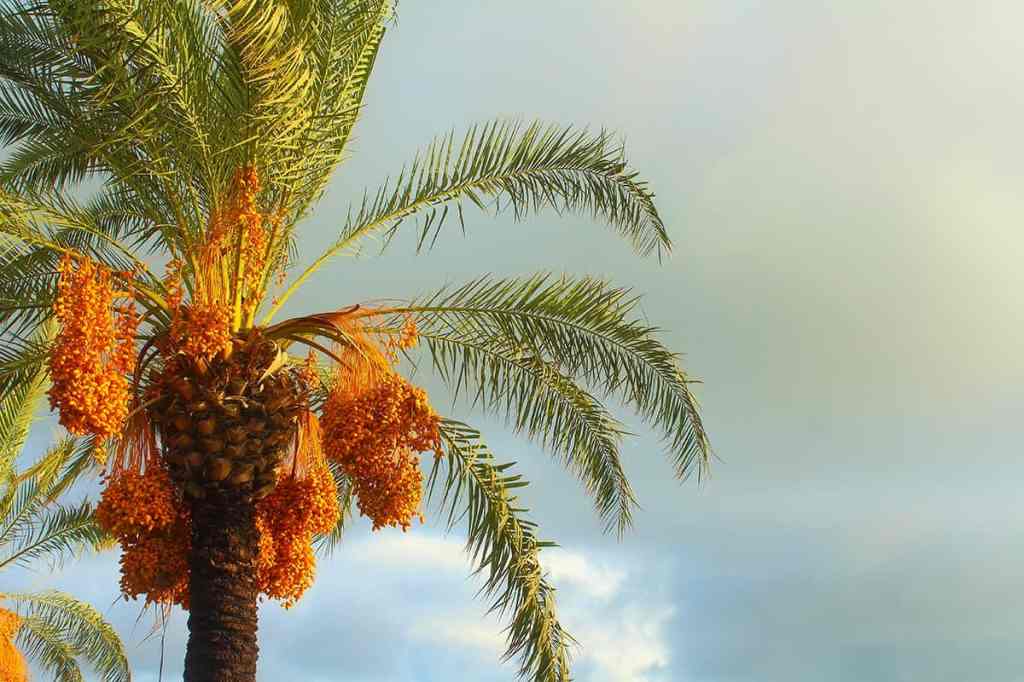
Despite their importance, wild date palms face threats such as habitat loss and illegal harvesting. In response, iSimangaliso has implemented conservation measures to protect the palms, including the establishment of a nursery to propagate and distribute seedlings and the implementation of educational programs to raise awareness about the importance of wild date palms.
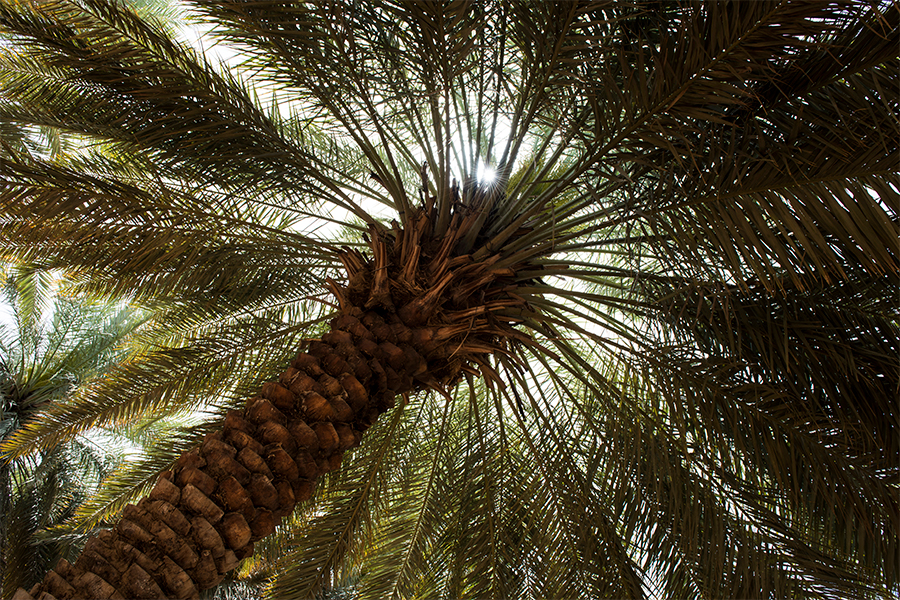
In conclusion, wild date palms are a vital part of the ecology, culture, and economy of iSimangaliso Wetland Park. Their importance is reflected in the efforts to protect and conserve them, and their continued presence in the park is a testament to the value of preserving natural and cultural heritage.
 Tourism Tails