Zircon is not just a pretty face. In the world of geology and scientific research, few minerals possess the remarkable time-keeping properties that zircon does. Zircon, a versatile mineral abundant in Earth’s crust, holds within its crystalline structure a record of geological ages and events.
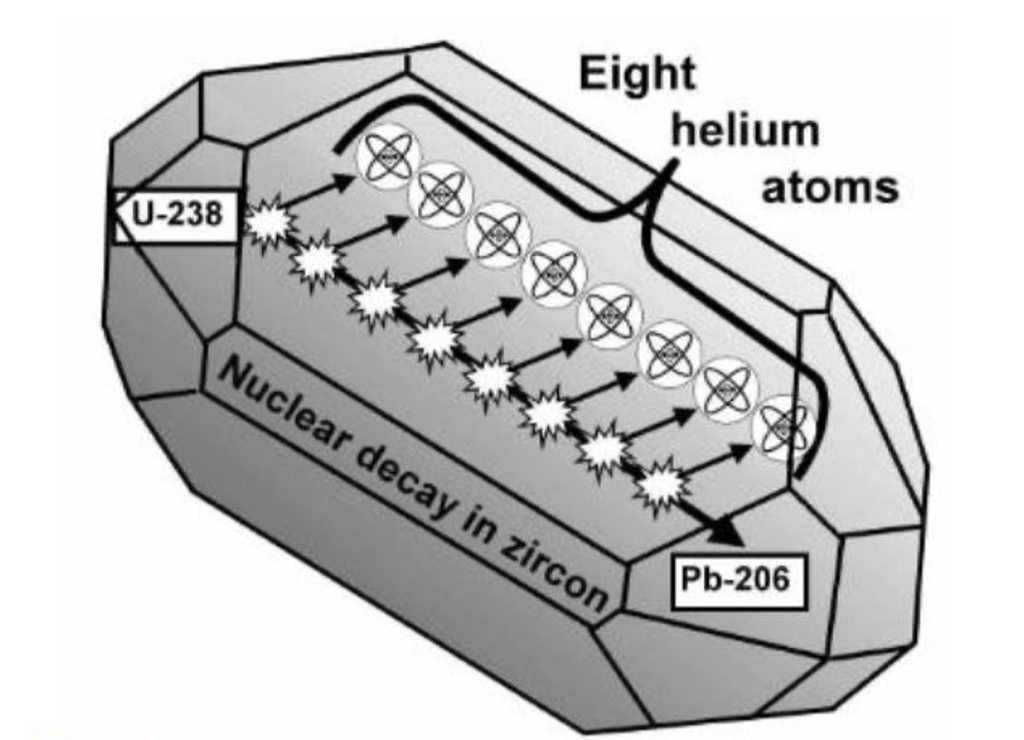
Zircon’s unique ability to incorporate uranium and exclude lead during its crystallization process makes it an ideal candidate for radiometric dating techniques. By measuring the ratio of uranium to lead isotopes within zircon crystals, scientists can determine the age of geological formations with remarkable precision. This method, known as uranium-lead dating, has revolutionized our understanding of Earth’s ancient history, as zircon has been discovered in rocks as old as 4.4 billion years.
One of the key reasons zircon serves as a reliable timekeeper is its exceptional durability. Zircon crystals are highly resistant to weathering, erosion, and chemical alteration. This resilience allows them to preserve their internal structure and chemical composition over long periods, effectively capturing the environmental conditions and isotopic ratios present at the time of their formation. As a result, zircon crystals provide a window into Earth’s geological past, preserving a wealth of information within their microscopic structures.
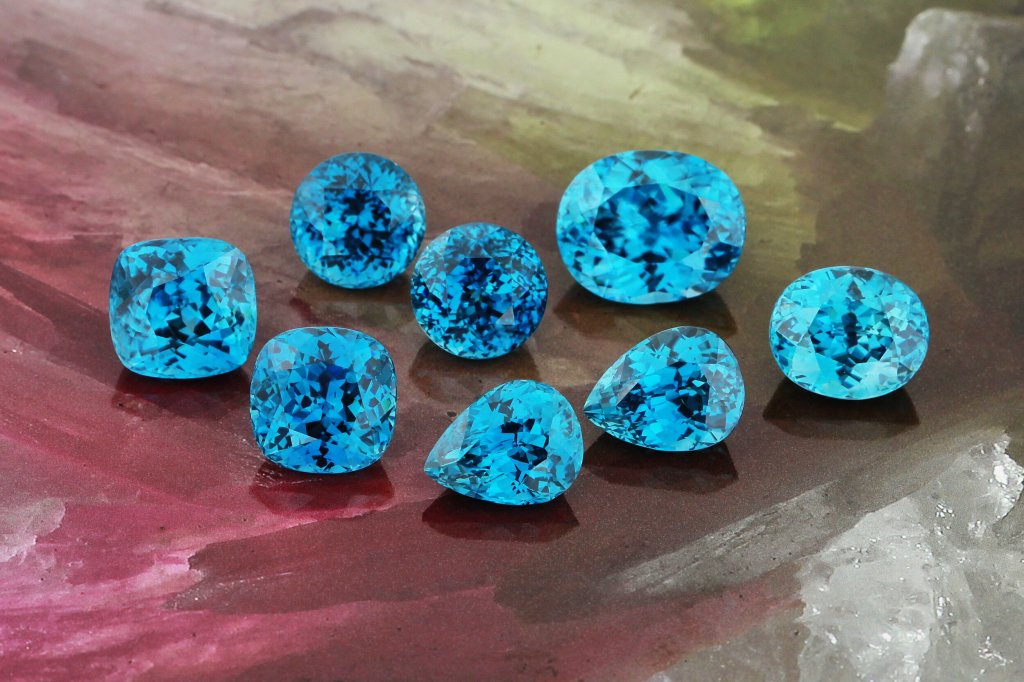
Zircon may be nature’s best clock. It is ideal for use in dating, or geochronology, for many reasons.
- It is very hard, which means makes it resistant to weathering.
- It is resistant to mechanical weathering, which is the process of big rocks breaking into smaller ones, and chemical weathering, which is the erosion of rocks caused by chemical reactions.
- It is also resistant to metamorphism, which is when heat or pressure causes a rock to change its composition or structure.
Zircon is commonly found as the primary mineral in igneous rocks. Since igneous rocks have no fossils, this makes zircon valuable in dating them. Zircon also concentrates Uranium (You) and (although less so) Thorium (Th) and excludes lead (Pb), which means it has a very high U/Pb ratio. This means that any lead found in zircon minerals was made by radioactive decay, after the formation of the mineral. The ratio of lead versus uranium in the zircon is what is used to determine the age of the rock.
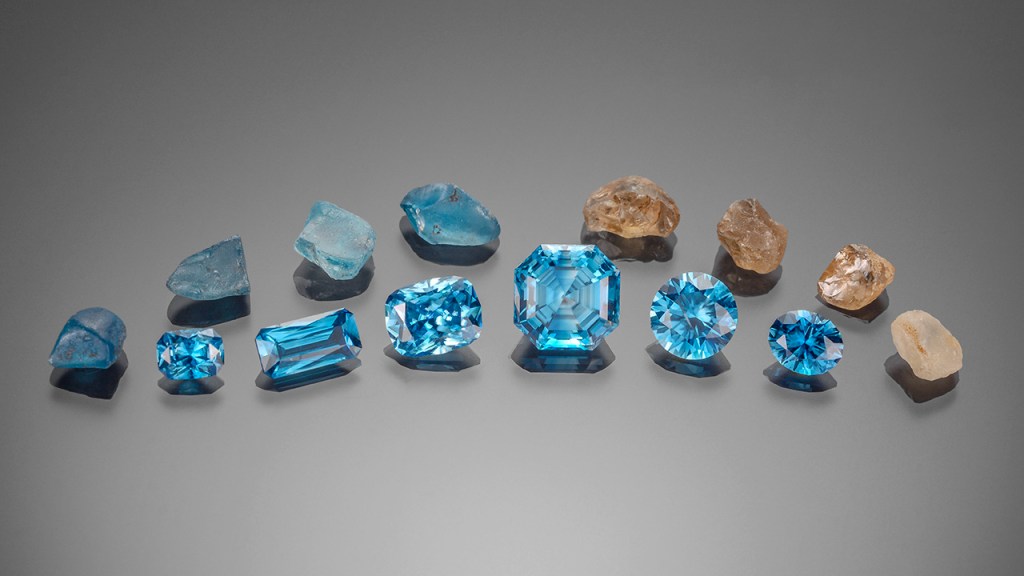
Zircon’s ability to preserve a record of geological events has been instrumental in reconstructing Earth’s history. By analysing zircon crystals from different geological formations worldwide, scientists have pieced together a timeline of Earth’s past, unravelling ancient tectonic events, climate changes, and evolutionary milestones. Zircon has been invaluable in understanding the formation of continents, the movement of continents over time (plate tectonics), and the origin of life on Earth.
 Tourism Tails