The Vredefort Dome, located in South Africa, stands as a testament to the cataclysmic forces that have shaped our planet’s history. This extraordinary geological formation is the result of an ancient meteorite impact, a colossal event that left an indelible mark on the landscape. In this essay, we will explore the size of the meteorite that caused the Vredefort Dome and delve into the profound impact it had on the Earth’s surface and subsequent scientific understanding.
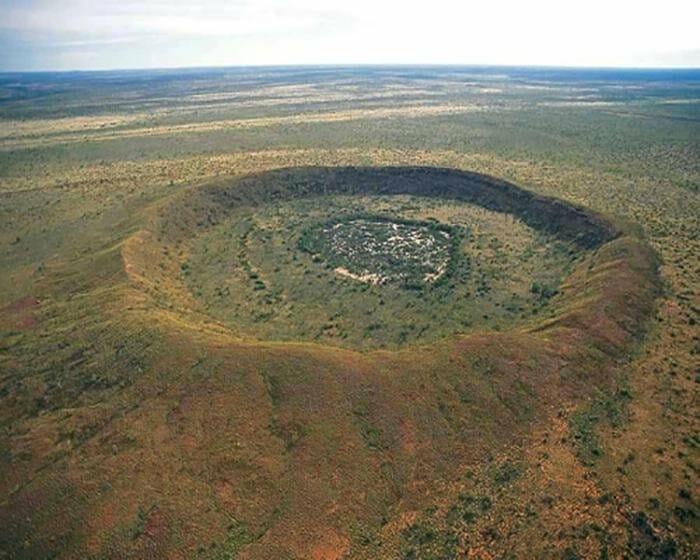
The meteorite responsible for the Vredefort Dome is believed to have been an enormous space rock, estimated to have had a diameter of approximately 10 to 15 kilometers (6 to 9 miles) upon entering the Earth’s atmosphere. The precise size and composition of the meteorite are still subject to ongoing scientific research, but its immense scale is widely recognized. Upon impact, the energy released from the collision was estimated to be equivalent to billions of atomic bombs, causing unimaginable devastation and permanently altering the geological landscape.
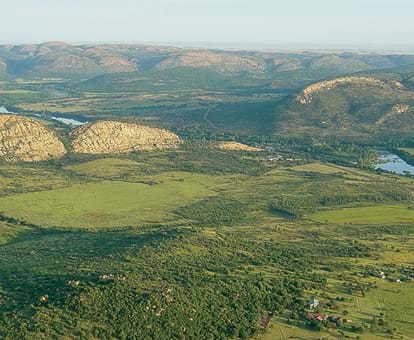
The Vredefort impact event occurred approximately 2 billion years ago during the Paleoproterozoic era. The meteorite collided with the Earth’s crust, resulting in a tremendous release of energy. The impact created a massive crater, approximately 300 kilometres (186 miles) in diameter, with the epicentre near the town of Vredefort in present-day South Africa. The sheer magnitude of the collision caused the crust to rebound, creating a raised central peak that later eroded over time, forming the unique dome-shaped structure we see today.
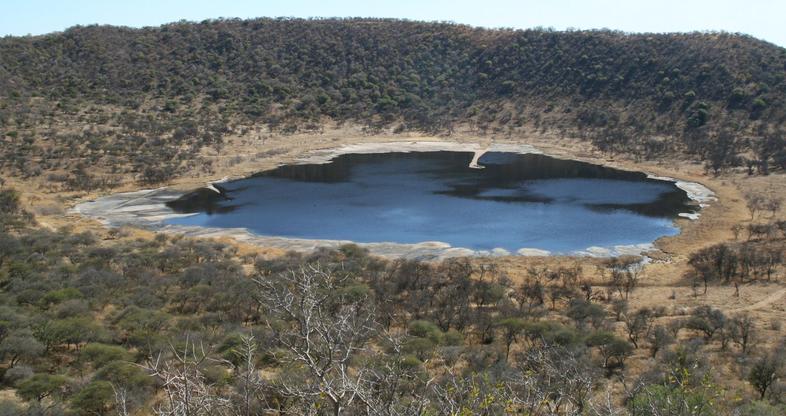
The Vredefort impact event had profound geological effects, both locally and globally. The intense heat generated by the impact caused rocks in the vicinity to melt and subsequently cool, forming distinctive structures known as shatter cones. The immense pressure generated during the collision also led to the creation of extensive fault systems, fractures, and folding of the Earth’s crust, further shaping the landscape.
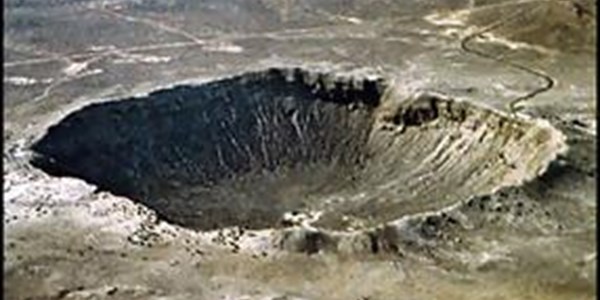
The Vredefort Dome is not only a geological marvel but also an invaluable scientific resource. The impact structure provides scientists with a window into the Earth’s deep past, offering insights into the processes that shaped our planet billions of years ago. Studying the Vredefort Dome allows geologists to better understand meteorite impact dynamics, planetary evolution, and the long-term effects of such cataclysmic events on Earth’s geology and life forms.
Due to its scientific and cultural significance, the Vredefort Dome was declared a UNESCO World Heritage Site in 2005. This recognition ensures the protection and preservation of this natural wonder for future generations, allowing scientists and visitors alike to marvel at the evidence of a cosmic event that shaped the very fabric of our planet.
The Vredefort Dome stands as a testament to the colossal power of meteorite impacts and the enduring influence they exert on our planet. The size of the meteorite that caused the Vredefort Dome, estimated to be between 10 and 15 kilometres in diameter, underscores the scale of the cataclysmic event. This ancient collision left an indelible mark on Earth’s geological history, providing invaluable scientific insights into our planet’s formation and evolution. The preservation and recognition of the Vredefort Dome as a World Heritage Site ensure that its significance will be appreciated and studied for generations to come.
 Tourism Tails