Catfish, a diverse group of freshwater and marine fish, have long captured the curiosity of researchers and enthusiasts alike due to their unique sensory adaptations. Among their many intriguing attributes, their vision stands out as a remarkable and enigmatic aspect of their underwater existence. Catfish possess a complex visual system that has evolved to suit their habitat, behaviour, and hunting strategies.
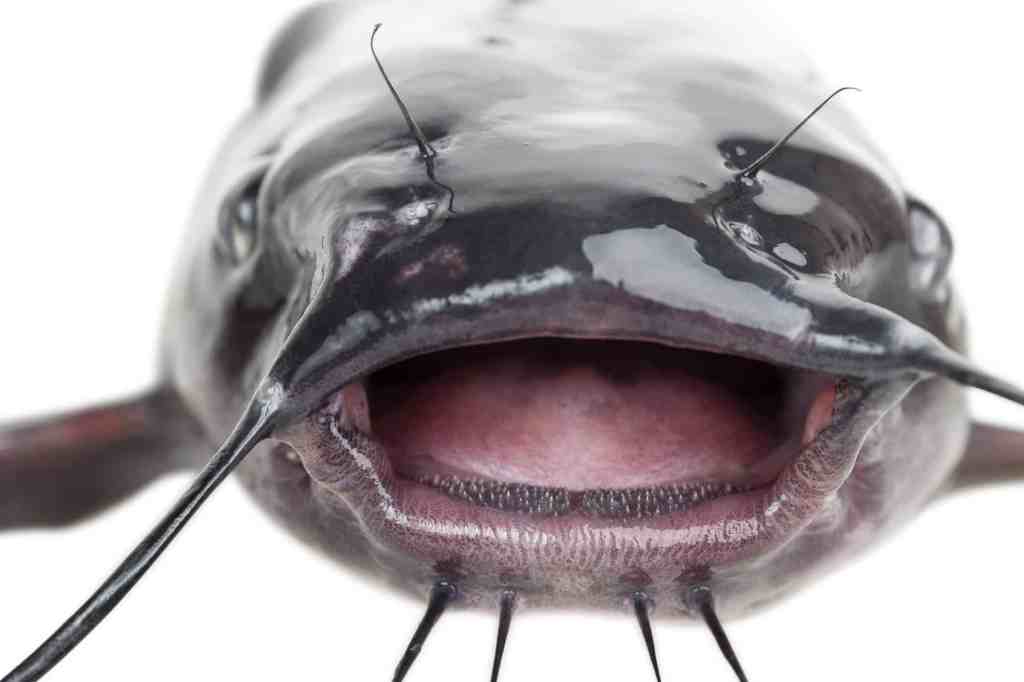
Catfish inhabit a variety of aquatic environments, ranging from murky rivers to clear lakes, each with its distinct visual challenges. To navigate through these varying conditions, catfish have developed a multifaceted approach to vision. Their eyes are adept at adjusting to different light levels, allowing them to thrive in both bright and dimly lit waters.
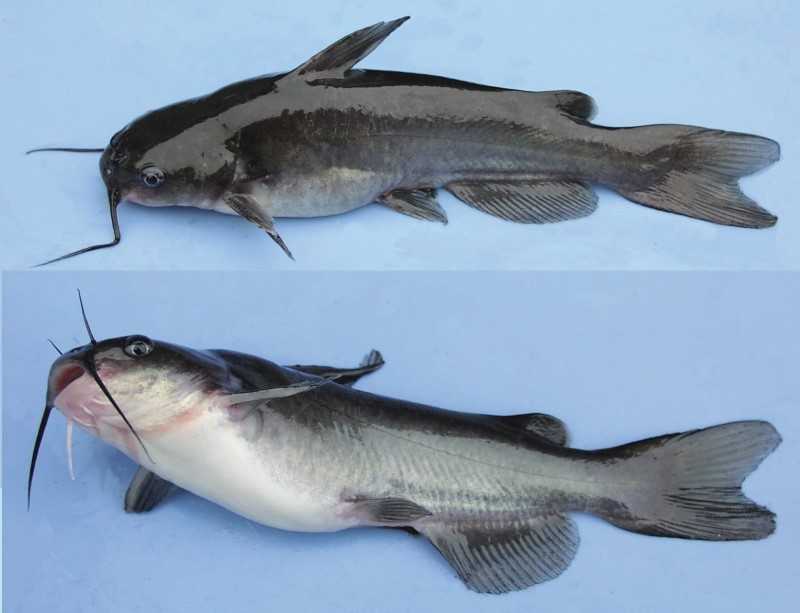
Furthermore, they possess a high density of rod cells, specialized for low-light conditions, enabling them to detect even the faintest movements and changes in their surroundings.
One of the most intriguing aspects of catfish vision is their adaptation to their often turbid habitats. These fish have developed a remarkable sensitivity to short-wavelength light, including ultraviolet (UV) light, which is less affected by water turbidity. This ability provides catfish with a distinct advantage in locating prey and navigating their environment. The inclusion of UV sensitivity in their visual spectrum allows them to perceive a world invisible to many other aquatic species.
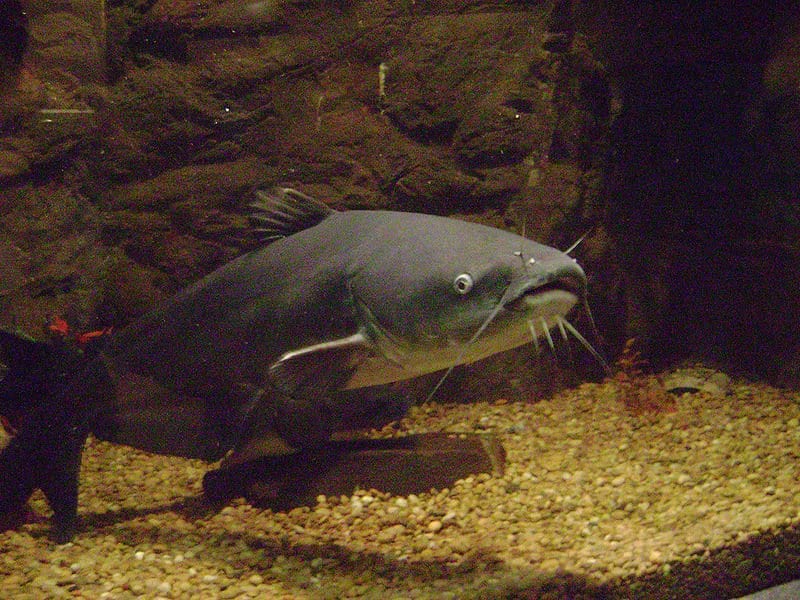
Catfish vision is tightly linked to their behaviour and hunting strategies. Many catfish species are nocturnal predators, relying on their keen low-light vision to ambush prey under the cover of darkness. Their ability to detect UV light further aids in identifying potential prey items, which may exhibit distinct UV patterns that are invisible to other predators. This specialization highlights the intricate connection between vision, behaviour, and survival strategies in these aquatic creatures.
However, catfish vision is not without limitations. Their visual acuity, particularly in well-lit conditions, is relatively modest compared to some other fish species. Additionally, the trade-off between different visual adaptations necessitates a balance between various aspects of their vision, making them more suited to specific environments and hunting methods.
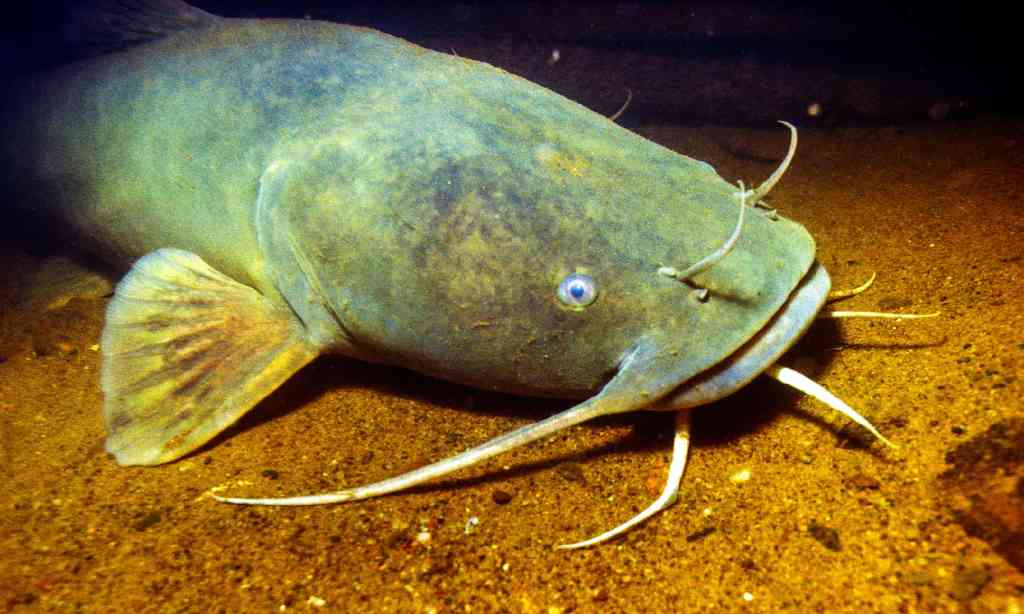
The world of catfish vision offers a captivating glimpse into the intricate adaptations that have allowed these fish to thrive in diverse aquatic ecosystems. Their ability to adjust to varying light conditions, their sensitivity to UV light, and their finely tuned hunting strategies all contribute to their survival and success as apex predators. By delving deeper into the study of catfish vision, researchers continue to uncover the intricate interplay between physiology, behaviour, and environment, shedding light on the mysteries of the underwater realm.
 Tourism Tails