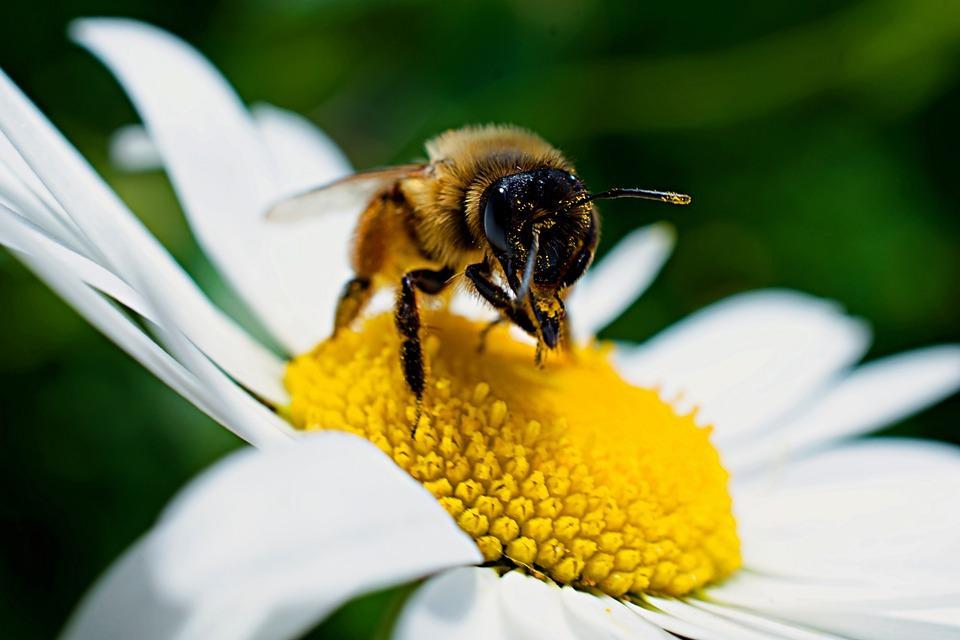
When we think of pollination, our minds often conjure images of bees and butterflies flitting among flowers, transferring pollen from one bloom to another. However, there’s a group of unlikely heroes in this crucial ecological dance—mammals. While insects are indeed the primary pollinators, certain mammals have also evolved to play a significant role in this process, fostering biodiversity and maintaining ecosystems.
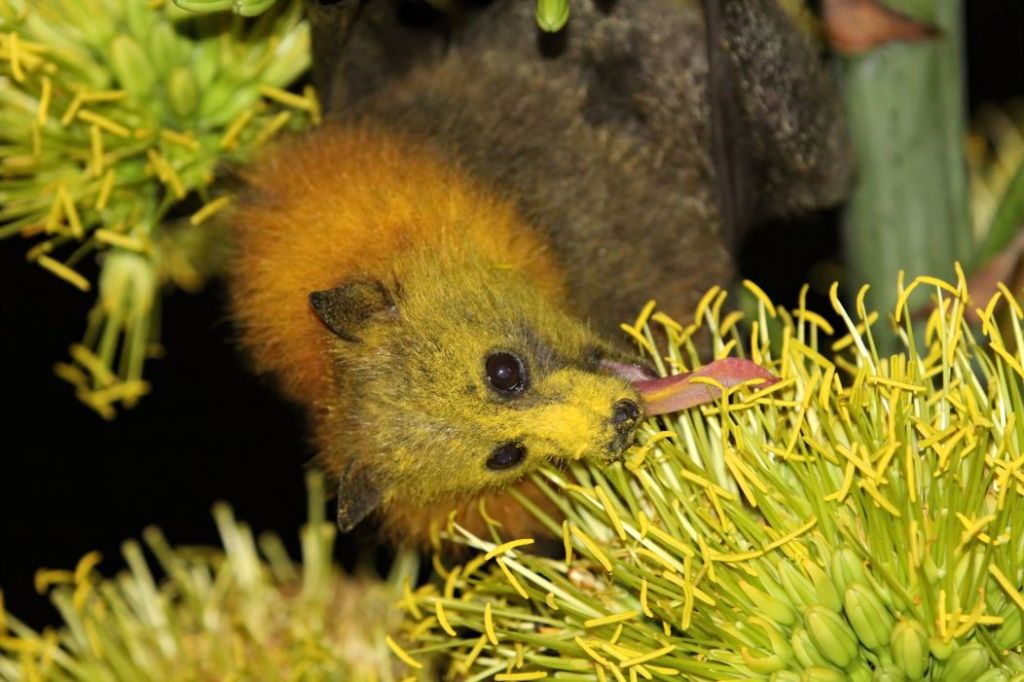
Bats, for instance, stand out as one of the most remarkable mammalian pollinators. Found in various parts of the world, including tropical and desert regions, these winged creatures often visit flowers in search of nectar. In their quest for sustenance, they inadvertently transfer pollen from one flower to another, facilitating fertilization and ensuring the continuation of plant species. The unique relationship between bats and plants has given rise to co-evolution, with plants developing features that cater specifically to these pollinators, such as night-blooming flowers and strong fragrances that attract bats in the dark.
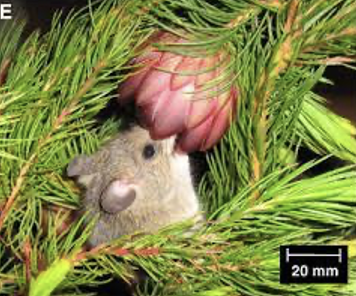
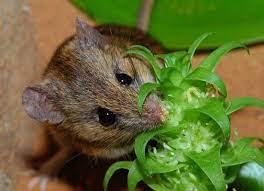
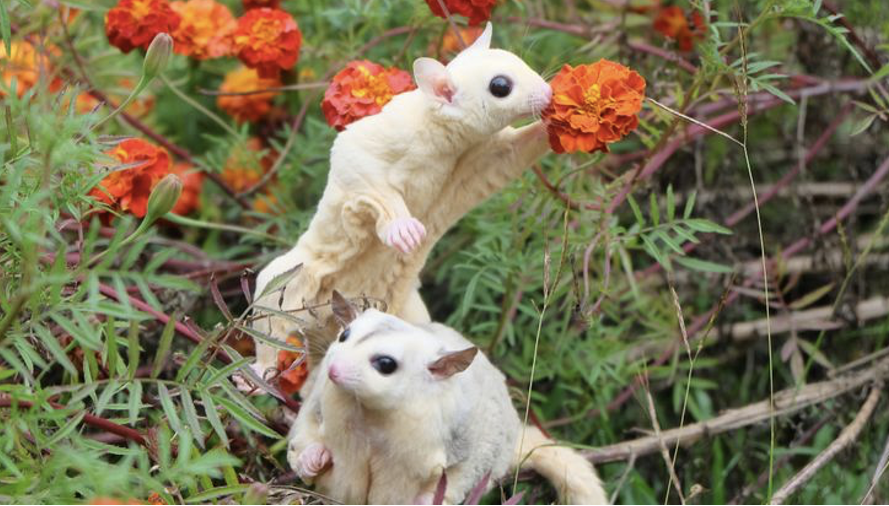
Moreover, certain species of small mammals, like rodents and marsupials, have also been identified as occasional pollinators. While their role might not be as widespread or efficient as that of insects, these mammals still contribute to pollination dynamics. Their visits to flowers, in search of nectar or other resources, aid in pollen transfer and the subsequent production of fruits and seeds.
Mammalian pollination showcases the intricate web of interdependence in ecosystems. Many plants rely on these creatures to propagate, and, in return, mammals gain access to vital resources. For example, bats that pollinate cacti contribute to the creation of fruits that sustain their diet, and small mammals often find nectar as a source of energy. This mutualistic relationship highlights the delicate balance that nature maintains for the survival of various species.
However, mammalian pollinators face their share of challenges. Habitat loss, deforestation, and urbanization are threatening their ecosystems. As these creatures depend on specific plant species for food and shelter, any disruptions in their environment can lead to negative cascading effects on both the pollinators and the plants they help propagate. Conserving their habitats and understanding their role in ecosystems is essential to maintaining biodiversity and ecosystem stability.
In conclusion, while insects take the spotlight as the primary pollinators, mammals also contribute significantly to this essential ecological process. Bats, rodents, marsupials, and other small mammals, though often overlooked, play vital roles in maintaining the delicate balance of nature. Recognizing their importance and taking steps to protect their habitats can help preserve the intricate interdependence that characterises ecosystems and ensures the continued flourishing of plant life worldwide.
 Tourism Tails