The Rift Valley, a vast geological trench that spans thousands of kilometres across Africa, is not only a geological wonder but also a crucial corridor for some of the world’s most awe-inspiring animal migrations. This dramatic landscape, characterized by its towering cliffs, diverse ecosystems, and fluctuating terrains, hosts an array of species that undertake remarkable journeys in search of food, water, and breeding grounds.
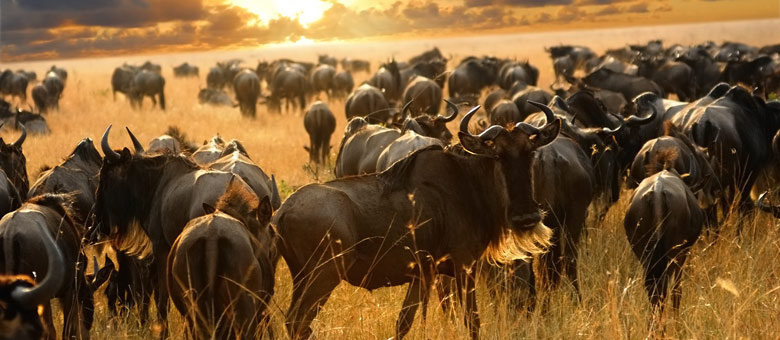
Among the most iconic of these migrations is the wildebeest migration, often dubbed the “Greatest Show on Earth.” Every year, millions of wildebeest, accompanied by zebras and gazelles, traverse the plains of East Africa, crossing from the Serengeti National Park in Tanzania to Kenya’s Maasai Mara Reserve and back. This cyclical movement is driven by the search for greener pastures and water sources, as the seasonal rains dictate the availability of resources. The sheer number of animals involved in this migration is a testament to the resilience and adaptability of these species, as they overcome formidable challenges such as predators and river crossings teeming with crocodiles.

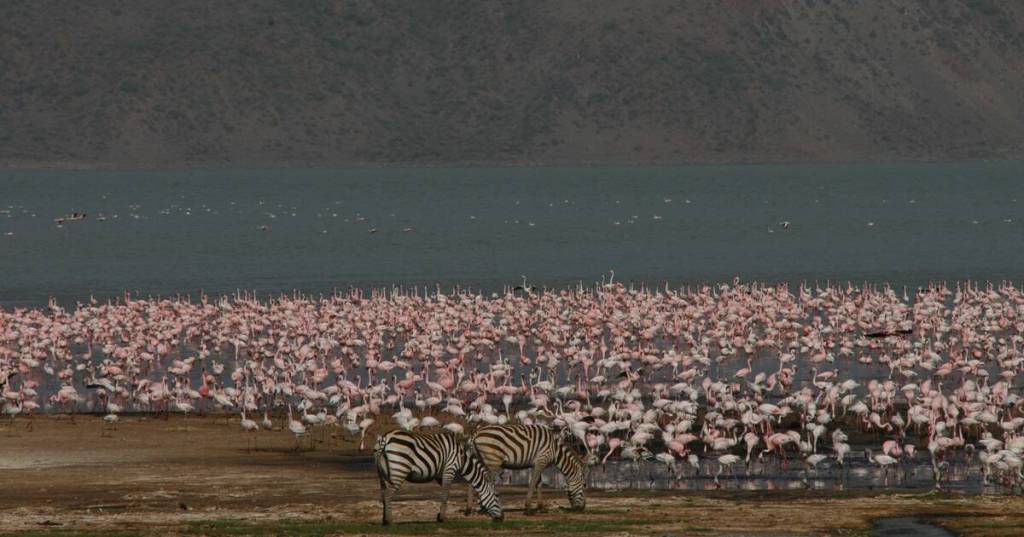
In addition to the wildebeest migration, the Rift Valley accommodates other remarkable journeys. Flamingos, for instance, are known to migrate to the Rift Valley’s alkaline lakes, such as Lake Nakuru and Lake Bogoria in Kenya, to feed on the abundant algae that thrive in these unique aquatic environments. The valley’s striking landscapes also attract various bird species during their migratory flights, creating vibrant pockets of biodiversity.

The Rift Valley’s significance for migration extends beyond terrestrial creatures. The region’s numerous water bodies, such as Lake Tanganyika and Lake Victoria, provide vital habitats for aquatic species like fish and birds. These lakes serve as both destinations and stopovers during migratory journeys, ensuring the survival of various species that depend on the region’s resources.

However, the survival of these migrations is not without challenges. Habitat loss, climate change, and human activities threaten the delicate balance of these ecosystems. Pollution, infrastructure development, and overexploitation of resources can disrupt the migratory routes and habitats that these animals rely on for survival.
The Rift Valley stands as a testament to the beauty and diversity of nature’s creations, hosting some of the world’s most captivating animal migrations. From the grand spectacle of the wildebeest migration to the intricate journeys of flamingos and birds, the Rift Valley offers a glimpse into the incredible feats of adaptation and perseverance that animals undertake to thrive in ever-changing environments. Preserving the integrity of this unique landscape is essential for safeguarding these epic migrations and the ecosystems they sustain, reminding us of the intricate web of life that exists within this geological wonder.

 Tourism Tails