Nature has a remarkable way of optimizing processes for survival and propagation, and wind pollination stands as a prime example of this efficiency. While insects are often celebrated for their role as pollinators, wind also plays a crucial role in transferring pollen among plants. Wind pollination, or anemophily, offers distinct advantages to certain plant species, ensuring their reproduction in diverse and challenging environments.

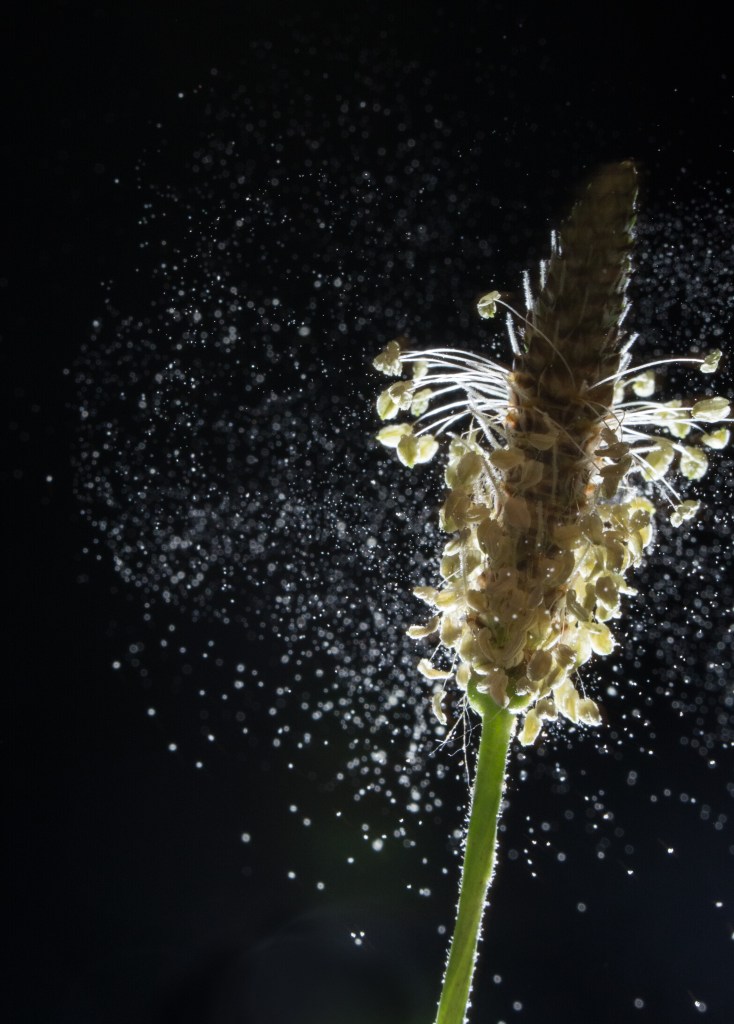
One of the primary benefits of wind pollination is its reach. Unlike insect pollination, which requires specific attractants and strategies to lure pollinators, wind pollination relies on sheer numbers. Plants that employ wind pollination produce abundant, lightweight pollen that can be carried vast distances by even the gentlest breeze. This adaptation allows plants to colonize expansive areas, including open fields, bodies of water, and remote regions, where insects might be scarce or less effective.
Wind pollination liberates plants from the need to invest resources in showy, colourful flowers and nectar to attract pollinators. This energy saved can be redirected towards other essential aspects of growth and survival, such as seed production, root development, and disease resistance. In this way, wind-pollinated plants are able to allocate resources efficiently, giving them a competitive edge in various ecological niches.
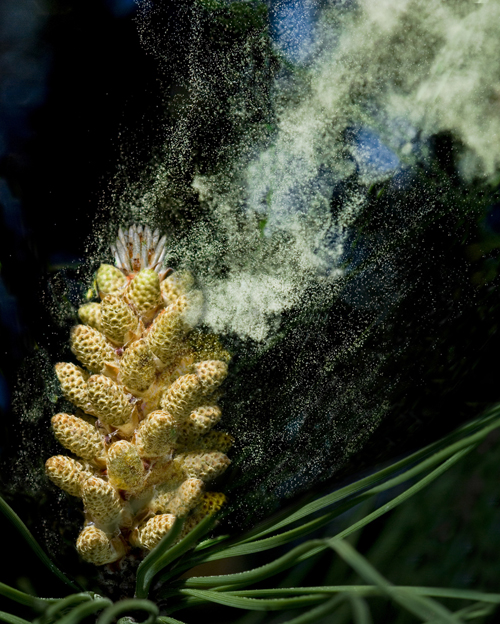
Wind pollination is particularly advantageous in environments with unpredictable weather conditions. Insects might be deterred by rain, cold temperatures, or adverse climate events, hindering the pollination process. Wind, on the other hand, can transport pollen regardless of weather conditions, ensuring that plant reproduction can continue even in challenging circumstances.
Moreover, wind-pollinated plants often produce large quantities of pollen, increasing the chances of successful fertilization. While wind disperses pollen widely, only a fraction of it will land on receptive stigmas, but due to the sheer volume produced, even this fraction is sufficient for effective pollination. This strategy optimizes the chances of pollen reaching a compatible mate.

However, wind pollination does come with trade-offs. Because wind cannot precisely direct pollen to specific targets, it requires large amounts of pollen to guarantee successful fertilization. This can result in a high degree of pollen wastage. Additionally, since wind-pollinated plants do not need to attract pollinators, their flowers are often inconspicuous, lacking the vibrant colours and fragrances seen in insect-pollinated species.
Wind pollination showcases the marvel of adaptation in the natural world. Plants that rely on wind for pollination have evolved strategies that maximize their reproductive success in various conditions and environments. The efficient use of resources, the ability to colonize diverse areas, and the resilience in the face of adverse weather conditions are just a few examples of the advantages wind pollination offers to certain plant species. This phenomenon highlights the diversity of reproductive strategies in the plant kingdom and underscores the intricate ways in which nature ensures the continuation of life.
 Tourism Tails