Lichens are fascinating organisms that exemplify the power of collaboration in the natural world. These enigmatic life forms are not single organisms but rather a result of a remarkable partnership between two distinct entities: fungi and photosynthetic organisms, primarily green algae or cyanobacteria. Let’s explore this unique relationship between these two components of lichens and how they work together to create a resilient and adaptable life form.
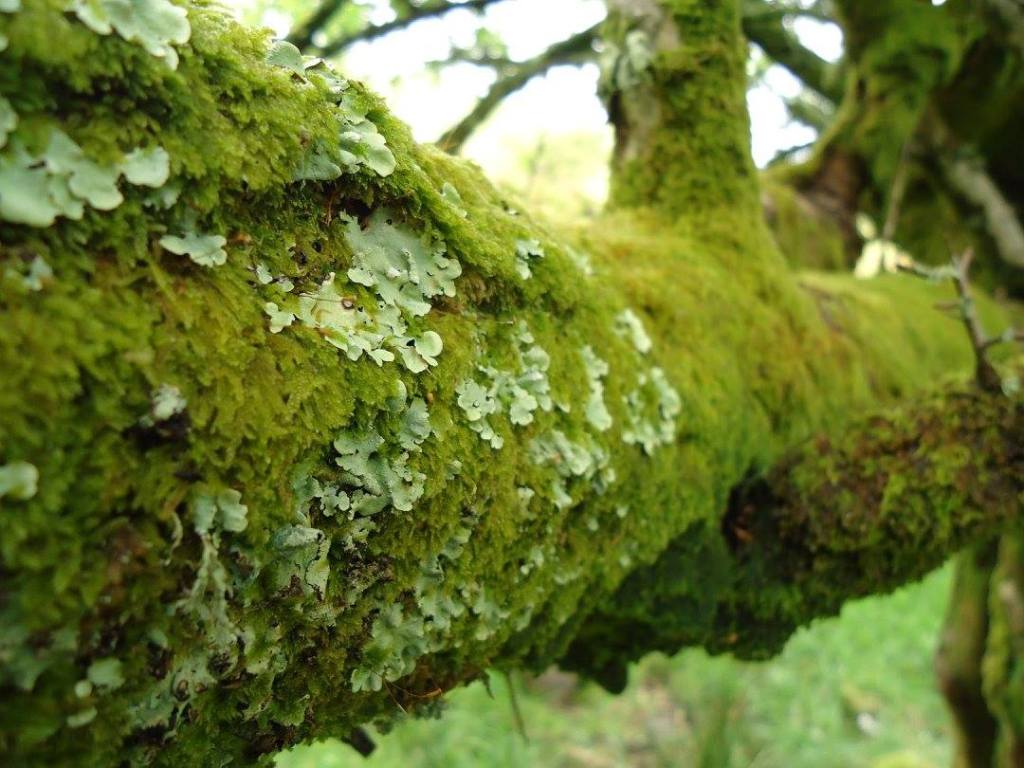
Lichens are a classic example of a mutualistic relationship, where both partners benefit. The fungal component of the lichen, known as the mycobiont, provides structural support and protection to the photosynthetic partner, referred to as the photobiont. In return, the photobiont carries out photosynthesis, converting sunlight into energy and providing essential nutrients, such as carbohydrates, to the fungal partner. This collaboration is the foundation of the lichen’s survival strategy.

Environmental Adaptability: Lichens are remarkably adaptable to a wide range of environmental conditions, from deserts to the Arctic tundra. This adaptability is largely attributed to the partnership between the mycobiont and photobiont. The fungal component shields the photosynthetic partner from harsh environmental stressors, such as extreme temperatures and desiccation, allowing lichens to thrive in environments where neither partner could survive alone.
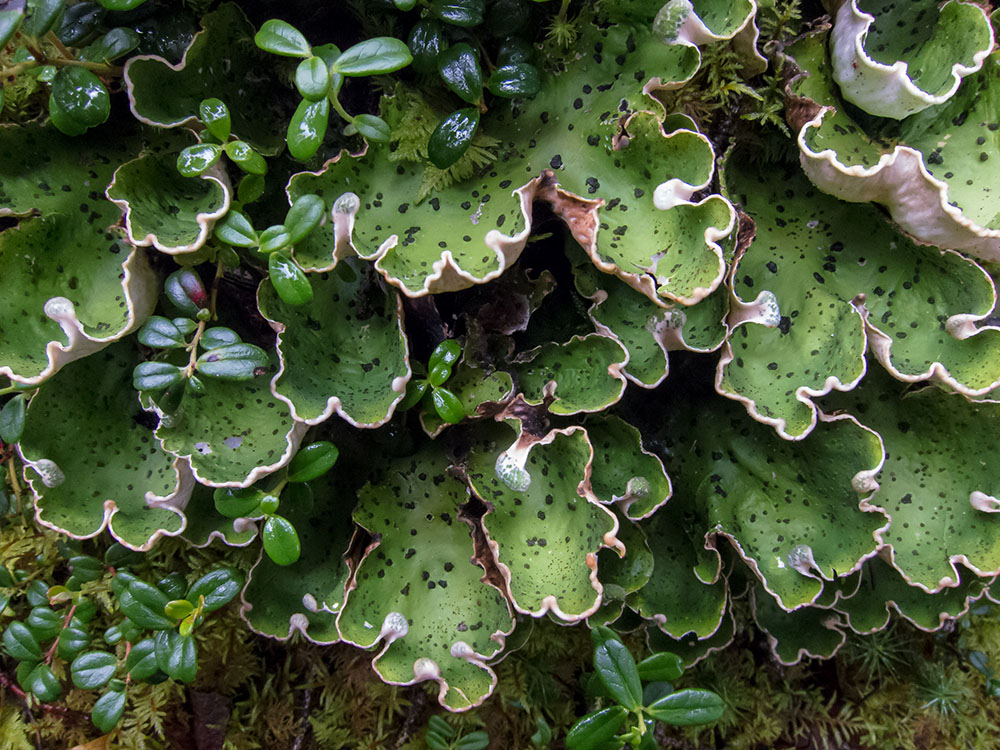
Nutrient Acquisition: Lichens often grow on substrates with minimal nutrients, such as rocks or tree bark. The fungal partner in lichens secretes enzymes that break down organic matter in the substrate, making essential nutrients available to both partners. This ability to access nutrients from seemingly barren habitats is a testament to the efficiency of their collaboration.

Pioneers of Succession: Lichens are often the first organisms to colonize barren landscapes, playing a crucial role in soil formation and ecosystem development. As they grow and die, lichens contribute organic matter to the substrate, gradually improving soil quality and creating conditions suitable for other plants to establish themselves.
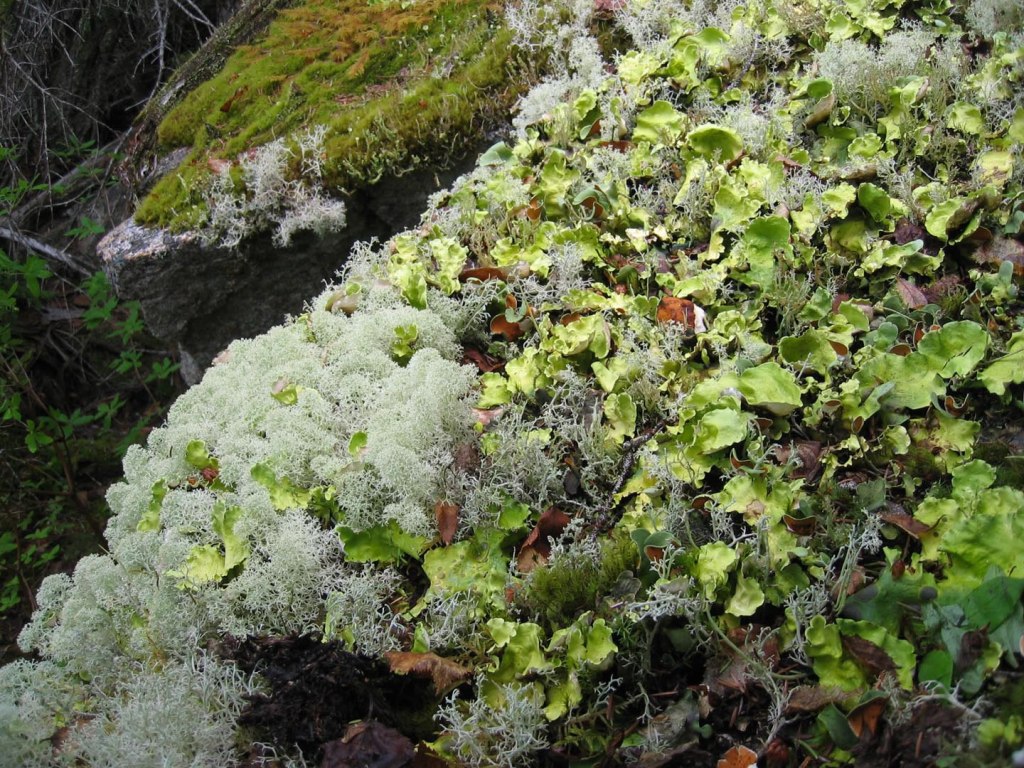
Bioindicators: Lichens are highly sensitive to environmental changes, especially air quality. Some lichen species are used as bioindicators to assess air pollution levels, as they can accumulate pollutants like heavy metals and sulphur dioxide. Their well-being or decline serves as a barometer for the overall health of an ecosystem.
Lichens are a testament to the extraordinary results that can be achieved when organisms collaborate in nature. Their symbiotic partnership between fungi and photosynthetic organisms enables them to thrive in diverse habitats, contribute to ecosystem development, and even serve as indicators of environmental health. Understanding the intricate workings of lichens not only enriches our appreciation of their ecological significance but also underscores the interconnectedness of all living things on our planet. In the grand tapestry of life, lichens serve as a vivid example of how cooperation and mutual benefit can lead to the flourishing of diverse species in the natural world.
 Tourism Tails