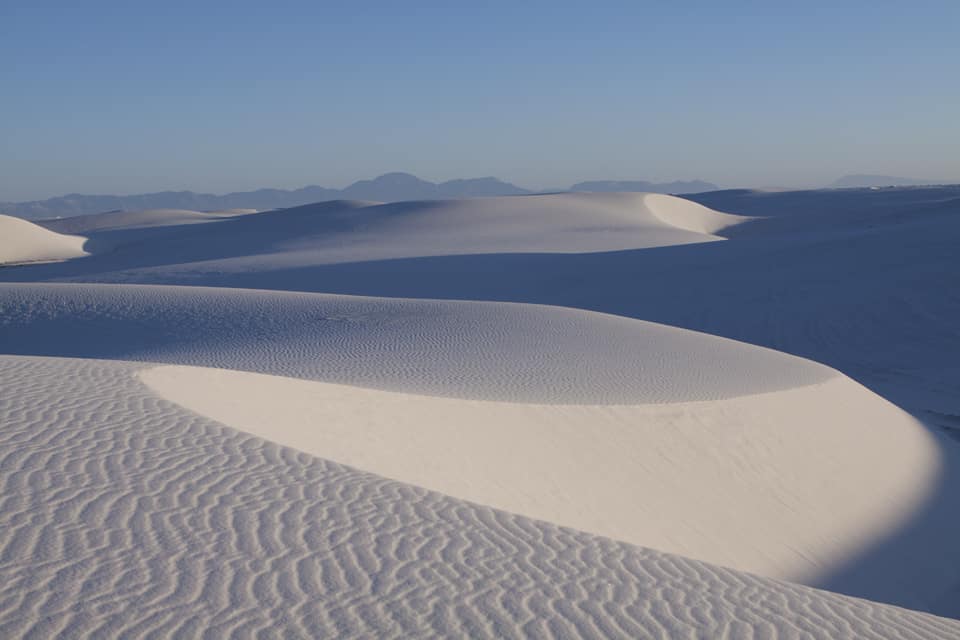
Sand dunes, often considered among the most iconic and captivating features of arid landscapes, are the result of intricate natural processes that shape the Earth’s surface over time. These dynamic landforms are not just barren hills of sand; they are the products of a complex interplay between wind, sand, vegetation, and geological factors. Let’s delve into the fascinating process of sand dune formation and the ecological importance of these unique land features.

Sand Source: The foundation of any sand dune is the availability of sand. These grains of sand typically originate from eroded rocks, riverbeds, or coastal areas. Once loosened from their source, they become vulnerable to transport by the wind.
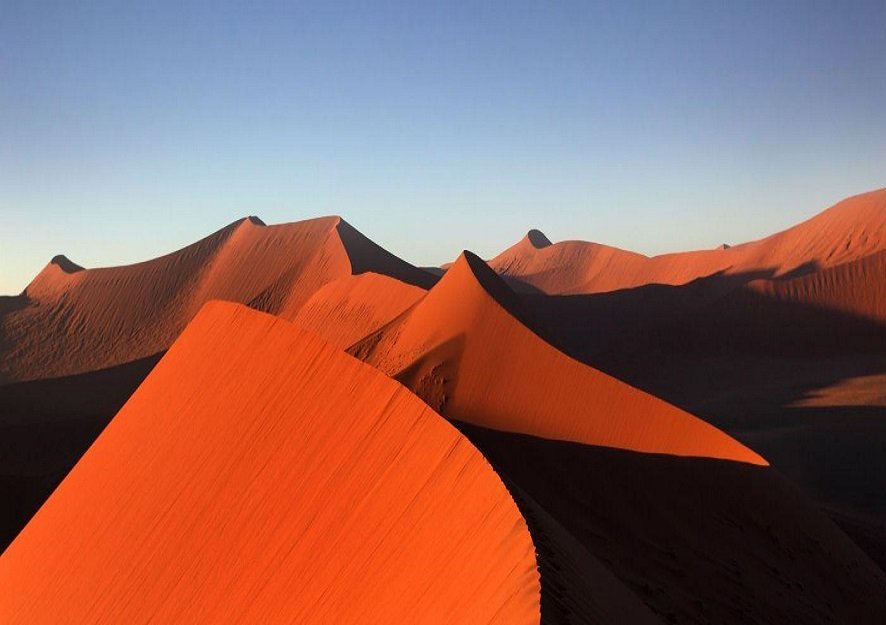
Wind as a Sculptor: Wind is the primary agent responsible for moving sand and shaping dunes. As wind blows across the landscape, it picks up loose sand particles and carries them through the air. When the wind slows down due to obstacles like vegetation or changes in terrain, it drops the sand it was carrying. This process is known as deposition.
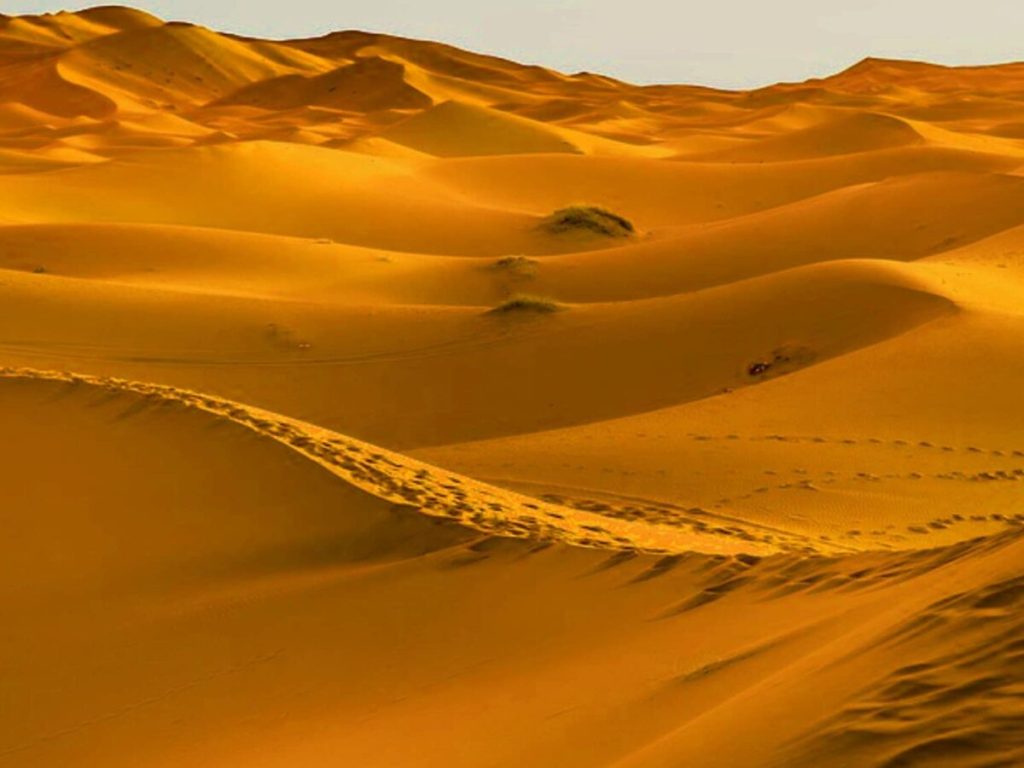
Dune Migration: Over time, as sand continues to be deposited and more sand accumulates in one place, a dune begins to take shape. Dunes can migrate slowly across the landscape, with sand being added to the windward side (the side facing the prevailing wind) and removed from the leeward side (the side sheltered from the wind).
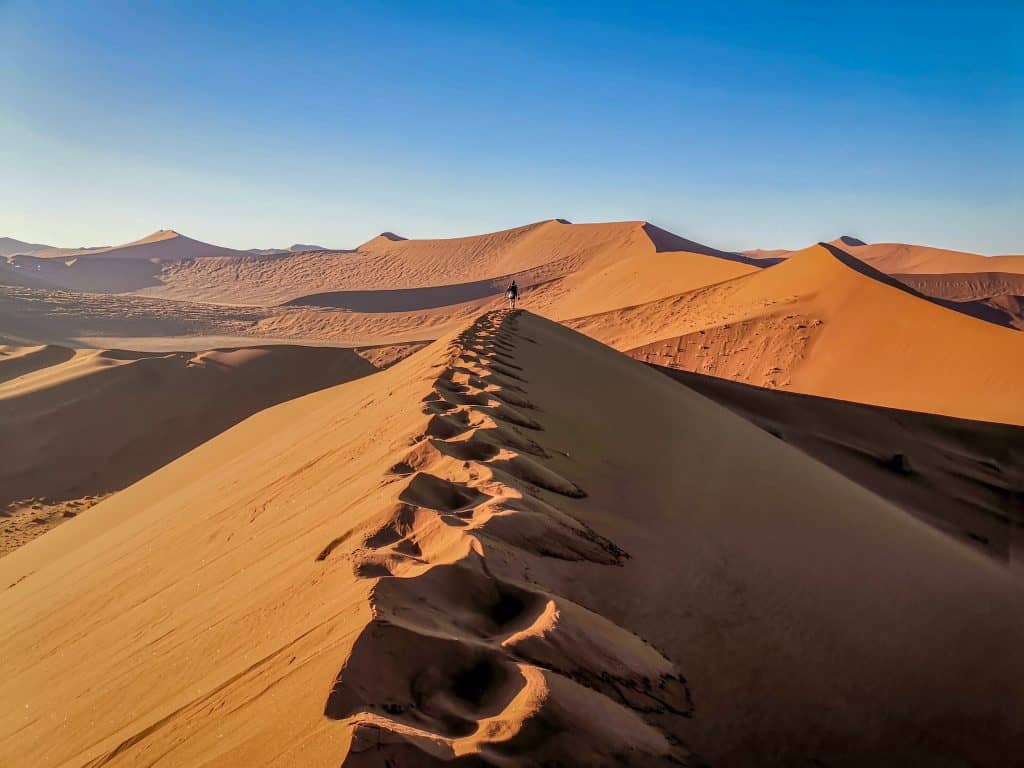
Dune Types: There are various types of dunes, including barchan, parabolic, longitudinal, and star dunes, each with its unique characteristics shaped by wind direction, sand availability, and local topography.
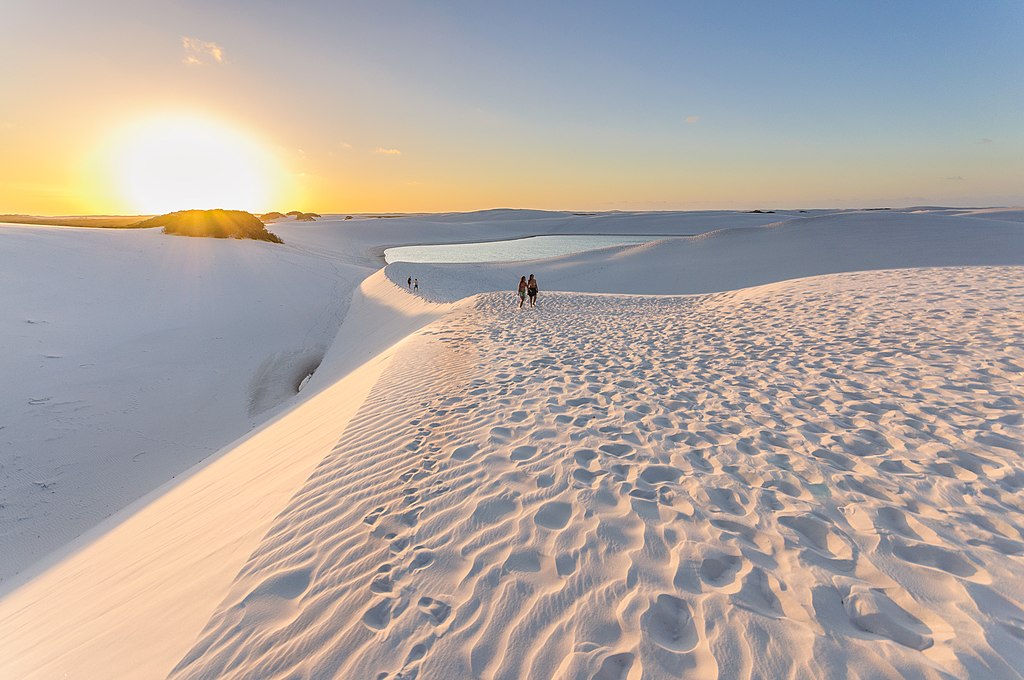
Habitats for Life: Sand dunes are far from barren wastelands. They support a range of unique and specially adapted flora and fauna. Some plants, like dune grasses and specialized cacti, have evolved to anchor the shifting sands, stabilizing dunes and preventing desertification.
Water Storage: Sand dunes often contain hidden reservoirs of water beneath the surface. These aquifers can provide a vital water source for both plants and animals in arid regions.
Geomorphological Features: Dunes shape the landscape and can influence local climate patterns. They can even act as barriers against sandstorms, protecting nearby communities.
Sand dunes are the masterpieces of nature’s artistry, sculpted over time by the relentless forces of wind and shaped by the remarkable adaptations of the life forms that call them home. Understanding the formation of these dynamic landforms provides insight into the intricate dance between natural processes and ecosystems in arid regions. Sand dunes are not only aesthetically captivating but also play essential roles in desert ecology and the broader functioning of Earth’s ecosystems. As we study and appreciate the beauty and significance of sand dunes, we gain a deeper appreciation for the marvels of our planet’s geology and ecology.
 Tourism Tails