In the concrete jungles of urban landscapes, where buildings rise like giants and asphalt reigns supreme, trees stand as silent guardians, offering more than just aesthetic appeal. Their verdant canopy provides a vital respite from the sweltering heat, serving as nature’s air conditioner and safeguarding urban dwellers from the scorching temperatures of summer.
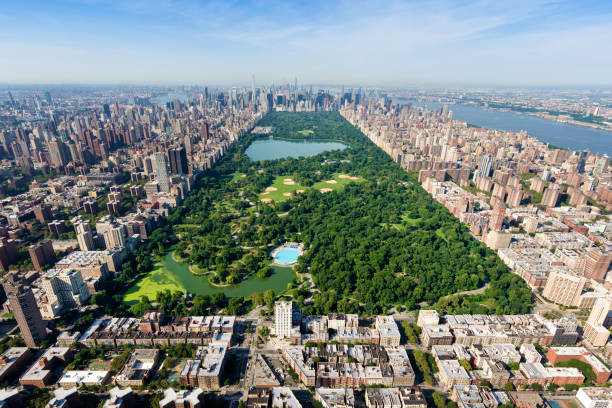
The cooling effect of trees in cities is multifaceted and profound. Through a process known as evapotranspiration, trees draw water from the soil and release it into the air through their leaves. This evaporative cooling mechanism acts like a natural misting system, lowering ambient temperatures and creating a microclimate of comfort in their immediate vicinity. Studies have shown that a single mature tree can release hundreds of gallons of water into the atmosphere each day, significantly reducing the surrounding air temperature by several degrees.
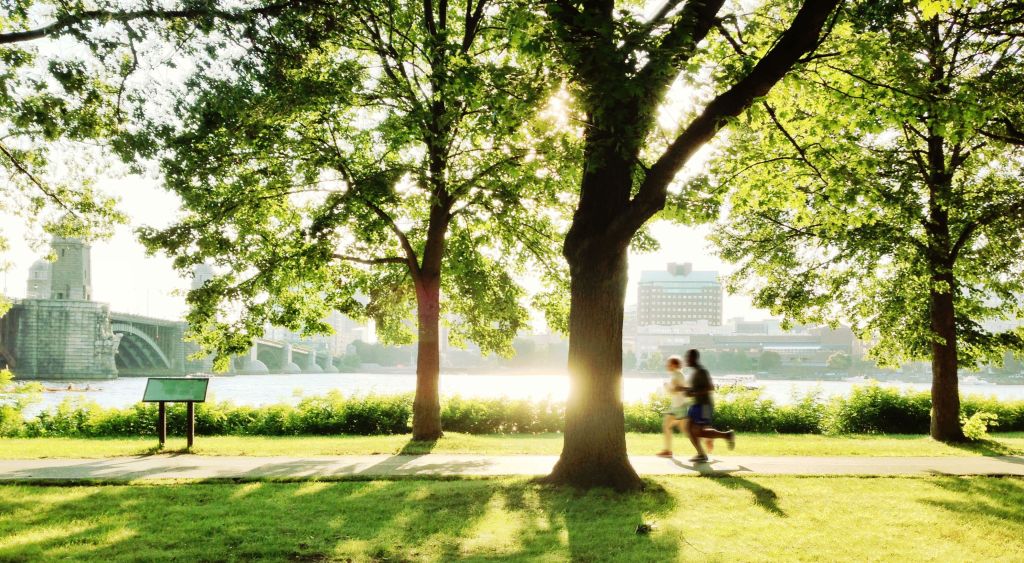
Moreover, trees provide shade, casting a cool refuge for pedestrians and buildings alike. By blocking the direct rays of the sun, they mitigate the urban heat island effect, wherein cities experience significantly higher temperatures than their rural counterparts due to the absorption and retention of heat by buildings and pavement. In densely populated areas, where green spaces are scarce, the presence of trees can make a world of difference, transforming sweltering sidewalks into shaded sanctuaries and cooling entire neighbourhoods.
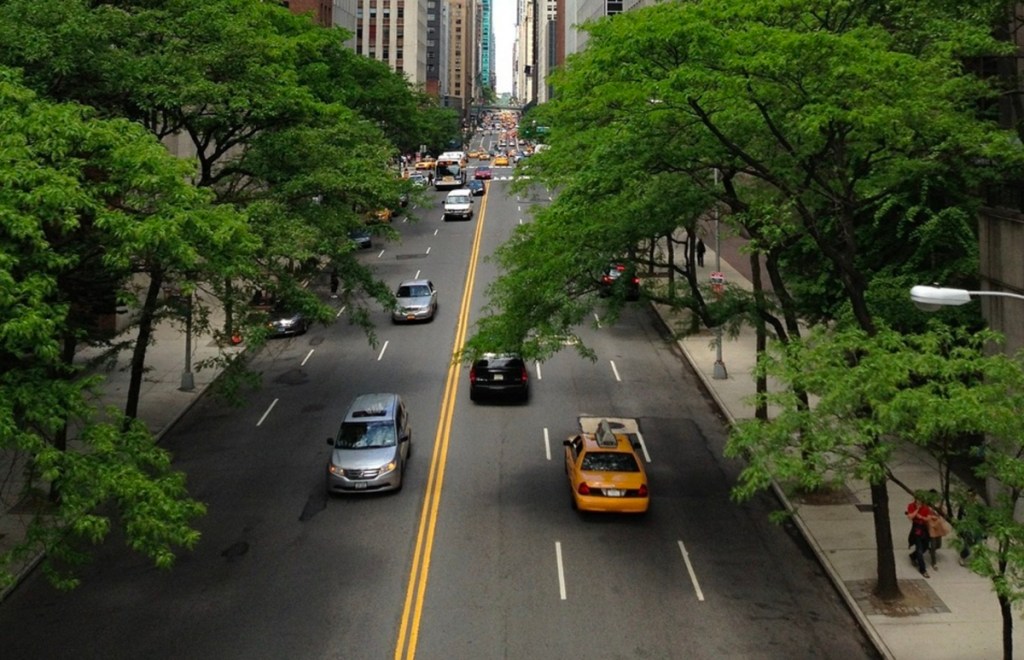
The cooling effect of trees extends beyond mere comfort; it has tangible benefits for human health and well-being. Exposure to excessive heat can exacerbate heat-related illnesses, such as heat stroke and dehydration, particularly among vulnerable populations like the elderly and children. By moderating temperatures and improving air quality through the absorption of pollutants, trees help mitigate these risks, fostering a healthier and more liveable urban environment for all residents.

Furthermore, trees play a crucial role in climate change mitigation. As carbon sinks, they sequester carbon dioxide from the atmosphere, helping to offset the greenhouse gas emissions produced by human activities. By planting and preserving trees in cities, we not only combat rising temperatures but also contribute to global efforts to curb climate change and preserve the planet for future generations.

In conclusion, the cooling effect of trees in cities is a testament to the invaluable services provided by urban forests. As temperatures continue to rise due to climate change and rapid urbanization, the importance of preserving and expanding green spaces within cities cannot be overstated. By harnessing the power of trees to cool our urban environments, we can create healthier, more sustainable cities that are resilient to the challenges of a changing climate.
 Tourism Tails