In the intricate world of arboreal anatomy, bark stands as a silent sentinel, often overlooked but crucial to the survival and well-being of trees. Far more than just a rough outer layer, bark serves a multitude of functions that are essential for the health and longevity of these majestic organisms.
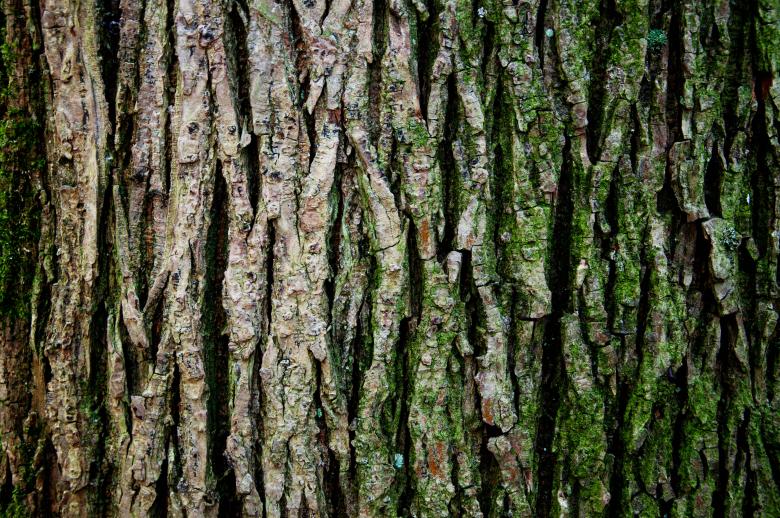
First and foremost, bark acts as a protective shield, shielding the delicate inner tissues of the tree from a barrage of external threats. From harsh weather conditions to insect infestations and mechanical damage, bark serves as a formidable barrier, safeguarding the tree’s vital cambium layer—the thin, actively growing tissue responsible for producing new cells that fuel growth and repair.

Moreover, bark plays a pivotal role in water regulation, serving as a conduit for the movement of moisture throughout the tree. The outermost layer of bark, known as the cork cambium, produces a waxy substance called suberin, which helps waterproof the tree and prevent excessive water loss. Beneath the cork cambium lies the phloem, a vascular tissue responsible for transporting sugars produced during photosynthesis from the leaves to the rest of the tree. By maintaining the integrity of these crucial tissues, bark ensures the tree’s hydration and sustenance, even in the harshest of conditions.
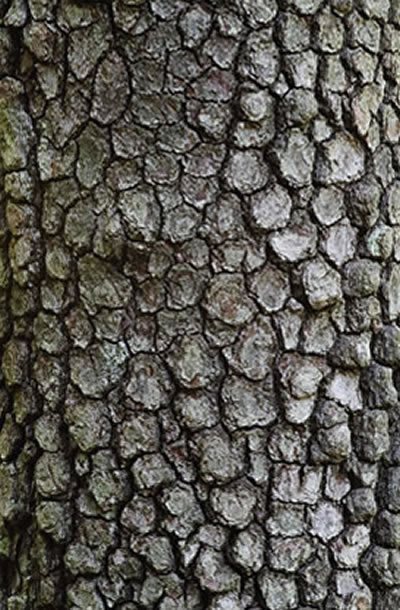
Furthermore, bark serves as a storehouse of nutrients and reserves, providing a safety net during times of scarcity or stress. Within its layers lie reserves of carbohydrates, proteins, and other essential compounds that can be mobilized to support growth, repair damage, or fuel metabolic processes when resources are scarce. This reservoir of reserves enables trees to weather periods of drought, nutrient deficiency, or injury, ensuring their survival in the face of adversity.

Additionally, bark plays a vital role in gas exchange, facilitating the intake of oxygen and the release of carbon dioxide—a process essential for photosynthesis and respiration. The presence of small pores, known as lenticels, allows gases to diffuse in and out of the tree, ensuring that metabolic processes can proceed unhindered and that the tree can thrive in its environment.
In conclusion, the function of bark on a tree is as multifaceted as it is indispensable. From protecting against external threats to regulating water balance, storing nutrients, and facilitating gas exchange, bark plays a vital role in the life of a tree. As we marvel at the towering giants of the forest, let us not forget the silent guardian that cloaks them in resilience and sustains them through the ages.
 Tourism Tails