Every August, stargazers around the globe are treated to one of nature’s most captivating displays: the Perseid meteor shower. This awe-inspiring event, often hailed as the “Perseid Meteor Complex,” is a testament to the beauty and wonder of the cosmos.
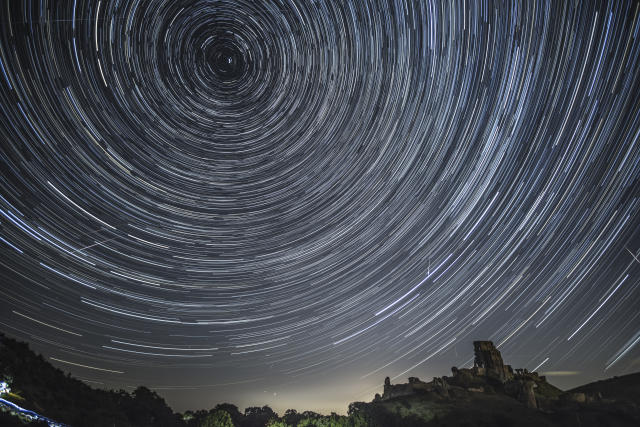
The Perseid meteor shower occurs when Earth passes through the debris trail left behind by the comet Swift-Tuttle. As our planet hurtles along its orbital path, it encounters this celestial detritus, which consists of tiny particles and fragments shed by the comet during its journey through the solar system. When these particles enter Earth’s atmosphere, they burn up in a fiery blaze, creating streaks of light that streak across the night sky.
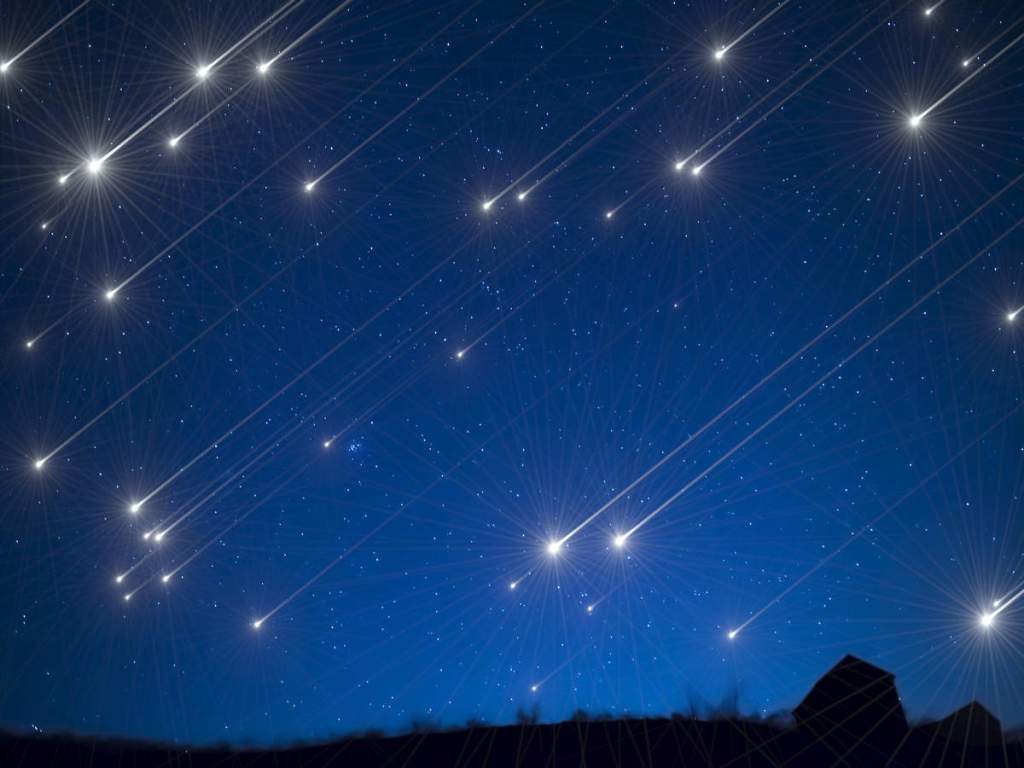
Named after the constellation Perseus, from which they appear to originate, the Perseid meteors are renowned for their brightness and abundance. At its peak, the Perseid meteor shower can produce up to 100 meteors per hour, painting the heavens with a dazzling array of shooting stars. These luminous trails captivate observers of all ages, inspiring a sense of wonder and reverence for the vastness of space.

The Perseid Meteor Complex holds a special place in human culture and history. For centuries, people have marveled at the celestial spectacle, weaving myths and legends around its radiant display. In ancient times, the Perseid meteor shower was often interpreted as a portent of change or a divine message from the heavens. Today, it continues to inspire poets, artists, and astronomers alike, serving as a reminder of our place in the cosmos and the interconnectedness of all things.
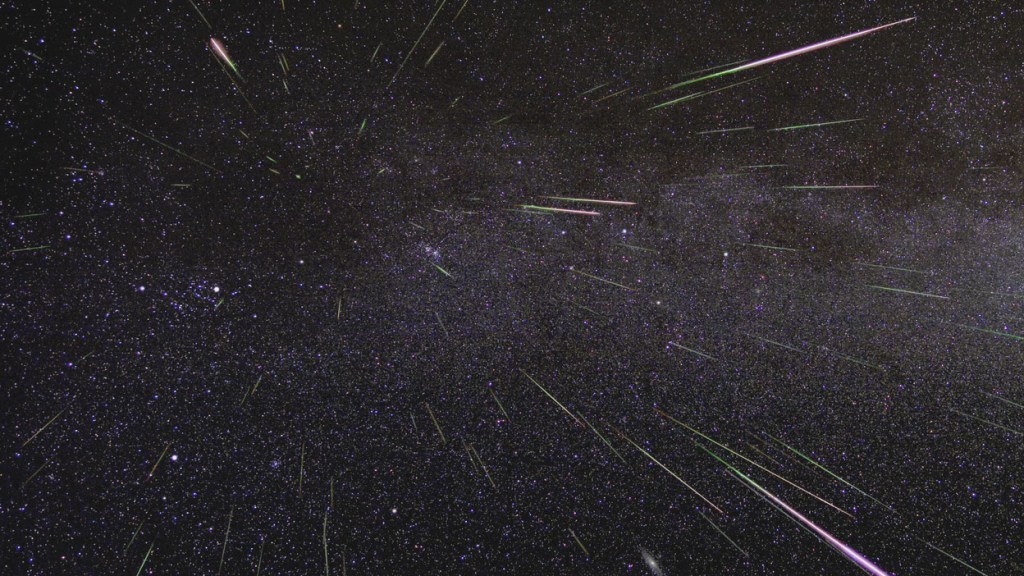
Moreover, the Perseid meteor shower provides scientists with valuable insights into the composition and behavior of comets. By studying the characteristics of the meteors, researchers can glean information about the size, density, and structure of the comet’s debris field, shedding light on its origins and evolution.

In conclusion, the Perseid Meteor Complex stands as a celestial marvel, captivating observers with its radiant beauty and profound significance. As we gaze upon the shimmering trails of light streaking across the night sky, we are reminded of the boundless wonders of the universe and the enduring mystery of the cosmos.
 Tourism Tails