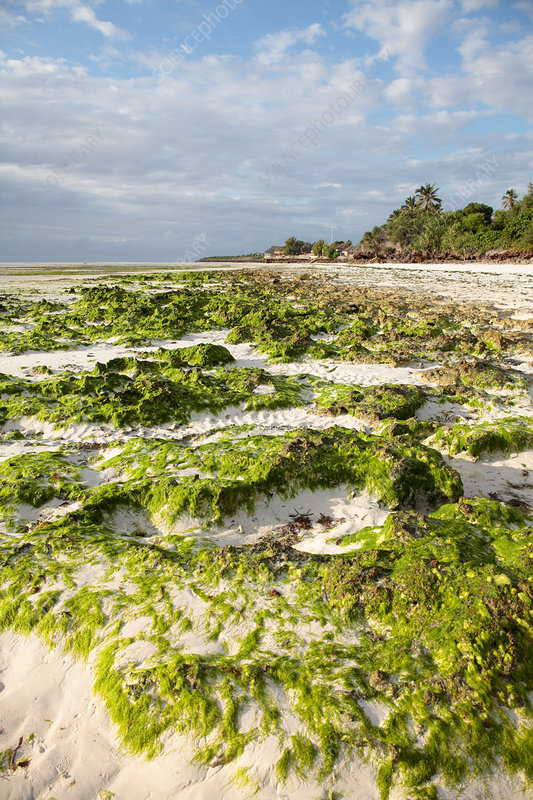
Intertidal algae, often referred to as microphytobenthos, represent a crucial component of coastal ecosystems. These microscopic algae reside in the sand and become visible during low tide, forming a distinctive and often colourful layer on the exposed sediments. This phenomenon is not only a fascinating display of nature but also plays a significant role in maintaining the ecological balance and productivity of coastal environments.
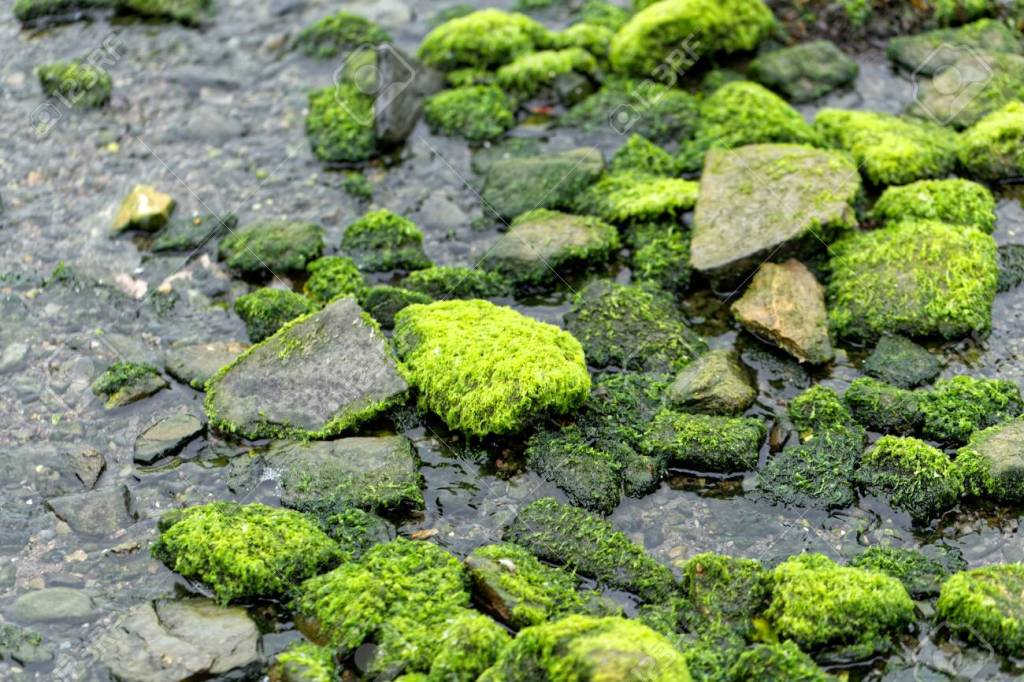
Intertidal algae encompass a variety of species, predominantly diatoms, cyanobacteria, and green algae. Diatoms, with their silica-based cell walls, are particularly adept at surviving the harsh conditions of the intertidal zone. Cyanobacteria, known for their ability to fix atmospheric nitrogen, contribute significantly to the nutrient dynamics of these habitats. Green algae, although less dominant, also play a vital role in these ecosystems. These organisms are highly adapted to the fluctuating conditions of the intertidal zone, where they endure extreme variations in temperature, salinity, and moisture. During high tide, they are submerged in seawater, while at low tide, they must withstand direct sunlight and potential desiccation.
The presence of intertidal algae is pivotal for the productivity and stability of coastal ecosystems. These microorganisms form the base of the food web, providing essential nutrients for a range of marine and terrestrial organisms. They perform photosynthesis, thereby contributing to the primary production and oxygenation of the environment. Moreover, intertidal algae play a crucial role in sediment stabilization. Their mucilaginous secretions help bind sand particles together, reducing erosion and maintaining the structural integrity of the coastline. This stabilization is particularly important in protecting coastal areas from the impacts of storms and rising sea levels.
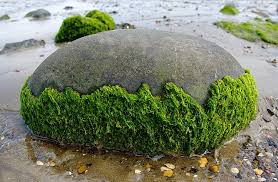
Intertidal algae are also valuable bioindicators of environmental health. Their sensitivity to changes in water quality, nutrient levels, and pollution makes them excellent indicators for monitoring coastal ecosystems. Variations in the composition and abundance of these algae can provide early warning signs of environmental stress, such as nutrient pollution or climate change impacts. Scientists and environmental managers utilize this information to implement conservation and remediation strategies to protect these vital habitats.
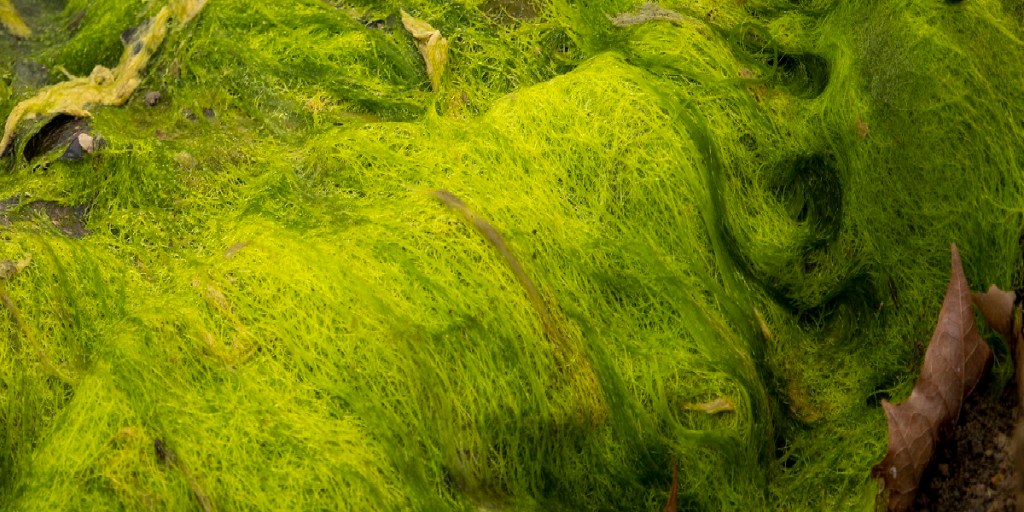
Intertidal algae that inhabit the sand and emerge at low tide are more than just a curious natural occurrence; they are essential to the health and functioning of coastal ecosystems. Their diversity, ecological roles, and sensitivity to environmental changes underscore their importance in maintaining the balance and productivity of these areas. As climate change and human activities continue to impact coastal environments, understanding and protecting intertidal algae becomes increasingly crucial. Through ongoing research and conservation efforts, we can ensure the preservation of these remarkable microorganisms and the ecosystems they support.
 Tourism Tails