Game fish, sought after by anglers for sport and recreation, exhibit a fascinating variety of shapes that are closely tied to their survival strategies, feeding habits, and ecological roles. The shape of a fish’s body is not just a random trait but a highly specialized adaptation that allows it to thrive in its environment. Understanding the different shapes of game fish and their purposes offers insights into how these species have evolved to become the proficient predators and agile swimmers they are today.
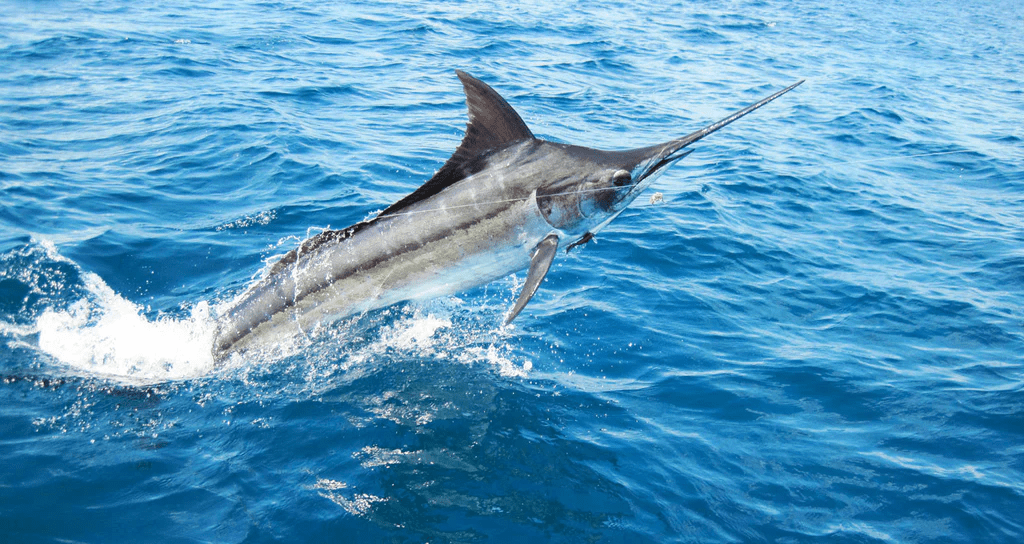
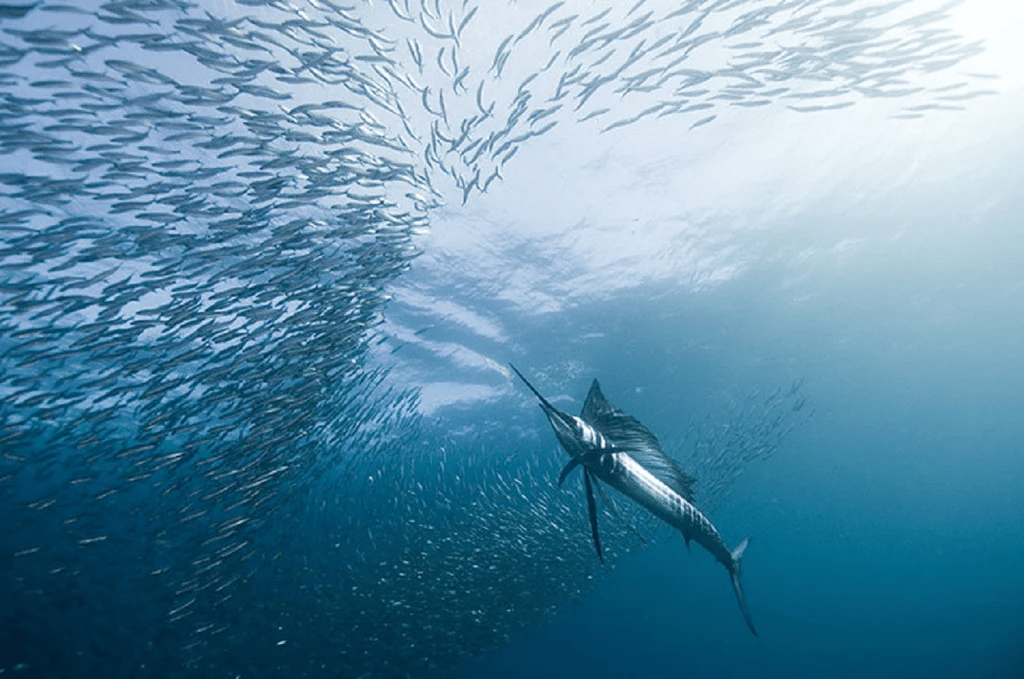
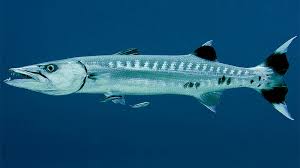
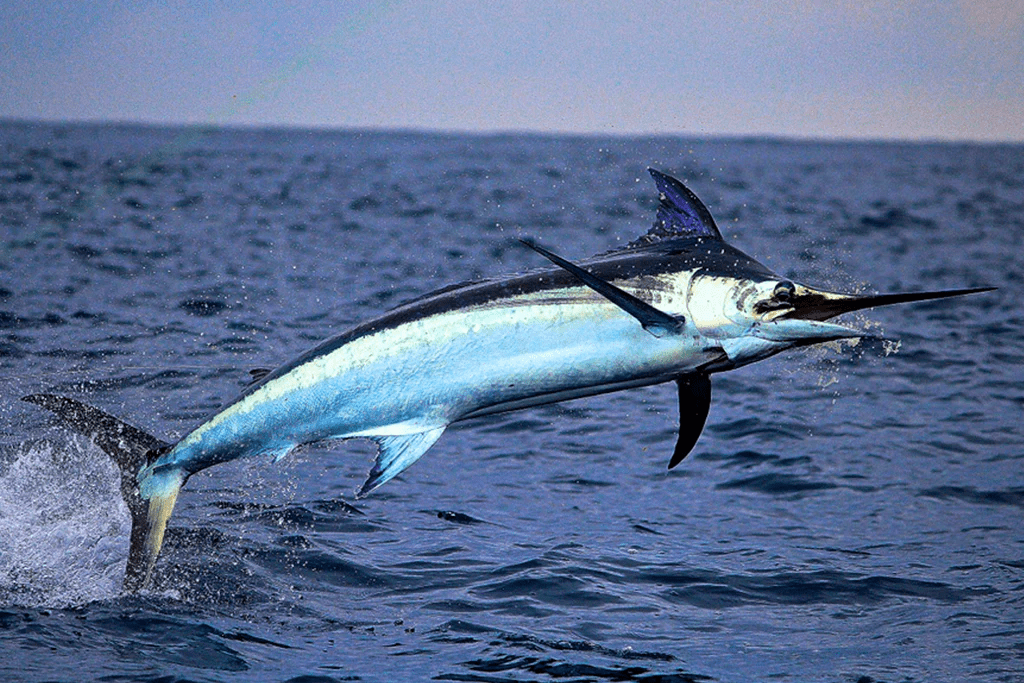
One of the most common shapes among game fish is the streamlined, torpedo-like body, seen in species such as tuna, marlin, and barracuda. This shape is designed for speed and endurance, allowing these fish to cover vast distances quickly in search of prey. The pointed nose, tapering body, and powerful tail fin minimize water resistance, enabling them to slice through water with minimal effort. This shape also helps in maintaining stability and balance at high speeds, making these fish formidable hunters in open water.
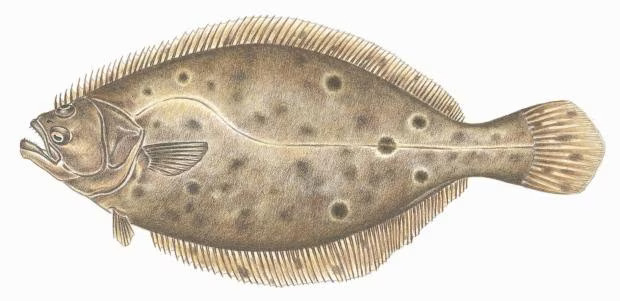
Some game fish, like flounder and halibut, have flattened bodies that allow them to lie close to the seafloor. This shape is an adaptation for a benthic lifestyle, where the fish can easily camouflage themselves against the ocean floor to avoid predators and ambush prey. The flat shape, combined with the ability to change colour to match their surroundings, makes them nearly invisible to both prey and predators. This body shape is particularly effective for species that rely on stealth and surprise in their hunting techniques.
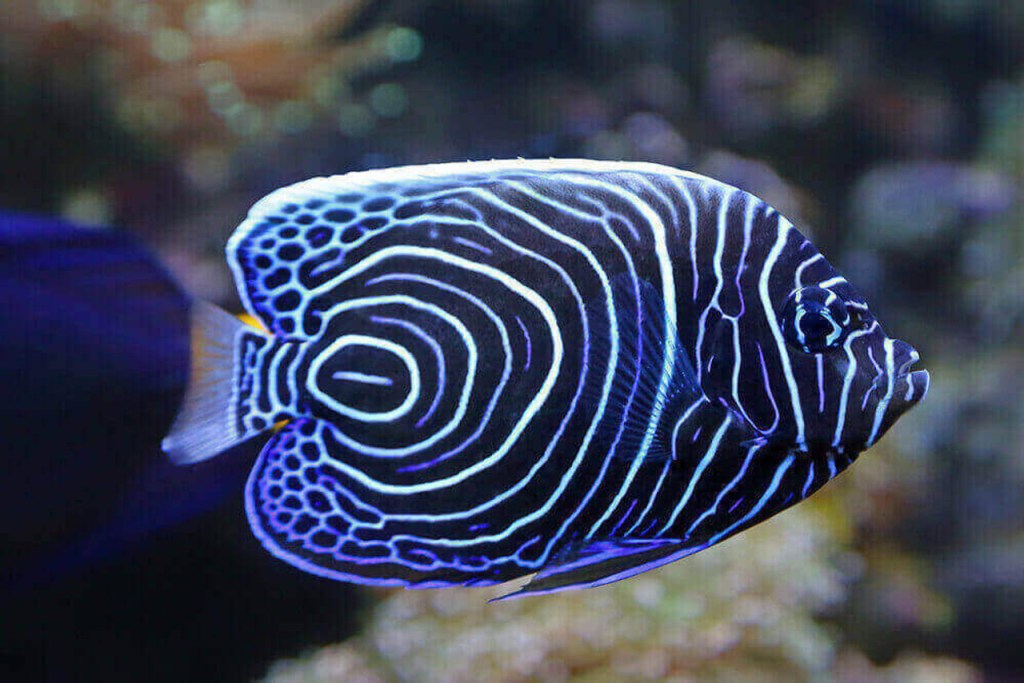
Fish such as bluegill, angelfish, and largemouth bass exhibit a deep, laterally compressed body shape, which means their bodies are tall and thin when viewed from the front. This shape is advantageous in environments with dense vegetation or structures, such as coral reefs or freshwater lakes with abundant aquatic plants. The compressed body allows these fish to make sharp turns and manoeuvre easily among obstacles, making them adept at navigating complex habitats. This agility is crucial for both escaping predators and pursuing prey in confined spaces.
Eel-like game fish, such as the northern pike or barracuda, have long, slender bodies that allow them to strike quickly and with precision. This shape is particularly suited to ambush predators that rely on sudden bursts of speed to capture prey. The elongated body provides the necessary flexibility and range of motion to execute rapid, sideways lunges, often surprising prey with an unexpected attack. Additionally, this shape enables these fish to navigate through narrow crevices and densely packed aquatic vegetation, where they can lie in wait for unsuspecting prey.
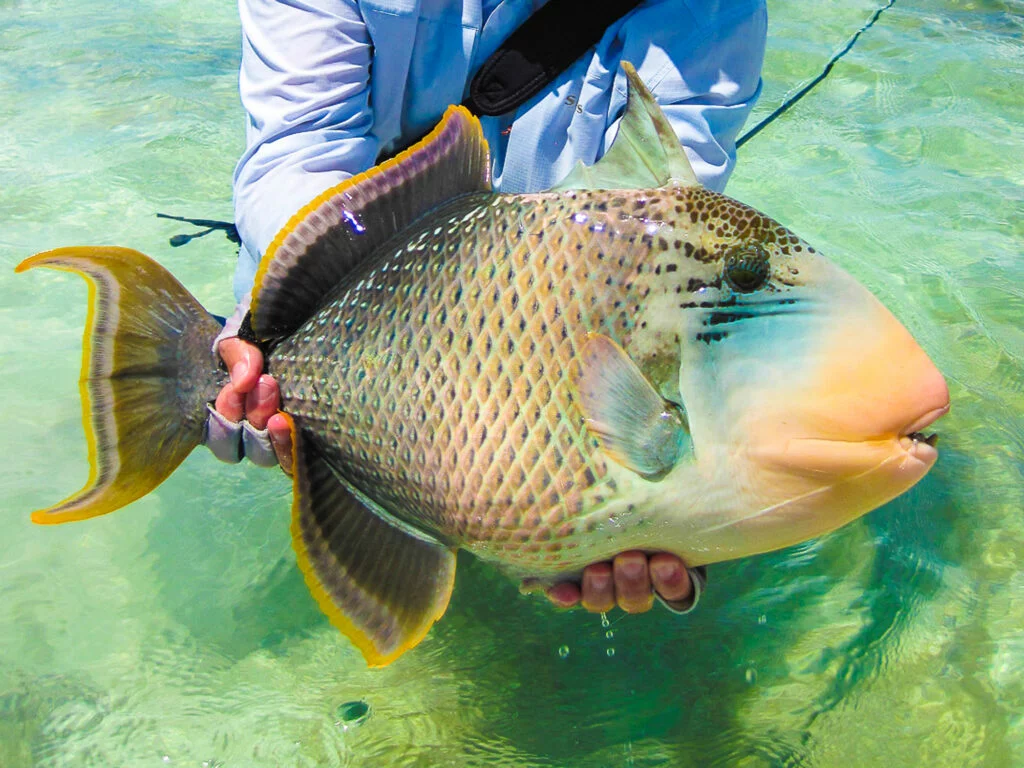
Some game fish, like groupers and triggerfish, have a more robust, boxy shape. These fish are typically slower but more powerful, with bodies designed for strength rather than speed. The stout shape is ideal for species that inhabit rocky reefs or areas with strong currents, where manoeuvrability and the ability to withstand pressure are more important than speed. These fish often rely on their strong jaws to crush hard-shelled prey like crabs and molluscs, making their body shape well-suited to their feeding strategy.
The diverse shapes of game fish are a testament to the evolutionary adaptations that have allowed these species to thrive in various aquatic environments. Each shape serves a specific purpose, whether it’s achieving high speeds in open water, navigating complex habitats, or ambushing prey. Understanding these adaptations not only enhances our appreciation of the natural world but also aids anglers in selecting the right strategies and techniques when pursuing different species. Ultimately, the shape of a game fish is a key factor in its success as a predator and its role in the aquatic ecosystem.
 Tourism Tails