Frogs, among the most iconic amphibians, are known for their distinctive calls that fill the air during the warmer months. These calls are not just random noises; they serve a variety of important functions, primarily related to reproduction and territory establishment. The sound that frogs produce is integral to their survival and plays a crucial role in their life cycle.

The primary reason frogs call is to attract mates. During the breeding season, male frogs produce a series of calls to advertise their presence and their suitability as a mate. These calls, which are often species-specific, are typically loud and repetitive. The calls are emitted from the male’s vocal sac, a flexible membrane found beneath the chin. When the frog inflates its vocal sac, it can amplify its call, making it audible over long distances. The louder and more frequent the call, the more likely it is to attract a female of the same species.
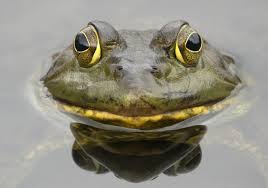
Frog calls can vary significantly between species, each possessing a unique sound that helps females identify potential mates. Some frogs have deep, resonant croaks, while others may produce high-pitched peeps, clicks, or ribbits. The calls are produced by the movement of air over the vocal cords, with the help of the vocal sac’s expansion and contraction. In many cases, the call also acts as an indicator of the male’s size and health, factors that are vital to the female’s decision-making process.
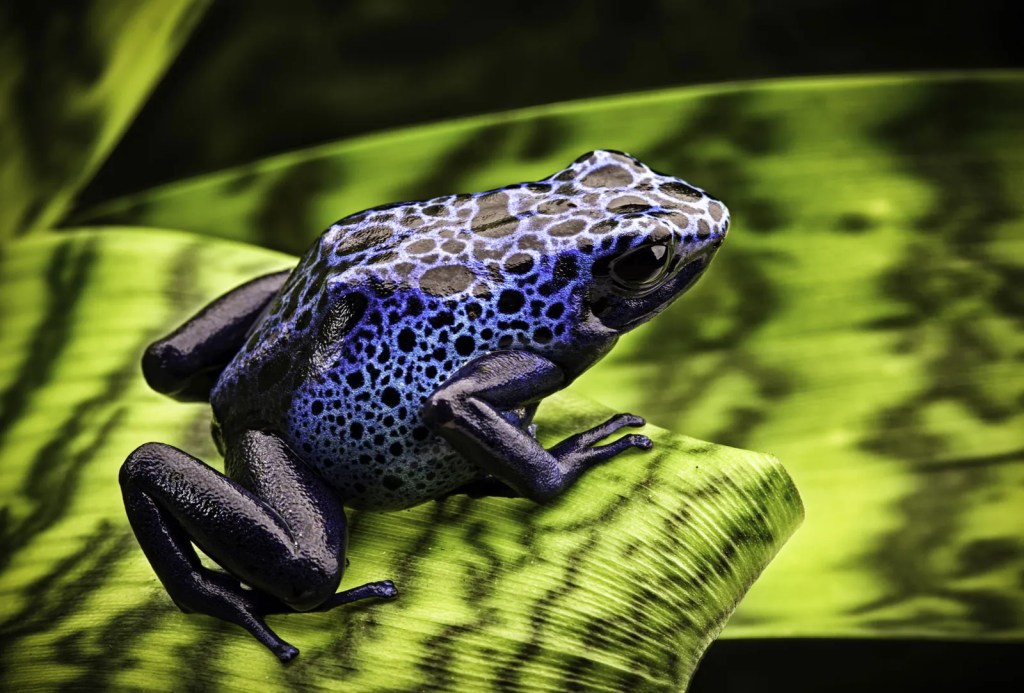
Frog calls are also used to establish territory. Male frogs are highly territorial, especially when it comes to breeding sites. They call to warn other males to stay away from their chosen area. The loudness and frequency of their calls serve as an assertion of dominance. In some species, if a rival male approaches too closely, the resident frog may respond with a more intense call or even engage in physical confrontation.
The environment plays a significant role in the type of calls frogs produce. Wetland habitats, where frogs are most commonly found, offer the perfect acoustics for broadcasting calls. The stillness of the night, combined with the reflective surfaces of water, allows the sound to travel further. On the other hand, environmental factors such as temperature and humidity also influence the frequency and duration of frog calls. Warmer temperatures, for example, tend to encourage more frequent calling, while cooler temperatures might reduce the frogs’ vocal activity.
The calls of frogs are a remarkable example of communication in the animal kingdom. These vocalizations are not just an expression of the frog’s presence but are vital for attracting mates, establishing territory, and ensuring the continuation of the species. The diversity of frog calls and their reliance on specific environmental conditions highlight the complexity of these creatures and their ability to adapt to their surroundings. The next time you hear a frog’s call echoing in the distance, you’ll know it’s more than just a sound — it’s a vital part of their life cycle.

 Tourism Tails