Frogs are fascinating amphibians known for their remarkable ability to thrive in a variety of environments. Found on every continent except Antarctica, frogs have evolved to live in diverse habitats ranging from tropical rainforests to arid deserts. Their habitats are crucial to their survival, providing the necessary resources for feeding, breeding, and shelter. The specific characteristics of each habitat play a significant role in the life cycle of frogs, influencing their behaviour, reproduction, and even physical development.
The most common habitat for frogs is freshwater environments such as ponds, lakes, streams, and marshes. These aquatic habitats are vital for frogs because they provide the moisture necessary for their permeable skin to function properly. Frogs are dependent on water for hydration, as they do not drink in the traditional sense. Instead, they absorb water through their skin, making access to fresh water essential. During the breeding season, many frogs gather in these aquatic environments to lay their eggs. The larvae, or tadpoles, are aquatic and require water to develop into adult frogs.
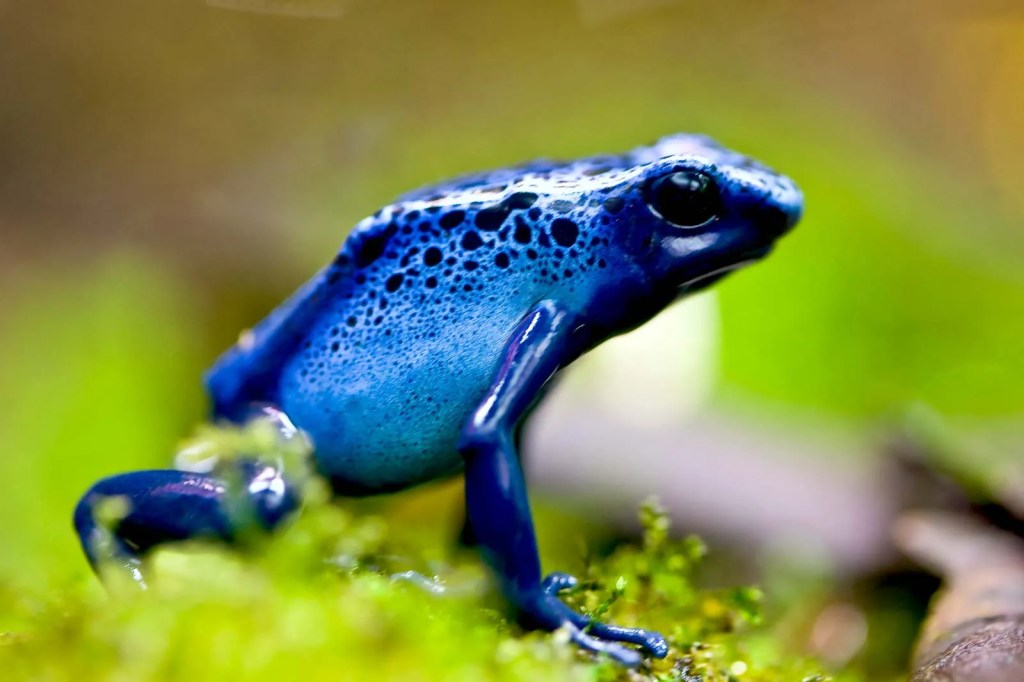
Frogs can also be found in more terrestrial environments, such as forests, grasslands, and even deserts. While these habitats do not provide standing water year-round, frogs in these environments have adapted to live near temporary water sources or have developed the ability to survive in drier conditions. Some species, like the wood frog, are known to thrive in forests and wetlands, where they spend most of their time in leaf litter or under logs to avoid dehydration. Frogs in arid regions, such as the spadefoot toad, have evolved the ability to burrow underground during dry periods, emerging only when rainfall fills temporary ponds, where they breed.
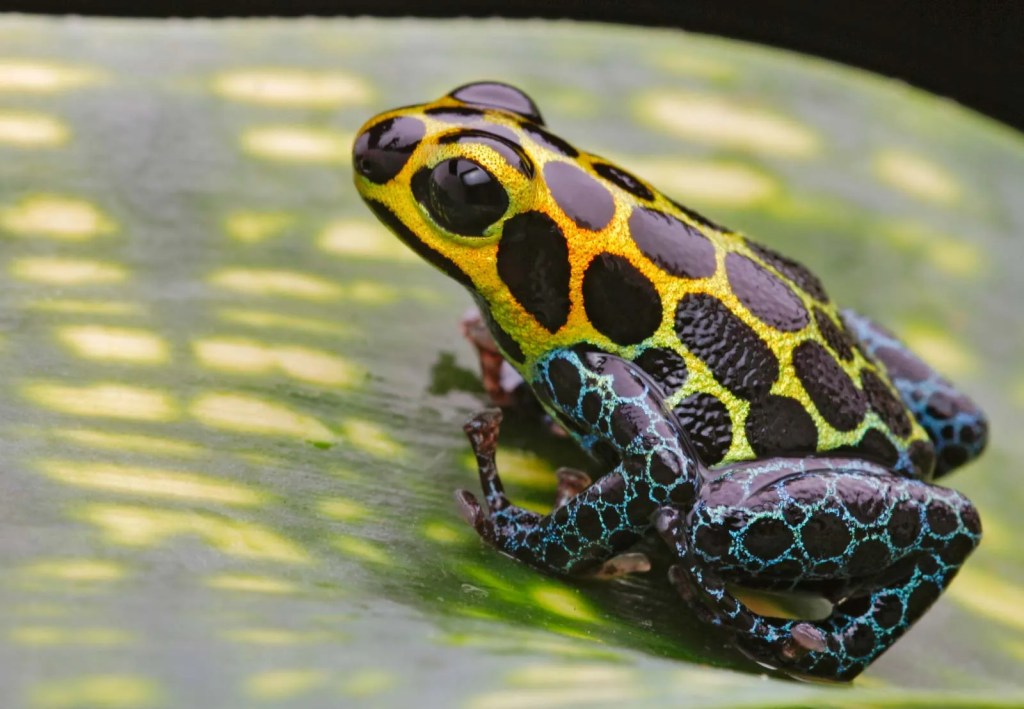
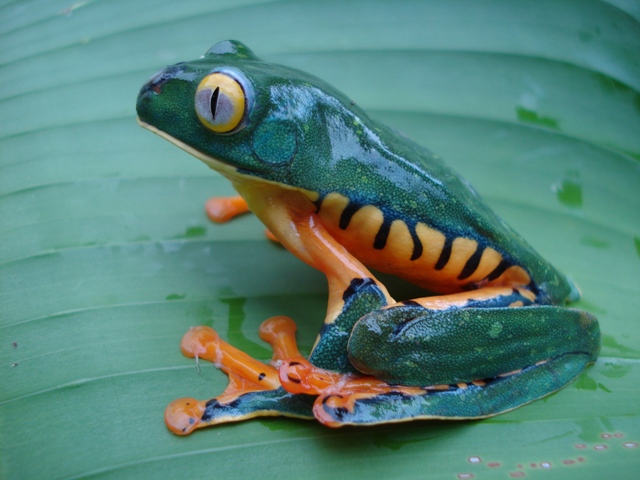
Tropical rainforests are another important habitat for many species of frogs. These environments offer a constant supply of moisture and shelter, allowing frogs to live in the dense understory of the forest. Rainforest frogs often have bright colours and intricate patterns that help them blend into their surroundings, offering both camouflage from predators and a means of attracting mates. Some species, like the poison dart frog, have developed toxic skin as a defence against predators, a strategy that is particularly effective in the dense and competitive rainforest environment.
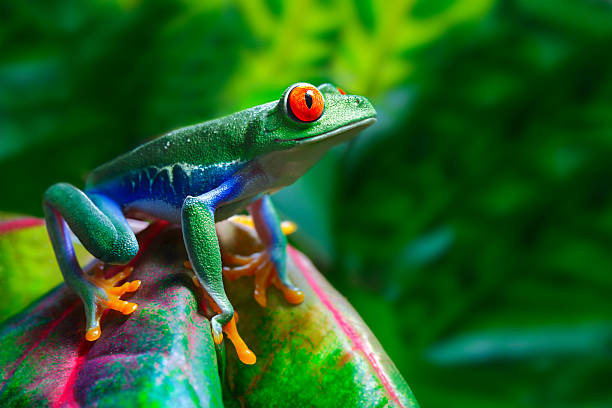
In all habitats, the importance of moisture and temperature regulation cannot be overstated. Frogs are ectothermic, meaning they rely on the environment to regulate their body temperature. This is why many species are more active at night or during cooler times of the day to avoid extreme heat. During dry periods, frogs will seek out shaded areas, crevices, or burrows to keep cool and prevent dehydration.
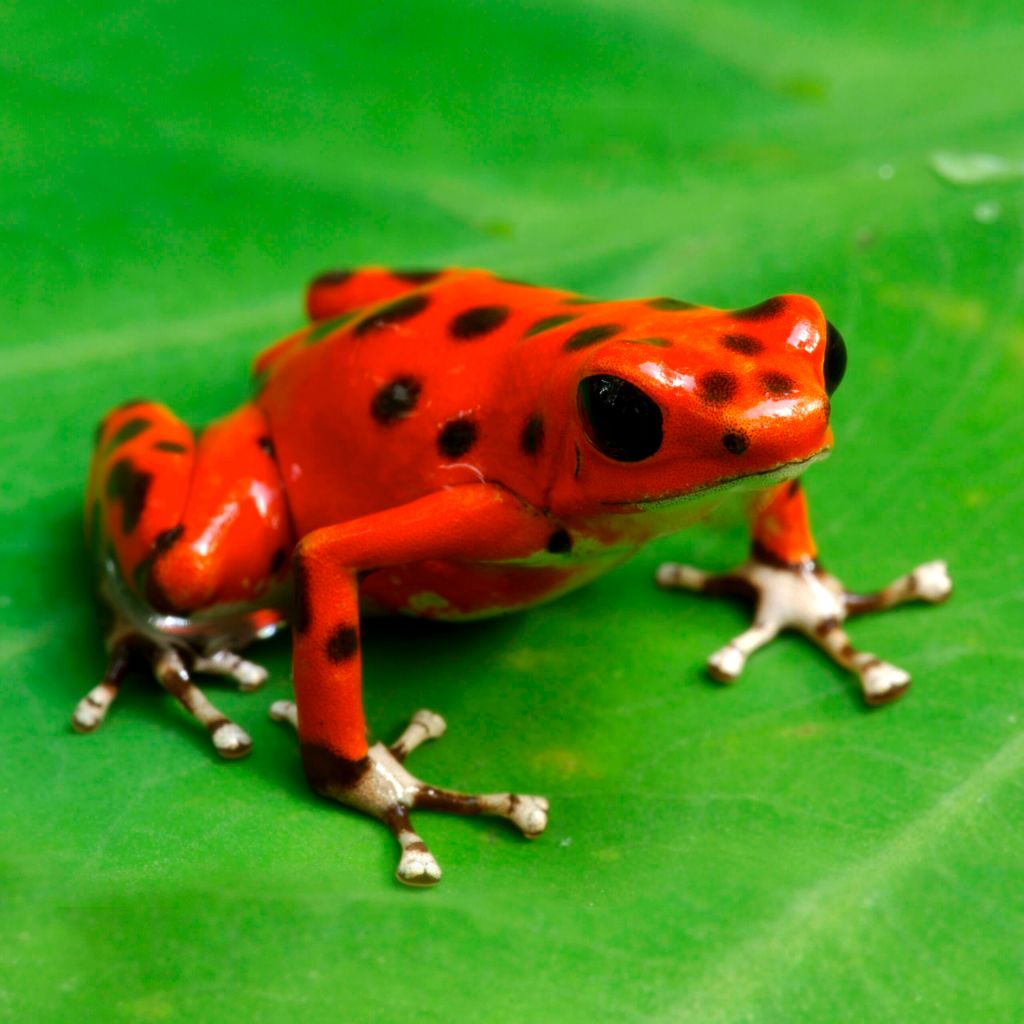
Frogs are incredibly adaptable creatures that thrive in a variety of habitats, from freshwater environments to tropical rainforests and even deserts. Their unique physiological traits allow them to survive in diverse climates and landscapes, but they remain highly dependent on water for reproduction and hydration. The diverse habitats of frogs highlight their remarkable ability to adapt, making them an essential part of ecosystems worldwide.
 Tourism Tails