Wetlands are among the most vital and yet often overlooked ecosystems on Earth. Comprising areas where water saturates the soil for part or all of the year, wetlands include marshes, swamps, and bogs. Though they cover only a small portion of the Earth’s surface, wetlands play a crucial role in maintaining ecological balance and supporting biodiversity. Their value extends beyond their beauty, providing essential services for both the environment and human societies.
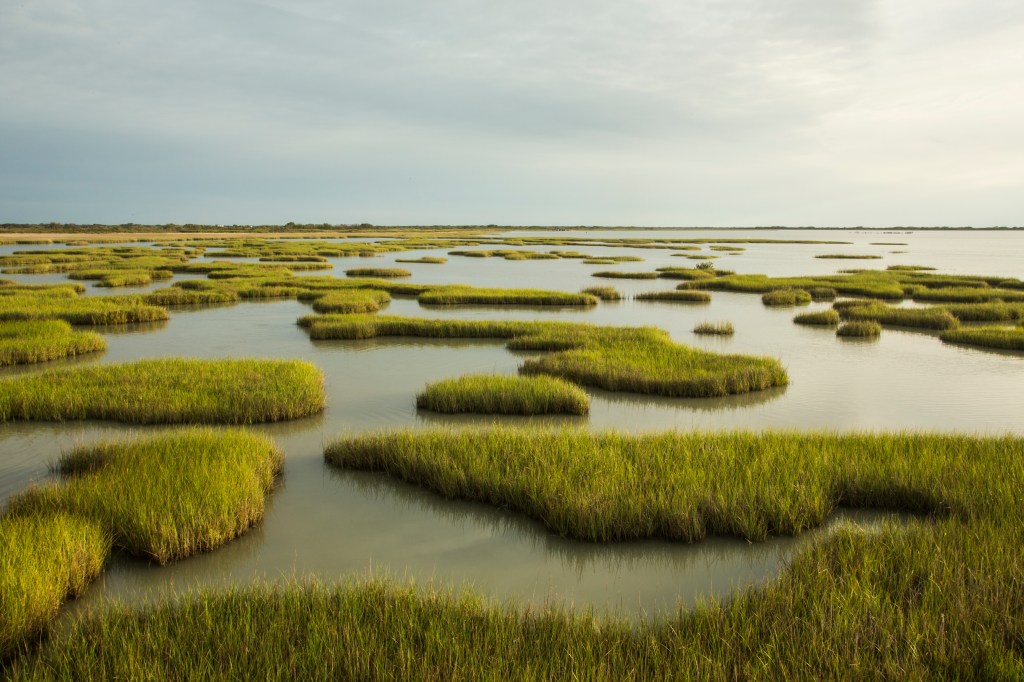
One of the primary functions of wetlands is their ability to filter and purify water. As water flows through wetland areas, the plants and soil act as natural filters, removing pollutants, sediments, and excess nutrients. This process improves water quality, which is vital for the health of rivers, lakes, and oceans, as well as for the safety of drinking water supplies. Wetlands can also act as buffers, absorbing excess water during storms and floods, reducing the risk of damage to surrounding areas. Their capacity to store and slowly release water helps mitigate the impact of floods and droughts, making them crucial for flood control and water management.
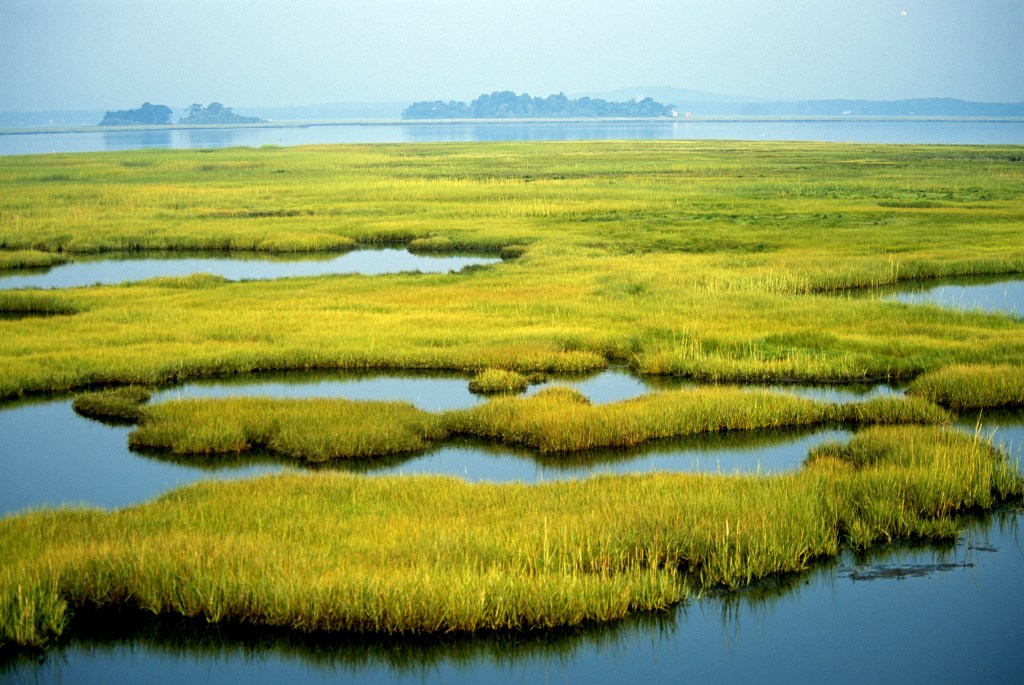
Wetlands also provide rich habitat for a wide range of wildlife. They are among the most productive ecosystems, supporting an incredible variety of plants, animals, and microorganisms. Many species of birds, fish, amphibians, and insects rely on wetlands for breeding, feeding, and shelter. For example, migratory birds depend on wetlands as stopover points during their long journeys, while fish species like salmon use these areas as nurseries for their young. In fact, wetlands support around 40% of the world’s species, despite covering less than 10% of the land area.
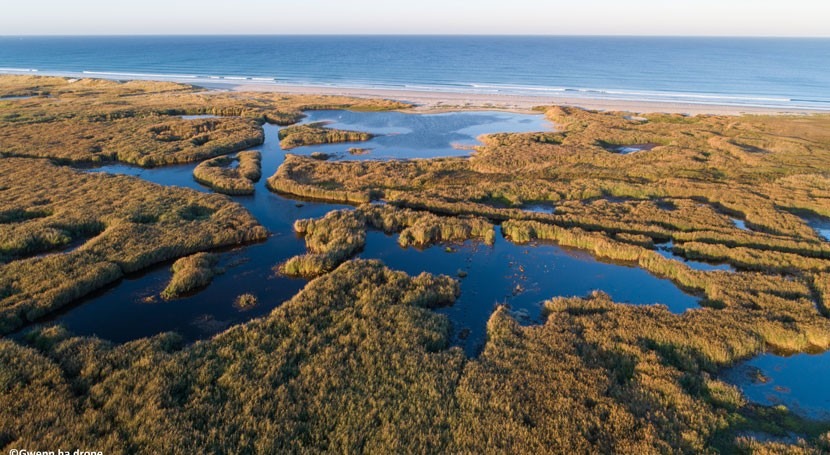
In addition to their ecological importance, wetlands offer significant economic and recreational value. They provide opportunities for tourism, recreation, and education. People visit wetlands for activities like birdwatching, fishing, and kayaking, contributing to local economies. Moreover, wetlands support livelihoods through the harvest of plants, fish, and other resources. For example, rice paddies, a type of wetland, are a crucial agricultural resource for millions of people worldwide
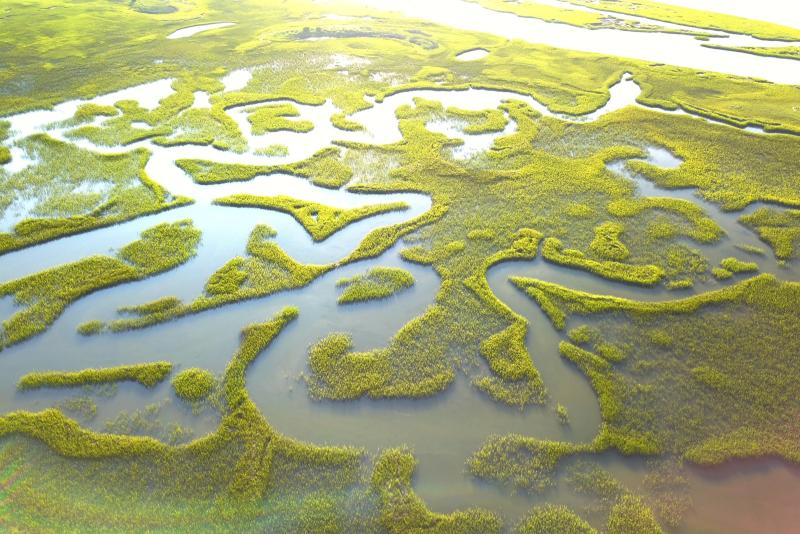
Despite their importance, wetlands are increasingly threatened by human activities such as draining for agriculture, urbanization, and pollution. As wetlands are destroyed or degraded, the valuable services they provide are lost, leading to diminished water quality, increased flood risks, and the decline of biodiversity. Therefore, it is critical to conserve and restore wetlands to ensure that their many benefits continue to support both nature and humanity
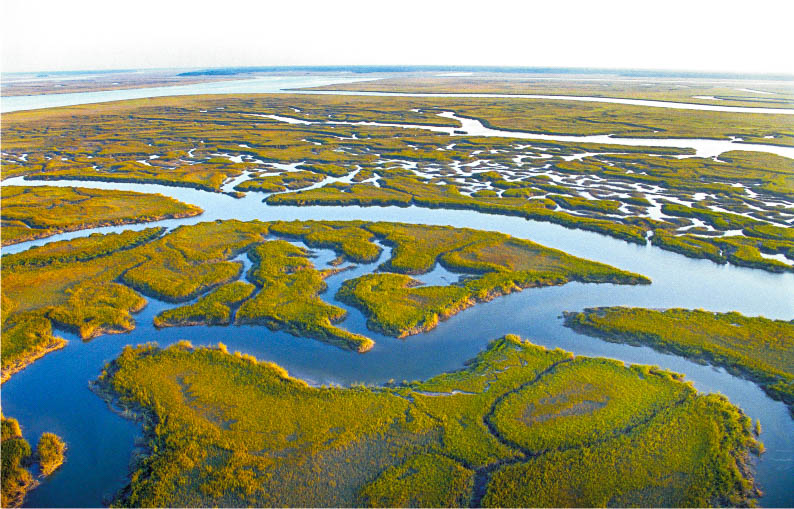
Wetlands are invaluable ecosystems that provide essential services such as water filtration, flood control, and habitat for wildlife. Their ecological, economic, and recreational contributions cannot be overstated. Protecting and preserving wetlands is a responsibility we all share, for the well-being of the environment and future generations
 Tourism Tails