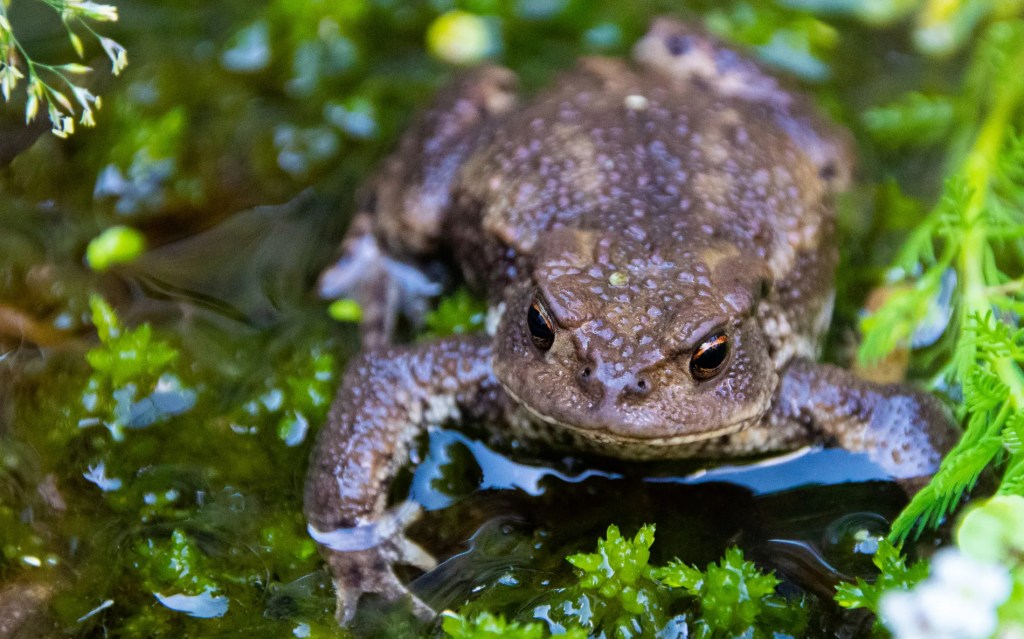
Toads, often mistaken for frogs, are a group of amphibians that have unique physical characteristics and fascinating behaviours. One of the most notable behaviours of toads is their calling during the breeding season. These calls, which are essential for reproduction, provide a means of communication among males and females, and also serve to establish territory. Although toad calls may not be as familiar as those of frogs, they play a critical role in the toad’s life cycle and their social interactions.

Male toads produce calls to attract females during the mating season. The calls are typically made at night when the toads are most active and can be heard in wetland habitats where toads gather for breeding. The sound produced by male toads is often a long, steady trill that can last for several seconds or even minutes. This vocalization is created through the inflation of the male’s vocal sac, which amplifies the sound. The calling serves as a signal to females, advertising the male’s presence and availability as a mate.
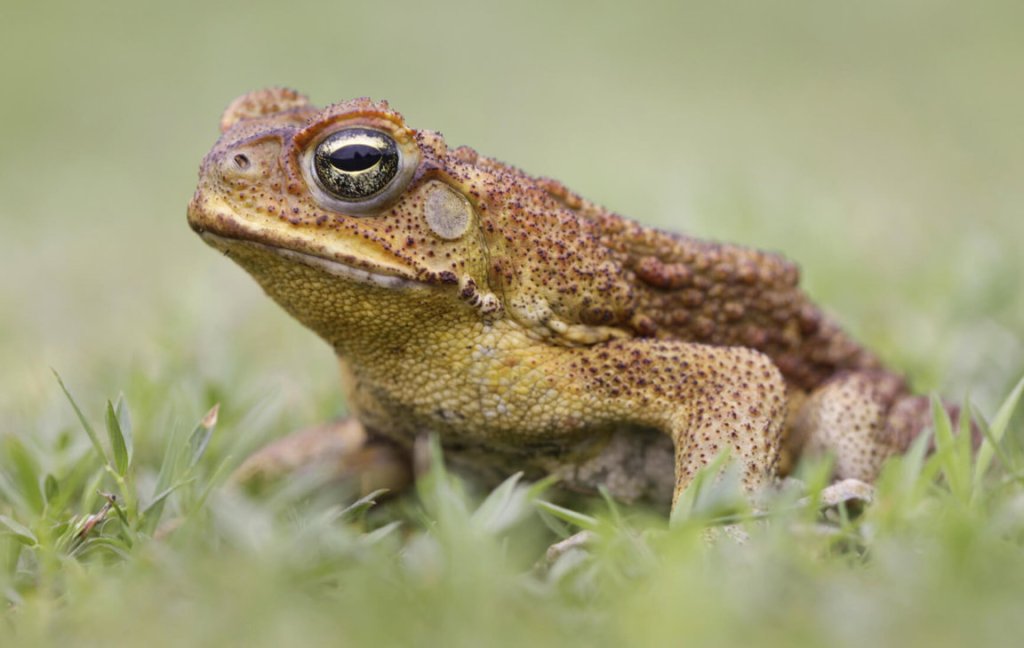
The pitch, duration, and frequency of the call can vary between species and also among individual males. A longer, louder, and more frequent call is often seen as a sign of strength and fitness, which may increase a male’s chances of attracting a female. In some species, the intensity of the call can indicate the size and health of the male toads, with females generally preferring males that produce the most prominent calls. In this way, toads use their vocalisations not just to announce their presence, but to compete with other males for the attention of potential mates.
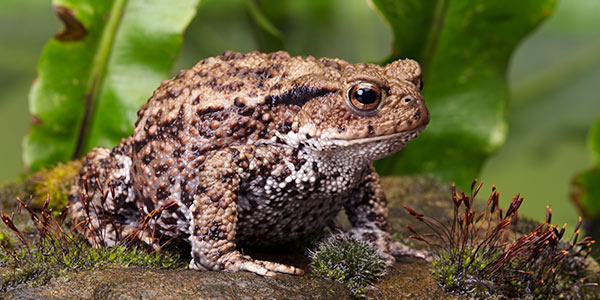
Calls are not only important for attracting females but also for maintaining territory. Male toads are territorial during the breeding season, and they use their calls to establish boundaries and deter other males from encroaching on their space. A male’s territory is usually located near a breeding site, such as a pond or marsh, and is crucial for ensuring access to females. By calling loudly and frequently, a male signals to other males that the area is already claimed, thus reducing the likelihood of confrontations and competition.
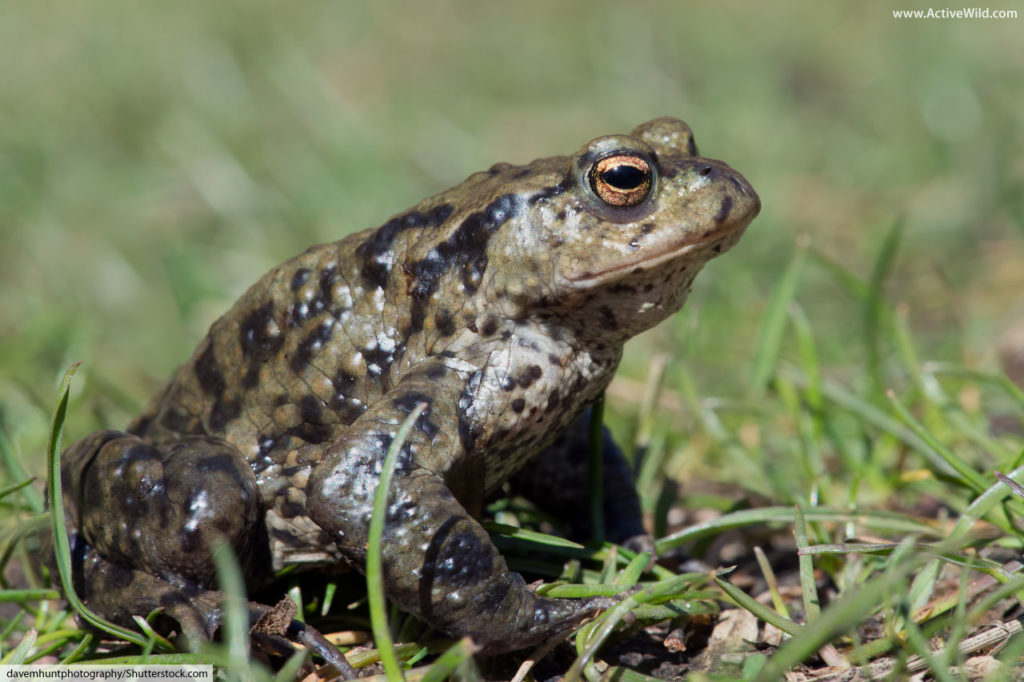
The environmental conditions of wetland areas play a key role in the timing and frequency of toad calls. Temperature, humidity, and even the presence of water can influence when toads begin calling. During warmer and wetter conditions, toads are more likely to engage in vocalization, as these conditions are ideal for breeding and attracting mates. In contrast, drier or cooler weather may suppress calling behaviour.
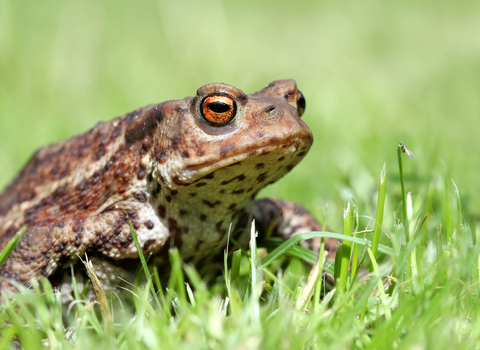
The calling of toads is an essential part of their reproductive strategy and territorial behaviour. Through their unique vocalizations, male toads advertise their availability to females and defend their breeding territories against rivals. These calls, often heard during the quiet of the night, are vital to the survival and continuation of the species. By understanding the role of these calls, we gain a deeper appreciation for the complexity of communication in the animal world.
 Tourism Tails