The waterbuck, a large antelope found in sub-Saharan Africa, is known for its distinctive appearance and association with wetlands and rivers. While this herbivorous animal is admired for its beauty and graceful movements, it is often considered inedible by both predators and humans alike. The primary reason for this is the unique and unappealing odour emitted by the waterbuck, which makes its meat undesirable for consumption.
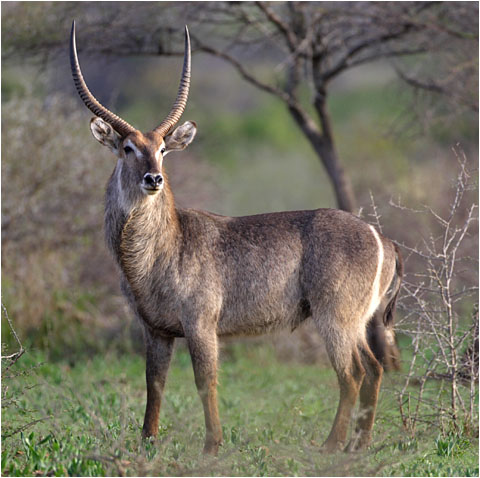
The waterbuck’s distinctive smell comes from a gland located near its tail that secretes a musky substance. This secretion is believed to serve as a defence mechanism, as the scent acts as a deterrent to predators. The pungent odour, often likened to a strong, rancid scent, is so overpowering that it permeates the animal’s fur and even its meat. As a result, the taste of waterbuck meat is unpleasant, making it unappetizing and difficult to consume.
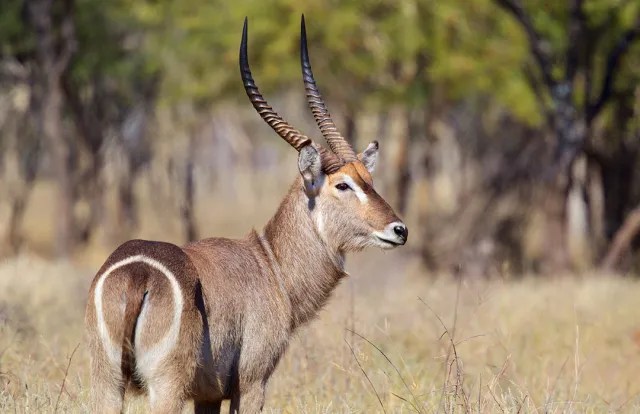
The waterbuck’s meat is also known for being tough and less palatable compared to other antelopes. The combination of the animal’s diet, its muscular build, and the odour from its skin makes the meat less desirable for both predators and humans. While other antelopes in the same habitat are often hunted for food, the waterbuck’s strong scent and poor meat quality contribute to its reputation as inedible.
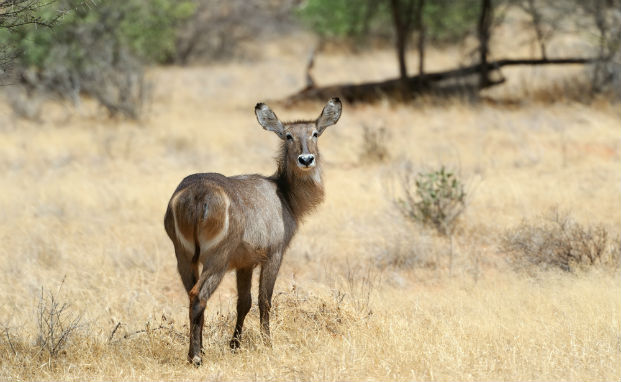
While the waterbuck is typically avoided by carnivores due to its taste and odour, it is not without its natural predators. Lions, for example, will occasionally hunt waterbucks, but they often approach the kill with caution due to the smell. In some cases, predators will eat the animal only when no other food sources are available, though they typically prefer other prey that offer a better taste and texture.
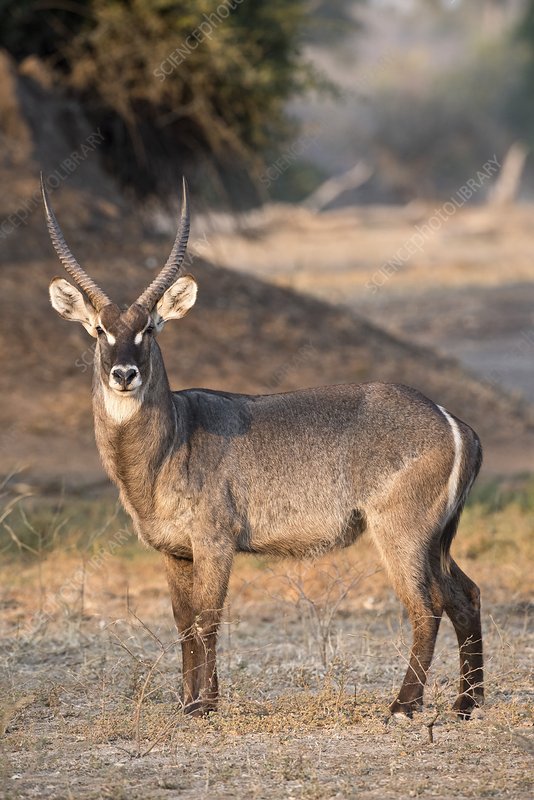
Humans, too, have little interest in consuming waterbuck meat. The unpleasant odour makes it unsuitable for traditional hunting practices and cuisine. Indigenous groups and local communities in sub-Saharan Africa are more likely to hunt other species, such as impalas or gazelles, which are both more palatable and easier to prepare.
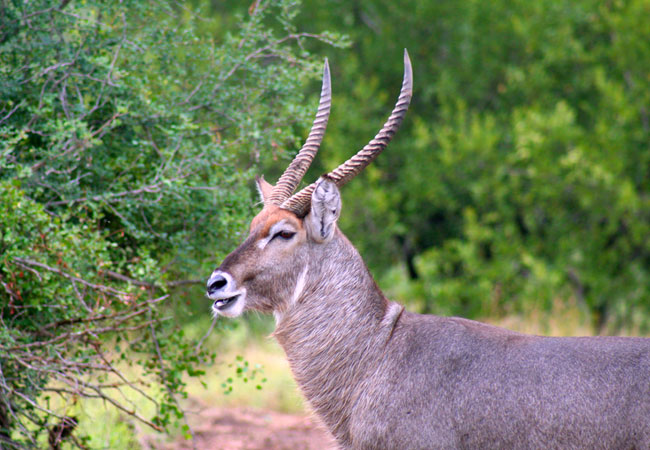
The waterbuck’s reputation as an inedible animal stems from its strong, unpleasant odour and tough, unappealing meat. This unique characteristic, while effective in deterring predators, also ensures that the waterbuck is largely left alone by both carnivores and humans. Though the waterbuck plays an important role in the ecosystem, its inedibility makes it an unlikely choice for consumption, both in the wild and in human diets.
 Tourism Tails