Giraffes, with their long necks and towering stature, are among the most iconic animals of the African savannah. However, in recent years, concerns have grown about their survival in the wild. While not all giraffe populations are classified as endangered, many are facing significant threats that put them at risk. According to the International Union for Conservation of Nature (IUCN), the giraffe species as a whole is listed as “Vulnerable,” with certain subspecies facing even more critical levels of endangerment.
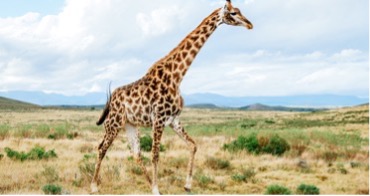
Habitat loss is one of the primary threats to giraffes. As human populations expand, giraffe habitats are increasingly fragmented by roads, farms, and settlements. This fragmentation makes it harder for giraffes to find food, migrate, and reproduce. Additionally, illegal hunting and poaching have also contributed to the decline of giraffe populations in some regions. Giraffes are hunted for their meat, hides, and tails, and sometimes as trophies.
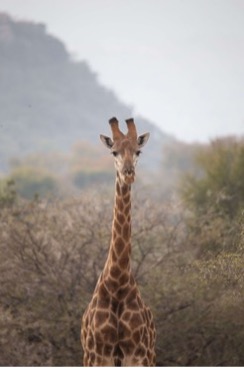
Another serious concern is the lack of awareness. While animals like elephants and rhinos receive widespread attention for their endangered status, giraffes have often been overlooked in global conservation conversations. This has resulted in fewer resources and less urgency directed toward giraffe conservation efforts.
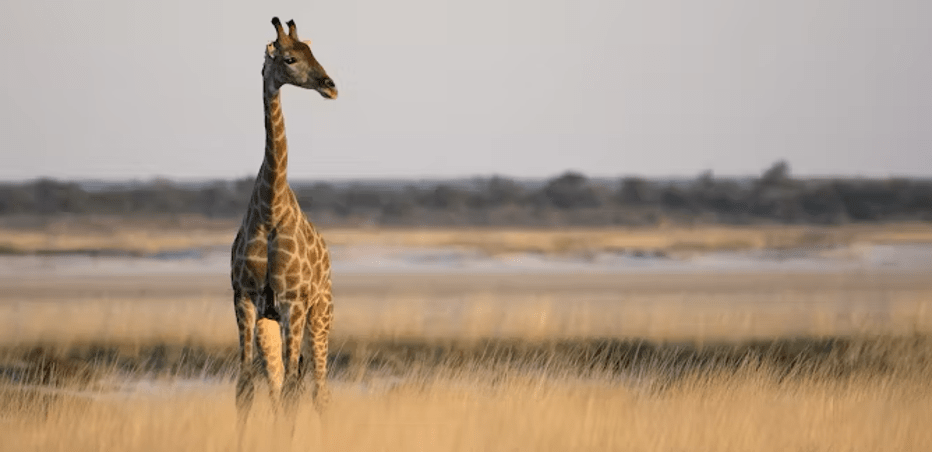
Fortunately, conservation organizations are beginning to take action. Initiatives such as habitat protection, community-based conservation programs, and anti-poaching measures are being implemented in parts of Africa. These efforts, along with increased public awareness, are essential to reversing the decline.
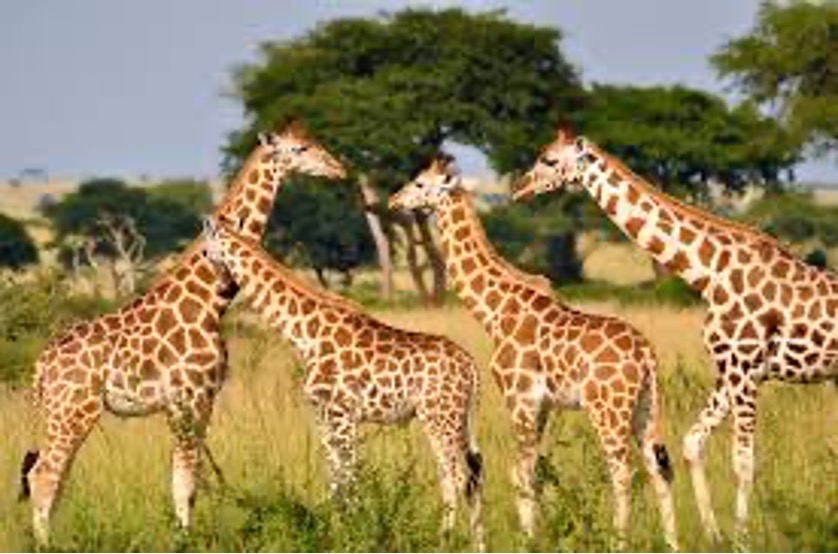
In conclusion, while giraffes are not extinct or critically endangered as a whole, many subspecies are in serious trouble. The time to act is now, before these majestic animals disappear from their native landscapes. Conservation and education are key to ensuring that future generations will continue to see giraffes roam the African plains.
 Tourism Tails