Wetlands, often referred to as the “kidneys of the Earth,” are not only critical ecological systems but also hold deep cultural significance for communities around the world. From the Everglades in Florida to the Okavango Delta in Botswana and the Sundarbans of India and Bangladesh, wetlands have been integral to the traditions, beliefs, and livelihoods of countless societies. These rich ecosystems have served as sources of food, water, medicine, and spiritual inspiration, making them essential to both material and intangible cultural heritage.
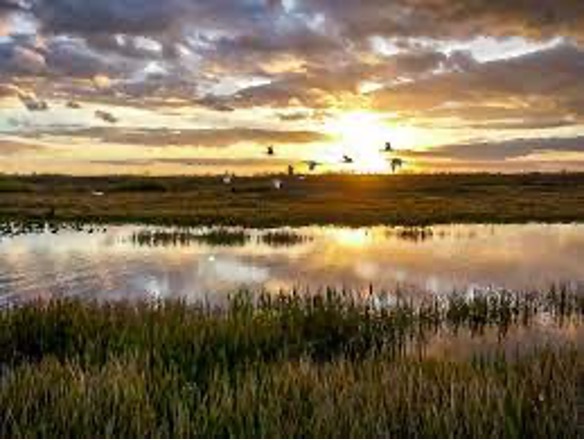
Many Indigenous and local communities view wetlands as sacred landscapes. In Australia, for example, Aboriginal peoples have maintained spiritual and custodial relationships with wetland areas for thousands of years, incorporating them into Dreamtime stories and cultural practices. Similarly, in parts of Southeast Asia, wetlands are associated with deities or spirits, and traditional festivals often honour the life-giving properties of these waterscapes. The biodiversity within wetlands has also influenced traditional medicine and folklore, with plants and animals found in these areas used for healing and ceremonial purposes.

Beyond spirituality, wetlands play a crucial role in traditional economies and social practices. In regions such as the Mekong Delta and Nile River Basin, wetlands provide essential resources like fish, reeds, and fertile land for agriculture. These activities are often structured around generational knowledge and sustainable use practices, forming a core part of local identity and community cohesion. Wetlands have also inspired cultural expressions such as music, poetry, and visual art, highlighting their place in the collective imagination.
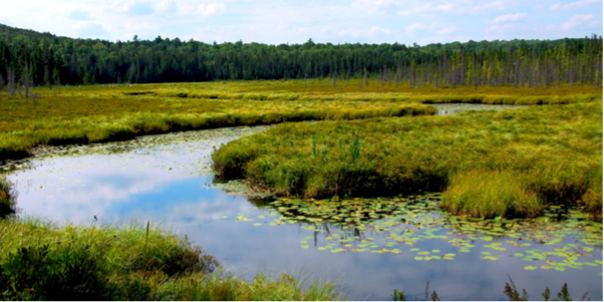
In an era of increasing environmental challenges, recognizing the cultural value of wetlands is vital. Conservation efforts that respect and incorporate traditional knowledge can enhance both ecological health and cultural continuity. By understanding wetlands not just as ecosystems but as cultural landscapes, societies can foster a more holistic and respectful approach to environmental stewardship.
 Tourism Tails