Elephants are highly intelligent and social animals that live in complex family groups, usually led by an older, experienced female known as the matriarch. The matriarch plays a crucial role in guiding the herd, making decisions about where to find food and water, avoiding danger, and maintaining social order. When a herd loses its matriarch—whether through natural causes or human actions like poaching—it can have serious consequences for the entire group.
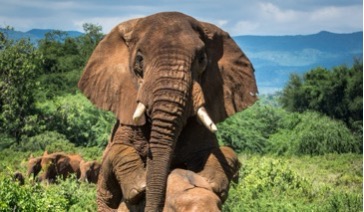
Without a matriarch, elephant herds often become disorganized and more vulnerable. Young elephants, in particular, rely on the matriarch for guidance and protection. She teaches them essential survival skills and how to interact with other elephants. In her absence, young elephants may struggle to develop proper social behaviours. In extreme cases, orphaned young males have been observed displaying unusually aggressive behaviour, sometimes attacking other animals or even humans, as seen in parts of Africa where older bulls or matriarchs are missing.
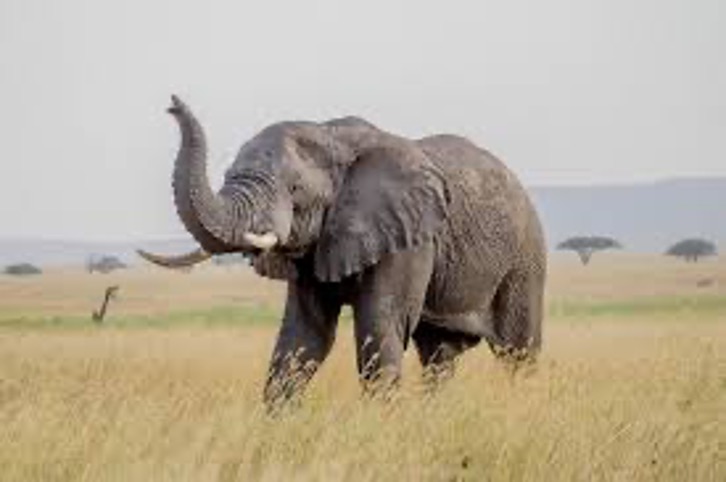
The loss of a matriarch can also reduce a herd’s ability to respond to threats. Matriarchs have long memories and can recall safe migration routes and water sources even in times of drought. Their experience helps the herd survive harsh conditions. Without this knowledge, the group may make poor decisions that increase their risk of starvation, dehydration, or conflict with humans.
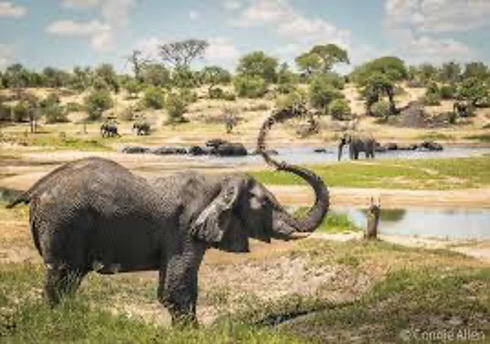
The matriarch is vital to the survival and well-being of an elephant herd. Her leadership ensures that younger elephants learn, grow, and thrive in a structured and protected environment. Protecting matriarchs through anti-poaching efforts and habitat conservation is not only important for individual animals but for the future stability of elephant populations as a whole.
 Tourism Tails