Giraffes are one of the most recognisable and unique animals in Africa, known for their long necks, tall legs, and gentle nature. As the tallest land animals in the world, giraffes can reach heights of up to 18 feet, allowing them to browse the tops of trees where few other animals can reach. Native to various parts of sub-Saharan Africa, giraffes play an important role in their ecosystems by shaping vegetation and spreading seeds through their browsing.

There are several different subspecies of giraffes across Africa, including the Masai giraffe, Reticulated giraffe, and Southern giraffe. Each type has slightly different coat patterns and habitats, but they all share common behaviours. Giraffes typically live in loose social groups and spend most of their time feeding on leaves, especially from acacia trees. Their long tongues, which can reach about 18 inches, help them pluck leaves from thorny branches with ease.
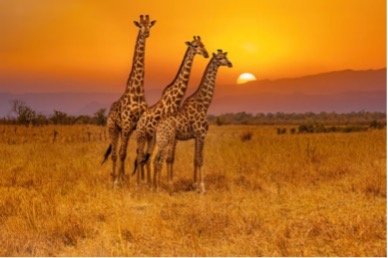
Despite their peaceful appearance, giraffes can defend themselves when threatened. They have powerful legs and can deliver strong kicks that are capable of injuring or killing predators like lions. However, giraffes face greater threats from humans than from natural predators. Habitat loss, poaching, and human-wildlife conflict have caused giraffe populations to decline significantly in some areas. Conservation efforts are now underway across Africa to protect their habitats and raise awareness about their importance.
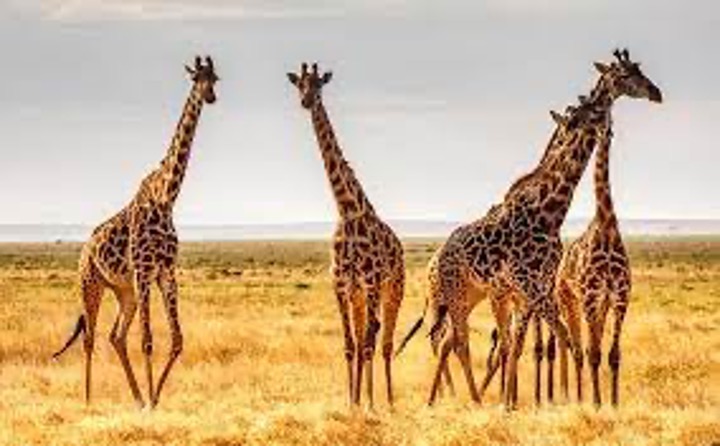
Giraffes are a symbol of Africa’s rich wildlife and natural beauty. They are not only important to the health of their ecosystems but also a valuable part of Africa’s cultural and ecological heritage. Protecting giraffes ensures that future generations will continue to witness these majestic animals roaming the African plains.
 Tourism Tails