Wetlands are among the most valuable and productive ecosystems on Earth, offering a wide range of benefits that are crucial to both the environment and human well-being. Often described as “nature’s kidneys,” wetlands play a vital role in maintaining ecological balance, supporting biodiversity, and protecting communities from natural disasters. Despite their importance, wetlands are often undervalued and threatened by development, pollution, and climate change.
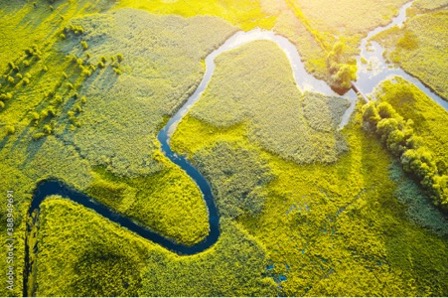
One of the most critical functions of wetlands is water purification. As water flows through wetland areas, plants and soils filter out pollutants such as heavy metals, excess nutrients, and sediments. This natural filtration process helps improve the quality of drinking water and reduces the need for expensive water treatment systems. Additionally, wetlands help recharge groundwater supplies and maintain water levels during dry periods, making them essential for sustaining agriculture and drinking water sources.
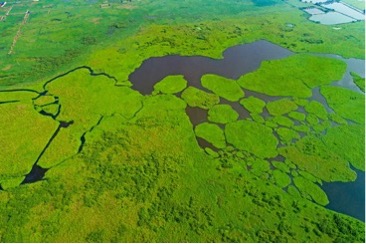
Wetlands are also biodiversity hotspots, providing habitat for countless species of plants, birds, fish, amphibians, and insects. Many endangered and migratory species depend on wetlands for survival. By supporting diverse life forms, wetlands contribute to the resilience of ecosystems and the stability of food chains. They also provide vital breeding and nesting grounds, especially for birds and aquatic species.
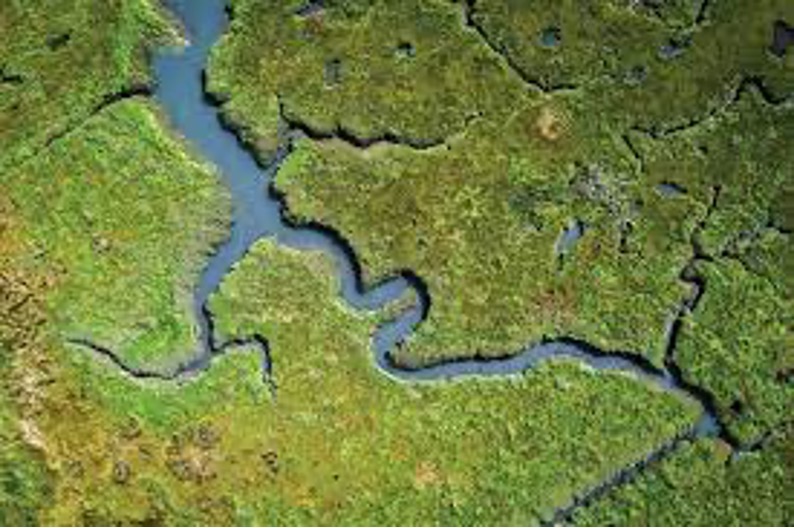
Another crucial benefit of wetlands is their role in flood control and climate regulation. Wetlands absorb excess rainwater and reduce the impact of floods by slowing down the movement of water. They also store large amounts of carbon in their plant matter and soils, helping to mitigate the effects of climate change by reducing greenhouse gases in the atmosphere.
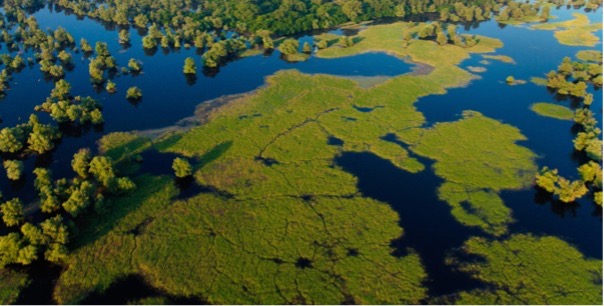
Beyond their ecological services, wetlands offer opportunities for recreation, education, and tourism. Activities like birdwatching, fishing, and kayaking not only provide enjoyment but also help raise awareness of wetland conservation. In many cultures, wetlands are also tied to heritage, traditions, and livelihoods.
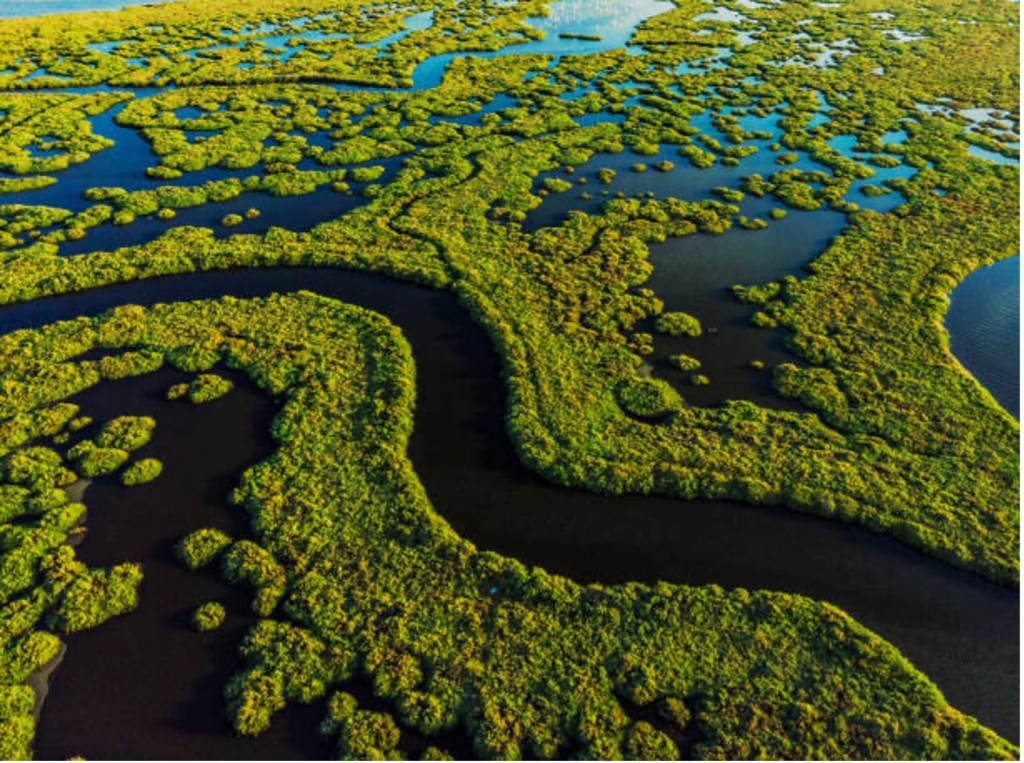
Wetlands are essential to human survival and environmental health. Protecting and restoring these natural systems is not only a responsibility but a necessity for a sustainable future. Their continued degradation puts ecosystems, economies, and communities at risk, making their conservation a global priority.
 Tourism Tails