The Mafabeni peat swamp, located near the eastern coast of South Africa within the iSimangaliso Wetland Park, is one of the oldest and most ecologically significant peatlands on the African continent. Estimated to be over 47,000 years old, it serves as a vital environmental archive, preserving ancient plant materials, pollen, and even human activity. This swamp not only supports biodiversity and water regulation but also holds cultural and archaeological importance—especially when linked to early pottery production in the region.
Peat, the partially decayed organic matter found in waterlogged environments like Mafabeni, plays a unique role in traditional pottery. While peat is not a direct ingredient in the clay itself, it is critically important as a fuel source for firing pottery. In regions where wood or charcoal may be scarce or ecologically sensitive to harvest, dried peat can be used as a combustible material. Its slow, steady burn provides the necessary heat to harden clay vessels without reaching temperatures that are too intense and risk cracking the pottery.
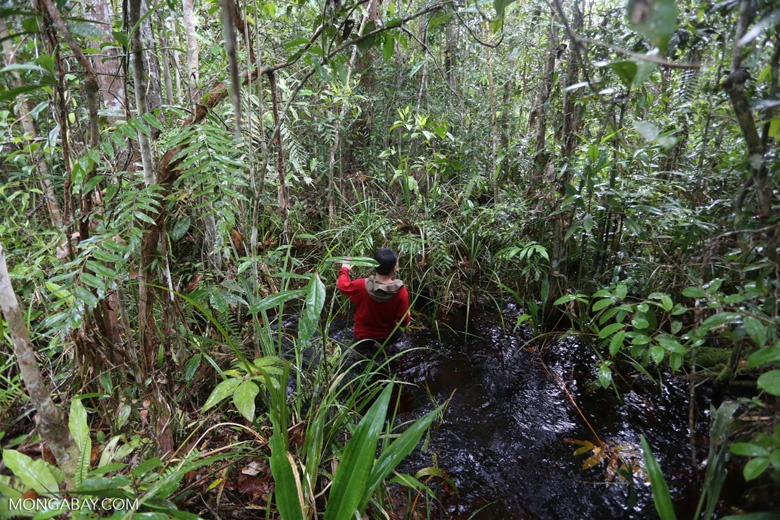
Furthermore, peat-rich environments like the Mafabeni swamp offer a natural preservation environment. Archaeologists often find well-preserved ancient artifacts, including pottery shards, in peat bogs because the anaerobic (low-oxygen) conditions slow decay. These findings can give insight into early human settlement, resource use, and technological development, including the transition from hunter-gatherer societies to early agricultural and ceramic-producing communities.
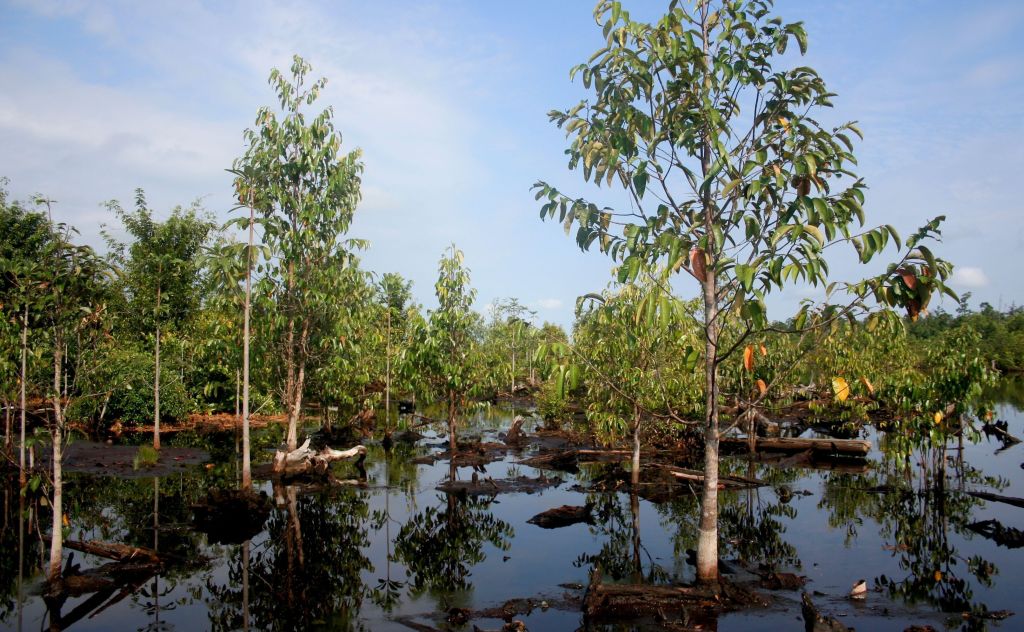
The Mafabeni peat swamp is also a living laboratory for studying how ancient people might have interacted with wetlands—gathering materials, sourcing water, and possibly using nearby organic resources for crafting and firing pottery. Its significance lies not only in its ecological function but in its connection to human history, traditional practices, and the evolution of early technologies like ceramics.

The Mafabeni peat swamp is a rare ecological and cultural treasure. Peat from such environments has played an indirect but crucial role in pottery by serving as a natural fuel and preservation medium—bridging the gap between environment and early human innovation.
 Tourism Tails