In the study of biodiversity and evolution, classification helps scientists make sense of the incredible variety of life forms. Among the more nuanced categories in taxonomy are cryptic species, sibling species, and subspecies. Though closely related, each term refers to a distinct biological concept used to describe relationships within or between groups of organisms.
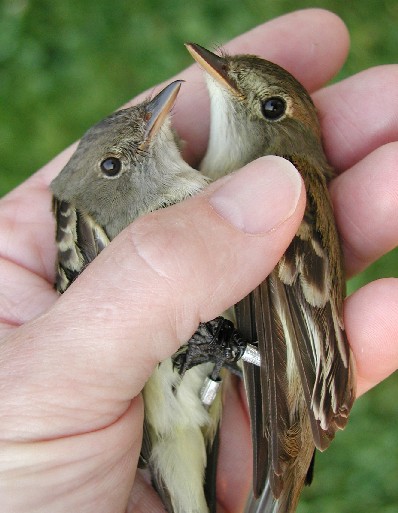
Cryptic species are groups of organisms that are genetically distinct but so morphologically similar that they were long considered a single species. Advances in genetic and molecular tools have allowed scientists to detect these hidden differences, often revealing unexpected diversity in seemingly uniform populations. A classic example is the Anophelesmosquito complex, where multiple cryptic species are nearly identical in appearance but differ in behaviour and disease transmission capacity. The recognition of cryptic species is important for conservation, pest control, and understanding evolutionary processes.
Sibling species are a subset of cryptic species that are not only morphologically similar but also very closely related evolutionarily. They typically originate from a recent common ancestor and often occupy overlapping or adjacent ranges. Despite their close relationship, sibling species are reproductively isolated—they cannot interbreed successfully. For example, Drosophila pseudoobscura and Drosophila persimilis are sibling species of fruit flies that look nearly identical but are genetically distinct and reproductively isolated.
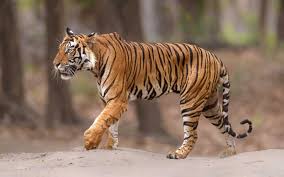
In contrast, a subspecies is a population within a species that has distinct morphological or genetic traits and occupies a particular geographic region, but can still interbreed with other subspecies if given the chance. Subspecies reflect ongoing evolutionary divergence, often due to geographic isolation, but the divergence has not reached the level of complete reproductive isolation. An example is the Bengal tiger (Panthera tigris tigris) and the Siberian tiger (Panthera tigris altaica), both of which are subspecies of Panthera tigris.
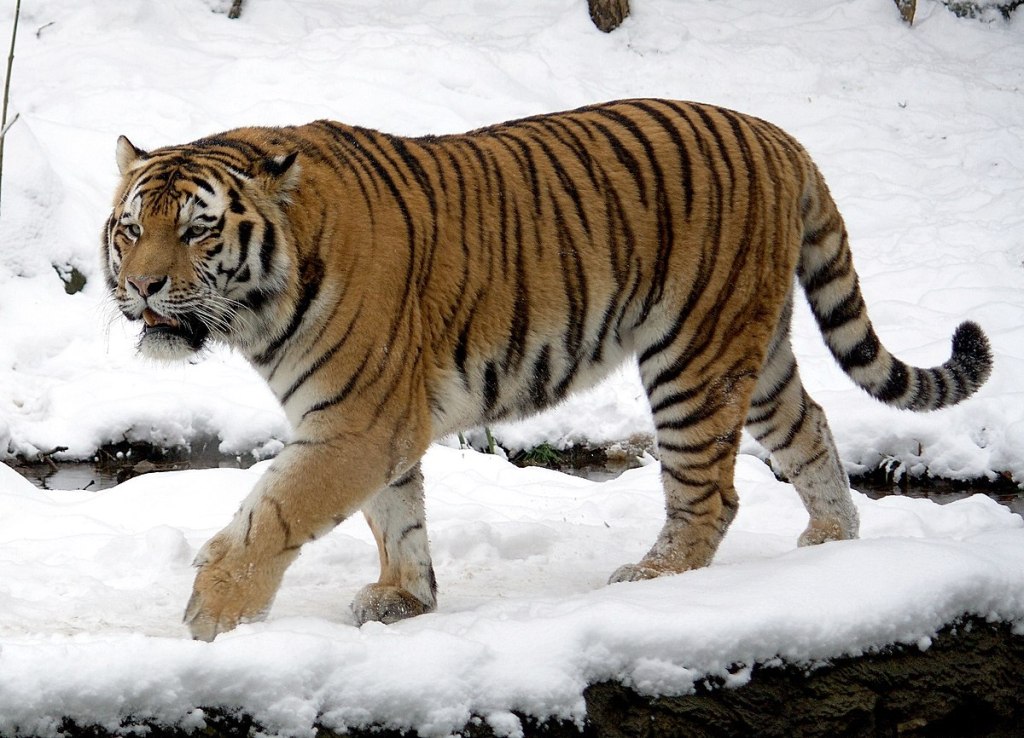
While all three terms describe variation within or between species, they differ in degrees of relatedness and reproductive compatibility. Recognizing these distinctions helps biologists better understand speciation, adaptation, and the complexities of life on Earth.
 Tourism Tails