The Importance of Whales Lifting Nutrients to the Surface from the Benthic Oceanic Depths

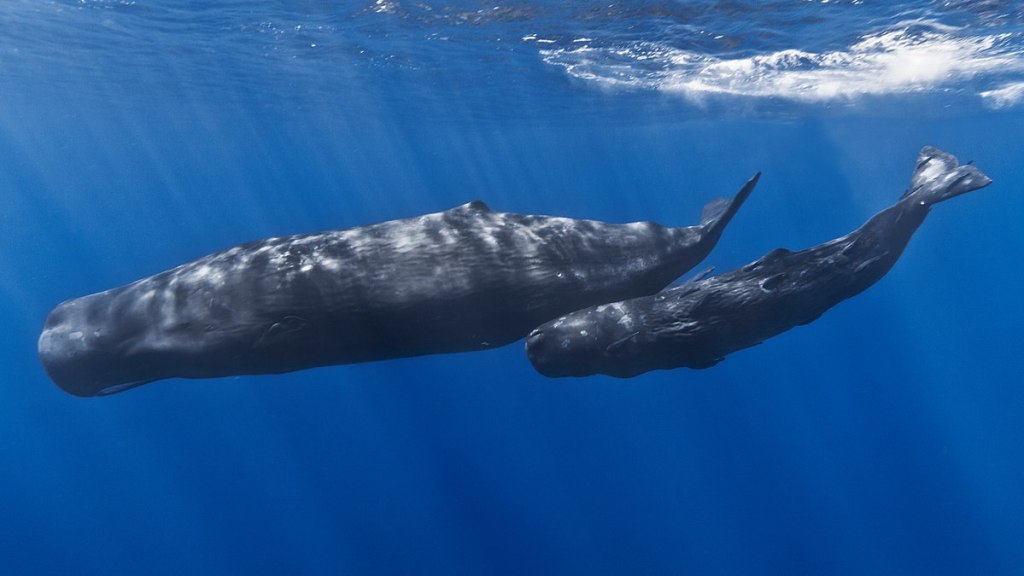
Whales and dolphins are remarkable. But why are they so important? What is so special about whales and dolphins? Whales play an amazing role in an ecosystem that keeps every creature on Earth alive, including you.

Humans have done enormous damage to the planet including killing millions of whales and wiping out up to 90% of some populations. Yet few people, let alone governments, are aware that recovering whale populations can help fight the damage we cause.

How whales support the marine ecosystem:
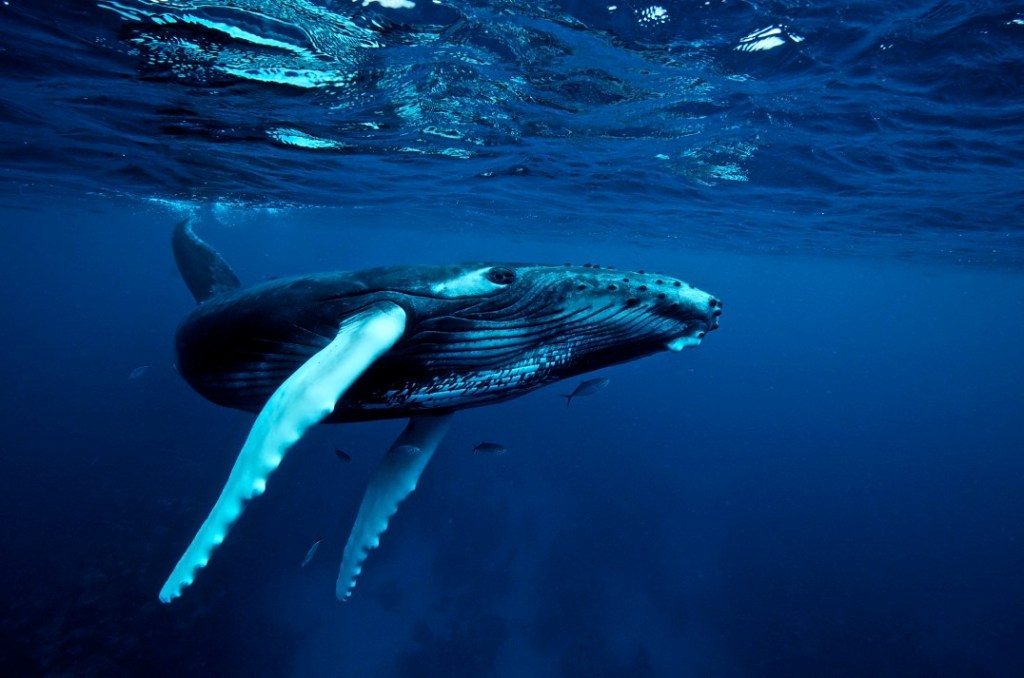
Whales re-distribute nutrients across the seas; essential to the marine eco-system, and the production of phytoplankton, which produces over half of the world’s oxygen. This is known as the “Whale Pump”.
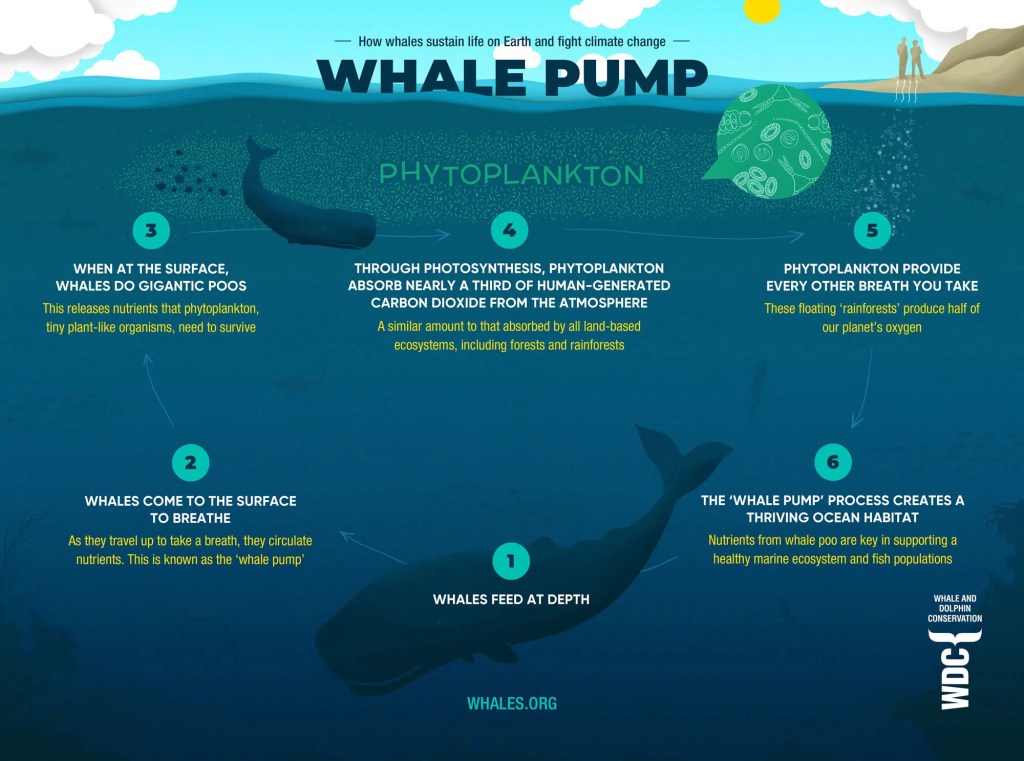
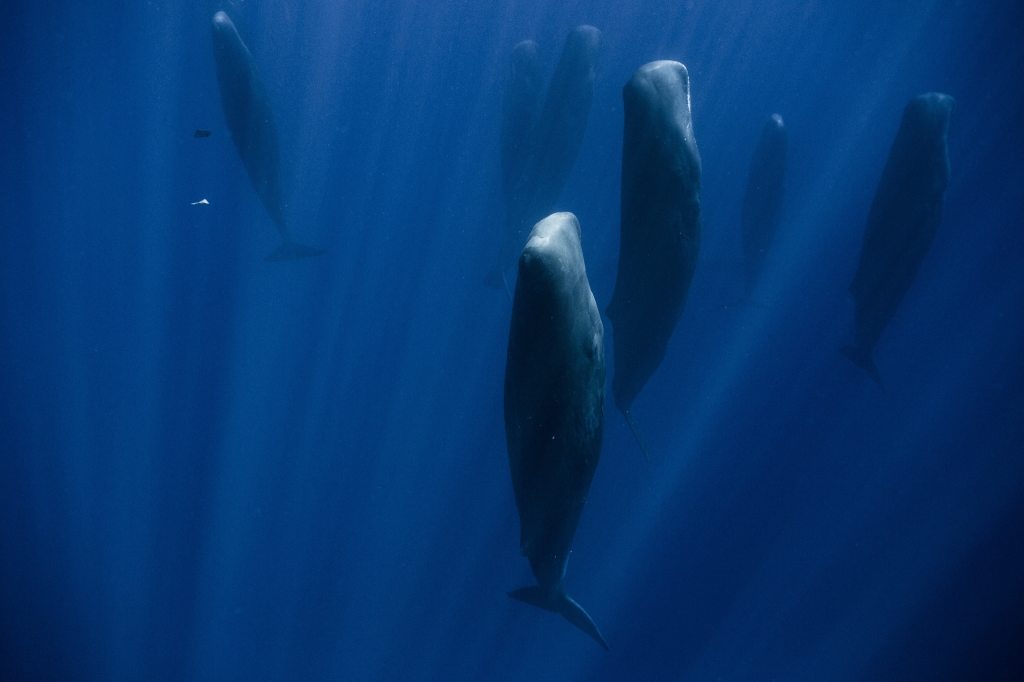
Different species of whales feed on a range of marine creatures, including krill and fish, in the dark depths of the world’s oceans.

Whales then come up near the surface to poo – and when whales poo, they really poo. Whale poo is a brilliant fertiliser for microscopic plants called phytoplankton. More whale poo means more phytoplankton. Phytoplankton absorbs carbon from the atmosphere – millions of tonnes of it.

Carbon in the atmosphere is a significant cause of climate change. Climate change is the greatest threat to all life on Earth.

So, the more whales there are, the more phytoplankton there is, and the more carbon is taken out of the atmosphere.

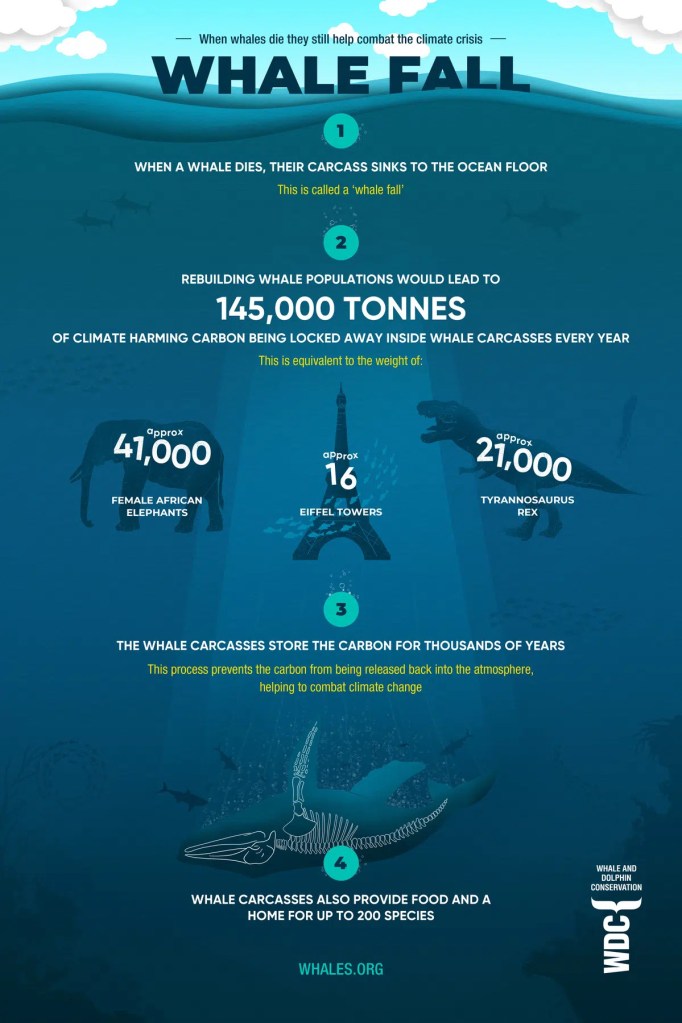
Even in death, whales sustain life. When whales die, they sink to the seabed, where they become mini-ecosystems sustaining all manner of marine life, taking huge amounts of carbon with them to the seabed. Researchers estimate that because of whaling, large whales now store approximately nine million tonnes lesscarbon than before large-scale whaling.
Planet Earth needs a healthy ocean. And a healthy ocean needs whales. It isn’t enough to conserve species, populations, and individuals. We need to restore their ocean environment and allow populations to recover to levels that existed before industrial scale whaling and fishing devastated the oceans.

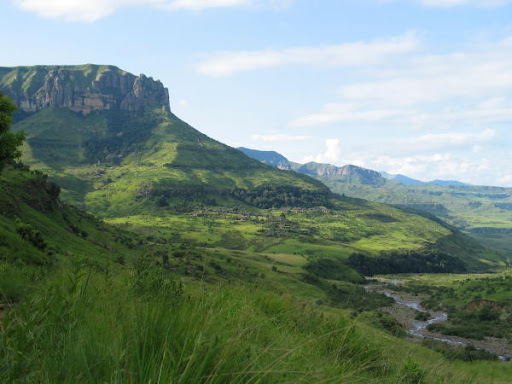
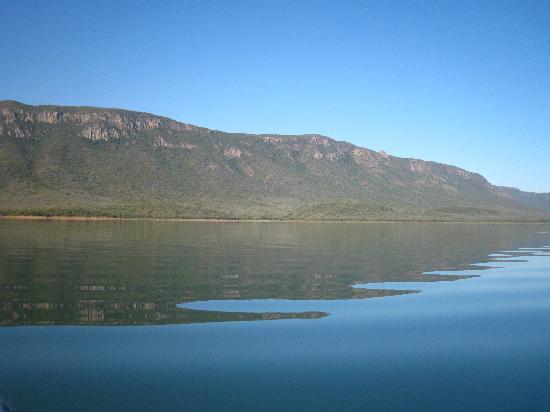
Lebombo Mountain Range

The Lebombo Mountains, also called Lubombo or Ubombo is a 800km long, narrow mountain range visible from northern Kwazulu-Natal to the southern border of Zimbabwe, and form a major part of the Kruger Park.  It forms the boundary between the province of KwaZulu-Natal, Eswatini and Mozambique and between Mozambique and the South African provinces of Mpumalanga and Limpopo. The name is derived from a Zulu word, Ubombo, which means “big nose.” 

Geologically it is composed of a sequence of Jurassic age volcanic rock, both basaltic lavas and rhyolitic flows and tuffs. The sequence rests on essentially horizontal Karoo Supergroup sedimentary rocks of the Kalahari Craton to the west and is overlain by Cretaceous to recent sediments to the east.

The average elevation of the range is about 600 metres above sea level; Mount Mananga, on the border between Mpumalanga province and Swaziland, rises to about 760 metres. A number of rivers, including the eastward-flowing Mkuze, Olifants, Pongola, Ingwavuma (Ngwavuma), and Usutu, cut their way through the range, and the latter two have formed especially spectacular gorges. 

A number of game reserves, from the Ubombo Mountain Nature Reserve in the south to the Kruger Park in the north help preserve the huge biodiversity of these mountains. Eco-routes, walking trails, camp sites, and game drives are a-plenty – definitely worth a road trip.

Whales with Different Accents and Songs

Apparently whales can hear or receive song info from distances up to 800kms. This allows their migration coordination up to the tropics which is thousands of kms. 

People around the world have different accents and you can tell where they are from by their distinctive way of talking. Just like human’s, whales also have different accents and the communicate to each other with songs.

The sharing of songs would effectively take place in the South pole when they are all together sharing feeding grounds and would share songs. 

Improvisation would most probably take place in the tropics when they are away from the large gatherings of whales and more isolated and less influenced by feeding frenzies and big social gatherings.

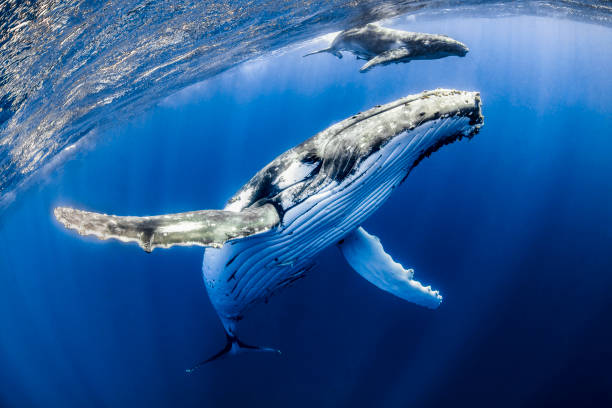
The humpback whale’s remarkable song is one of the best known underwater songs. Hauntingly beautiful, the songs of male humpbacks have been the subject of much research—and the topic of at least one Star Trek Movie. 

Humpback songs can last for hours. Assuming whales pick up song ideas from other whales, they need to be relatively close by to hear them, helping to maintain differences between widely separated groups. Nevertheless, the presence of some similarities between groups suggests that, at some point, different groups do interact and share song ideas. Every winter the songs change a little bit, suggesting that groups meet, share songs, then go their separate ways.

Individual songs are complicated enough, consisting of sets of sounds within other sounds. There seems to be some individual improvisation, but there are different dialects of songs. Populations of whales from a given area sang songs that were different from other populations with which they had limited contact. The further apart two groups were, the more different the sounds were. For example, Indian Ocean humpbacks sound very different from Pacific Ocean humpbacks, while different populations within the same general part of the Pacific will share more elements and song structures.

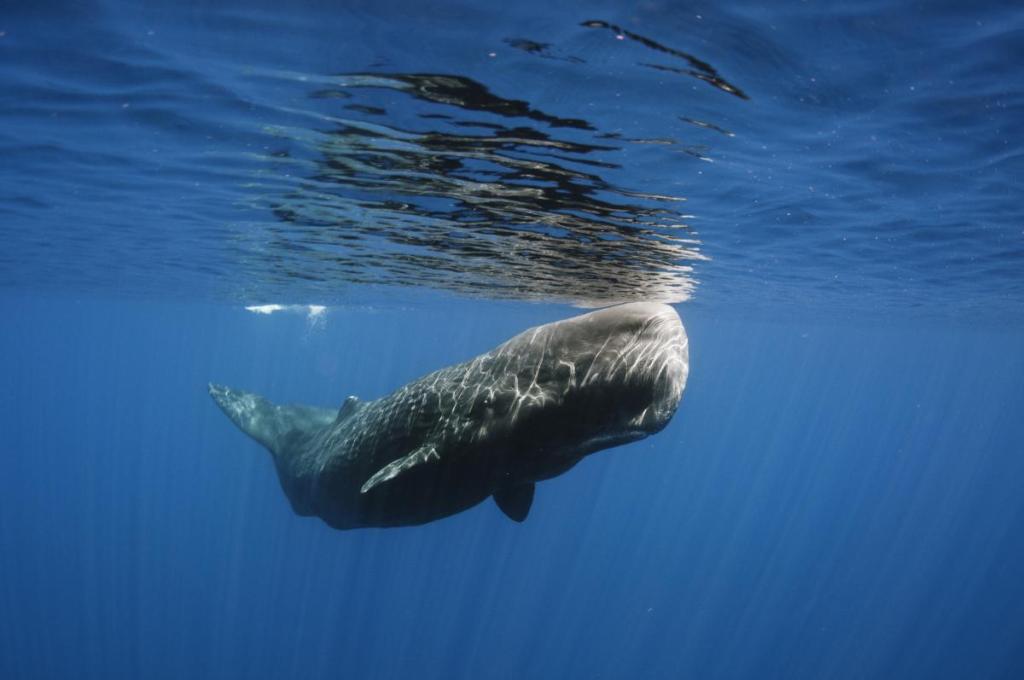
Sperm whales, which communicate through specifically spaced clicks called codas, are known to have dialects. The codas are unique to their regional groups and their sounds may identify individuals and family or social groups—just like first and last names. 

One click sequence identifies the vocal clan and essentially translates to, “I am from the Caribbean, are you?”.

As social creatures, whales differ in how they do things like hunt or care for their young. Behaviour is what you do and culture is how you do it.” In that sense, these unique codas may allow Caribbean sperm whales to reinforce their culture and bond with family members, both crucial needs in the vast ocean.

Monkey Apples

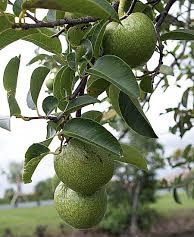
The monkey apple tree (Strychnos spinosa) is found in the sandy forests, coastal bush and along riverine edges in the Eastern Cape and KwaZulu-Natal. Other variations of this family are found as far north as Tanzania. It’s one of the most useful trees in our forests.

The fruits are very distinctive, being almost perfectly spherical (they’re actually berries). They are edible but need to be treated with caution – as the Latin name suggests, parts of the fruit (especially the seeds) are poisonous, containing strychnine. 

The fruit are usually picked before they are ripe and kept in storage. The hard outer shell means they are easy to transport, and the ripe fruit last for a long time. The outside shell turns from green to yellow when its ripe. The inside of the fruit is a yellow, strong-smelling pulp. 

The fruit can also be sun or oven dried. The dried pulp is then ground into a porridge which can be kept, unrefrigerated for up to 3 years.

The roots, bark, seeds, and unripe pulp are used for snake bites, and as an emetic and a laxative due to the presence of Strychnine. Fresh leaves are pounded into a paste and used as a natural insecticide, and to treat sores. The ripe fruit can be eaten raw or dried in the sun to make fruit rolls. The fruit can also be left to ferment in the sun and is used to make bitter tasting beer. 

The Three Duiker Species

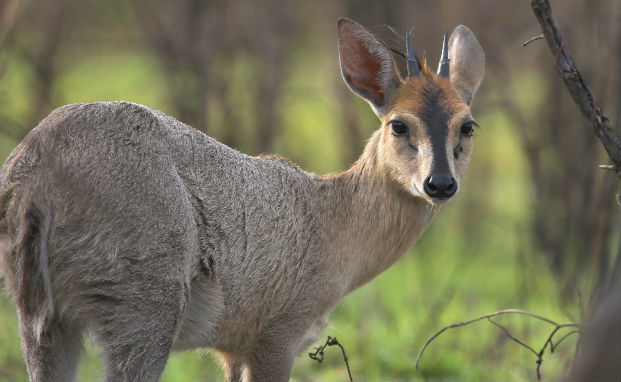
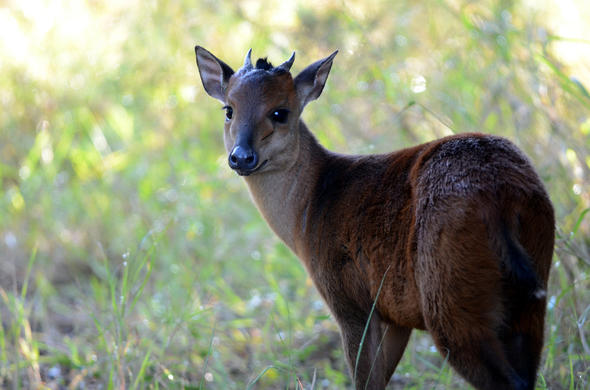
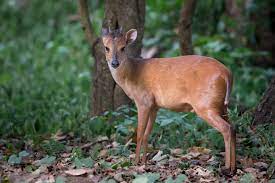
There are three common duiker species in this part of the world, and it is not uncommon to see all three on your safari through one of our parks. Its name comes from the Afrikaans ‘duiker’ meaning ‘to dive,’ because of its habit of ducking into bushes when there is danger about.

Common Duiker:
“Common” is a most apt description of this small antelope, as it enjoys the widest distribution of all the African antelopes. It is also called the Bush duiker, grey duiker, Savannah duiker or Grimm’s duiker. The name ‘grey duiker’ is because of its characteristic greyish colour, but “bush“ is a misnomer, as it does not live in forest or thickets but in grassland, savannah woodland, and karroid shrubland. They can live without drinking water, and they eat leaves, fruit, and seeds, and are one of very few antelope known to eat carrion and insects.

Blue Duiker:
Blue duikers live throughout central, eastern, and southern Africa. They inhabit a wide variety of forest and woodlands, including lowland rainforest, gallery forest, coastal scrub farmland, dense thicket, and montane forest. Blue duikers are forest antelope that spend most of their time foraging for fruit and other plant materials to eat. They are most active at dawn and at dusk. They are known to follow in the wake of monkeys and birds, eating fruit that those animals drop.

Red Duiker:
The Red Duiker is smaller than the Common Duiker. The upper parts are a deep chestnut-red and the lower parts of the flanks and under parts are a pale chestnut colour. Red Duiker forage on freshly fallen leaves, fruits, and flowers from forest canopies. Foraging occurs mostly during the early mornings and late afternoons. 

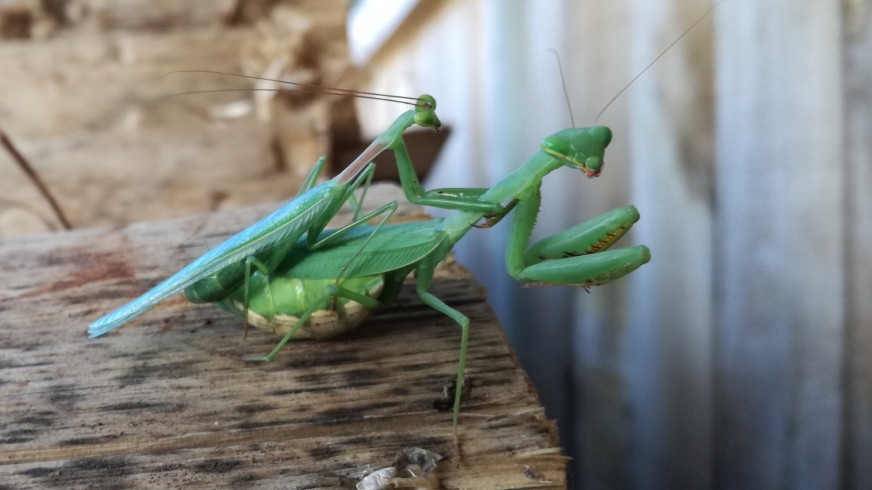
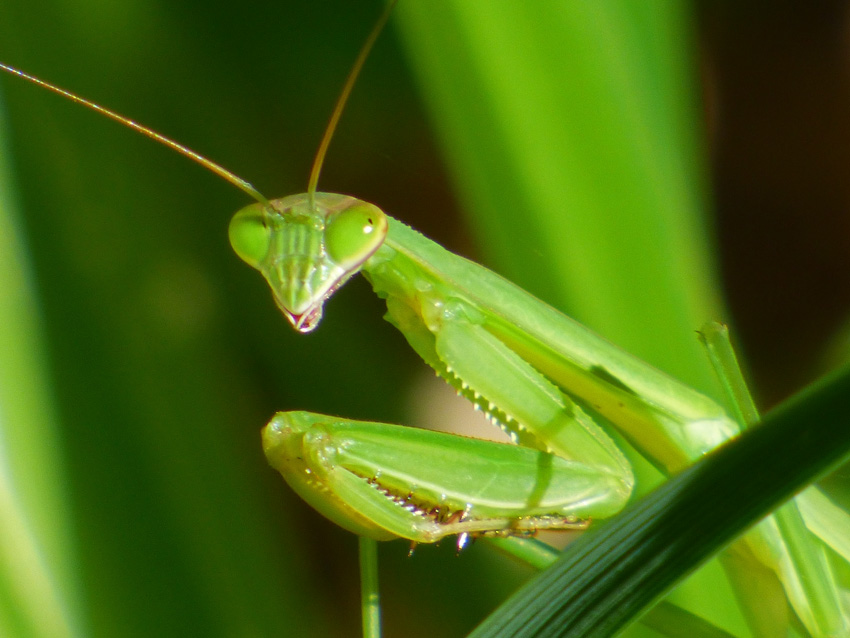
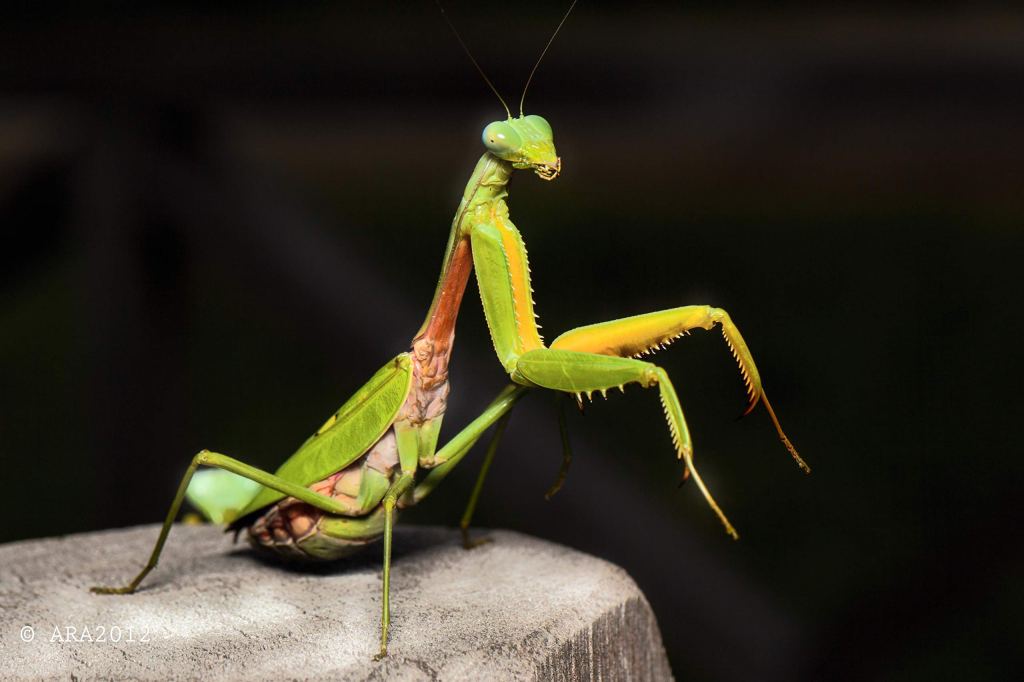
The Praying Mantis

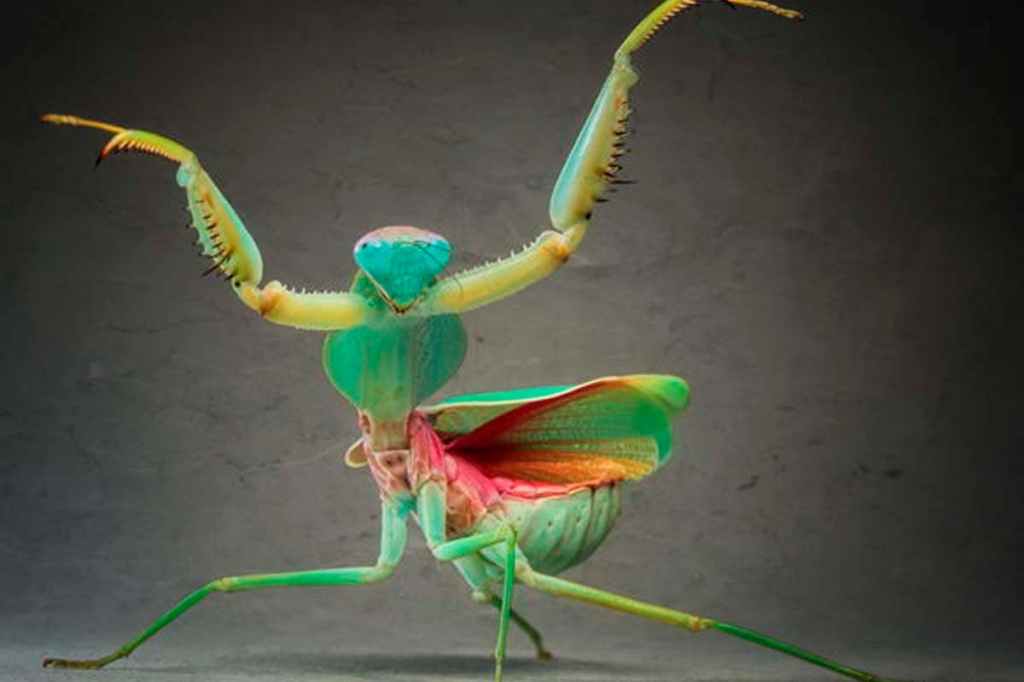
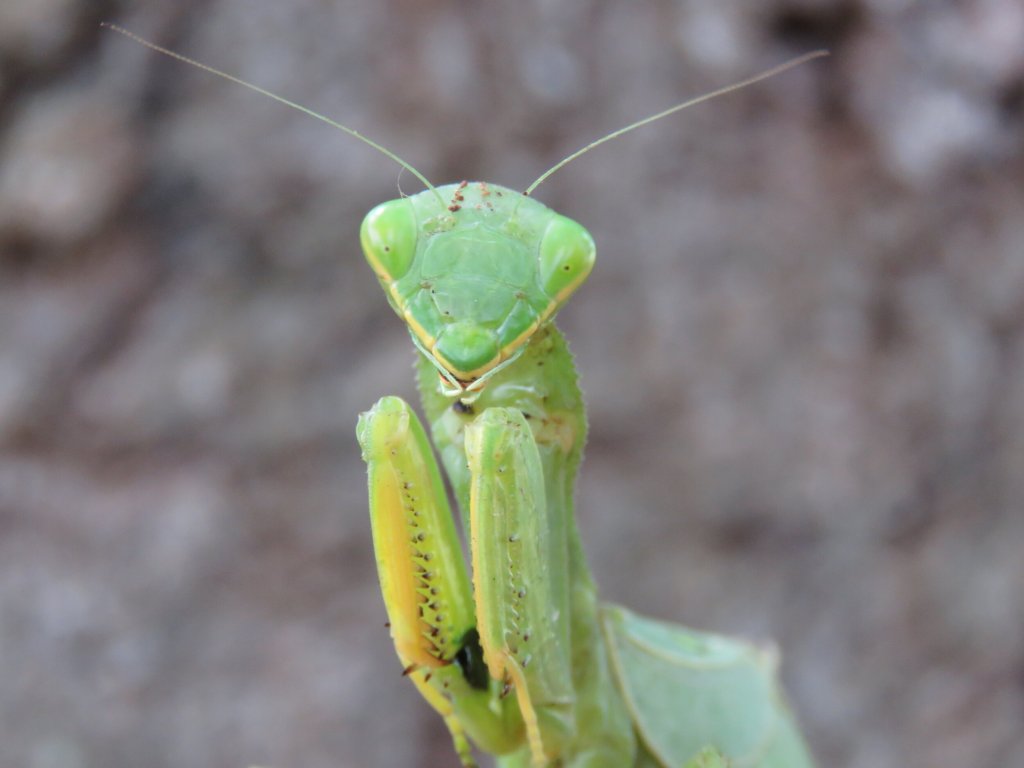
There are over 200 species of Mantis found in sub-Saharan Africa alone. Their scientific name, Mantodea, translated from Greek, means prophet. The insects are colloquially called praying mantis due to their characteristic pose which so closely resembles a person with their hands clasped in prayer. However, because they are predatory creatures, their name is sometimes incorrectly spelled as preying mantis.

All insects within this species have very distinctive triangular shaped heads which can turn almost 180 degrees in either direction. They have compound eyes with binocular vision and can see up to 15 meters, allowing them to spot both predators and prey very well.

The female praying mantis is most notorious for her habit of biting off the head of her mate during or after mating. However, this trait has been mostly noted in mating pairs of captive mantises, leading to the conclusion that the behaviour may be stress related, and not a common occurrence in the wild.

The praying mantis is totally carnivorous, eating mainly insects such as butterflies, moths, crickets, grasshoppers, and flies. Very large species have been seen to catch small lizards. They are also cannibalistic, not averse to eating members of their own species. They generally use coloration for camouflage, swaying silently in the breeze as they wait for their prey to move as close as possible; then, with lightning speed, they grab the insect and hold it with the hooked spines on their front legs, finally killing it with a lethal bite to the head.

In South Africa, the Khoi and San tribes call the praying mantis Hottentotsgod, which means God of the Bushmen. There is also an African belief that a mantis landing on a person is an omen of good luck.

The Lobola System

It isn’t called your “big day” for nothing. It often takes months to years of saving and planning the invitations, venue, flowers, dress, photographer, catering, and music. You want everything to be just right for this special day, but what if you are still held back by the hefty price of lobola?

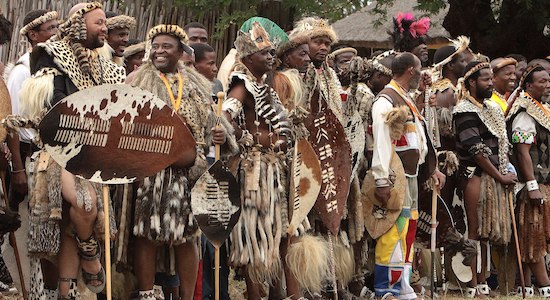
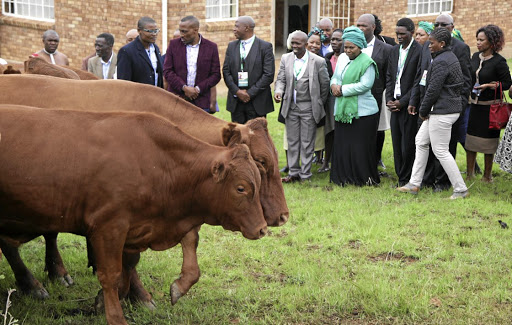
In many African countries the tradition of paying Lobola for a wife is common practice. According to this tradition, marriage is a contract between families and not just individuals, so the transfer of cattle from the relatives of the bridegroom to those of the bride serves to legitimise the marriage and to ensure certain rights. The most important of these rights is that the children of the marriage would legally belong to the father’s lineage group.

It has become the norm for families to charge fortunes for lobola. History Professor Jabulani Maphalala, who is also a former lecturer at the University of Zululand, has argued that this should never be the case. 

Originally there was no set price or amount of cows set for lobola. Theophilus Shepstone, a British South African politician, took it upon himself to set what the “bride price” should be. 

In the mid 1850’s Shepstone decided that the value of each cow should be £5 – eleven cows for an average woman, 15 for a chief’s daughter and 30 cows for a king’s daughter. In today’s terms, eleven cows are just unaffordable for workers on minimum wage. It is estimated that at least 60% of South African black couples were opting to “live in sin” because it is simply too expensive to go through the process of marriage. 

Lobola is not restricted to Africa. Although not called lobola, the Middle East has a similar system, although modern society there has turned the lobola amount to a token, usually one dirham (about R4.00 in South African terms). In India, it’s the opposite way around – the bride’s family forks out to the bridegroom, and the payment usually involves gold.

Maphalala advised people to not use lobola as a “money-making scheme” as young couples end up in debt after marriage.

Why You Shouldn’t Buy Seashells or Take Them from the Beach

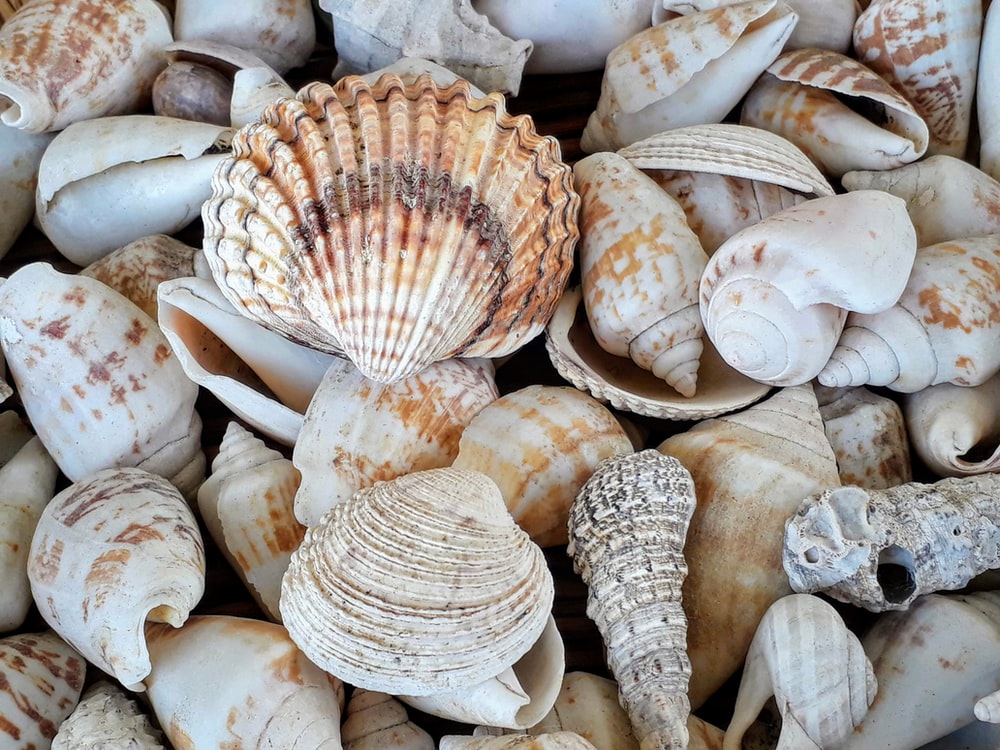
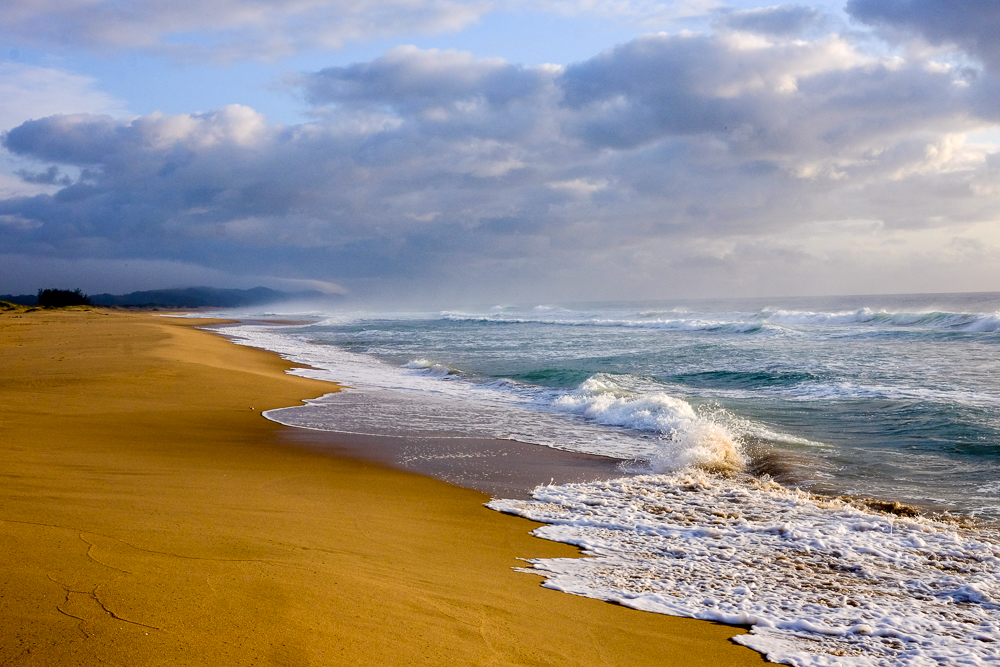
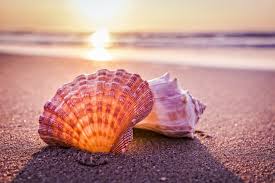
Can you take shells from the beach? Is it bad to take shells from the sea? They are questions I often hear. The answer may surprise you, but, leaving seashells where they are is actually one of the easiest ways to protect marine life and make a small contribution to saving our oceans.
Let’s talk about seashell souvenirs. Those large conch shells, a picture frame decorated with shells, or one of those pretty seashell necklaces… We have all seen them, right? And most of us have probably bought or received a seashell souvenir at least once.

still life of bohemian summer jewelry with shells – cowrie shells necklaces – fashion jewelry advertisement

But did you know that these shells are often harvested with living animals still inside of them? And this is just one of many reasons why seashells belong on the beach, and not in our homes.

You might be wondering: what’s wrong with taking just one shell? What difference does it really make? Well, it can make a world of difference.

Depending on the shell you take, you could be robbing an animal of a home, building material, food or even disturbing an entire ocean ecosystem.

Here are a few reasons why you should leave seashells where they are:

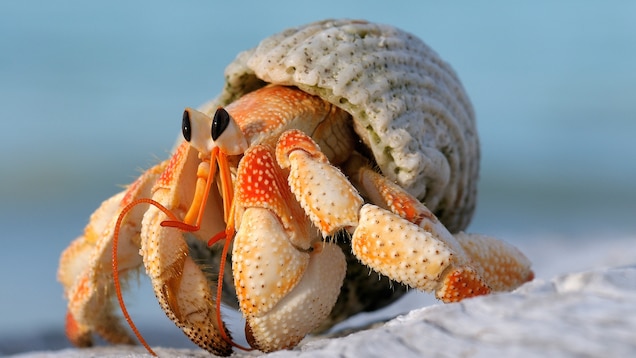
  • It robs a sea creature of a home/shelter. Let’s say you find a pretty spiral shell on the beach, and you decide to take it home with you. Sure, they are beautiful, but did you know that hermit crabs depend on empty spiral shells for their survival? These sea creatures need to move homes when they get too big for their current shell. If they can’t find a larger one, they’ll die from exposure or get gobbled up by a predator. 
  • Small fish and octopus also use shells for shelter and protection. Imagine what would happen if we continued to rob ocean animals of the tools they need for their survival. And it’s not just to protect marine life. A large number of birds use parts of seashells to build nests.
  • It Can Affect the Ocean’s Ecosystems & Increase Shoreline Erosion. The ocean supports many delicate ecosystems. If one thing is out of balance, the results can be devastating. For example, some experts say the removal of shells can impact shoreline erosion patterns. This could have dire effects on coastal populations, especially in combination with global warming and rising sea levels.
  • Not only that, but every shell performs some ecological role. For example, the queen conch helps keep the Caribbean’s waters clean and provides food for animals like the loggerhead sea turtle and nurse shark.

Yes, you can make a difference and help protect marine life.

I know, those few shells you decide not to take won’t save the planet. The same way those few plastic straws you decide not to use won’t save the planet. But it’s not just you. Together it adds up. It could very well be that shell you decide to leave on the beach that becomes the perfect home for a hermit crab or the essential shelter for those baby fish.

Leave seashells where they belong and help make more people aware of how easily they can make a difference.

Butterfly Migration in South Africa

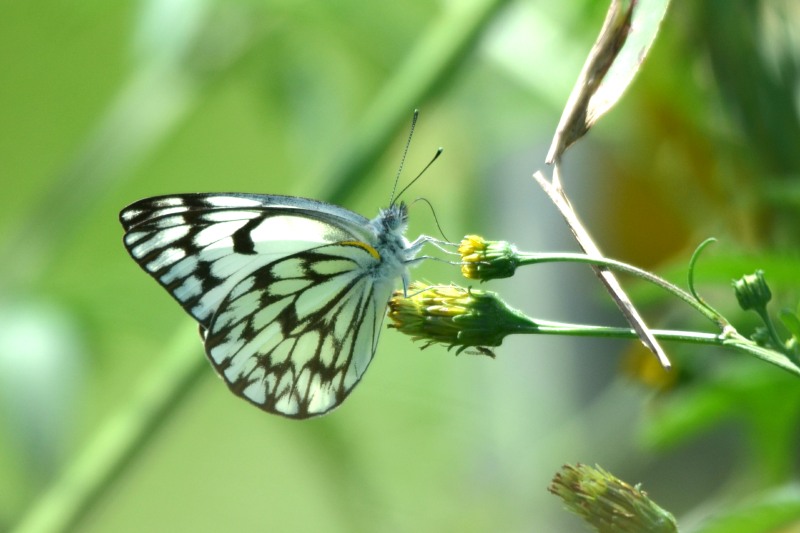
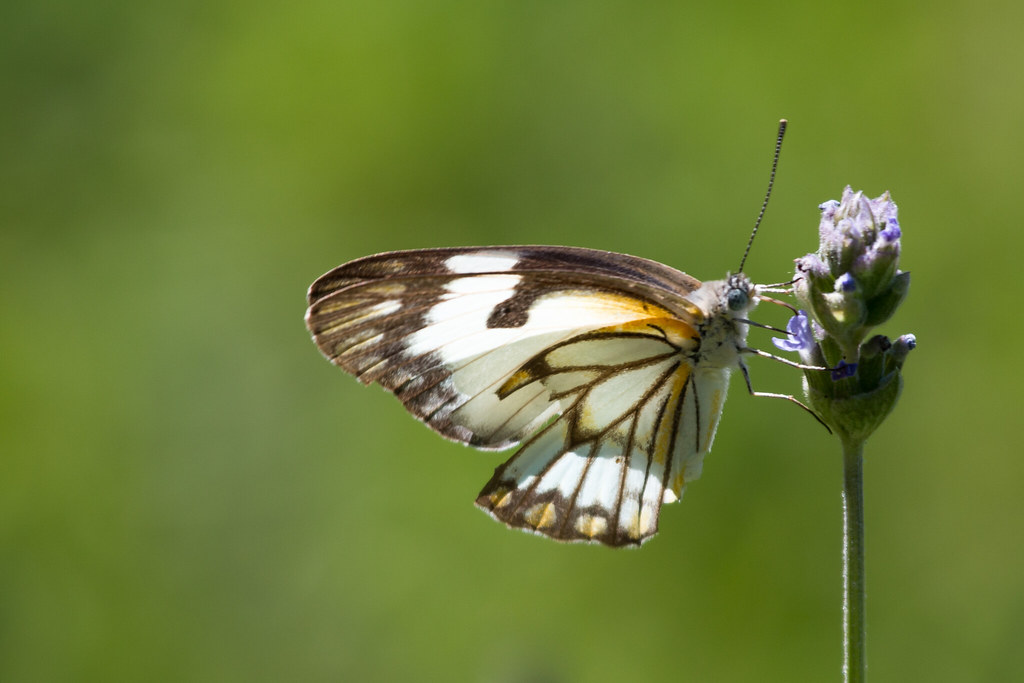
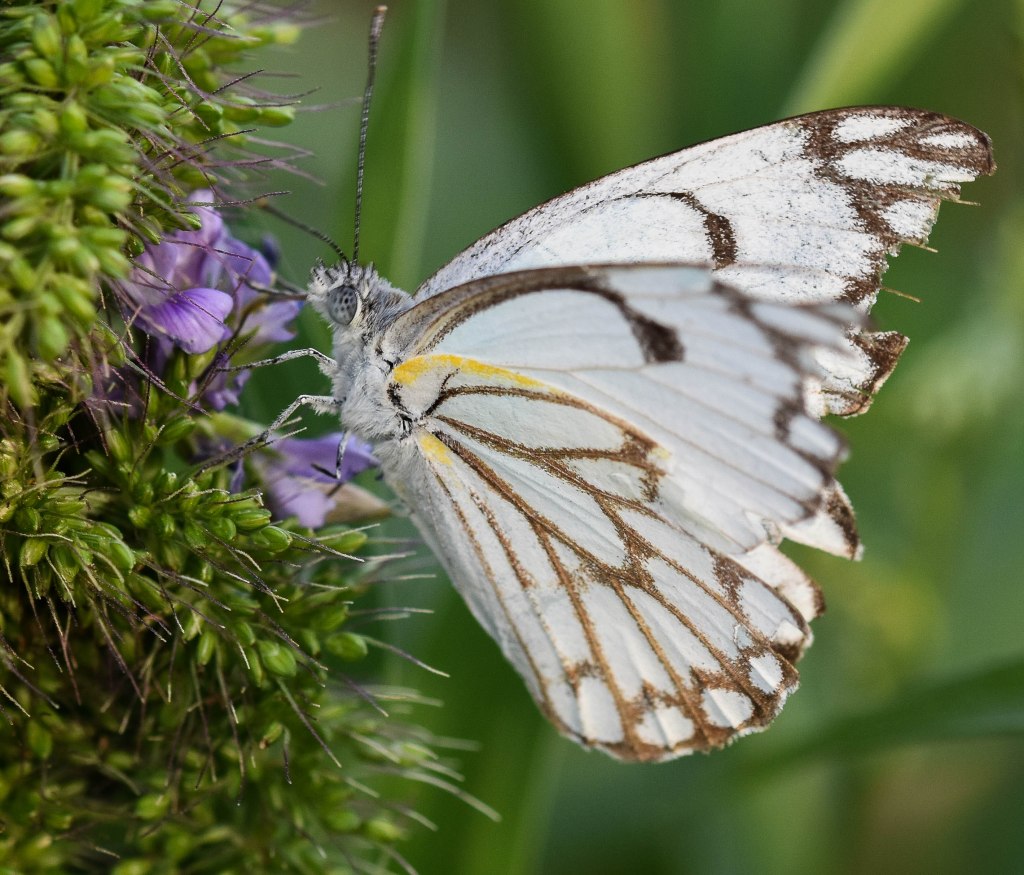
The annual migration of the Brown-veined White Butterfly in South Africa takes place during midsummer every year. 

The migration originates in the arid regions of the Karoo and Kalahari. These populations owe their strength to the main food plant of the caterpillars, the Shepherd’s Tree. The core populations are maintained by the females laying eggs on the Shepherd’s trees before they move off to migrate. The mass of white butterflies probably plays an important role in pollination, but this is still poorly understood. In fact, there is much that we still do not know about this widespread butterfly.

Every year in midsummer (December or January) they gather in their millions when the migration starts. The sky is full of butterflies, all flying steadily in a North-Easterly direction, as the annual migration of this butterfly hits especially the Central, Northern, and North-eastern parts of South Africa. Depending on climatic conditions like rain, drought etc. their numbers differ each year.  

Following them and preying on them, are hundreds of insect-eating birds, as well as many dragonflies out for a quick attack on a slow moving and low-flying butterfly. Spiders also catch them in their webs. 

After crossing the provinces of the Northern Cape, parts of the Free State and Northwest Province on their journey northeast, they move over the provinces of Gauteng as well as in parts of Mpumalanga province and also parts of Limpopo Province.

These butterflies start flying, and laying eggs, from a specific area in the Southwest – Kalahari (Northern Cape region). As they fly in a north-easterly direction, more and more join the flight. They also pause to lay eggs along the way. 

Little research has been done with regards to where exactly these butterflies fly to, but they have been noticed flying above the ocean near the Mozambique coast, where at the end of their journey, they most probably fall into the sea. They need not fly back to sustain the population, as eggs have already been deposited on the way. 

One could argue that the flight is an emigration rather than a migration, as they only fly one way and then die at the end of their journey.

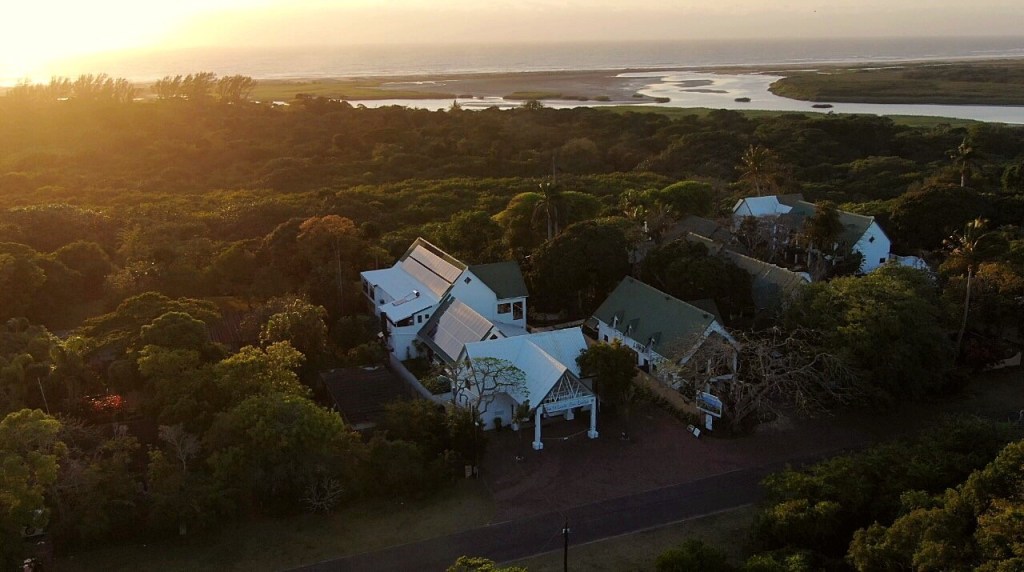
St. Lucia Eco Lodge – Expansive views of the Indian Ocean

The St. Lucia Eco Lodge is nestled between the St. Lucia Estuary, the Indian Ocean and the iSimangaliso Wetland Park and is an ideal point from which to explore South Africa’s first World Heritage Site.  One of the few properties where you can see the marine protected area from your bedroom!

The lodge adjoins the rich diversity of Zululand’s wetland lakes and forests, while the sea and game reserves are a mere stone’s throw away.

iSimangaliso is a Zulu word that means “a place of miracle and wonder”, a name that aptly describes the pristine and intricate ecosystems of this World Heritage Site.

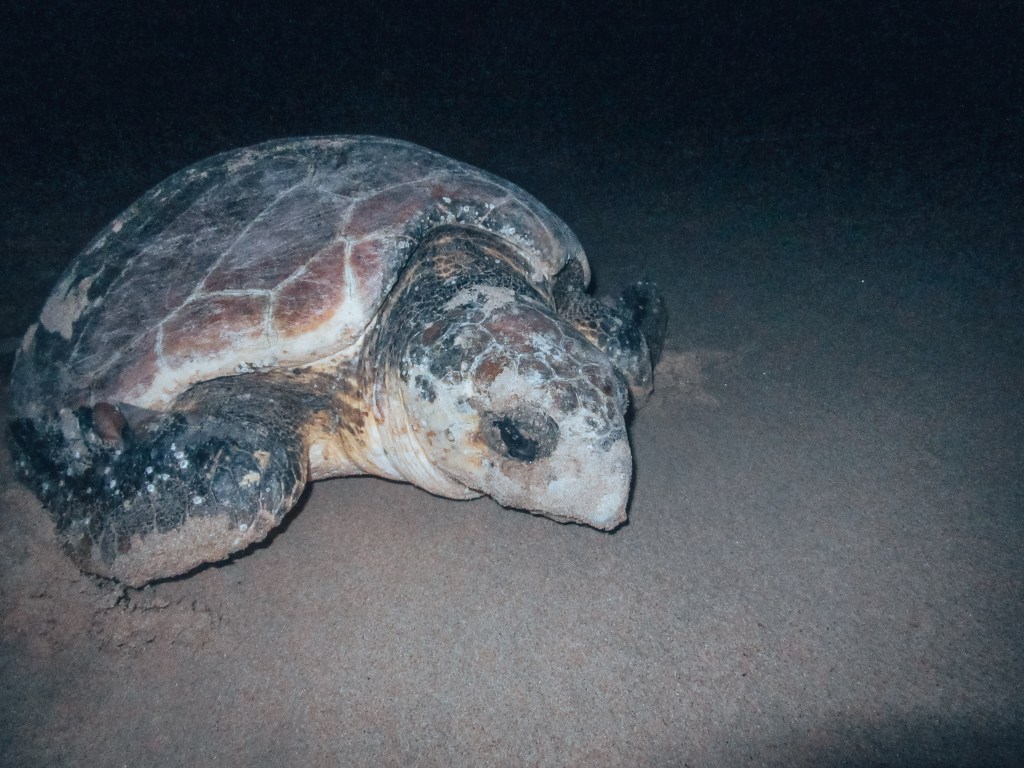
This 10 700 km2 MPA is home to coelacanths, fish that have been around since the dinosaurs. The original Maputaland and St. Lucia Marine Protected Areas (MPAs) were proclaimed in the 1970’s to protect the nesting grounds of leatherback and loggerhead turtles and the beautiful coral reefs enjoyed by thousands of local and international scuba divers.

The offshore expansion was proclaimed in 2019, which protects the homes of the most accessible coelacanth population on the planet. At least thirty-three individual coelacanths, each recognised by their distinct spot patterns, live in this MPA. Whale sharks, manta rays, marlin, broadbill swordfish, thresher sharks and even giant saw sharks visit the deep canyons. These areas (40 to 2200 m) are home to dense fields of sea pens, soft corals adapted to living in mud and sand, bands of delicate bird’s nest glass sponges and rocky cliffs with giant branching sponges that cascade down steep walls. The deep soft sediment provides homes for spider crabs and deep-water rock lobsters, species that are caught by fishermen south of the MPA and in Mozambique.

Design a site like this with WordPress.com
Get started