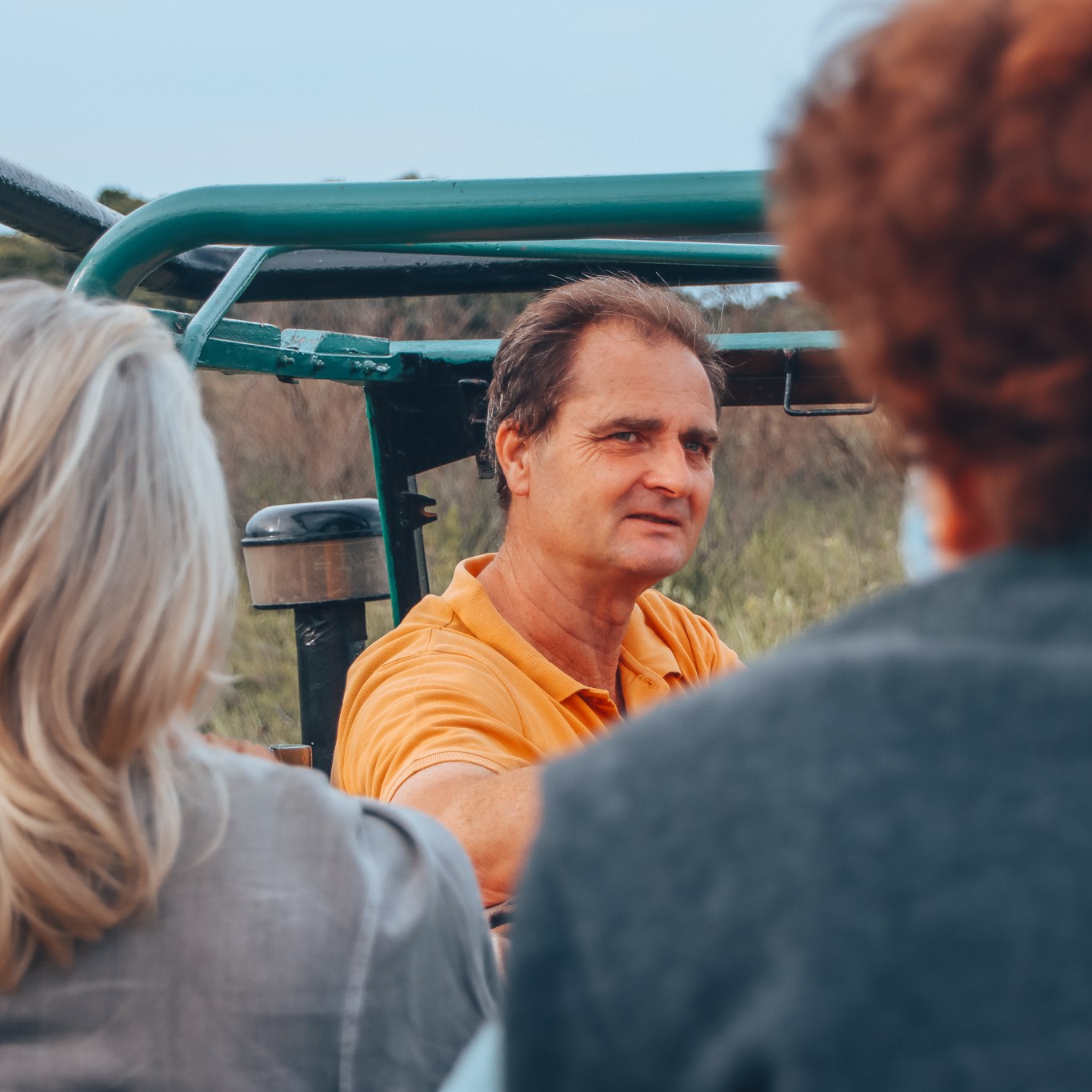
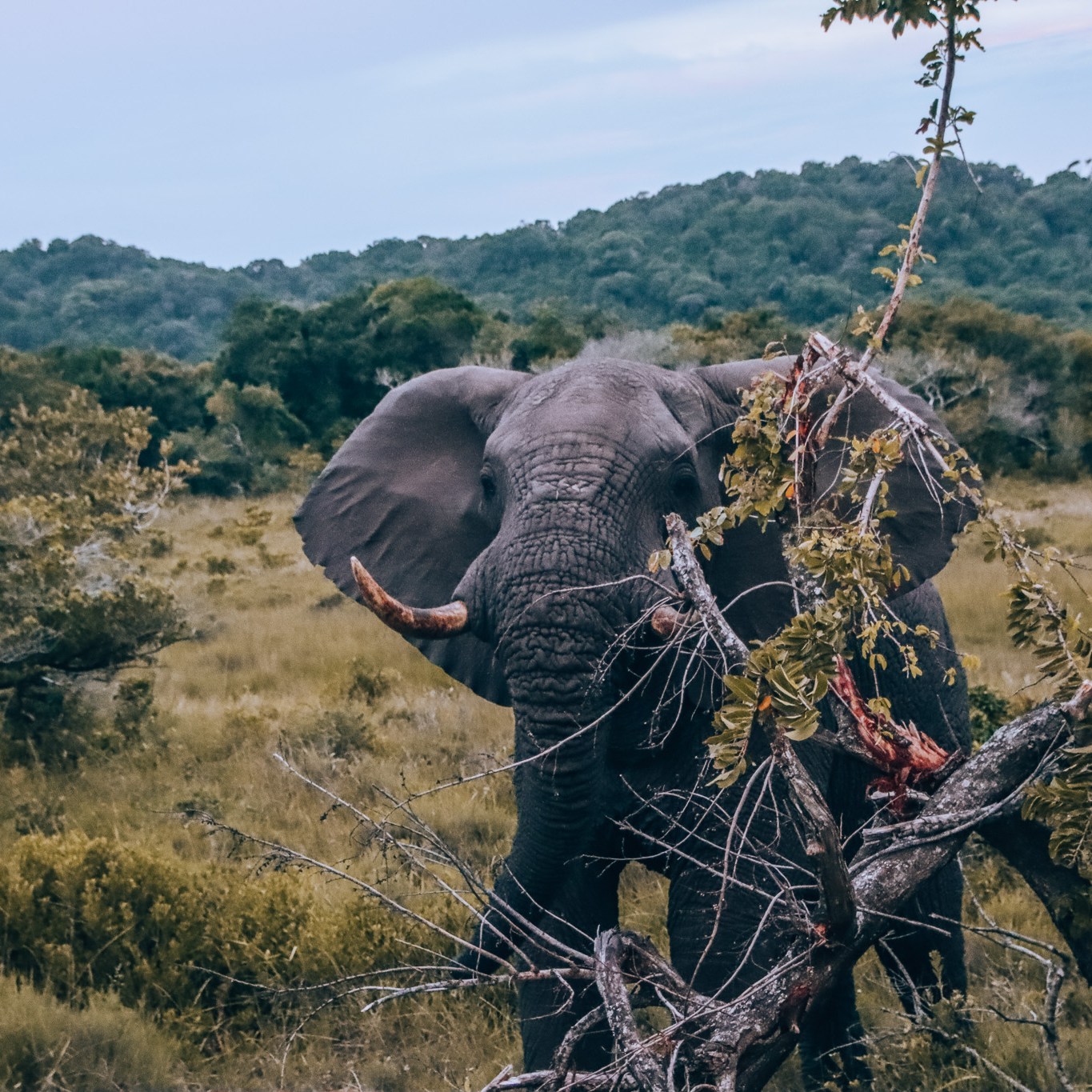
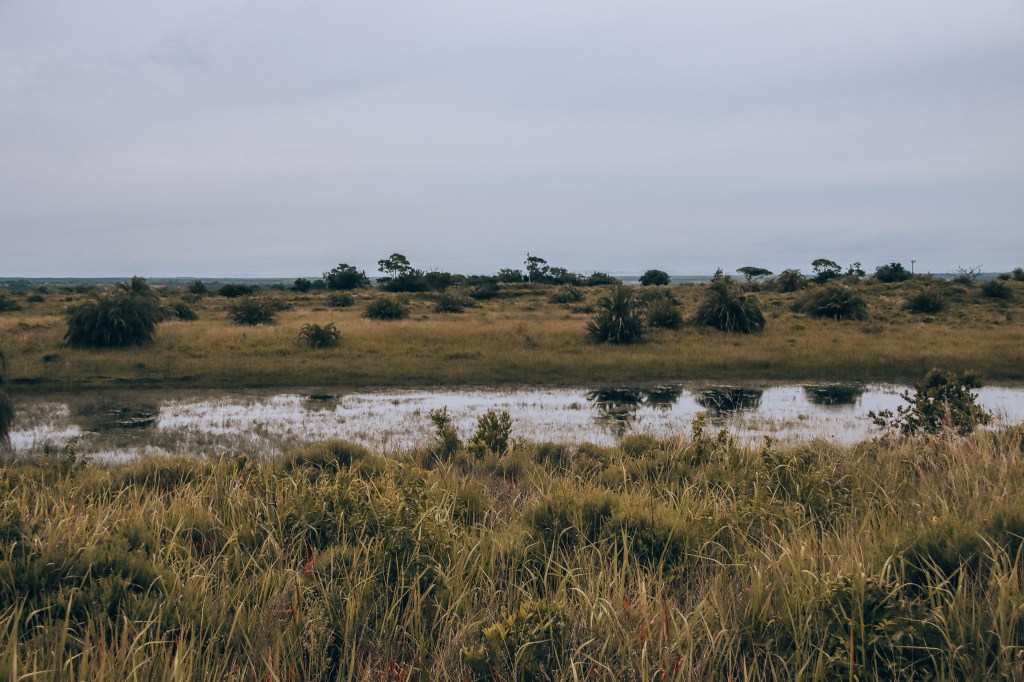
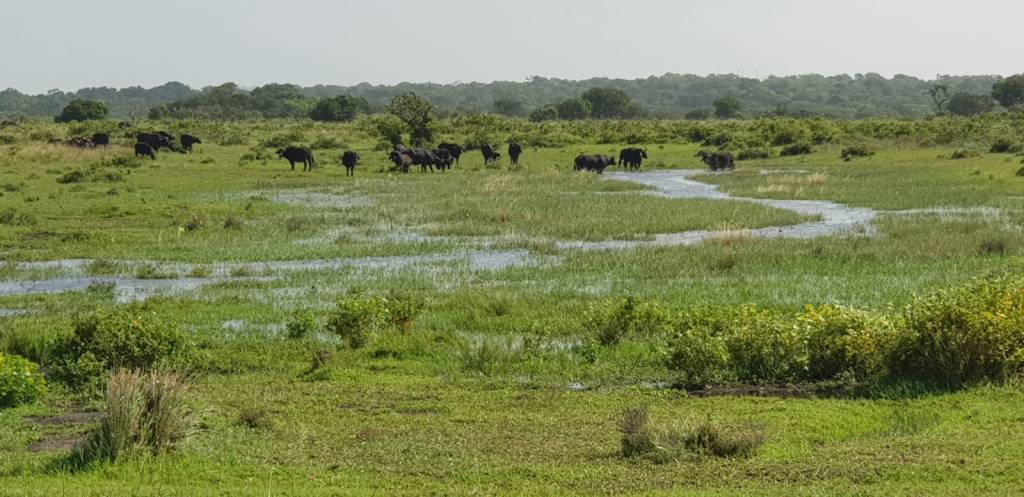
This spectacular drive traverses the dune forest, wetland pans and grasslands of the eastern shores of the iSimangaliso park. The in-depth talks not only highlight the animals, but also the plants, the climate, the bugs, the weather, the people, and how this all fits together to make a very complex ecosystem work in balance.
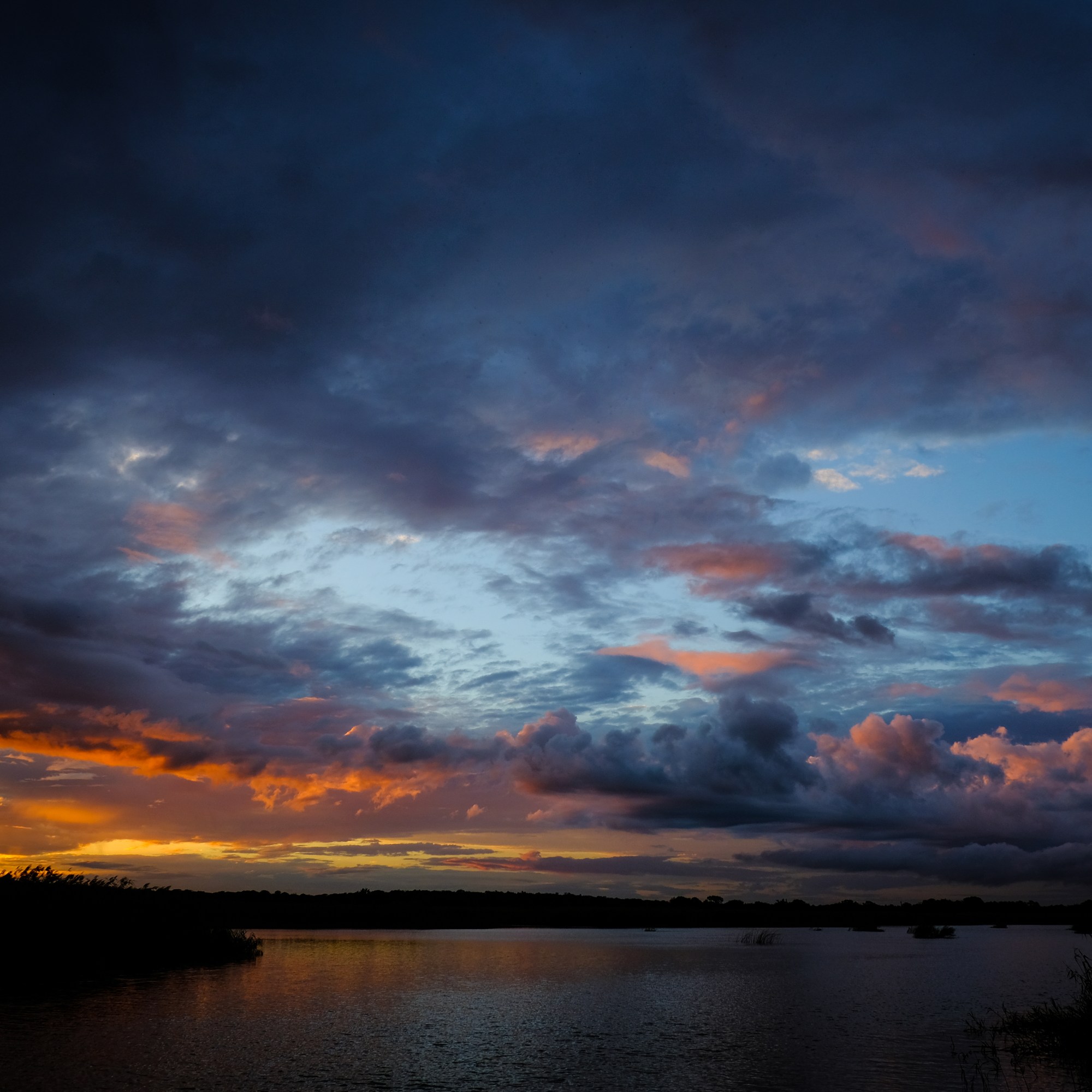
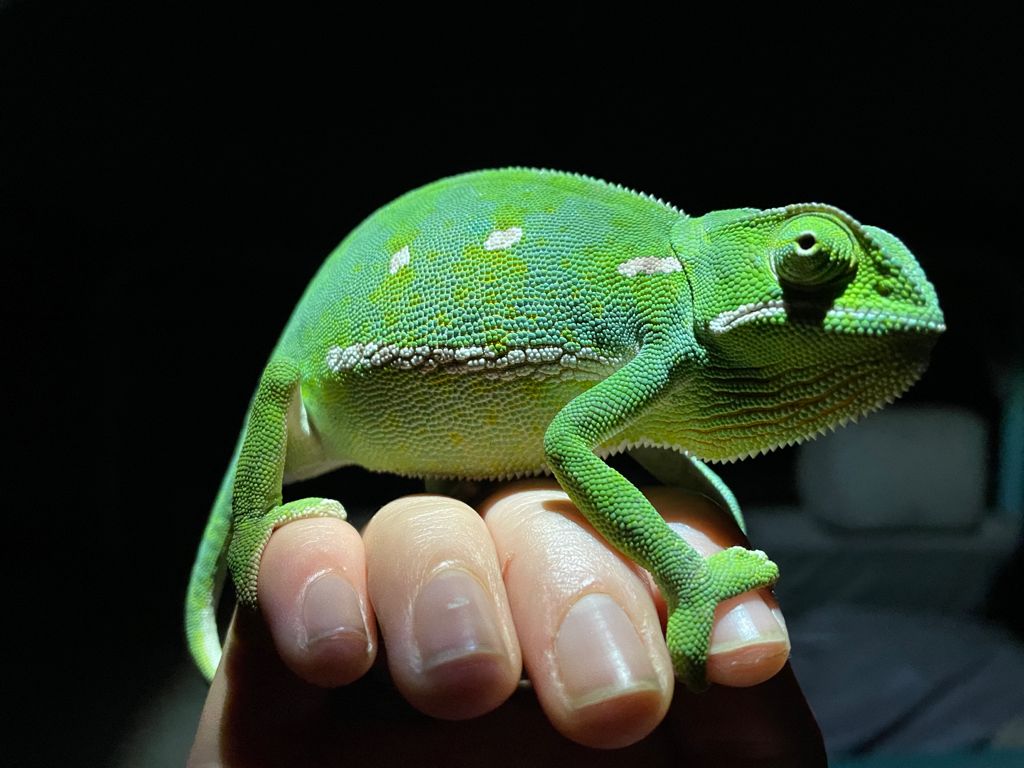
The safari stops for sundowners and snacks at Catalina Bay or Lake Bhangazi to watch the sunset over the lake. Then a spotlight night safari along the 4×4 routes in the reserve bring you back to St Lucia. Not all the animals are large – some of them are small, and move slowly, and are difficult to see.
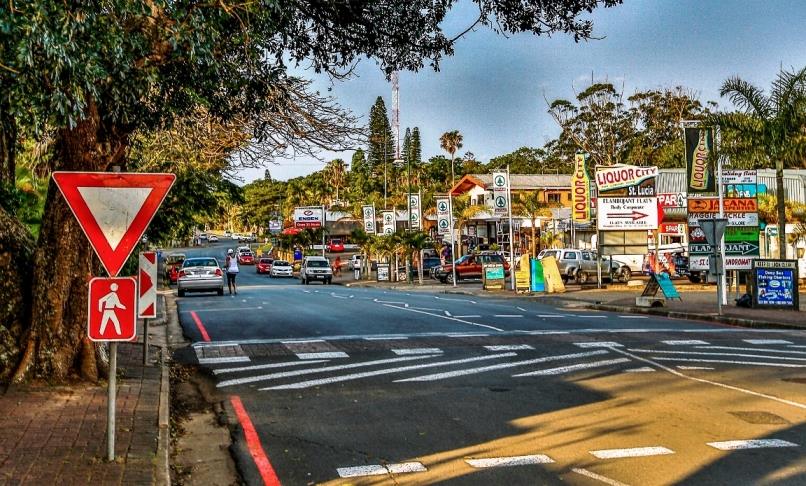
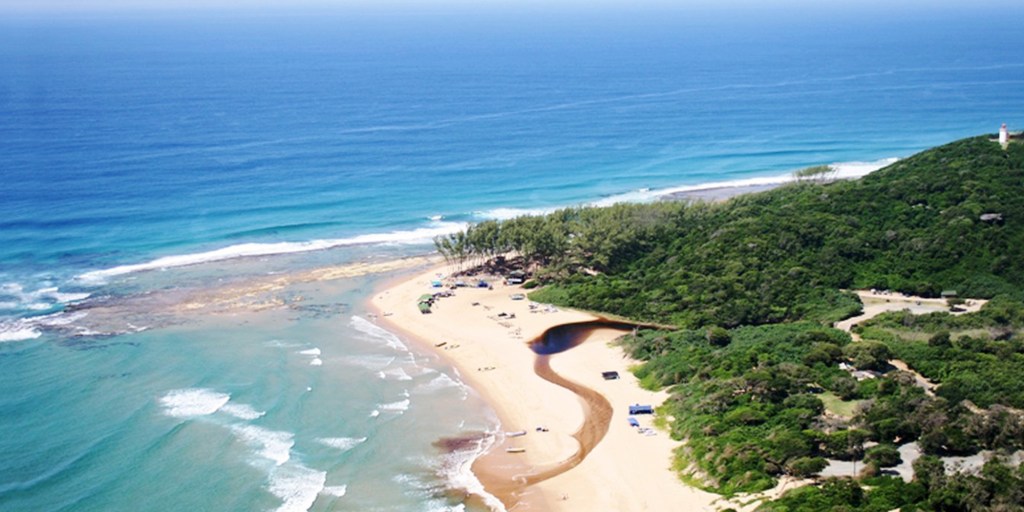
St. Lucia: A visit to St. Lucia is an unforgettable experience. It is one of Zululand’s hidden gems nestled in a World Heritage site on the Elephant Coast. With a host of varied activities and things to do in the area, and if you are a nature lover then this undoubtedly is the place for you. Cape Vidal situated inside the isimangaliso Park and a short drive from St Lucia through the Eastern shores game park is an expanse of pristine beach with a sheltered bay protected by the most southerly coral reef. This makes it an ideal swimming and snorkelling spot at low tide, with beautiful tidal pools filled with all manner of marine life.
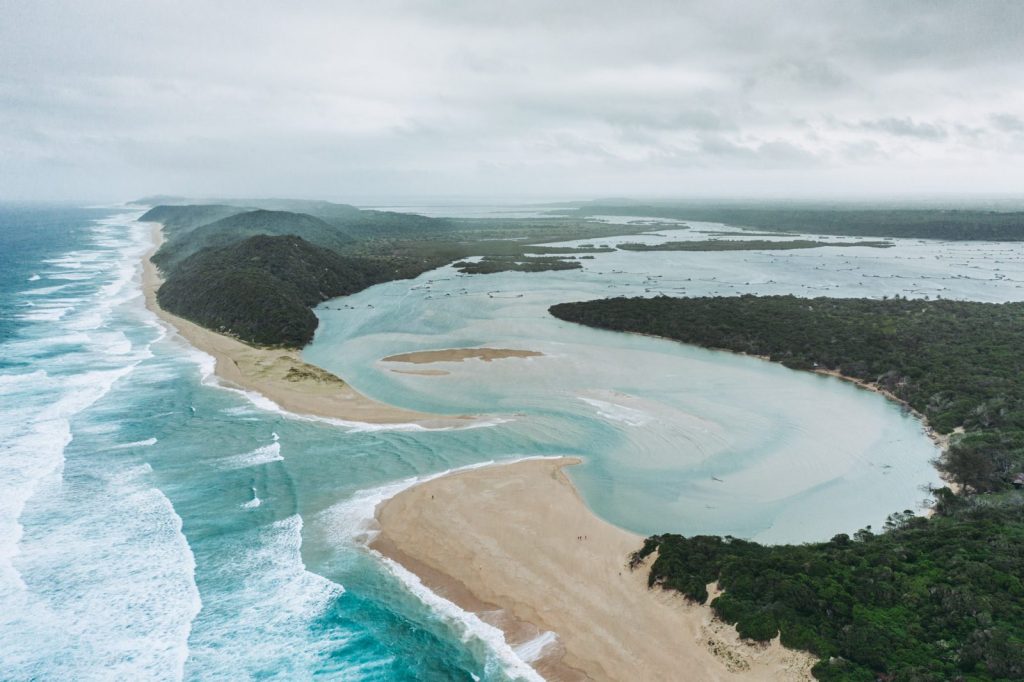
Kosi Bay: Kosi Bay can be found nestled in the farthest, east corner of Kwa-Zulu Natal surrounded by stretches of a pristine coastline, a wilderness of lakes, swamps, and crystal-clear aquamarine waters. A little piece of paradise for locals and tourists alike. Kosi Bay is part of the iSimangaliso Wetland Park, world heritage site. A delicate ecosystem of fauna, and flora, local Tsonga people, create a beautiful sanctuary for you to enjoy. It is home to the only coral reef located in an estuary mouth in the world, and is referred to as the fish tank, due to the very calm conditions.
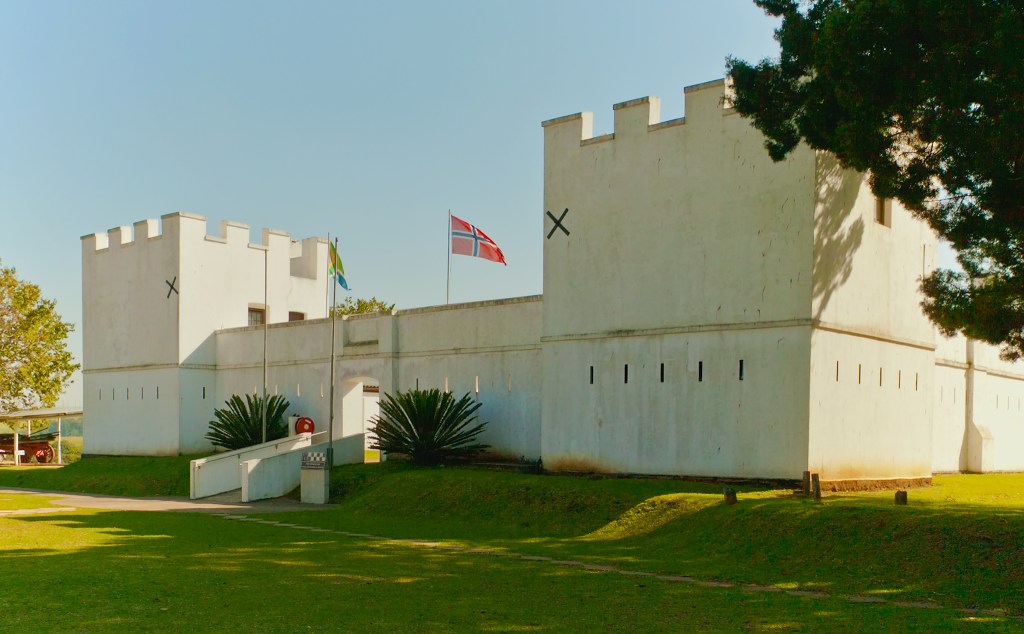
Eshowe: Eshowe is the oldest town settled by Europeans in Zululand. It encompasses a rich Zulu culture and history, with a forest in the centre of the town – the Dlinza Forest – where the first ever Boardwalk built in South Africa was constructed. A Museum Village is host to the historical fort, dating back to the Anglo-Zulu war. It showcases the history of John Dunn – who was married to 47 Zulu wives and one Caucasian wife. A brave man taking on 48 wives!
Mkuze: Mkuze Game Reserve is situated in Northern Zululand, a 40 000-hectare Game Reserve world-renowned for its birding opportunities. Mkuze Game Reserve offers some incredible game viewing while within the reserve however it is the Birding that makes this game reserve so unique. Mkuze Game Reserve was proclaimed in 1912 and has since remained under the protection of KZN Wildlife.
Sodwana: Sodwana Bay, meaning ‘little one on its own’ in Zulu, lies within the iSimangaliso Wetland Park, a World Heritage Site, that forms part of a continuous protected area stretching 150km from the Mozambique border south to Cape Vidal and 3 nautical miles out to sea.
Sodwana Bay is best known for its deep-sea diving and beautiful coral reefs and is regarded as the southernmost coral reef in the world for scuba diving and the only tropical dive site in South Africa. It is considered to be the gem of all dive sites in Southern Africa and a must experience for divers!
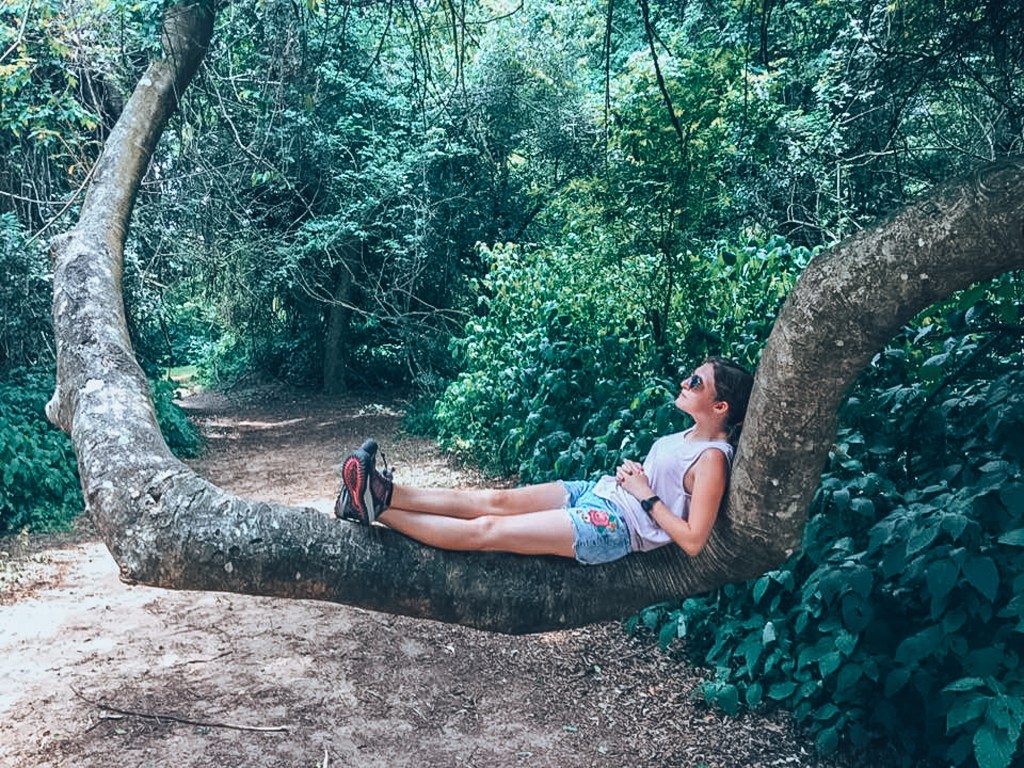
Nature is a magical thing and can have incredible healing powers — such as improving mood and boosting the immune system. Being outdoors in nature can be healing and beneficial for both the body and mind. Whether at the beach, forest, or in a neighbourhood park, nature offers a calming effect. Here are some reasons why you should get up close and personal with Mother Nature.
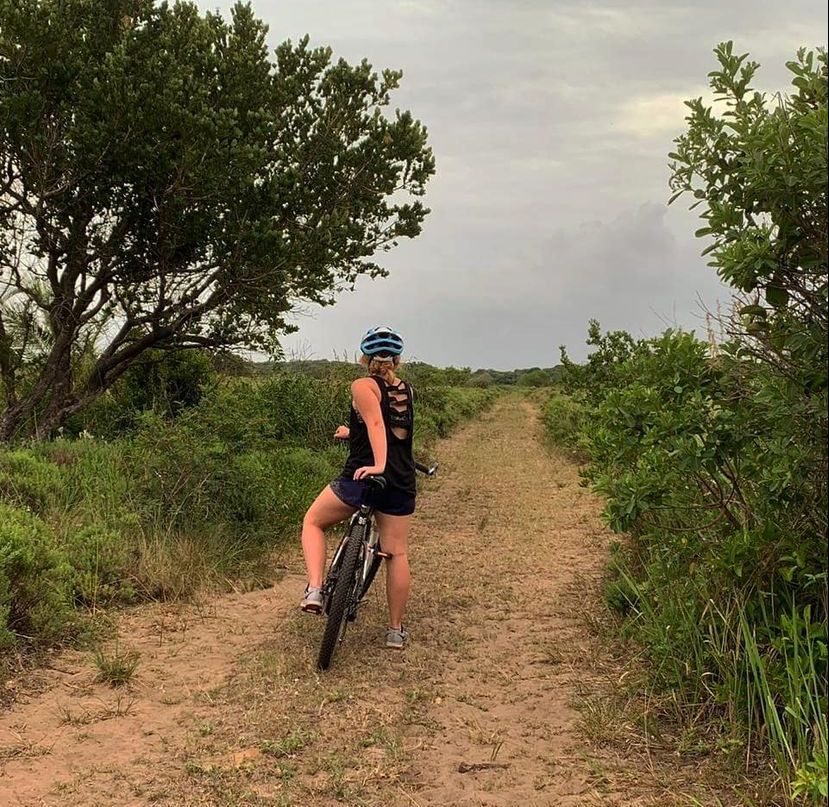
It encourages exercise: Walking outside makes you more likely to exercise. You don’t need a gym membership, transportation, or special equipment: Just walk right out of your door. The push of the wind and the uneven ground can help you vary your workout and burn more calories. And when you have few vehicles, zero traffic, everything close by, and amazing biking routes there is nothing stopping you exercising while you cycle to work or take a detour to work through the park.
It assists your body with its Vitamin D supply: It benefits your body through the absorption of certain minerals, like calcium and phosphorus. Your body needs sunlight to manufacture certain elements, but you don’t need much. In the summer, just getting sun for 5 to 15 minutes, 2 or 3 times a week, should do it. In the winter, you might need a bit more time in the sun. In St Lucia, with more days of sunlight than there are rainy overcast days you are bound to get your daily dose of Vitamin D.
It’s social: When outside your home, it’s not only Mother Nature you see. Because of the small size of the town and the intimacy brought about by such a small local population who all know each other one tends to connect more with the people and places in your community. Human contact and a sense of community are important for your mental health. And what a better way than to exercise in the open when the sun is shining with friends in your community! Plan a walking route to a friend’s house, and then cycle around town and on the local cycling paths with a group of friends. Finish up at the local coffee shop. You might be surprised how good it makes you feel.
It improves your focus: It makes sense, if only for the bit of exercise you get when you do something outside. But studies show that it’s not just the activity, it’s the “greenness” of the outdoor space that assists with focus.
Spending time outdoors gives you better immunity: Better vitamin D production because of more sunlight is already good for your immune system. The outdoors however seems to help in other ways too. Many plants put substances, including organic compounds called phytoncides, into the air that seem to boost immune function. Sunlight also seems to energise special cells in your immune system called T cells that help fight infection.
It boosts your creativity: Do you have a problem you can’t solve, a mental block or just feeling a bit flat and unable to concentrate…? Spend time outside. Studies show that time in nature can boost your creative problem-solving abilities. This is partly because the outside world engages your attention in a quieter way that lets your attention St. Lucia Eco Lodge, Eco lodge, St. Lucia, St. Lucia Estuary, Kwa-Zulu Natal, South Africa, Africa, iSimangaliso, World Heritage Site, Conservation, Travel Africa, Travel South Africa, Tourism, Shakabarkerrefocus. The more time you spend, the bigger the benefit, but even just “getting out for some air” can nudge your brain into a new thought pattern.
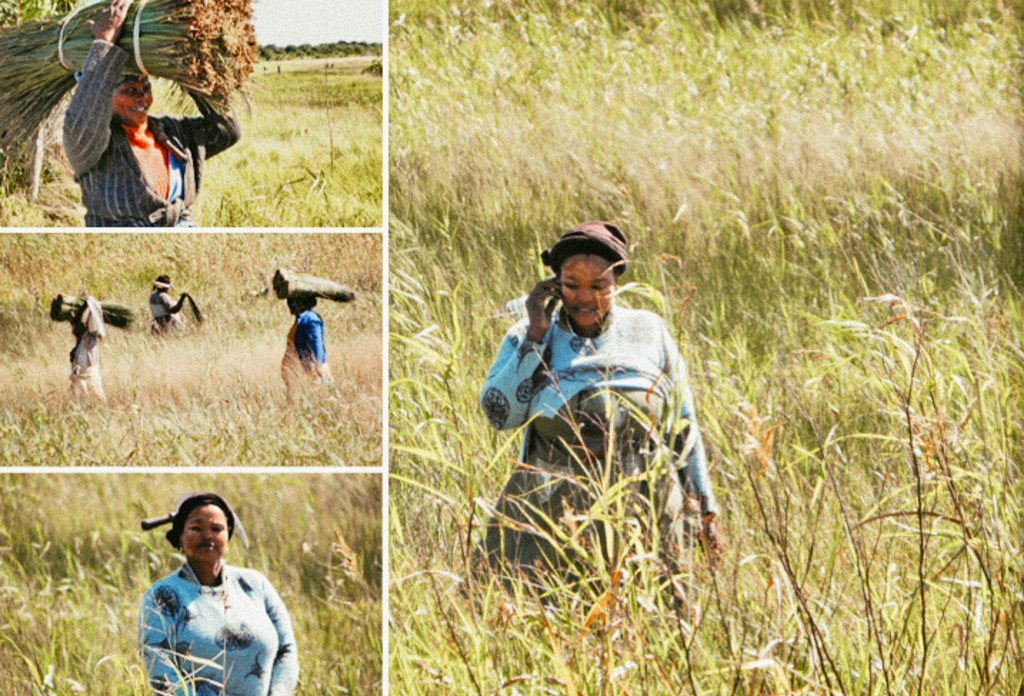
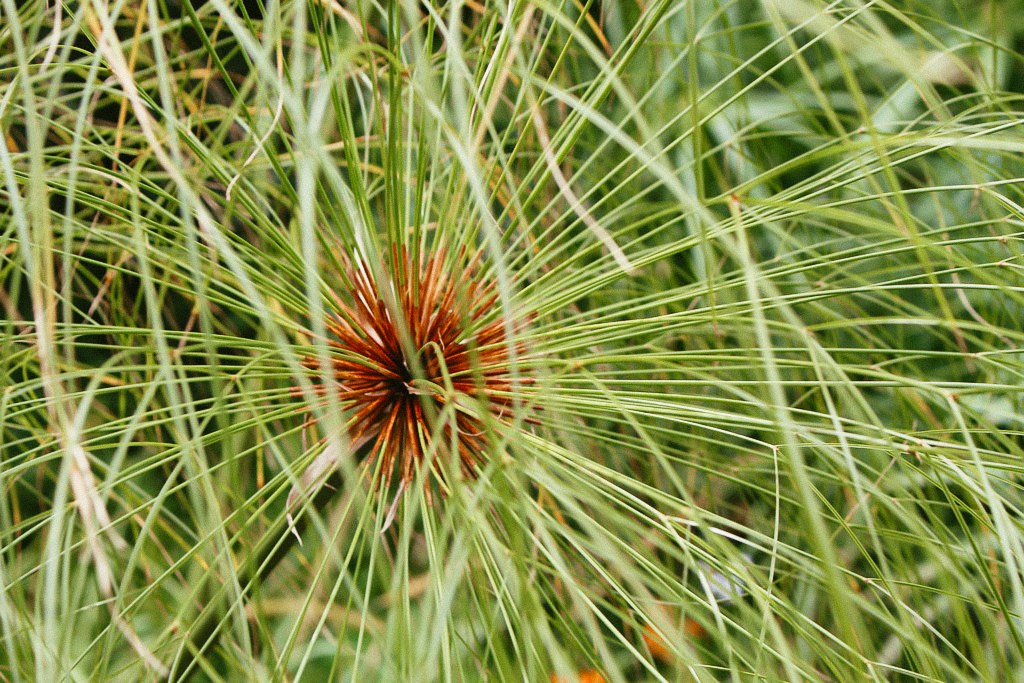
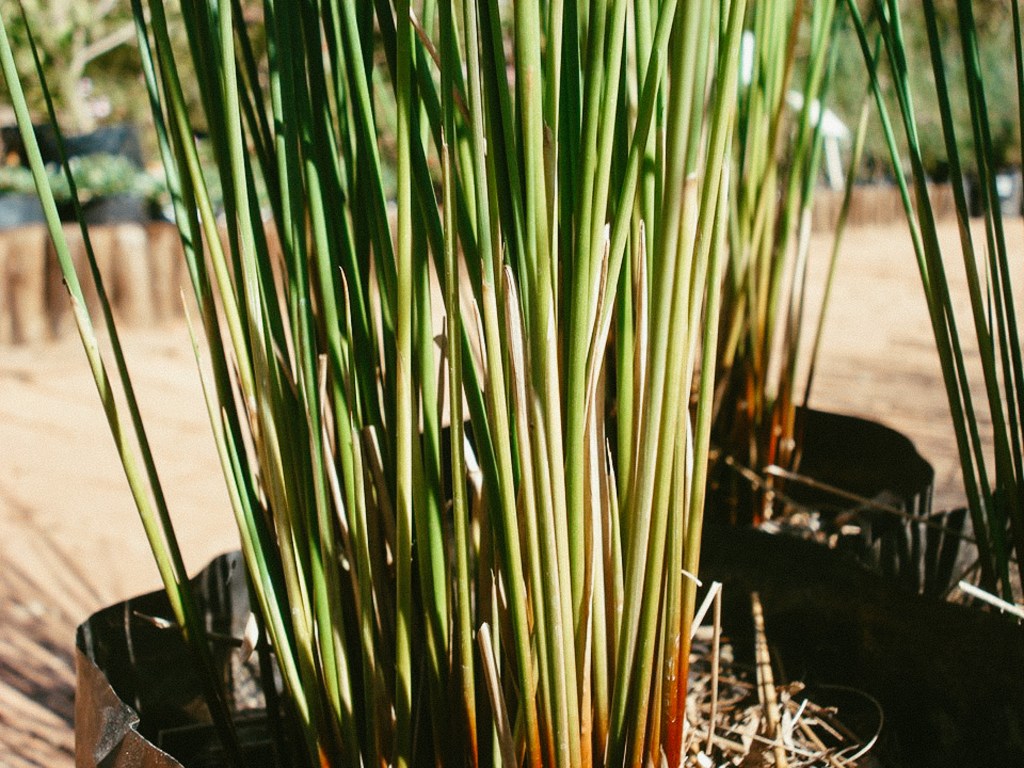
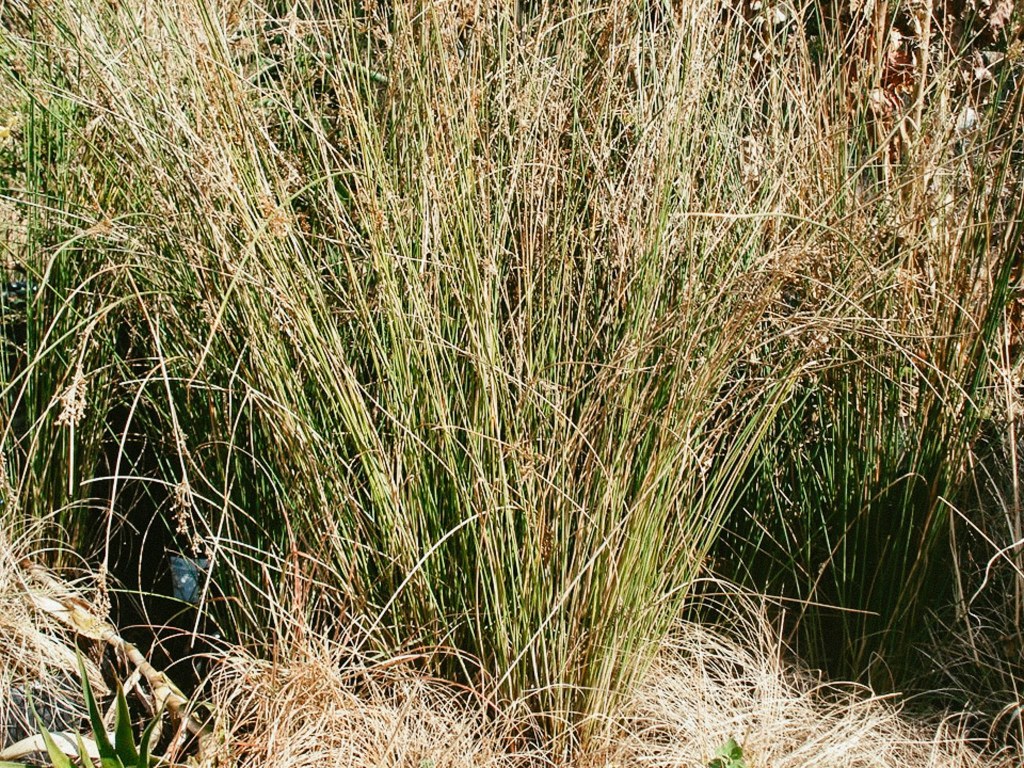
Juncus kraussii, a grass known locally as incema is a herb that grows up to a height of 1.5 m in large colonies where it occurs. It is highly useful, not just for environmental purposes where it prevents erosion, but also among the local Zulu woman who harvest the grass, as it has a perfect fibre for weaving. Besides a very valuable economic roll in the Zulu community Incema is an integral part of the wetlands. It is essentially responsible for stabilizing wetlands and assists in controlling nutrient levels. It also improves water quality because of their filtering and transformational capacity.
At a certain time of year annually woman harvest the incema grass for the purpose weaving traditional sleeping mats still used across many rural areas of KwaZulu-Natal. This rush is popular for making sleeping mats, baskets, beer strainers, conference bags and numerous craftwork products. The reason for its popularity is the fact that it is strong and yet easy to bend during the weaving process and construction.
Women from all over the Province have been flocking to the local area of St Lucia to collect the natural materials rooted in South Africa’s first World Heritage site. Our staff takes a few days leave every year to harvest this valuable local product.
The iSimangaliso Park has a community based natural resource harvesting programme, which sees tangible benefits to the community, and the environment where approximately 3500 participants are granted permission to harvest the local grass for traditional purposes on an annual basis.
iSimangaliso is one of a few remaining sites in South Africa where incema can still be harvested. Despite the drought incema in the iSimangaliso Park has been conserved and thus continues to grow.
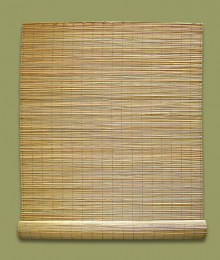
Incema grass mat made by local Zulul woman for household use, as well as for special traditional cultural occasions.
Incema grass products are now beginning to make their way into the home as interior décor items sold in the higher end home décor stores.
Mostly though the rushes are used to make a wide variety of traditional Zulu artefacts but particularly the sleeping mats important in marriage and funeral ceremonies. Most products are still used for cultural occasions, but an increasing proportion is now made for the tourist trade, underlining the critical economic importance of incema to many rural communities.
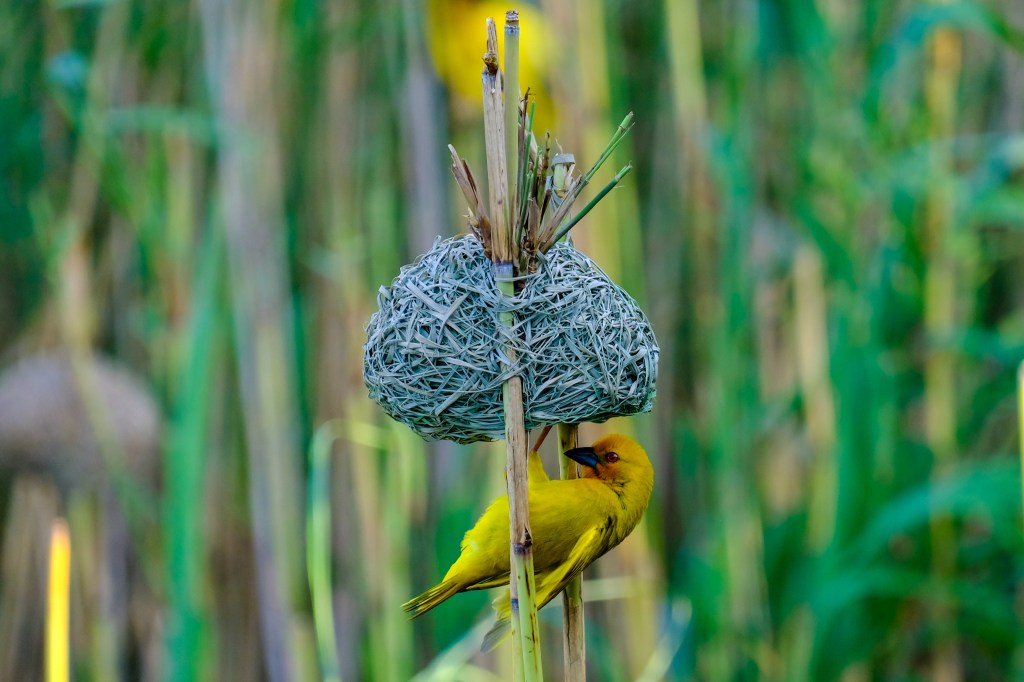
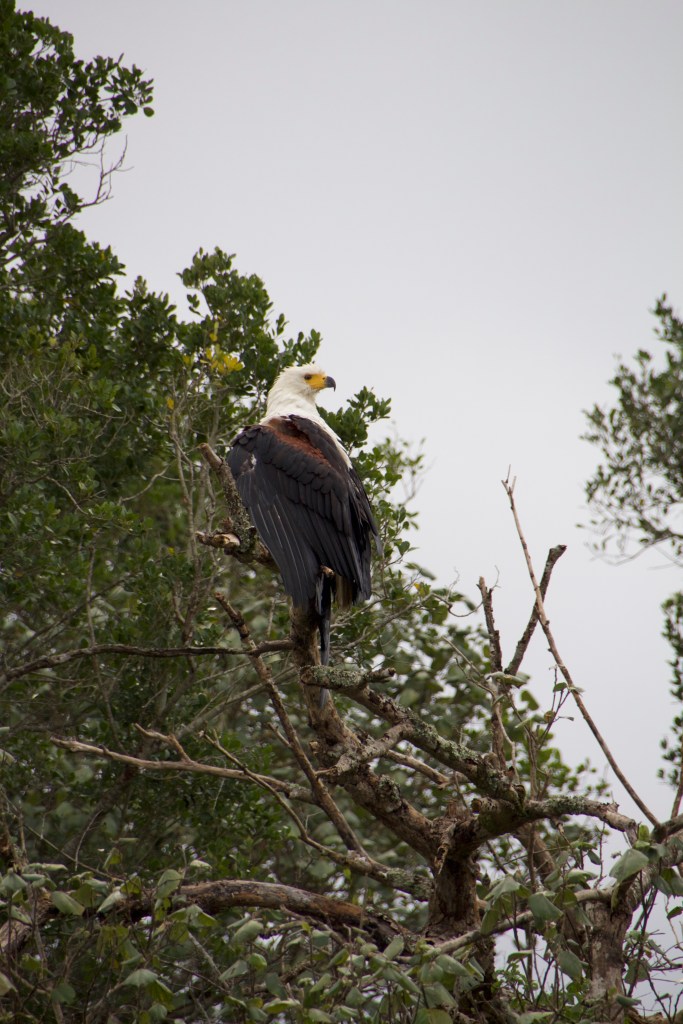
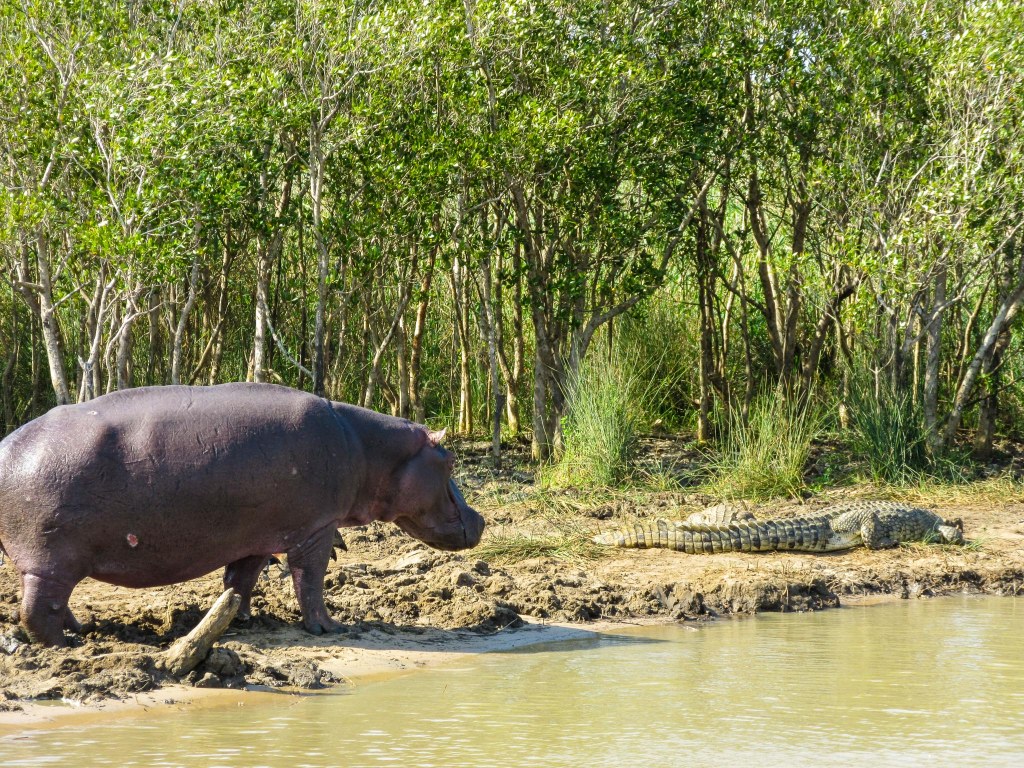
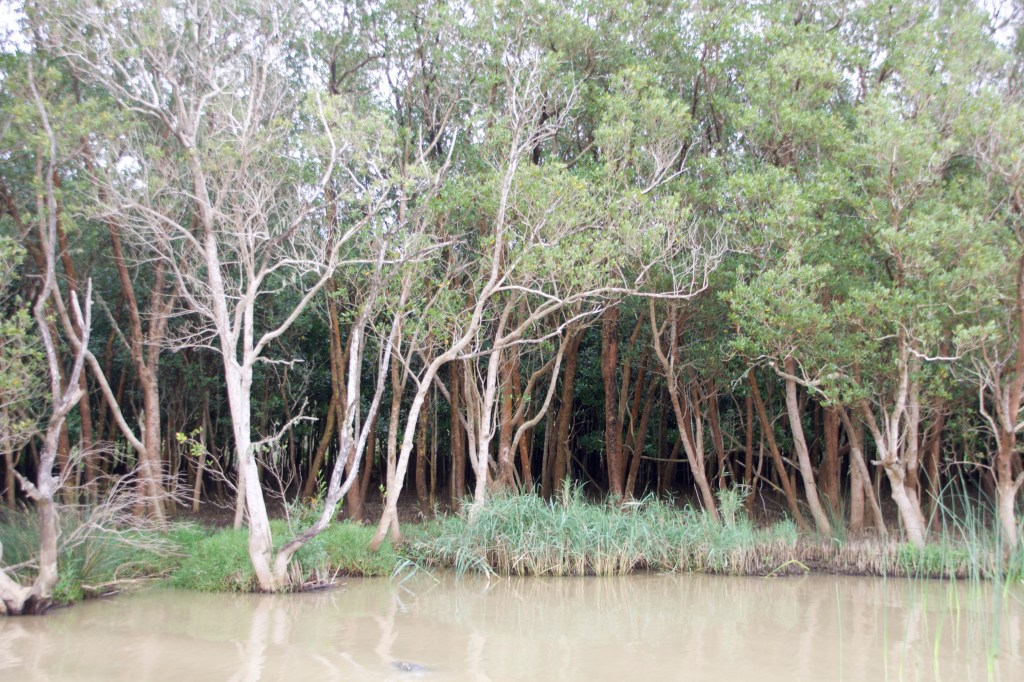
One of those once in a lifetime, not to be missed opportunities… An almost 3-hour boat cruise on St. Lucia lake departing at sunrise traveling along the St. Lucia Estuary lined with mangroves among the hippos and herons, crocs and reeds dangling with weaver nests. A real birders and photographers delight! This incredible trip Includes a light continental breakfast. while watching the hippo’s play.
Your boat excursion will allow you to experience South Africa’s very first World Heritage site from a unique position, all the while enjoying incredible wildlife, and an abundance of bird life. The lake is home to approximately 800 hippos and 1200 Nile crocodiles.
This early morning breakfast excursion gives you a unique perspective of this magnificently pristine part of South Africa. On-board commentary is available, from knowledgeable guides who are on hand to explain and help identify the various species of animal and birds you are guaranteed to see on your coffee and croissants boat outing on Lake St Lucia. The guides are passionate about the environment and offer unique insights and invaluable information into what makes this UNESCO list landmark extraordinary. Besides a wealth of information, they are only too happy to regale you with their stories and adventures on the lake.
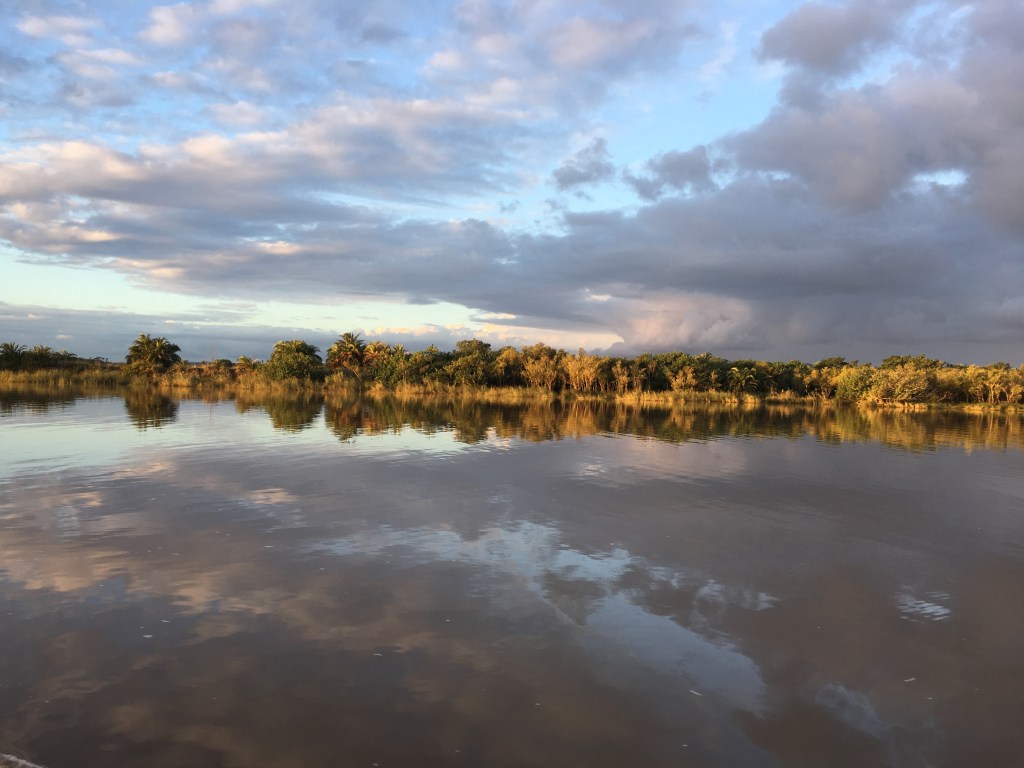
ShakaBarker will collect you from your accommodation and take you to the dock where the boat launches and return you to your accommodation in time to spend the day exploring the local game parks or just relax on the beach at Cape Vidal. They also have mid-morning and sunset cruises, but this early sunrise departure allows you to catch those early morning reflections in the water before the wind disturbs the surface and see the birds and other animals as they begin to wake. The coffee and croissants are an added bonus while watching the pods of hippos go about their days business.
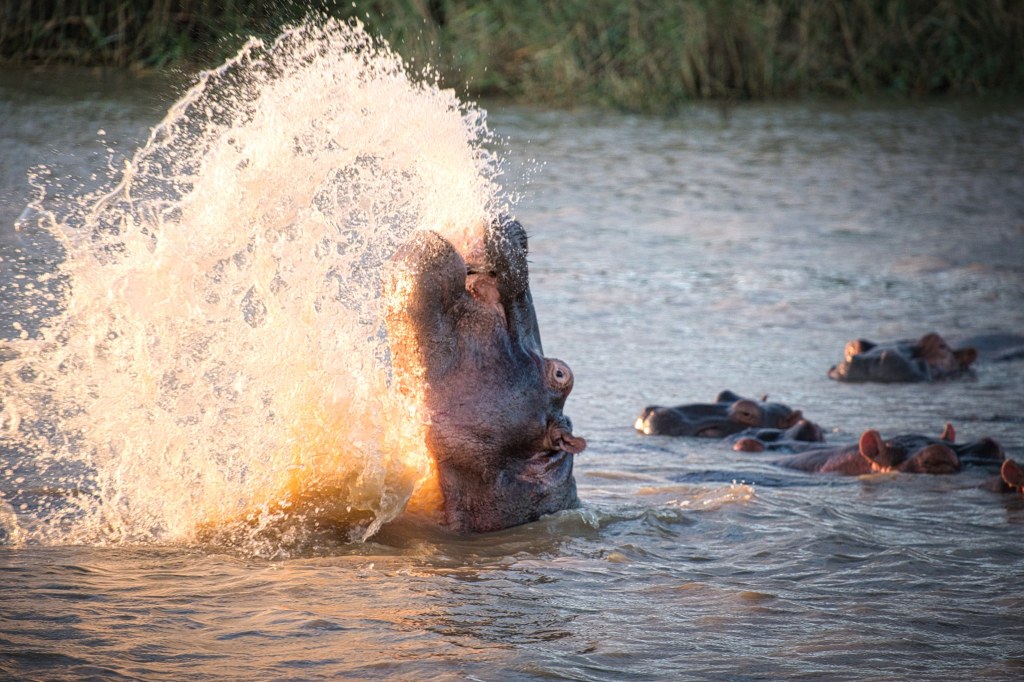
The ShakaBarker vessels are specifically designed to have minimal impact on the environment, and so guests have an optimal experience on the lake. Groups are small ensuring everyone has the perfect photographic opportunity for when that hippo makes a splash.
What you need to bring:
Yourselves Your camera and a pair of binoculars if you have one And a windbreaker or jersey to keep that early morning chill at bay in the mild winter months.
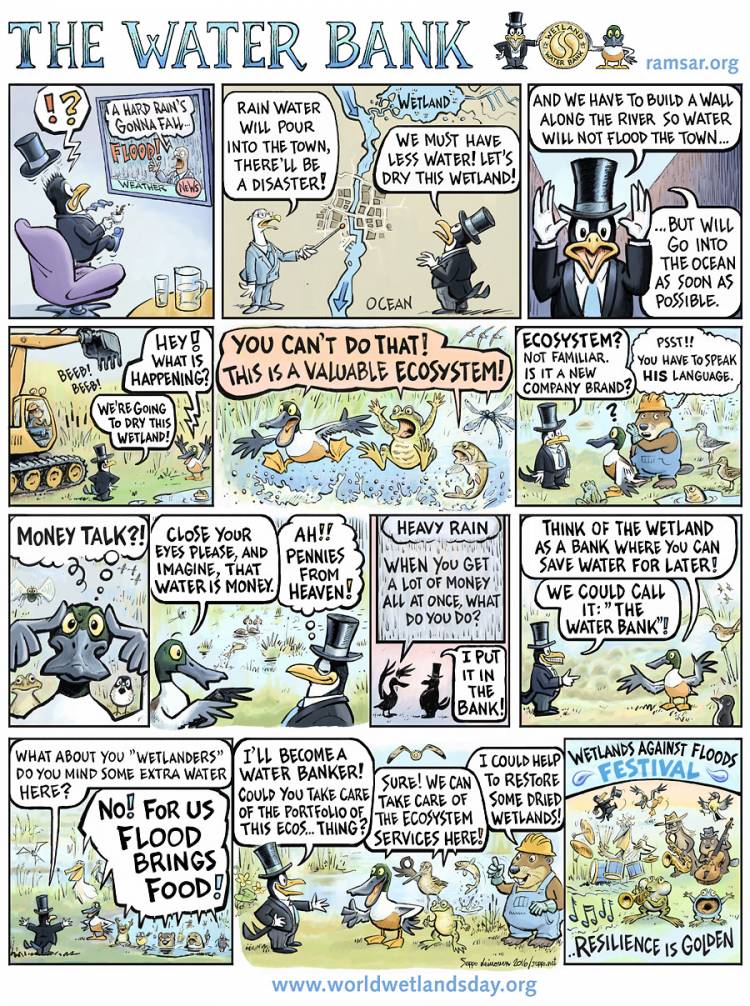
The importance of wetlands was again declared by the United Nations, with the following statement:
“How can we reduce floods, droughts and water pollution? By using the solutions, we already find in nature. The answer is nature!”
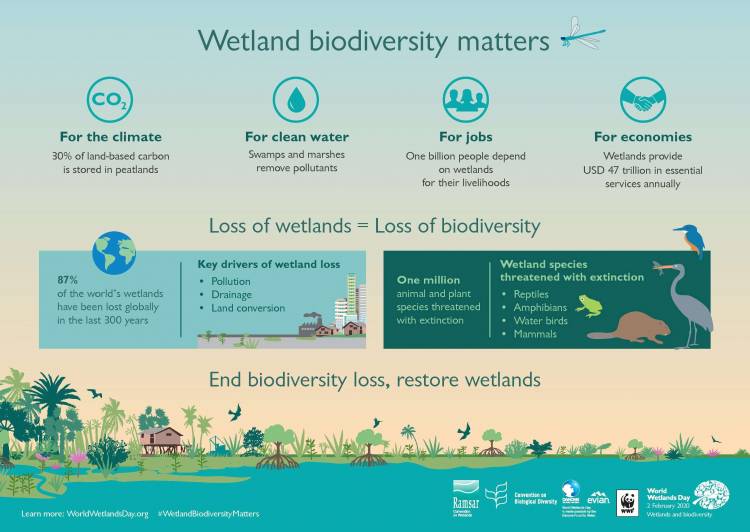
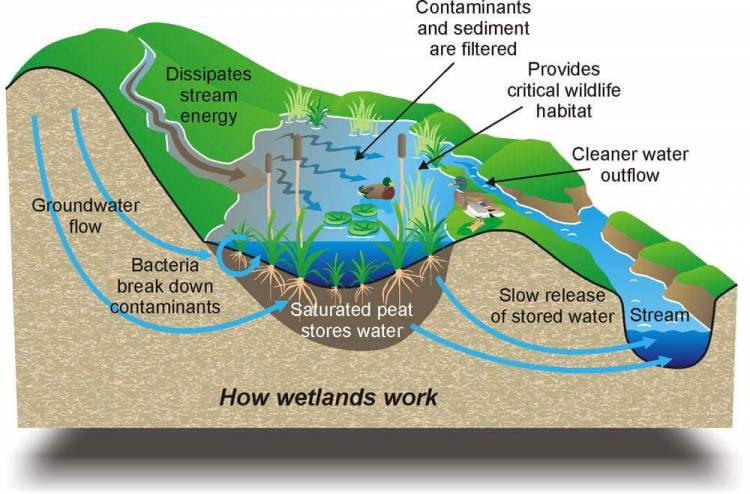
Wetlands occur in different environments around the world, and they all have divergent characteristics. However, they do all have one thing in common: they are extremely important habitats of rich biodiversity, and they have an important role to play in the lives of humans and animals alike.
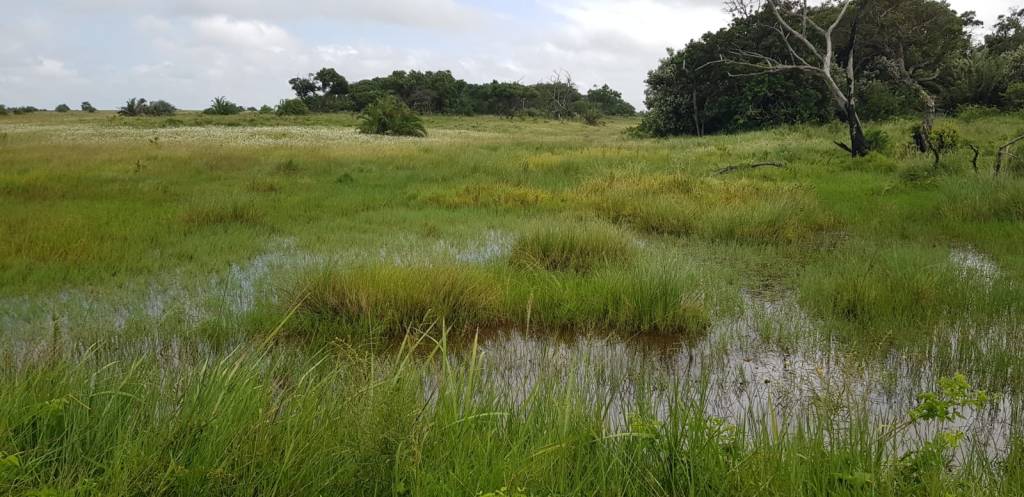
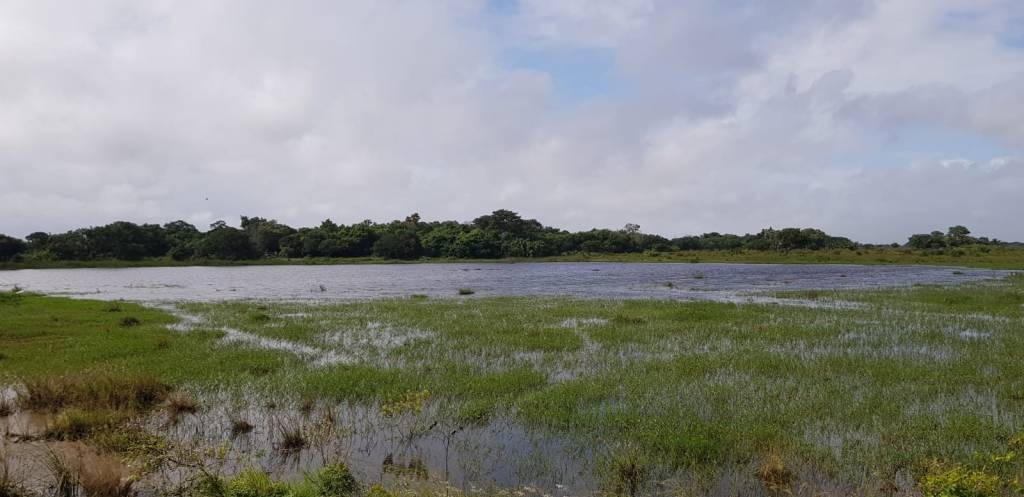
Whether it is called a marsh, swamp, vlei, bog, seep, fen or pan, a wetland is a unique ecosystem – an area of land saturated with water, either permanently or seasonally. It is usually home to many species of plants and animals.
Sadly, 50% of the world’s wetlands have been destroyed. Without suitable wetland habitat, many species could soon be homeless.
Here are 6 reasons why you should care about wetlands:
1. They preserve our water Wetlands purify and store excess water and can slow down water to help prevent floods. They also recharge ground water.
2. They help control erosion. In a dry country like South Africa, the role of wetlands in trapping sediments, before the sediment-laden water joins a river course and just washes away, is essential.
3. They provide shelter. Fish larvae and fry (juveniles) use the calm, shallow waters as a nursery. Wetlands also provide food and shelter for many animals, like birds and frogs.
4. They provide for livestock. Wetlands provide good areas for grazing, and the variety of grasses, along with a supply of running water, can be beneficial to farming livestock.
5. They protect biodiversity. South Africa is a biodiversity hotspot, thanks in part of our wetlands. The biodiversity of wetlands has produced incredible specialist pieces that are only found in these habitats.
6. They provide recreation. We get to enjoy nature walks, picnics, birding, fishing or even sailing in wetlands.
Our hope is that future generations will be able to enjoy seeing wetland animals and plants in their natural habitat.
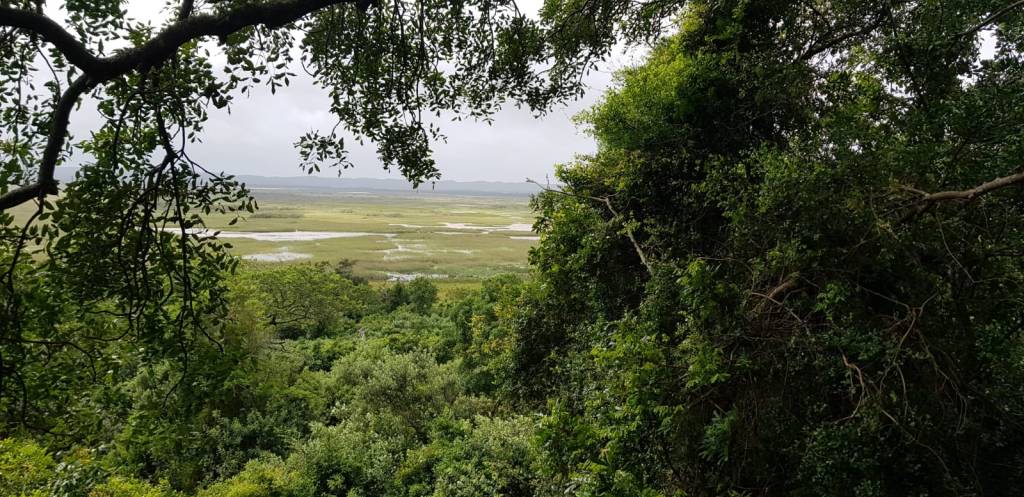
The iSimangaliso wetlands are as the name says, a place of wonder. And there’s no better place to view it from – Eco-Lodge. Come and see it for yourself
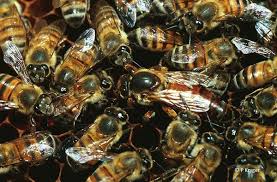
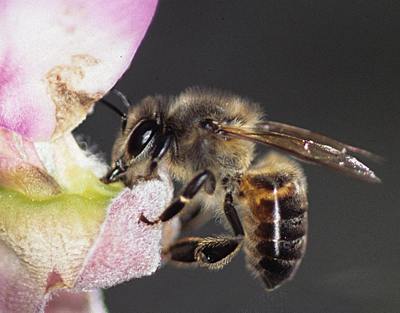
South Africa is known for its rich insect diversity, which of course includes bees. According to the Agricultural Research Council, there are 2 755 recorded bee species in sub-Saharan Africa. Of these, approximately 1 000 are found in South Africa, and many of them are endemic to the Fynbos and Succulent Karoo areas.
Some interesting bee facts:
All worker bees are female.
A bee produces a teaspoon of honey (about 5 grams) in her lifetime.
To produce a kilogram of honey, bees fly the equivalent of three times around the world in air miles.
The type of flower the bees take their nectar from determines the honey’s flavour.
Male bees (drones) have bigger eyes to help them find the Queen Bee.
Bees mate high in the sky. Afterwards the male bee loses his reproductive organs and dies.
A Queen Bee can produce 2,000 eggs a day. Fertilised eggs become females and unfertilised eggs become males, with the help of pheromones.
To get more bees in your garden grow more colour.
Bees love blue and love cluster plants like lavender and rosemary.
Bees don’t want to sting you because they die.
There are over 20,000 different species of bee, found on every continent except Antarctica.
Honey has been shown to have many health benefits both when eaten and when applied to the skin. The darker the honey the better.
The bee is the only social insect to be partially domesticated by humans.
Bees play an instrumental role in supporting biodiversity and various ecosystems, both locally and globally. Most importantly, these insects are the world’s primary crop pollinators and more than 50 different crops that are cultivated in South Africa, rely on honeybees.
Several threats to the environment have placed bee species across the world in a vulnerable position. The honeybee population’s rapid decline is not just a local phenomenon, but a global crisis.
How to attract bees into your garden:
Bees use scent to find flowers from afar, so choose sweetly scented, nectar-rich plants.
They only see the colour of plants when they get closer to them.
Bees are attracted to blue, yellow, white, purple and violet flowers with violet being their top choice.
Single flowers provide more food for pollinators than double flowers, which are filled with petals.
Flat or shallow blossoms, such as daisies, zinnias, asters and Queen Anne’s lace, will attract the largest variety of bees
Don’t use pesticides.
Use local native plants. Research suggests native plants are four times more attractive to native bees than exotic flowers.
Chose several colors of flowers.
Plant flowers in clumps. Flowers clustered into clumps of one species will attract more pollinators than individual plants scattered through the habitat patch.
Include flowers of different shapes. There are many different species of bees, and they are all different sizes, have different tongue lengths, and will feed on different shaped flowers. Consequently, providing a range of flower shapes means more bees can benefit.
Have a diversity of plants flowering all season. Most bee species are generalists, feeding on a range of plants through their life cycle. By having several plant species flowering at once, and a sequence of plants flowering through spring, summer, and autumn, you can support a range of bee species that fly at different times of the season.
Plant where bees will visit. Bees favor sunny spots over shade and need some shelter from strong winds.
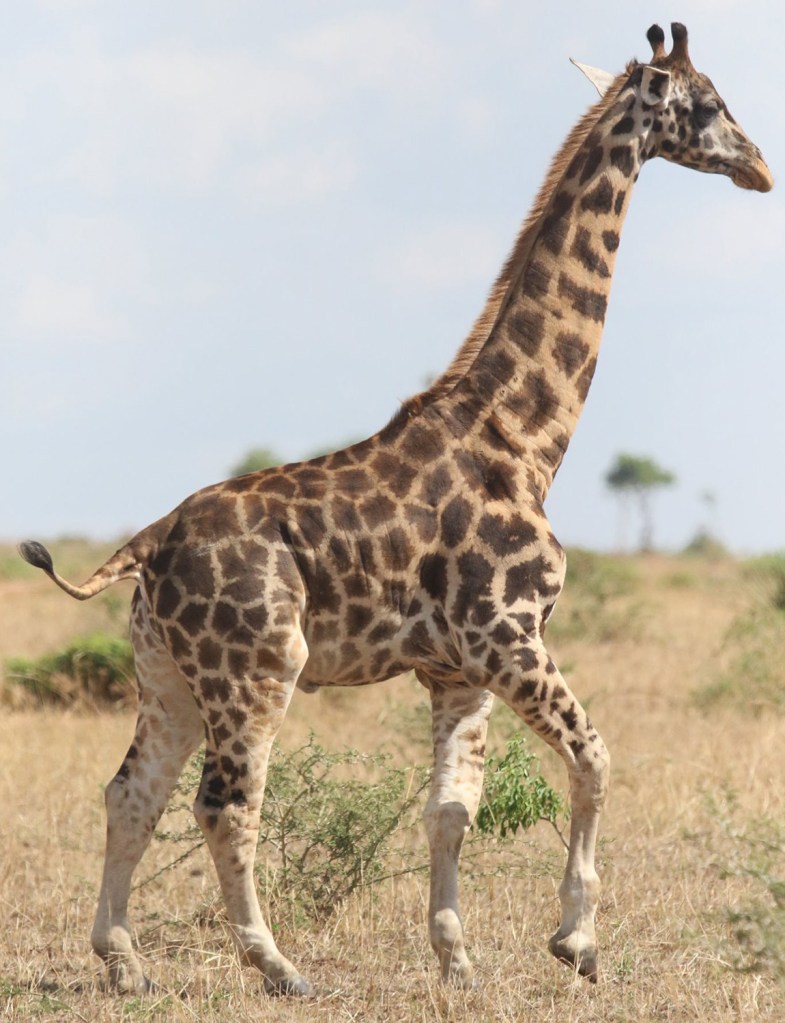
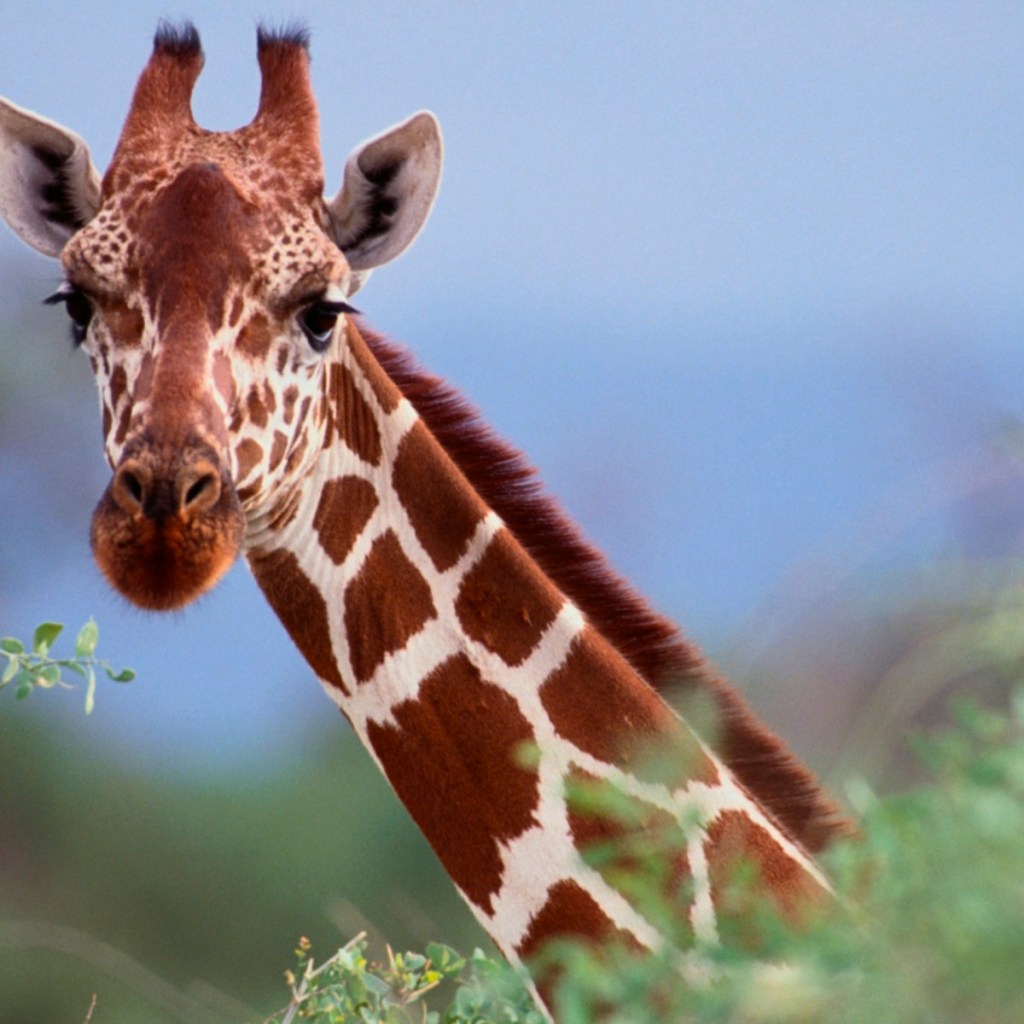
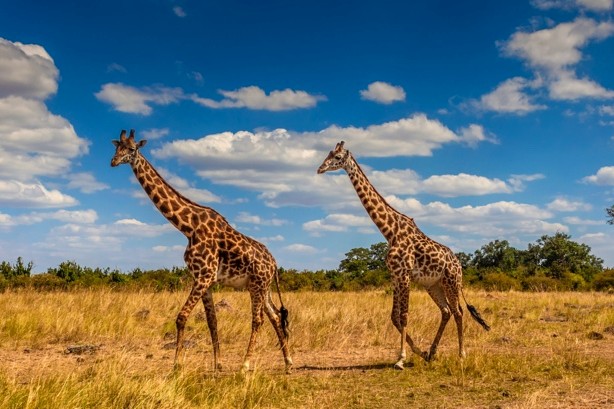
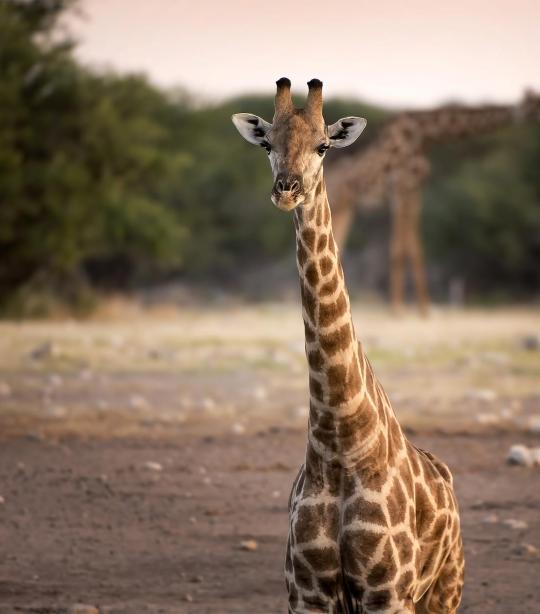
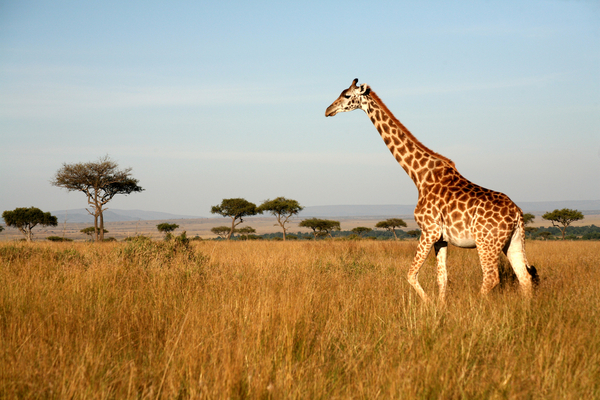
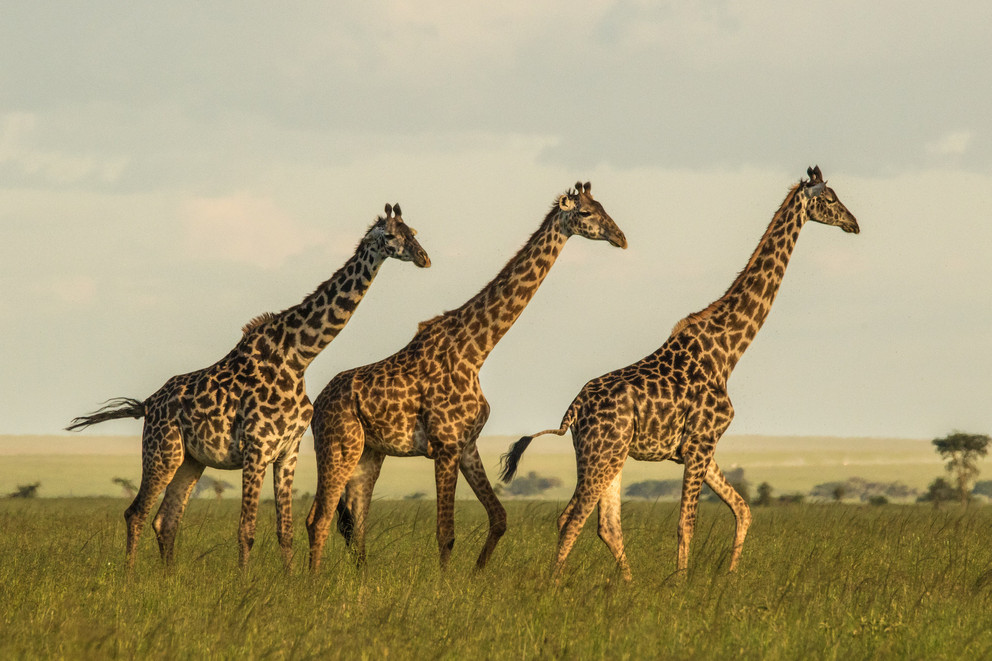
A journey of giraffes is such a fitting description for the undulating wave a large collection of giraffes make when travelling together in one direction. These majestic and graceful animals can be found in the Western Shores of the iSimangaliso Wetland Park. Sadly they are a species on the decline in Africa.
Over the past thirty years the overall giraffe population has declined by about 40%, and as a result there are now under 100,000 giraffe remaining in the wild. The remaining herds continue to face threats from loss of habitat through increasing agriculture, human-wildlife conflict, civil unrest, disease and poaching for their meat, pelt, and demand for their tails (used in traditional tribal dress).
Currently only three of the recognised nine subspecies of giraffe are listed as Critically Endangered. Those in East, Central, and West Africa are coping particularly poorly. The Kordofan have lost 90% of their population since 1980, with only 2000 remaining. Nubian giraffes, of which there are now only 2,645 remaining, have experienced a loss of 98% and now only live on protected lands in Kenya. In reality these beautiful giants are now just one stage away from becoming extinct in the Wild. Putting giraffe on the endangered species list would go a long way to helping their survival.
Despite recent precautionary measures from many African governments, such as restrictions on hunting, banning hunting in National Parks, closed seasons on hunting, introduction of license systems; people continue to hunt wildlife illegally. Habitat loss remains one of the gravest issues. The main contributor to the giraffes’ loss of habitat is conversion of forested areas into farmland. Charcoal manufacturing is also another challenge. While local peoples create an income out of charcoal by chopping down the trees and burning the wood to make a form of charcoal, giraffe are fast losing their sustenance to this low-income industry.
Animals like elephants, rhinos, and lions receive far better protection than the giraffe because the world is very aware that it is illegal for hunters to kill them for their horns or as a trophy. Currently the largest of all the challenges facing many giraffes are that human development and civil wars in parts of Africa are causing them to lose the wide, open savannah spaces they roam.
Countries like Niger, and Kenya are very aware of this issue. Niger, a country proud of its giraffes, was one of the first countries where the government applied conservation measures to protect the giraffe. Kenya is also due to pass a draft proposal to protect their giraffe after experiencing some of the largest losses (from 30,000 in the 1990s to 6,500 today). In South Africa, giraffe numbers are rising. Tourists travel to South Africa to see wild animals in their natural habitat. This generates a huge income for the country so it is in the governments interests to ensure the giraffes have the space they need and in the game parks they are afforded some protection from hunters. This type of conservation plan would work well in the other African countries, and if the worldwide community could agree that giraffes are in danger of becoming extinct, this could become a priority and budgets would allow for money to be spent protecting them and their habitats.
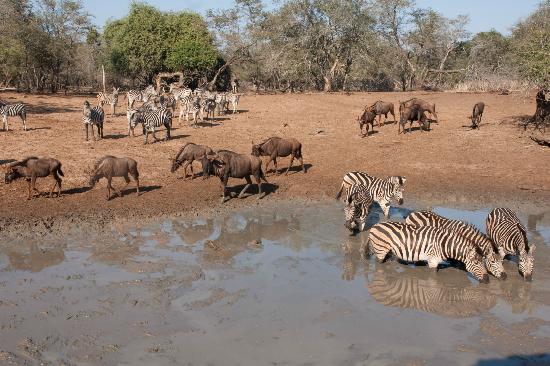
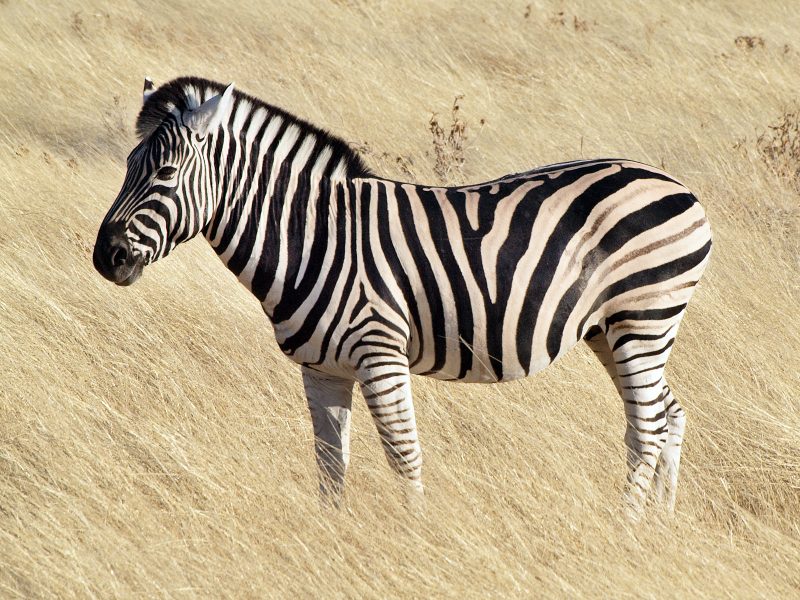
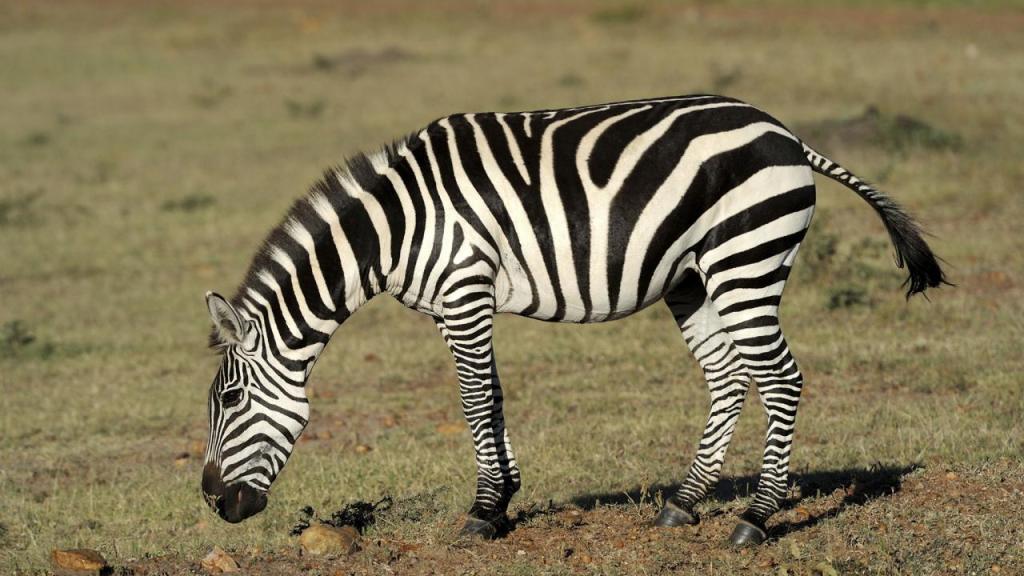
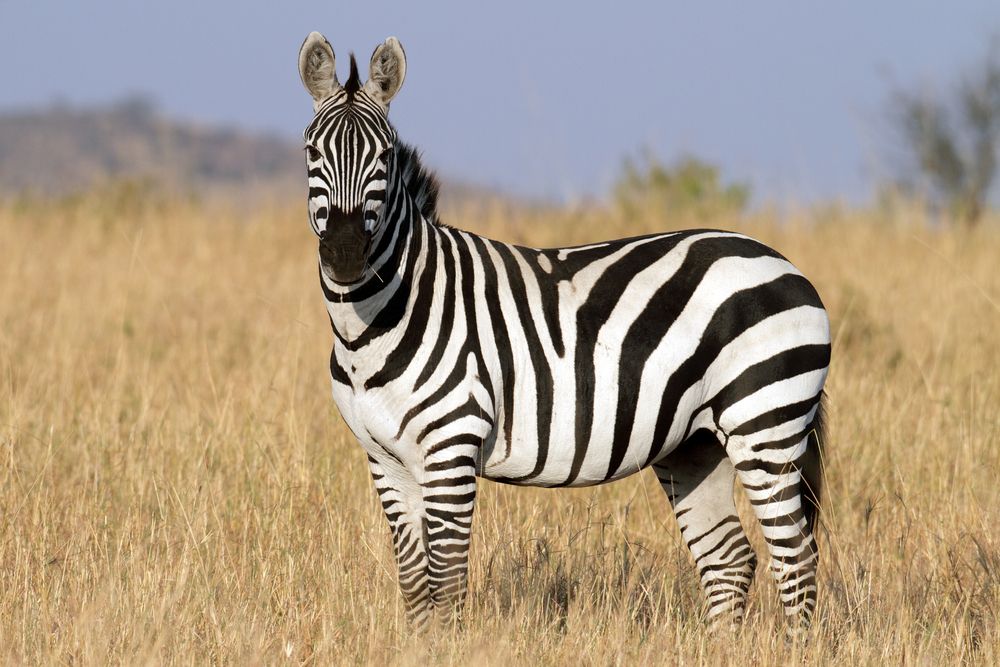
Donki ko lo football jersey is the fanagalo name for a Zebra. Appropriately descriptive when you look it their black and white chevron like coat. Fanagalo is the linga franca language once used in the South African mines, composed of frequently corrupted elements of the Nguni, English and Afrikaans languages. No guesses how the term zebra crossing was coined when referring to the black, and white striped pedestrian crossing on roads, giving pedesstrians right of way. A uniquely visual name for a very African animal.
Zebras are native to Africa belonging to the same genus as horses and donkeys. They are commonly thought to have white hides with black or brown stripes, since the stripes end at their tummies and the inner side of the legs, which are white. However, zebras have a black skin under their white coats! So the question is; arezebras black with white stripes or white and black stripes? Much like the question… Which came first, the chicken, or the egg… a perpetual debate that may never have an actual answer. The reason for zebra stripes has been debated for over 150 years and is likely to continue for another 150.
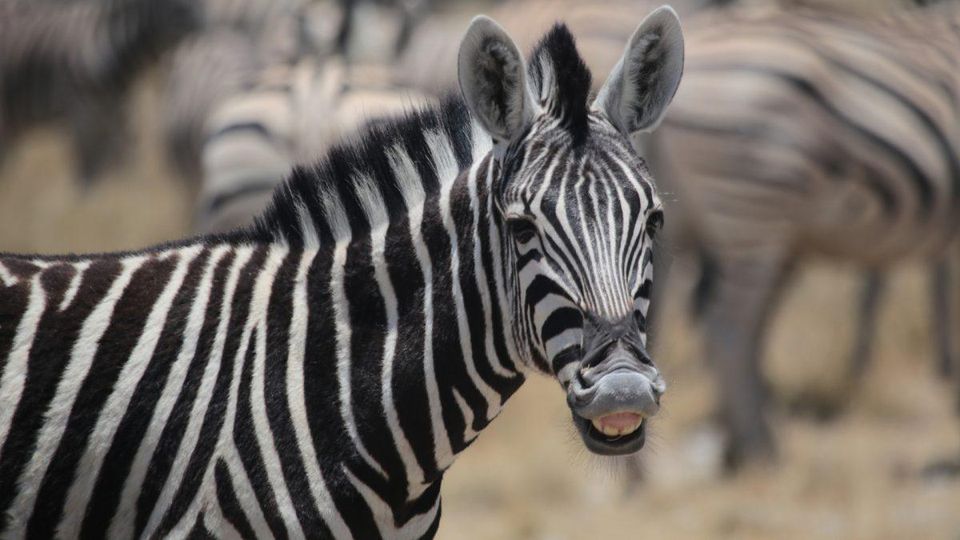
Zebras are rather fascinating animals. Their black and white pyjamas are highly recognisable, and make them stand out in the African savannah. Or do they? It is thought that the zebra’s stripes work as disruptive colouration. The idea being that when zebras stand together this confuses the predator, and it becomes harder for predators to determine how many zebras there are in the group. The stripes are also believed to appear unattractive to smaller predators that only recognize large areas of one coloured fur, such as bloodsucking horseflies, which can spread disease. In addition, the stripes may work as a natural sunscreen. It is also thought that the zebra’s stripes may help them recognize one another. What is fascinating is that each zebra’s stripes are unique. Just as no two human fingerprints are alike, no zebra has the same stripe pattern.
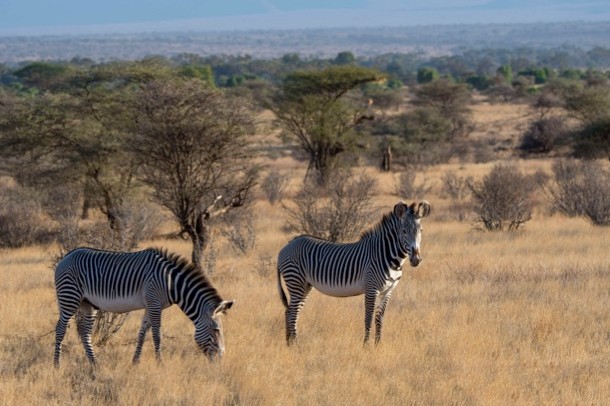
Each species of zebra has a different pattern of stripes. The Grevy’s zebra has very thin stripes. The mountain zebra has vertical stripes on its neck and torso, but horizontal stripes on its haunches. Some plains zebras have brownish “shadow” stripes between the black stripes. Yet beneath these black and white stripes, zebra look just like horses. They have a blackish coloured skin. It is only their fur that is striped. This is evident in the fouls when they are newborns. Young zebra have only brown markings, their stripes develop later. The skin colouring only fully establishes itself when the zebra reaches 18-24 months.
Even after years of debating the question; are zebras black with white stripes, or white with black stripes, there is still no definitive answer. So the option is yours as to which argument you chose to side with. If you would like to enter the debate yourselves and see these uniquely striped equine in their natural habbitat then look no further than the iSimangaliso Wetland Park.
And an interesting little fun fact… Did you know that zebra and rhino are related? Strange but true! The zebra and the rhinoceros are part of the same order (Perissodactyla) and therefore shares a few similarities. Like zebras, rhinoceros are odd-toed ungulates, hindgut fermenters and lack gallbladders. Both mammals are herbivores.
If you have ever lived or worked in or around a game reserve, you will know that certain animals are regularly found in certain areas. As a territorial animal you are restricted to a certain area. You can move about in your little piece of Africa; but avoid crossing into your neighbours’ territory. If you cross the boundary you may find yourself in a little skirmish or two and end up high tailing it back to your place of residence. Territories are simple as long as you stick to the rules. Sometimes there are changes in the hierarchy when one of your neighbours reaches an untimely demise, and ends up as a meal, or something called natural mortality occurs.
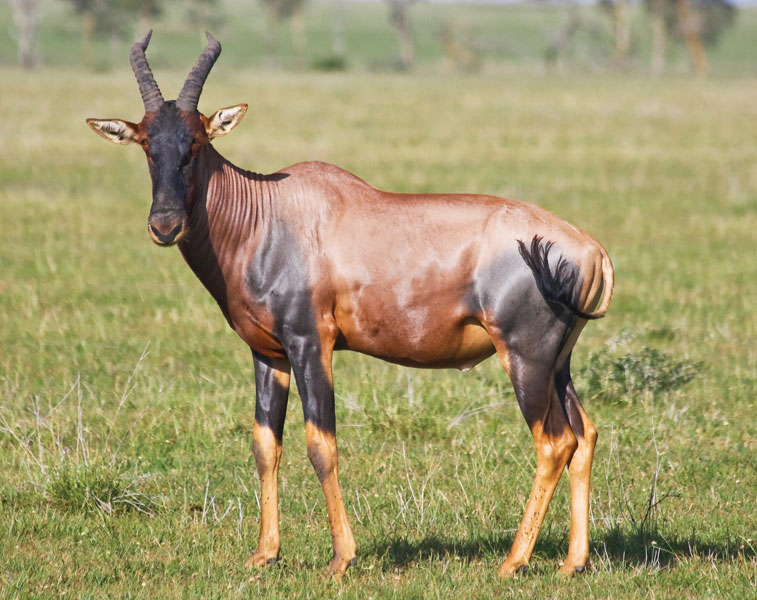
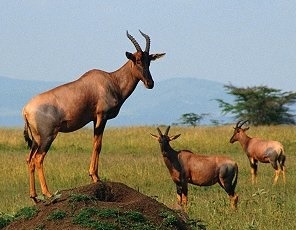
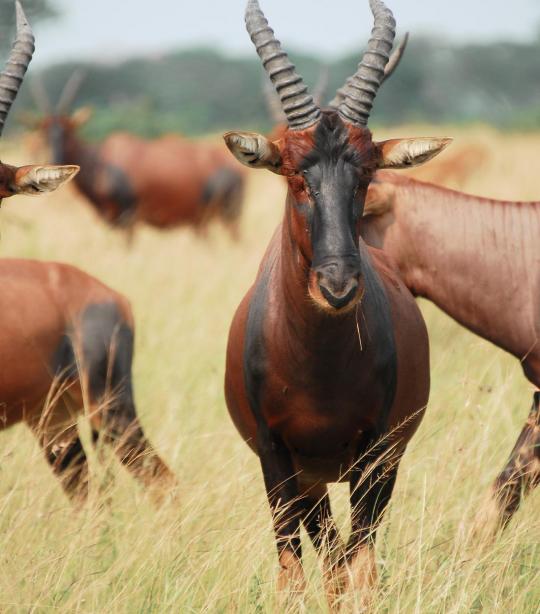
When you are involved in this territory thing, some animals will take it quite far and create stomping grounds (like your reserved seat in the local bar,) within their territory. These are usually created by ruminants that have chosen these locations because they have a good lookout and have short grass that provides a relatively easy escape from predators. A few of these can be found in the iSimangaliso Wetland Park. This is where the whole “Topi or not Topi” comes into play. In South Sudan there are several thousand Topis, in fact in excess of 750 000! These fill a similar ecological niche to that of the wildebeest down South. They are possibly on a similar intellectual scale of intelligence which isn’t saying much. I always tell my guests that wildebeest get “first, second and third prize for stupidity”. Although topis can run faster than wildebeest, which means that they can get away from trouble faster, unfortunately they also head into trouble a little faster. It is not always the speed that is an advantage; it is how well you can stop or turn or both. With this information in mind, each night we passed the group of three topis standing on their stomping ground. Although this was a short distance from the road, they are easy to identify because they have a light coloured rump that is easily identified in a spotlight.
After passing these topi stomping grounds week after week, several nights later we discovered their numbers had dropped from three to two. After searching the area as though we were looking for an escaped prisoner, we found no sign of the truant topi. Suddenly out of the corner of my eye I saw the glint of eyes in a patch of dense grass no more than five metres from the ruminating topis. When I trained my spotlight on this patch of grass, a leopard leaped up and went bounding away into some dense bush a short distance from the topis. What did the topis do? The remaining two looked as though they were avoiding a wave on the beach and moved a short distance away. In the end I surmised that the truant topi had become a meal for this leopard. Had we not arrived at this moment, one of the other two may well have become a meal too. Well that was what I thought at the time but, a couple of nights later the truant topi reappeared, and I was left pondering the mystery.


 Tourism Tails